Key Takeaways
- Kisspeptin is not FDA-approved for infertility treatment and remains experimental; early studies showed a 23% pregnancy rate in small trials (30-100 patients), far smaller than the thousands studied for standard IVF triggers.
- Kisspeptin may reduce ovarian hyperstimulation syndrome (OHSS) risk by triggering a natural LH surge through your pituitary gland instead of directly signaling ovaries like hCG does, but this benefit needs confirmation in larger trials.
- Avoid buying kisspeptin peptides online without medical oversight, as these products lack FDA regulation and may contain unclear ingredients, incorrect doses, or contaminants; always consult a primary care provider first.
- Start fertility evaluation with your primary care doctor to identify underlying causes (thyroid issues, hormone imbalances) before pursuing experimental treatments, then get a reproductive endocrinologist referral if advanced care like IVF is needed.
Struggling to get pregnant can feel lonely and confusing. If you have spent hours online searching for answers, you may have come across kisspeptin. This hormone is getting attention as a possible new option for fertility care, especially for patients going through IVF. But what does the science actually say? And where does a primary care clinic fit into this picture?
At InCare, we believe patients deserve clear, honest information before making health decisions. This guide breaks down what kisspeptin is, how it might help with infertility, and why working with your primary care team is the safest first step. Our providers in Tampa and Riverview, Florida, help patients understand new treatments while connecting them with the right specialists.
1. What Is Kisspeptin and Why Does It Matter for Fertility?
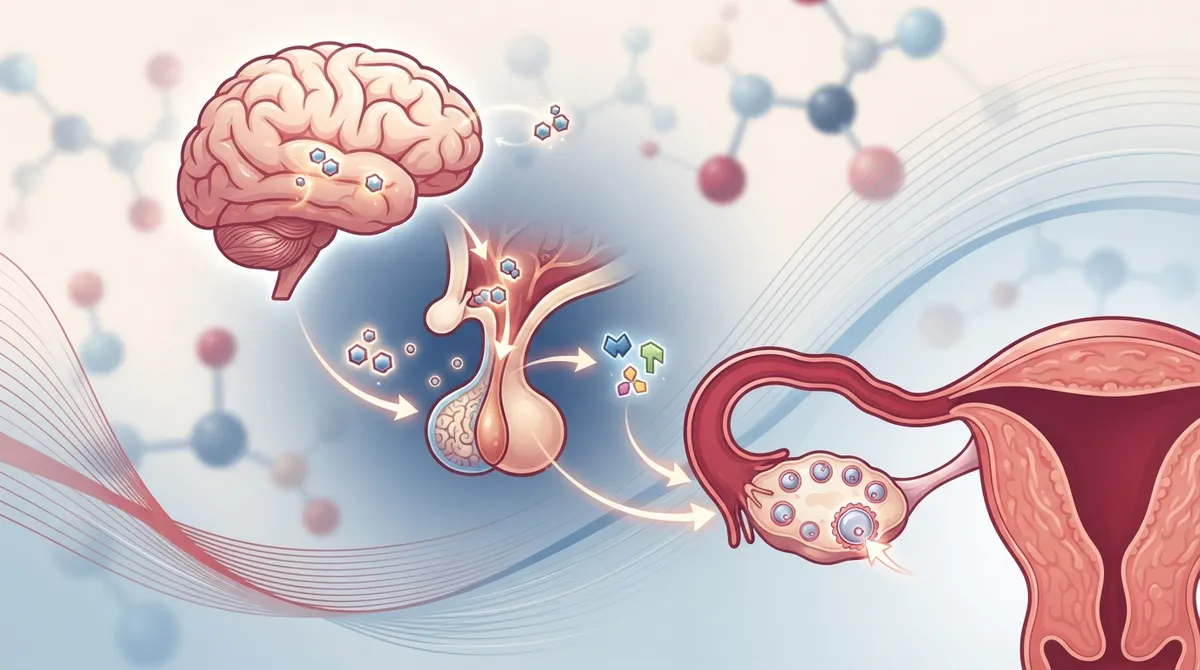
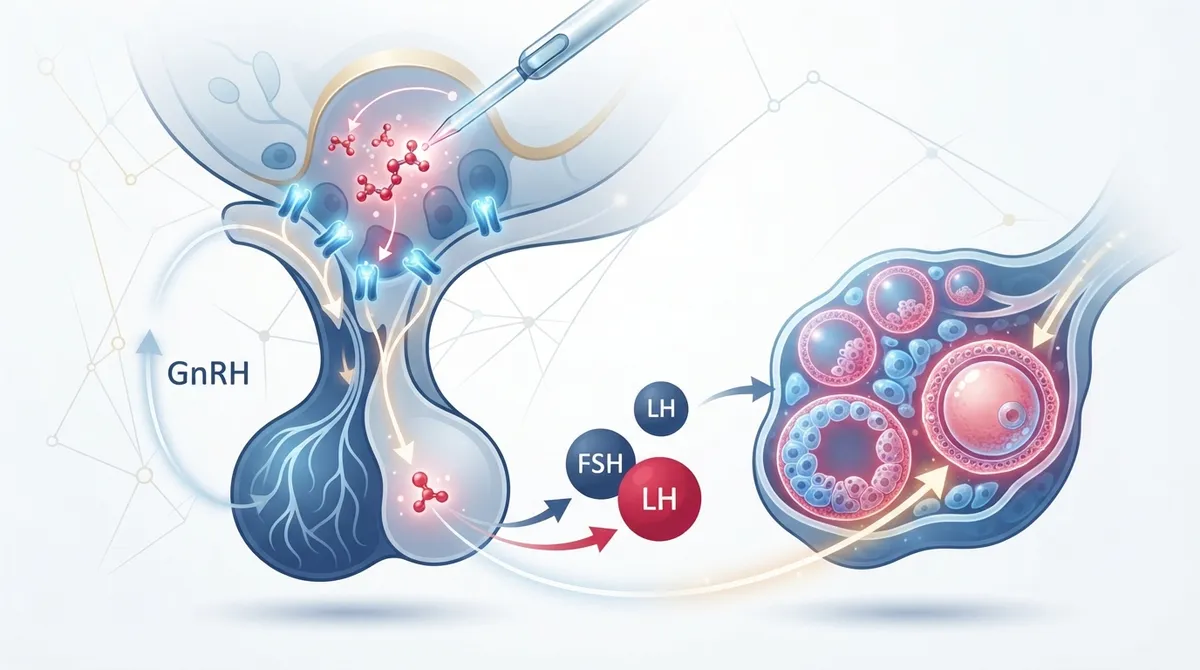
Kisspeptin is a hormone made naturally in your brain. It activates a receptor called KISS1 on certain brain cells. This action triggers the release of gonadotropin-releasing hormone, known as GnRH. GnRH then signals your body to release two other key hormones: luteinizing hormone (LH) and follicle-stimulating hormone (FSH).
These three hormones work together to control your reproductive system. Without them, ovulation and sperm production cannot happen properly. Because kisspeptin sits at the top of this hormone chain, scientists believe it could help correct certain fertility problems.
- Kisspeptin activates the KISS1 receptor in the brain
- It triggers GnRH release, which then signals the pituitary gland
- This leads to LH and FSH release, both needed for fertility
- Problems anywhere in this chain can cause infertility
2. How Kisspeptin Is Being Studied as an IVF Trigger
The most promising use of kisspeptin right now is in IVF treatment. During IVF, doctors give patients hormones to grow several eggs at once. At the right moment, a "trigger" shot causes the eggs to finish maturing so they can be collected.
For years, doctors have used a hormone called hCG as this trigger. Kisspeptin-54 is being tested as a possible replacement. Instead of directly telling the ovaries what to do, kisspeptin nudges your own brain to release LH. This creates a surge that looks more like a natural cycle.
Why Researchers Are Interested in This Approach
Since kisspeptin works through your own pituitary gland, its effects may not last as long as hCG. This shorter action could lower the chance of a condition called ovarian hyperstimulation syndrome, or OHSS. OHSS can cause painful swelling and, in rare cases, serious complications.
3. What the Clinical Research Actually Shows
It is important to look at real data, not just hype. A 2014 study published in the Journal of Clinical Investigation tested kisspeptin-54 as an IVF trigger. Around 23% of participants became pregnant after treatment. That number sounds encouraging, but the study was small and exploratory.
A registered clinical trial, listed as NCT01667406 on ClinicalTrials.gov, tested kisspeptin doses ranging from 1.6 to 12.8 nmol/kg. The study included repeat-dose groups and involved roughly 90 to 102 women undergoing IVF. That is a small group compared to the tens of thousands of patients studied for standard IVF medications.
- A 2014 study reported a 23% pregnancy rate using kisspeptin-54 as a trigger
- The dose-escalation trial (NCT01667406) tested multiple kisspeptin doses in IVF patients
- A 2020 study of 30 women examined kisspeptin's role in IVF and ICSI treatment
- A 2025 review confirmed kisspeptin therapy remains in early-stage research
- No large-scale trial has yet confirmed kisspeptin's safety and success over standard triggers
4. Is Kisspeptin an Approved Infertility Treatment?
This is one of the most common questions patients ask. The honest answer is no. As of now, there is no FDA-approved kisspeptin-10 or kisspeptin-54 product for treating infertility. Kisspeptin is not a standard part of IVF care at fertility clinics.
This distinction matters. Research peptides sold online are not the same as medications tested and approved through clinical trials. These products may have unclear ingredients, incorrect doses, or contamination risks. A trustworthy healthcare provider will never suggest self-treating with unapproved substances.
|
Feature |
Kisspeptin (Investigational) |
hCG (Standard IVF Trigger) |
|---|---|---|
|
FDA Approval Status |
Not approved |
Approved |
|
Clinical Trial Size |
Small (30-100 patients) |
Thousands over decades |
|
Mechanism |
Stimulates natural LH surge |
Directly signals ovaries |
|
OHSS Risk (Early Data) |
Potentially lower |
Higher in at-risk patients |
|
Availability |
Research settings only |
Standard fertility clinics |
5. Other Areas Where Kisspeptin Research Is Growing
Beyond IVF triggers, scientists are exploring kisspeptin for several other fertility-related conditions. None of these uses are approved treatments yet, but they show where future research may lead.
- Hypothalamic or hypogonadotropic hypogonadism, a condition where the brain does not properly signal reproductive hormones
- Stimulating natural hormone secretion in patients with low reproductive hormone levels
- Supporting oocyte (egg) maturation during fertility treatment
- In-vitro maturation techniques used in specialized fertility labs
Men with low testosterone or hypogonadotropic hypogonadism have also been part of early kisspeptin research. However, this remains experimental. Anyone concerned about low testosterone or fertility issues should first review their hormone health with DNA and gene testing options through a qualified clinic.
6. Safety Concerns You Should Know About
Because kisspeptin research is still young, long-term safety data is limited. Most studies involve single doses or short infusions given under close medical supervision. There is not yet enough evidence about repeated use, pregnancy outcomes, or effects on a developing baby.
This is why self-administering kisspeptin peptides bought online is risky. These products are not regulated the same way as prescription medications. Purity, sterility, and dosing accuracy cannot be guaranteed.
Steps to Protect Your Health While Exploring New Treatments
- Talk to a licensed primary care provider before trying any new fertility therapy
- Ask about standard, evidence-based options first
- Get proper testing to identify the cause of infertility
- Request a referral to a reproductive endocrinologist if needed
- Avoid research peptides sold without medical oversight
- Stay updated on new clinical trial results through your doctor
- Never delay proven treatment while waiting on experimental options
7. How Primary Care Supports Your Fertility Journey
You might wonder why a primary care and wellness clinic would discuss infertility treatment at all. The truth is, your primary care doctor often serves as your first stop for any health concern, including fertility.
A knowledgeable provider can review your medical history, check hormone levels, and rule out common causes of infertility. This might include thyroid issues, weight-related hormone imbalances, or lifestyle factors. Our team at InCare regularly helps patients with weight loss programs and cancer screenings that can also impact reproductive health.
If fertility concerns affect both partners, your primary care provider can coordinate care and evaluate both people together. This team approach often saves time and stress. It also helps you avoid unnecessary treatments that will not solve the real problem.
What a Fertility-Focused Primary Care Visit Looks Like
- Review of menstrual cycle history and sexual health
- Screening for hormone imbalances, including thyroid function
- Discussion of lifestyle factors like weight, stress, and sleep
- Review of current medications that may affect fertility
- Referral coordination with reproductive endocrinology specialists
Our providers, including Dr. Naveen Paddu, Dr. Pramjeet Ahluwalia, and Dr. Teshy John, take time to listen to your concerns. We believe good fertility care starts with honest conversations and proper testing, not shortcuts.
Comparing Fertility Support Options at a Glance
|
Approach |
Evidence Level |
Best For |
|---|---|---|
|
Standard fertility evaluation |
Strong, well-established |
All patients starting their fertility journey |
|
Reproductive endocrinology referral |
Strong, specialist-level care |
Patients needing advanced treatment like IVF |
|
Kisspeptin-based IVF trigger |
Early-stage, small trials |
Research participants only, high OHSS-risk patients |
|
Self-administered online peptides |
Not supported by clinical evidence |
Not recommended for anyone |
Many of our patients also explore whole-body wellness options that support hormone balance and overall health. Services like IV hydration and vitamin drips and body composition analysis can be part of a broader plan to feel your best while working toward your fertility goals.
You can also follow health updates and patient stories through our Facebook page, or see daily wellness tips on Instagram and TikTok. These channels share real information to help you make informed choices about your health.
Frequently Asked Questions About Kisspeptin and Fertility
Below are answers to common questions patients bring to our Tampa and Riverview clinics.
Final Thoughts on Kisspeptin Infertility Treatment
Kisspeptin represents an exciting area of fertility research. Early studies suggest it may one day offer a gentler alternative to current IVF triggers, especially for patients at risk of OHSS. But right now, it remains investigational. No approved kisspeptin product exists for treating infertility.
The safest path forward is a proper evaluation with a trusted primary care provider. From there, you can get referred to a reproductive specialist if advanced treatment is needed. Skipping this step to try unproven online peptides could delay real answers and put your health at risk.
If you have questions about fertility, hormone health, or where to start, our team is ready to help. You can reach out to our care team to schedule a conversation, or book your appointment online today. See what our InCare patients are saying by visiting our Visit us on Google — InCare page. Whether you visit our Tampa or Riverview location, our providers are here to guide you with honest, evidence-based care.
FAQs
Q: What is kisspeptin and how could it help with infertility?
A: Kisspeptin is a natural hormone that triggers the release of GnRH, LH, and FSH, all of which control fertility. Researchers are studying it as a possible way to trigger egg maturation during IVF, offering a more natural hormone signal than current methods.
Q: Is kisspeptin approved for IVF or infertility treatment?
A: No, kisspeptin is not currently approved by the FDA for infertility treatment. It remains an experimental therapy studied in small clinical trials, and it is not part of standard IVF care.
Q: Can kisspeptin replace hCG as an IVF trigger?
A: Early research suggests kisspeptin-54 may work as an alternative trigger to hCG, especially for patients at risk of ovarian hyperstimulation syndrome. However, larger studies are needed before it becomes a routine option.
Q: Does kisspeptin reduce the risk of ovarian hyperstimulation syndrome?
A: Kisspeptin's shorter hormone action may lower OHSS risk compared to hCG, according to early studies. This benefit still requires confirmation through larger, controlled clinical trials.
Q: Is kisspeptin treatment available through fertility clinics or primary care practices?
A: Kisspeptin is only used in specialized research settings and clinical trials, not in routine fertility clinics or primary care practices. Patients should seek proper infertility evaluation through their primary care provider, who can refer them to a reproductive endocrinologist for advanced options.