If you have searched for answers about kisspeptin and female reproductive health, you have likely come across bold claims and confusing science. This hormone is getting attention for its role in fertility, menstrual cycles, and even fertility treatments like IVF. But separating real science from online hype matters, especially when your health is on the line.
At InCare, our approach to women's health starts with understanding the whole picture. Whether you are trying to figure out irregular periods, exploring fertility questions, or simply curious about the latest wellness science, this guide breaks down what kisspeptin actually does in the female body. We will also cover what current research shows, what remains experimental, and how a trusted primary care provider can help you find real answers.
1. Kisspeptin Is a Master Switch for the Reproductive System
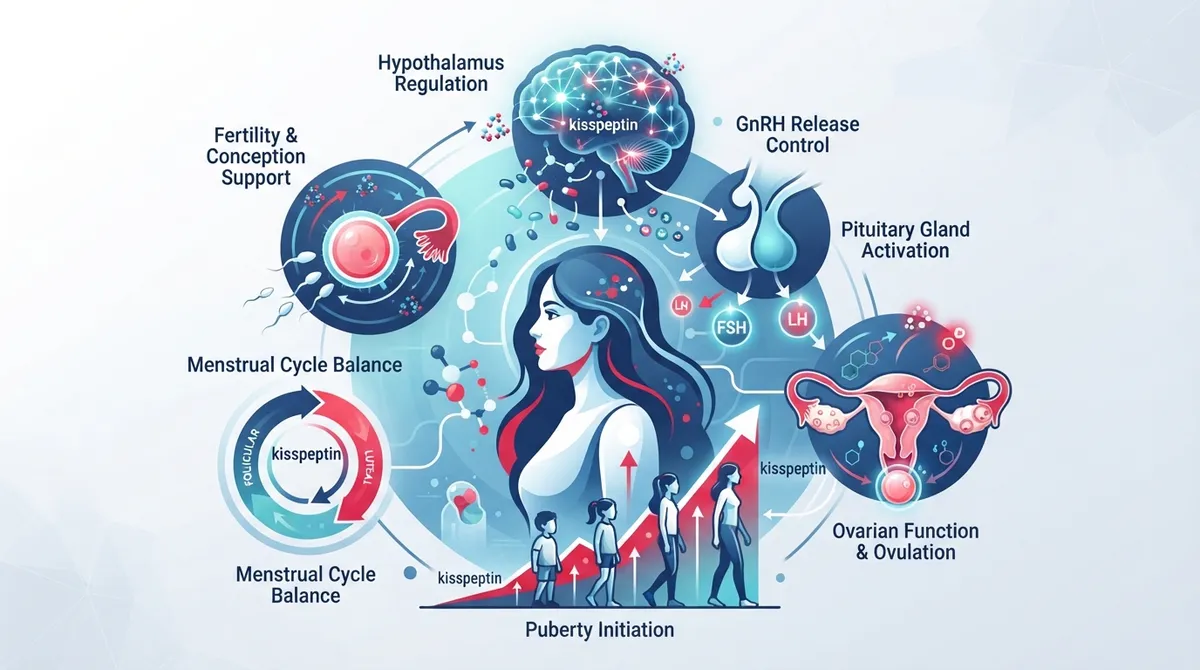
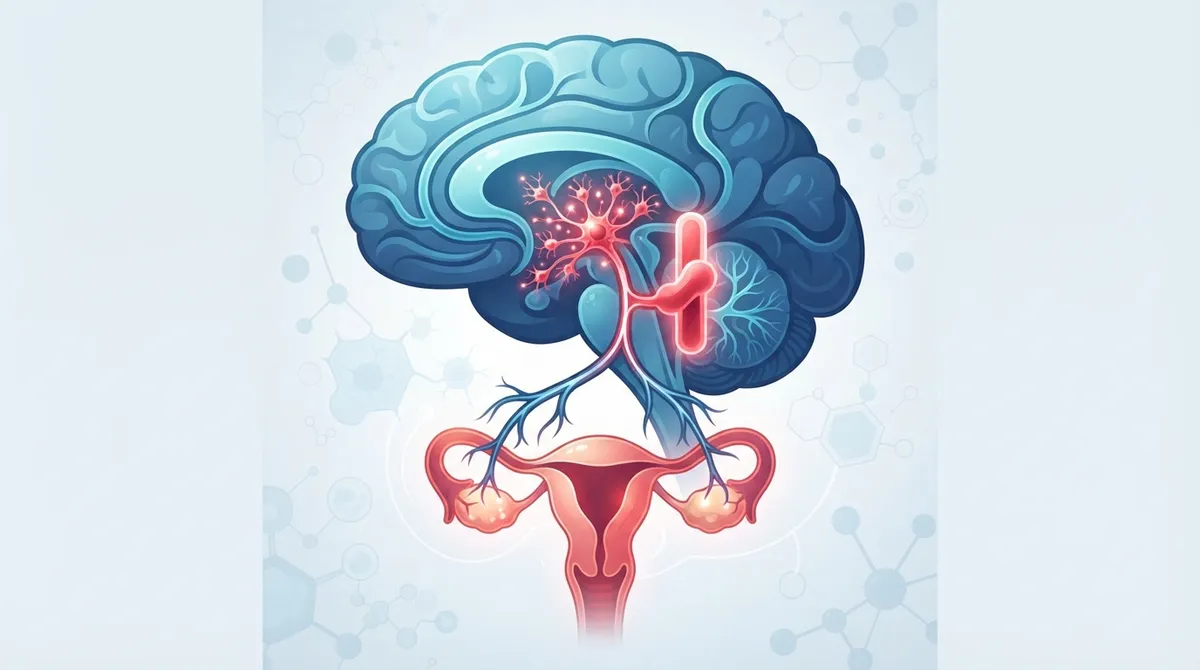
Kisspeptin is a natural chemical made in the brain. It acts like a messenger, sending signals from the hypothalamus to nerve cells that control reproduction. Scientists call this the hypothalamic-pituitary-ovarian axis, but you can think of it as the body's fertility control center.
Kisspeptin works by activating a receptor called KISS1R, found near neurons that release gonadotropin-releasing hormone (GnRH). This makes kisspeptin one of the most important upstream regulators of female reproductive function. Without it, the entire hormone chain that controls periods and ovulation would not function properly.
How the Signal Chain Works
Here is a simple breakdown of the process:
- Kisspeptin activates KISS1R receptors near GnRH neurons
- GnRH is released in pulses into the bloodstream
- The pituitary gland responds by releasing LH and FSH
- LH and FSH travel to the ovaries to trigger follicle growth and ovulation
- Ovarian hormones like estrogen and progesterone rise and fall through the cycle
This entire chain depends on kisspeptin sending the first signal. Disruptions anywhere in this pathway can lead to missed periods, fertility struggles, or irregular cycles.

2. Kisspeptin Drives Puberty, Ovulation, and the Menstrual Cycle
Kisspeptin is not just important for adult fertility. It also plays a key role in triggering puberty. Research summarized in a 2025 review published in Physiological Reviews shows that kisspeptin, along with a related molecule called neurokinin B, helps regulate the timing of puberty onset and adult reproductive function.
During the menstrual cycle, kisspeptin activity changes based on hormone levels. It helps trigger the pre-ovulatory LH surge, the hormone spike that causes an egg to release from the ovary. Without a proper kisspeptin signal, ovulation may not happen on schedule, or at all.
Key Functions of Kisspeptin in Reproduction
- Signals the start of puberty in adolescence
- Regulates pulsatile GnRH release throughout adulthood
- Triggers the LH surge needed for ovulation
- Supports healthy follicular development in the ovaries
- Interacts with neurokinin B and dynorphin to fine-tune hormone pulses
Because of this central role, doctors are studying kisspeptin as a tool to better understand and potentially treat reproductive issues rooted in hormone signaling problems.
3. Kisspeptin Response Differs Based on a Woman's Hormonal Status
Not every woman responds to kisspeptin the same way. Research shows that a woman's menstrual cycle phase, baseline reproductive health, and hormone levels all affect how strongly her body reacts to kisspeptin stimulation.
This matters most for women with functional hypothalamic amenorrhea, a condition where periods stop due to stress, low body weight, or excessive exercise. In these cases, the reproductive system is not permanently damaged. It is simply suppressed. Studies have found these women often show a stronger response to kisspeptin, since their hormone pathway is intact but underactive.
|
Patient Group |
Kisspeptin Response Pattern |
Clinical Relevance |
|---|---|---|
|
Women with hypothalamic amenorrhea |
Strong LH and FSH increase |
Suggests reversible suppression, not permanent damage |
|
Women in early follicular phase |
Moderate gonadotropin response |
Reflects normal cycle variability |
|
Women near ovulation |
Response varies by dose and timing |
Used in research to study LH surge triggers |
|
IVF patients (high OHSS risk) |
Robust LH and FSH rise after injection |
Explored as an alternative trigger to reduce OHSS risk |
4. Kisspeptin Shows Promise as an IVF Trigger
One of the most talked-about uses for kisspeptin is in IVF treatment. During IVF, doctors need to trigger the final maturation of eggs before they are retrieved. Traditionally, this is done using human chorionic gonadotropin, or hCG. But hCG carries a risk of ovarian hyperstimulation syndrome, a painful and sometimes dangerous complication.
Kisspeptin works differently. It stimulates the patient's own natural GnRH and gonadotropin pathways instead of directly flooding the body with external hormones. This may lower the risk of ovarian hyperstimulation syndrome in women who are already at high risk during IVF cycles.
What the Research Shows
A pilot study published in The Lancet looked at kisspeptin as an IVF trigger. The results were promising for a small proof-of-concept trial:
- 45 of 47 women (96 percent) had successful oocyte maturation after one kisspeptin injection
- 43 of 47 women (91 percent) went on to have embryo development
- 10 of 44 women (23 percent) had a confirmed clinical pregnancy at six weeks
- LH levels rose an average of 9.0-fold within 12 hours of the injection
Doses tested ranged from 1.6 to 12.8 nmol/kg. While these numbers sound encouraging, researchers were clear that this was a small, early-stage study. It was designed to test whether the idea works, not to prove it as a standard treatment.
5. Kisspeptin Research in Hypothalamic Amenorrhea
Functional hypothalamic amenorrhea affects many women, often linked to low energy intake, high stress, or intense exercise routines. It can make periods stop entirely, which affects both fertility and long-term bone and heart health.
Early clinical research found that a single kisspeptin-54 injection increased LH by about 48-fold and FSH by about 16-fold in women with this condition, compared to a placebo. That is a dramatic response. It suggests these women's reproductive systems were capable of responding, just not being triggered properly on their own.
Numbered Steps: How Doctors Currently Approach Hypothalamic Amenorrhea
- Confirm the diagnosis through hormone testing and ruling out other causes
- Assess energy availability, including diet and exercise habits
- Evaluate stress levels and mental health factors
- Recommend nutritional and lifestyle adjustments as first-line treatment
- Refer to a gynecologist or reproductive endocrinologist for specialized care if needed
Kisspeptin therapy itself remains experimental for this condition. It is not yet an approved treatment, but the underlying science helps explain why addressing lifestyle factors often restores normal cycles.
6. Kisspeptin Is Not an Approved Fertility Treatment Yet
It is important to be clear: no kisspeptin product is currently approved by the FDA for infertility, ovulation induction, IVF support, menopause symptoms, or general wellness use. A 2022 review in Reproductive Biology and Endocrinology confirmed that while kisspeptin-10, kisspeptin-54, and related compounds have been studied in humans, no standard treatment protocol has been established.
This means patients should never attempt to self-administer research peptides marketed online as kisspeptin therapy. These products are not regulated, dosing is not standardized, and safety data in humans remains limited. If you are dealing with fertility concerns or menstrual irregularities, the safest path is working with a licensed medical provider.
|
Aspect |
Current Status |
|---|---|
|
FDA approval for fertility use |
Not approved |
|
Use in IVF protocols |
Experimental, studied in small trials |
|
Use for hypothalamic amenorrhea |
Under research, not standard care |
|
Availability as consumer product |
Not recommended; unregulated sources exist online |
|
Standard dosing protocol |
Not established |
7. What You Can Do Now for Reproductive Health
While kisspeptin therapy is not yet available as a treatment, understanding its role can help you take smarter steps for your reproductive health today. Many causes of irregular periods and fertility struggles link back to the same hormone pathway kisspeptin controls.
Practical Steps for Better Reproductive Health
- Track your menstrual cycle to spot irregular patterns early
- Maintain adequate energy intake, especially if you exercise heavily
- Manage chronic stress through sleep, movement, and support systems
- Get baseline hormone testing if your periods are irregular
- Discuss family planning goals with a primary care provider before problems arise
A thorough wellness visit can catch early warning signs long before they become bigger problems. This is especially true for women without an established primary care relationship, who may rely solely on annual OB/GYN visits and miss broader health screenings.
Why Whole-Body Care Matters for Reproductive Wellness
Reproductive health does not exist in isolation. Thyroid function, metabolic health, stress hormones, and body composition all influence the same hormone signals that kisspeptin helps regulate. That is why a comprehensive approach works better than treating symptoms one at a time.
At InCare, our providers take a whole-body view of your health. This includes reviewing your body composition, checking metabolic markers through metabolic breath analysis, and exploring options like DNA gene testing to understand your unique health profile. These tools help identify patterns that may be affecting your hormone balance and menstrual health.
Common Factors That Affect Kisspeptin and Hormone Signaling
- Chronic caloric restriction or disordered eating patterns
- Excessive high-intensity exercise without adequate recovery
- High cortisol from unmanaged stress
- Thyroid dysfunction, which can interfere with the same hormone axis
- Polycystic ovary syndrome, which alters normal GnRH pulse patterns
- Significant weight changes, both loss and gain
Addressing these root causes often does more for menstrual regularity and fertility than waiting for experimental peptide therapies to become mainstream. Our team at the Tampa and Riverview locations regularly helps patients work through these underlying issues with personalized care plans.
When to See a Specialist
Primary care plays an important role in catching reproductive health issues early, but some cases need specialized attention. Understanding when to escalate care can save time and stress.
- Periods that stop for three or more months without pregnancy
- Difficulty conceiving after 12 months of trying (or 6 months if over age 35)
- Severe pelvic pain alongside irregular cycles
- Signs of hormone imbalance like excess hair growth or significant weight changes
- A history of eating disorders affecting menstrual function
Your primary care doctor can run initial hormone panels, review your health history, and refer you to a gynecologist or reproductive endocrinologist when needed. This coordinated approach ensures you are not left guessing about next steps.
The Role of Preventive Wellness in Fertility
Prevention is often overlooked when it comes to reproductive health. Many women wait until they are actively trying to conceive before addressing hormone imbalances. But early attention to nutrition, stress, and metabolic health can make a real difference down the road.
This is why comprehensive wellness visits matter so much. During a visit, your provider can screen for early warning signs, discuss weight management if relevant to your hormone health, and create a plan tailored to your goals. If you follow health and wellness updates on social platforms, you can also connect with InCare on Facebook or follow along on Instagram for helpful tips between visits. Our team also shares quick wellness insights on TikTok for patients who prefer bite-sized health content.
Questions to Bring to Your Next Appointment
- Are my menstrual cycles considered regular for my age and health status?
- Should I have my hormone levels tested?
- Could my exercise or diet habits be affecting my cycle?
- What screenings make sense for my reproductive health goals?
- When would a referral to a specialist make sense for me?
Bringing these questions to your appointment helps you get the most out of your visit and ensures nothing important gets missed.
InCare's Approach to Women's Health
InCare combines advanced technology with personalized medical care across our Tampa and Riverview clinics. Our providers, including Dr. Naveen Paddu, Dr. Pramjeet Ahluwalia, and Dr. Teshy John, focus on whole-body wellness rather than treating symptoms in isolation. This means your reproductive health conversation can happen alongside broader screenings and preventive care.
Patients consistently rate their experience highly, and you can visit us on Google to see InCare reviews from real patients in the Tampa Bay area. Many reviews highlight the attentive, personalized care our team provides for women navigating hormone and fertility questions.
If you are ready to take a proactive step toward understanding your reproductive health, our team is here to help. You can reach out to our care team with questions, or schedule your wellness visit today to start building a personalized plan for your hormone and fertility health.
FAQs
Q: What is kisspeptin and how does it affect female fertility?
A: Kisspeptin is a natural brain chemical that triggers the release of GnRH, which controls the hormones needed for ovulation and menstrual cycles. It acts as a key upstream signal in the hypothalamic-pituitary-ovarian axis, making it essential for normal reproductive function.
Q: Can kisspeptin treatment help women with hypothalamic amenorrhea?
A: Early research shows women with this condition often respond strongly to kisspeptin, suggesting their reproductive system is suppressed rather than damaged. However, kisspeptin remains an experimental therapy, and current treatment focuses on addressing nutrition, stress, and exercise habits.
Q: Is kisspeptin being used in IVF to trigger oocyte maturation?
A: Kisspeptin has been studied as an alternative IVF trigger, with a pilot study showing high rates of oocyte maturation and embryo development. It may lower the risk of ovarian hyperstimulation syndrome, but it is not yet a standard IVF protocol.
Q: Is kisspeptin approved or available as a fertility treatment?
A: No kisspeptin formulation is currently FDA-approved for infertility, ovulation induction, or general wellness use. Patients should avoid self-administering research peptides sold online and instead consult a licensed medical provider.
Q: How are nutrition, exercise, stress, and body weight related to kisspeptin and reproductive health?
A: Inadequate energy intake, excessive exercise, and chronic stress can suppress kisspeptin signaling, leading to irregular or missed periods. Addressing these lifestyle factors is often the most effective first step toward restoring healthy reproductive hormone function.