
Key Takeaways
- Glutathione testing has specific medical uses for diagnosing rare genetic disorders and hemolysis, not for general wellness screening; most healthy adults don't need this test.
- Sample handling dramatically affects accuracy since reduced glutathione oxidizes quickly outside the body, making at-home dried blood spot tests less reliable than clinical lab processing.
- Reference ranges vary significantly between labs and testing methods, so a single glutathione number cannot diagnose conditions or justify supplementation without clinical context and provider interpretation.
- Low or high glutathione results require full clinical evaluation including symptoms, medical history, and medications—a single test result should never drive health decisions independently.
Glutathione has become a buzzword in wellness circles, promising everything from clearer skin to more energy. But before you chase a number on a lab report, it helps to understand what glutathione levels testing actually measures and what it can and cannot tell you. This test looks at an antioxidant your body makes naturally, one that plays a real role in cellular health. Still, the science behind testing it is more nuanced than most wellness marketing suggests.
Whether you are a busy professional exploring proactive health screenings, a parent managing a family's wellness needs, or someone simply curious about optimizing your body, this guide breaks down the facts. We will cover what the test measures, who actually needs it, and how to interpret results with a clear head. For personalized guidance, the team at Primary Care can help you understand whether this testing fits your health goals.

1. Glutathione Is Your Body's Natural Antioxidant
Glutathione (GSH) is made inside your cells from three building blocks: glutamate, cysteine, and glycine. It works like a cellular bodyguard, helping neutralize harmful molecules called reactive oxygen species. This process supports what scientists call redox balance, which is your body's ability to manage oxidative stress at the cellular level.
Glutathione exists in two main forms inside your body:
- Reduced glutathione (GSH) — the active, working form
- Oxidized glutathione (GSSG) — the form after it has done its job
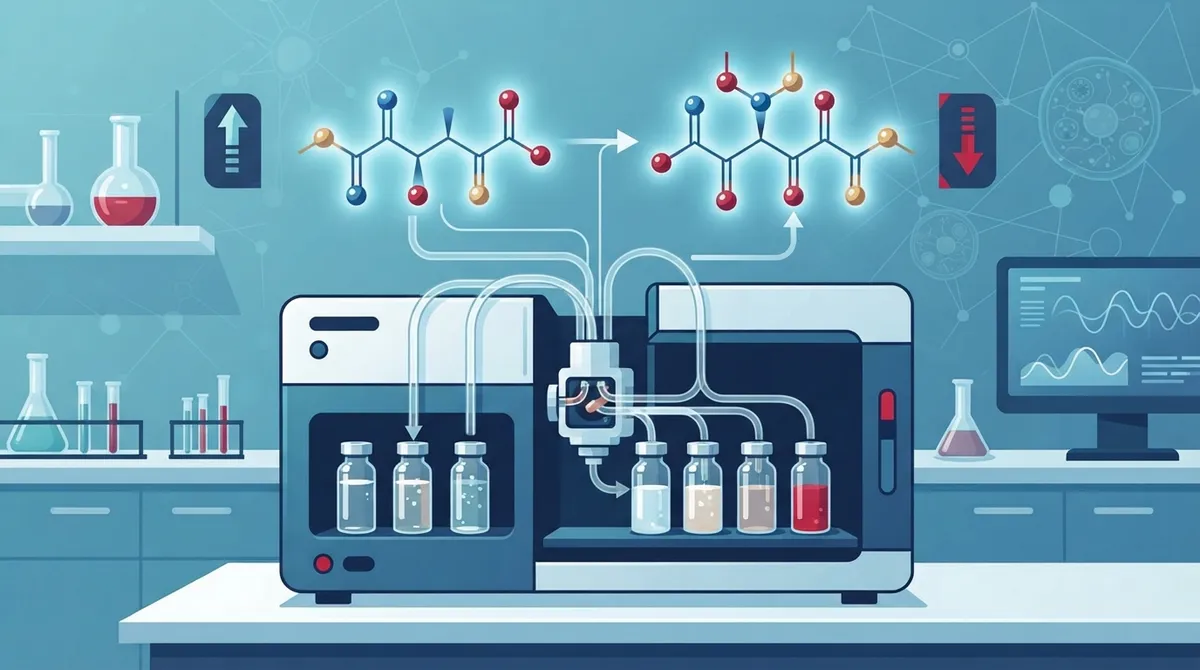
The ratio between these two forms, known as GSH:GSSG, is sometimes used as a marker of redox status. However, it is important to know this ratio is not a stand-alone diagnosis. It does not by itself confirm oxidative stress or measure overall wellness.
2. Testing Can Measure Different Forms of Glutathione
Not all glutathione tests are the same. Labs may measure reduced glutathione alone, total glutathione, oxidized glutathione, or a combination of these markers. The specimen type used also matters quite a bit.
|
Specimen Type |
What It Reflects |
Common Use |
|---|---|---|
|
EDTA Whole Blood |
Intracellular glutathione levels |
Specialized clinical evaluation |
|
Red Blood Cells |
Direct cellular glutathione status |
Suspected synthesis disorders |
|
Plasma or Serum |
Circulating glutathione (much lower levels) |
Research and select clinical uses |
|
Dried Blood Spot |
Commercial/at-home convenience testing |
Wellness screening (limited standardization) |
According to a 2015 whole-blood assay review, glutathione concentrations run approximately 1 to 10 mmol/L inside cells, compared to just 1 to 6 μmol/L in plasma. This large difference explains why the specimen type chosen can dramatically change what a result actually means.
3. This Test Has Specific, Established Medical Uses
In primary care and specialty medicine, glutathione testing is not typically used as a general wellness screen. Instead, it has a narrow set of clinical applications where it provides real diagnostic value.
- Suspected glutathione-synthesis disorders in newborns or children
- Neonatal hyperbilirubinemia (jaundice) evaluation
- Favism, a genetic reaction to certain foods
- Recurrent or unexplained hemolysis (red blood cell breakdown)
- Follow-up jaundice investigations
Mayo Clinic Laboratories reports that reduced glutathione is often less than 25% of the mean normal value in cases of glutamate-cysteine ligase or glutathione synthetase deficiency. These are rare, inherited conditions, not everyday wellness concerns. If you suspect a metabolic or genetic condition, a conversation with a provider at Naveen Paddu Md or another qualified physician is a smart first step.
4. Sample Handling Dramatically Affects Accuracy
One of the biggest challenges with glutathione testing is keeping the sample stable after it is drawn. Reduced glutathione can oxidize or bind to proteins very quickly outside the body. This means results can shift based on how fast the sample was processed.
A 2020 analytical review concluded that GSH/GSSG measurement is not yet a routine clinical parameter because reduced and oxidized forms can interconvert during handling. Several factors influence result accuracy:
- Speed of sample stabilization after collection
- Type of collection tube used
- Temperature control during transport
- Validated laboratory procedures
- Time between draw and analysis
This is why at-home or mail-in dried blood spot tests carry more uncertainty than tests drawn and processed through a coordinated clinical lab, like those used at In-House vs. External Lab Testing Services.
5. Reference Ranges Vary by Lab and Method
There is no single universal "normal" glutathione number. Different labs use different assay methods, which means reference ranges can vary quite a bit from one provider to another.
Mayo Clinic Laboratories lists a reduced glutathione reference interval of 46.9 to 90.1 mg/dL of red blood cells for patients age 12 months and older. Commercial dried-blood-spot companies often publish their own ranges for GSH, GSSG, and the GSH:GSSG ratio. These company-specific ranges are method-dependent and should never be treated as a universal medical standard.
|
Factor |
Potential Impact on Results |
|---|---|
|
White blood cell count above 20 x 10^9/L |
May falsely raise glutathione results by up to 25% |
|
Recent blood transfusion |
Can mask a patient's true enzyme activity |
|
Different lab assay methods |
Produces different reference ranges |
|
Sample handling delays |
Can cause GSH to oxidize into GSSG |
6. A Low or High Result Needs Context, Not Panic
If your glutathione test comes back outside the expected range, it does not automatically mean something is wrong. A low result can be linked to several different factors, and none of them can be confirmed by the number alone.
- Inherited enzyme or synthesis defects
- Oxidative injury from illness or environmental exposure
- Chronic disease processes
- Nutritional or metabolic factors
- Preanalytical issues like sample handling delays
A single glutathione number should never be used to diagnose a condition or justify high-dose supplementation on its own. The most reliable approach pairs testing with a full clinical picture, including your symptoms, medical history, current medications, and a physical exam. This is exactly the kind of thorough, whole-person evaluation you can expect during a What Happens During an Annual Wellness Visit? at InCare.
7. Wellness Testing Should Be Framed as Optional, Not Definitive
For general wellness purposes, glutathione testing is best viewed as one optional data point rather than a defining measure of your health. There is currently no universally accepted cutoff that proves changing your glutathione number will improve fatigue, aging, immune function, or detox capacity.
This does not mean the test has no value. It simply means it works best when ordered thoughtfully, interpreted by a knowledgeable provider, and combined with other tools. At InCare, providers may pair this kind of biomarker discussion with broader assessments such as Dna Gene Testing or Body Composition analysis to build a more complete picture of your health.
How Glutathione Testing Fits Into a Wellness Plan
Many wellness seekers ask about glutathione because they are interested in cellular health, energy, or antioxidant support. If that describes you, testing can be a helpful conversation starter with your provider. It is not, however, a replacement for standard preventive screenings.
Consider these steps before pursuing glutathione testing:
- Discuss your specific health goals with a primary care provider
- Ask which specimen type and lab method will be used
- Understand that results require clinical interpretation
- Avoid self-diagnosing based on a single number
- Explore complementary services like Iv Hydration Vitamin Drips if appropriate for your goals
Patients across Tampa and Riverview trust InCare for exactly this kind of balanced, evidence-based guidance. You can see what current patients say by visiting Visit us on Google — InCare, where the practice maintains a strong reputation for thorough, personalized care.
What to Expect During the Testing Process
If your provider recommends glutathione testing based on your symptoms or history, the process is generally straightforward. A blood sample is drawn, similar to routine lab work. Fasting is typically not required, but your provider will give specific instructions based on the test ordered.
Because sample handling is so important for accuracy, it helps to have your blood drawn at a clinic equipped to process specimens promptly and correctly. This attention to detail is part of what makes coordinated, in-house lab testing valuable for conditions that require precise biomarker tracking.
Working With a Provider Who Understands the Nuances
Given how sensitive glutathione testing is to specimen type, handling, and lab method, working with an experienced primary care team matters. Providers like those at Pramjeet Ahluwalia Md and Teshy John Md can help you decide whether this test is right for your situation, and how to interpret it responsibly if you move forward.
InCare also stays connected with patients through educational content and updates on Facebook, Instagram, and Tik Tok, sharing practical wellness information beyond what you'll find in a single office visit.
Making an Informed Decision About Glutathione Testing
Glutathione levels testing can offer useful insight in specific clinical situations, particularly when there is a suspected synthesis disorder or unexplained hemolysis. For general wellness purposes, it works best as one piece of a larger conversation with a knowledgeable provider, not a stand-alone verdict on your health.
If you're curious whether this test fits your wellness goals, the team at InCare can walk you through the options and help you build a testing plan that actually makes sense for your body. Our locations in Tampa and Riverview offer both in-person and virtual visits to fit your schedule.
Ready to explore your options? Book Your Appointment Today and take the next step toward a personalized wellness plan built around real science, not guesswork.
FAQs
Q: What is a glutathione levels test, and what does it measure?
A: A glutathione levels test measures reduced glutathione, oxidized glutathione, total glutathione, or the GSH:GSSG ratio in a blood sample. It reflects your body's antioxidant activity and cellular redox balance, though results require careful interpretation alongside your broader health picture.
Q: Should healthy people get glutathione levels testing?
A: Glutathione testing is not routinely recommended as a screening test for healthy adults. It is more commonly used in specialized evaluations, such as suspected synthesis disorders or unexplained hemolysis, rather than general wellness screening.
Q: How accurate are at-home or dried-blood-spot glutathione tests?
A: At-home tests can be useful for general tracking, but they carry more uncertainty than clinically drawn samples. Reduced glutathione oxidizes quickly, so proper handling and prompt lab processing are essential for accurate results.
Q: Can supplements or IV glutathione raise my levels?
A: Some supplements and intravenous glutathione may influence circulating levels, but evidence does not establish universally accepted wellness cutoffs or prove that raising a test value improves health outcomes. Discuss any supplementation plan with your provider first.
Q: What can cause a low glutathione result?
A: Low results can be linked to inherited enzyme defects, oxidative injury, chronic disease, nutritional factors, or even sample handling issues. A low number alone should never be used to diagnose a condition without further clinical evaluation.