Key Takeaways
- Current evidence for glutathione in fatty liver disease is limited to only 3 small studies with 109 total participants; enzyme improvements don't prove the disease itself is improving.
- Glutathione is not a proven treatment for advanced liver conditions like cirrhosis, viral hepatitis, or liver cancer, which require evidence-based medical care from specialists.
- Oral, IV, and precursor forms of glutathione differ significantly in absorption and evidence; discuss specific forms with your doctor before starting any glutathione product.
- Proven liver health strategies include blood work screening, weight management, addressing metabolic risk factors, and routine primary care monitoring rather than relying on glutathione alone.
Liver health has become a growing concern for many people in Tampa and Riverview, especially as rates of fatty liver disease continue to climb. Glutathione, a powerful antioxidant made naturally by the body, has gained attention as a possible support tool for liver wellness. But how much of this attention is backed by real science, and how much is hype?
This article breaks down what current research actually shows about glutathione for liver disease. We will look at the evidence, the limits of that evidence, and how a primary care approach can help you protect your liver the right way. If you have abnormal liver enzymes or a diagnosed liver condition, this guide will help you ask better questions at your next visit.
1. What Glutathione Actually Does in Your Liver
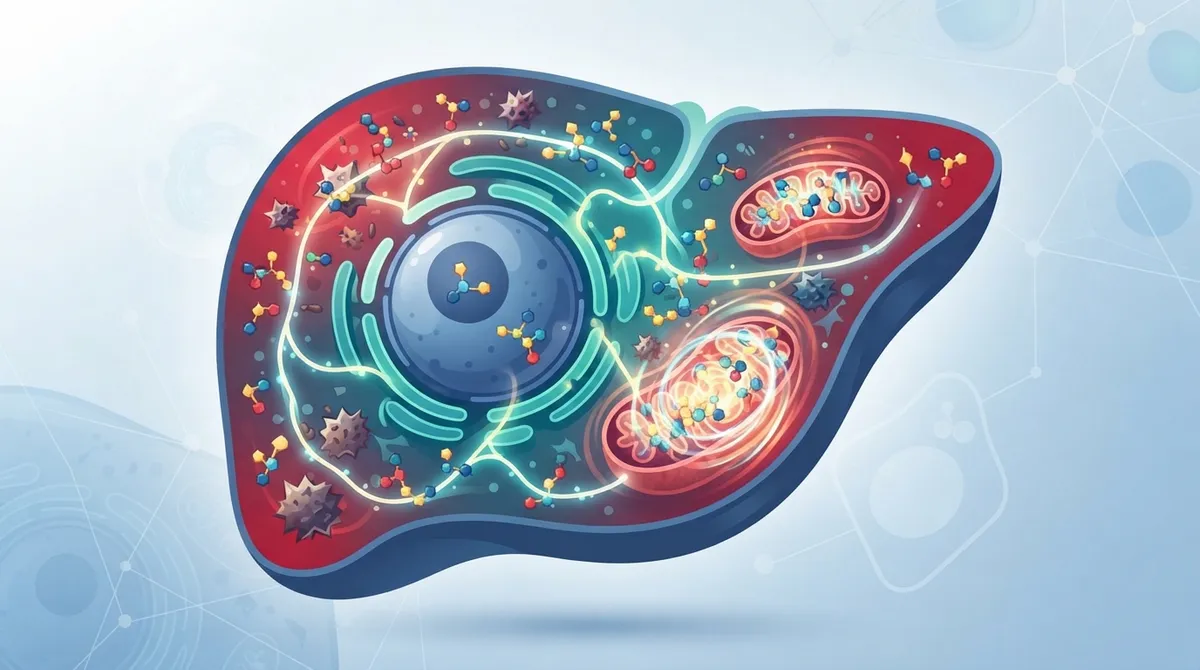
Glutathione (GSH) is often called the body's master antioxidant. It is made from three amino acids and found in nearly every cell, with especially high concentrations in the liver. The liver uses glutathione to neutralize harmful molecules called reactive oxygen species and to support detoxification pathways that break down toxins, medications, and metabolic waste.
Because the liver is the body's main filtering organ, it relies heavily on glutathione to function well. When glutathione levels drop, oxidative stress can build up. Over time, this stress may contribute to liver cell damage. This is why researchers have looked at whether boosting glutathione levels could help protect the liver in people with existing liver conditions.
2. The Strongest Evidence Involves Fatty Liver Disease
Most human research on glutathione and the liver focuses on nonalcoholic fatty liver disease, now called metabolic dysfunction-associated steatotic liver disease, or MASLD. This condition is closely tied to obesity, insulin resistance, and metabolic syndrome, making it a common concern for many primary care patients.
A 2025 literature review looked closely at this topic. It found only three human studies evaluating glutathione for NAFLD, with a combined total of 109 participants. That is a very small sample size for drawing firm conclusions about any treatment.
- The studies were published between 2014 and 2024
- All three studies reported some improvement in liver enzyme levels
- Only two of the three studies found statistically significant reductions in ALT
- Some studies also found reductions in oxidative stress markers like 8-hydroxy-2-deoxyguanosine
These findings are interesting, but they are far from proof that glutathione treats fatty liver disease effectively.
3. Why Small Studies Cannot Support Big Claims
Reducing liver enzymes like ALT and AST is a good sign, but it does not automatically mean a treatment reverses liver disease. Enzyme levels are just one small piece of the full picture of liver health.
Here are three reasons why the current evidence remains limited:
- Small sample sizes make results less reliable and harder to apply to the general population
- The studies used different doses, forms, and treatment lengths, making comparisons difficult
- None of the studies followed patients long enough to know if glutathione affects fibrosis, cirrhosis risk, or long-term survival
As of December 2022, a review of ClinicalTrials.gov found no ongoing or recruiting phase III clinical trials evaluating glutathione for NAFLD. This tells us that large-scale, high-quality research on this topic is still missing.
4. What Glutathione Cannot Do for Advanced Liver Disease
It is important to be clear about the limits of current science. Glutathione is not a proven treatment for several serious liver conditions, including:
- Cirrhosis or advanced liver scarring
- Viral hepatitis B or hepatitis C
- Alcohol-associated liver disease
- Liver cancer
- Acute or chronic liver failure
Major liver health organizations, including the American Association for the Study of Liver Diseases (AASLD), do not list glutathione as a standard first-line therapy for these conditions. Patients with these diagnoses need evidence-based care, which may include antiviral medications, alcohol cessation support, weight management, or specialist monitoring through primary care and gastroenterology teams working together.
5. Oral, IV, and Precursor Forms Are Not the Same
One common misunderstanding is treating all glutathione products as interchangeable. This is not accurate. The table below outlines key differences between common forms.
|
Form |
How It's Taken |
Absorption |
Evidence Level |
|---|---|---|---|
|
Oral Glutathione |
Capsules or tablets |
Limited due to digestive breakdown |
Preliminary, small studies only |
|
Intravenous (IV) Glutathione |
IV infusion |
Bypasses digestion, higher absorption |
Limited long-term data for liver disease specifically |
|
N-Acetylcysteine (NAC) |
Oral or IV precursor |
Converts to glutathione in the body |
More established for specific uses like acetaminophen overdose |
Because these forms differ in dosing, absorption, and evidence, they should not be viewed as identical treatments. Anyone considering glutathione, including through options like IV hydration and vitamin drips, should discuss their goals and health history with a qualified clinician first.
6. What Proven Liver Care Actually Looks Like
While glutathione remains investigational, several strategies have strong evidence behind them for supporting liver health. A primary care visit focused on liver wellness typically includes these steps:
- Blood work to check liver enzymes, including ALT and AST
- A full review of prescription drugs, over-the-counter medications, and supplements
- An honest conversation about alcohol use and metabolic risk factors
- Screening for viral hepatitis when appropriate
- Weight and metabolic health management, since MASLD is closely linked to obesity and insulin resistance
- Vaccination review, including hepatitis A and B vaccines when indicated
- Referral to a liver specialist for ongoing monitoring if disease is confirmed
For patients managing extra weight alongside liver concerns, a structured weight loss program can make a meaningful difference. Losing even a modest percentage of body weight has been shown to improve liver fat and inflammation in people with MASLD.
7. How to Approach Glutathione Safely With Your Doctor
If you are curious about glutathione for liver support, the smartest first step is a conversation with your primary care provider. This is especially true if you already have abnormal liver tests or a known liver condition.
Consider these points before starting any glutathione product:
- Ask whether your liver enzyme levels justify further testing or monitoring
- Discuss whether an underlying cause, like fatty liver, viral hepatitis, or alcohol use, needs to be addressed first
- Review any supplements or medications that could interact with glutathione
- Understand that biomarker changes, like lower ALT, do not always mean a disease is improving
- Ask about realistic expectations and the current limits of the research
A knowledgeable provider can help you separate wellness trends from proven medical treatment. At InCare, our providers take time to walk through your lab results and build a plan based on your actual health needs, not just popular trends.
Building a Complete Liver Wellness Plan
Liver health rarely improves from one single supplement or treatment. It usually takes a combination of approaches working together. This might include routine cancer screenings, metabolic testing, and ongoing management of chronic conditions like diabetes or high cholesterol, which can all affect liver function over time.
InCare also offers advanced tools like DNA gene testing and body composition analysis to give a fuller picture of your metabolic health. These tools can help identify risk factors that contribute to fatty liver disease long before symptoms appear. Patients in Tampa and Riverview looking for a whole-body approach to prevention often find these services useful for catching problems early.
Many patients also follow us on Facebook and Instagram to stay updated on wellness tips, or check our latest updates on Tik Tok. These channels share helpful reminders about screenings, seasonal health tips, and clinic updates.
Why Working With a Primary Care Team Matters
Liver disease often develops quietly, without obvious symptoms until it becomes more advanced. This is why routine primary care visits matter so much. A yearly wellness visit can catch abnormal liver enzymes early, long before more serious damage occurs.
If you live near Tampa or Riverview and want a team that takes a thoughtful, evidence-based approach to liver health, our locations offer convenient access to comprehensive testing and follow-up care. Patients consistently share positive experiences with our team, and you can see what our InCare patients say for yourself by visiting Visit us on Google — InCare.
Moving Forward With Confidence
Glutathione remains a promising area of research for liver wellness, particularly for fatty liver disease. But the current science is still early, based on small studies, and not yet strong enough to replace proven medical care. The smartest path forward combines curiosity about new options with respect for what the evidence actually shows.
If you have concerns about your liver health or want a personalized plan built on solid science, our team is ready to help. Reach out to our care team today or schedule your appointment online to start building a liver wellness plan that fits your life.
FAQs
Q: Can glutathione help fatty liver or MASLD?
A: Small human studies suggest glutathione may improve liver enzymes and reduce oxidative stress markers in people with fatty liver disease. However, only three studies with 109 total participants have been reviewed, so more research is needed before firm recommendations can be made.
Q: Does glutathione lower ALT and AST levels?
A: Some studies show ALT improvements with glutathione use, though not all results reached statistical significance. Enzyme improvement alone does not confirm that liver disease itself is improving.
Q: Can glutathione reverse cirrhosis or liver fibrosis?
A: No current evidence supports glutathione as a treatment that reverses cirrhosis or fibrosis. Advanced liver disease requires evidence-based medical care and specialist monitoring.
Q: Are glutathione injections better than oral supplements for liver health?
A: IV glutathione bypasses digestion and may absorb better than oral forms, but this does not mean it is proven more effective for liver disease. Both forms have limited long-term research specific to liver conditions.
Q: What should I do first if I have abnormal liver tests?
A: Schedule a visit with a primary care provider to identify the underlying cause of abnormal liver enzymes. This may include reviewing alcohol use, medications, weight, and metabolic health before considering any supplement.