Key Takeaways
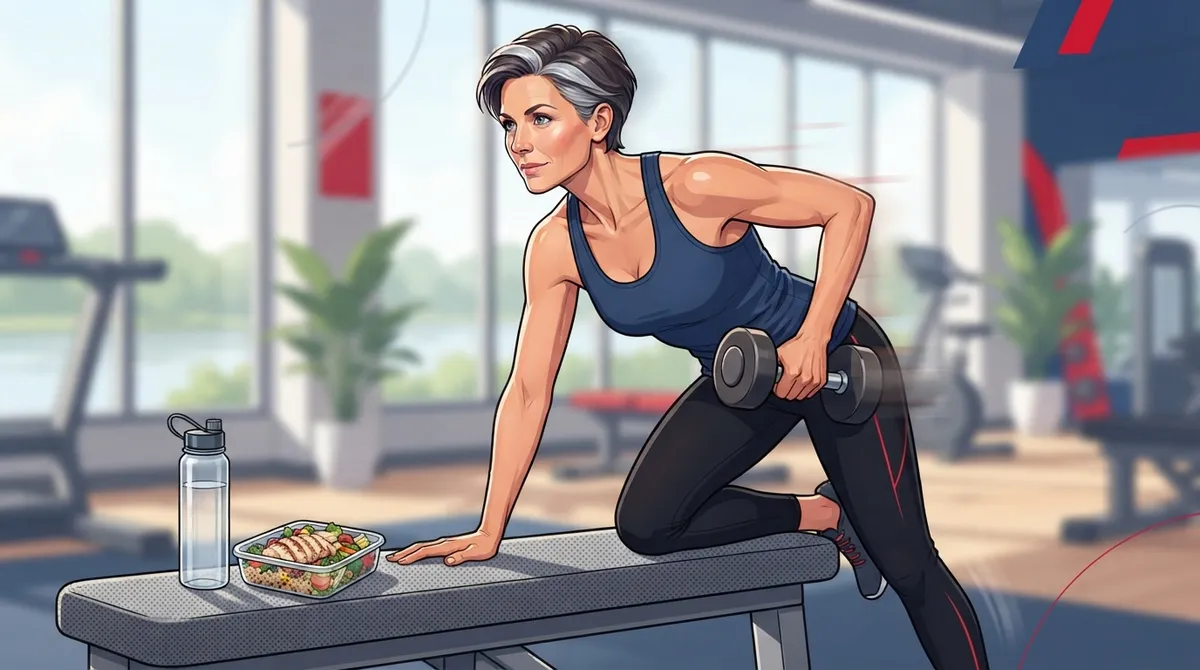
- Prioritize strength training 2-3 times weekly over cardio alone, as it counteracts natural muscle loss and metabolic slowdown that occurs after 50.
- Get a medical evaluation before starting weight loss, as underlying conditions like hypothyroidism, insulin resistance, and medications can sabotage efforts regardless of diet and exercise discipline.
- Increase protein intake at every meal rather than concentrating it in one sitting to better support muscle preservation and control appetite throughout the day.
- Aim for gradual weight loss of 1-2 pounds per week instead of rapid diets, which preserves muscle mass and creates sustainable, long-term results for adults over 50.
- Combine 150 minutes of moderate cardio weekly with proper hydration of about 11.5 cups daily, as both support metabolism and help curb unnecessary snacking.
- Schedule regular primary care follow-ups to monitor progress, adjust plans based on lab work, and manage chronic conditions and medications that affect weight loss success.
Losing weight after 50 feels different than it did at 30. Your metabolism slows down. Muscle mass naturally declines. Hormones shift. And life gets busier with careers, grandchildren, and health concerns that demand attention. If you have tried the same diet tricks that worked in your younger years and found them falling flat, you are not imagining things. Weight loss after 50 requires a different approach, one grounded in medical guidance rather than guesswork.
For Riverview residents ready to take control of their health, understanding why this stage of life is different is the first step toward lasting results. This guide breaks down six proven strategies backed by current research, along with how a primary care partnership can make the process safer and more effective. Whether you are managing menopause-related changes, a slowing metabolism, or a medication that affects your weight, the right support matters. InCare's weight loss programs are designed specifically to address these age-related challenges with personalized, medically supervised care.

Why Weight Loss After 50 Is Different
Many people over 50 notice the scale moving in the wrong direction even without changing their habits. This is not a coincidence. Several biological factors work against older adults trying to shed pounds.
Muscle mass naturally decreases with age, a process called sarcopenia. Less muscle means a slower resting metabolism, since muscle burns more calories than fat even at rest. Combine that with reduced activity levels, hormonal shifts like menopause or declining testosterone, and it becomes clear why the old rules no longer apply.
According to government dietary guidelines highlighted by AARP, adults over 50 typically need to burn approximately 200 fewer calories per day compared to their younger years just to maintain the same weight. This makes portion control and activity levels even more important than before.
Common Contributors to Weight Gain After 50
- Age-related loss of muscle mass and strength
- Slower metabolic rate requiring fewer daily calories
- Hormonal changes, including menopause and lower testosterone
- Reduced physical activity due to joint pain or busy schedules
- Certain medications that affect appetite or metabolism
- Underlying medical conditions like hypothyroidism or insulin resistance
This is exactly why a primary care evaluation should be the starting point, not an afterthought, when planning a weight loss strategy after 50.

6 Strategies for Weight Loss After 50 in Riverview
These six approaches are supported by current research and are the foundation of medically guided weight management programs for adults over 50.
1. Prioritize Strength Training Over Cardio Alone
Cardio has its place, but strength training becomes essential after 50. Building and preserving muscle mass helps counteract the natural metabolic slowdown that comes with aging. AARP recommends two to three strength-training sessions per week for older adults working on weight loss.
Resistance exercises such as weightlifting, resistance bands, or bodyweight movements like squats and push-ups all count. The goal is consistency, not intensity. Even light strength training performed regularly produces measurable improvements in body composition over time.
2. Meet the Recommended Cardio Benchmark
The Centers for Disease Control and Prevention recommends at least 150 minutes of moderate-intensity aerobic activity each week. This benchmark, cited by AARP as particularly relevant for older adults, supports heart health while assisting with calorie balance.
Walking, swimming, cycling, and low-impact aerobics all qualify. Breaking this into manageable 20 to 30 minute sessions across the week makes the goal far less intimidating.
3. Increase Protein Intake at Every Meal
Protein becomes especially important for adults over 50. It supports muscle maintenance, helps preserve strength, and increases feelings of fullness that reduce overeating. Nutrition experts consistently recommend prioritizing a protein source at breakfast, lunch, and dinner rather than saving it for one meal.
Lean meats, eggs, fish, legumes, and dairy products are excellent options. Spreading protein intake evenly throughout the day appears to be more effective for muscle preservation than consuming most of it in a single meal.
4. Stay Consistently Hydrated
Hydration plays a bigger role in weight management than many people realize. Women's Health research cites a common target of about 11.5 cups, or roughly 2.7 liters, of fluid per day for adults. Proper hydration supports metabolism, curbs unnecessary snacking, and helps the body function efficiently during exercise.
Older adults sometimes experience a diminished sense of thirst, making it easy to become mildly dehydrated without noticing. Setting reminders or carrying a water bottle throughout the day in Riverview's warm climate can help maintain steady hydration habits.
5. Aim for Gradual, Sustainable Weight Loss
Quick-fix diets rarely produce lasting results, and they can be particularly risky for older adults. The National Council on Aging notes that a steady pace of about one to two pounds per week is a safer and more sustainable target for adults over 50.
This gradual pace allows the body to adjust without excessive muscle loss, nutrient deficiencies, or metabolic slowdown. Patience paired with consistency produces results that last far longer than rapid weight loss achieved through severe calorie restriction.
6. Get a Medical Evaluation Before Starting
Perhaps the most overlooked step is a proper medical evaluation. Conditions such as hypothyroidism, insulin resistance, and certain medications can all interfere with weight loss efforts, regardless of how disciplined someone is with diet and exercise.
A primary care clinic near you in Tampa and Riverview can run the necessary labs, review current prescriptions, and identify any underlying barriers to progress. This step alone can save months of frustration for people who feel stuck despite their best efforts.
Comparing Weight Loss Approaches for Adults Over 50
The table below compares common approaches to weight loss after 50, highlighting where medical supervision adds the most value.
ApproachTypical ResultsMedical Oversight NeededSelf-directed diet and exerciseVariable, often slower due to unaddressed hormonal or metabolic factorsOptional but recommendedStructured lifestyle program with strength training and nutrition guidanceSteady 1-2 lbs per week, improved body compositionRecommended for tracking progressMedically supervised weight loss with lab work and medication supportMore consistent results, addresses underlying conditionsEssential
Steps to Start a Medically Supervised Weight Loss Plan
Getting started with a structured plan does not need to be complicated. Follow these steps to build a foundation for lasting success.
- Schedule a comprehensive evaluation with a primary care provider to review labs, medications, and overall health status
- Discuss family history and any conditions that may be affecting metabolism or weight
- Set a realistic weekly weight loss goal of one to two pounds
- Incorporate two to three strength-training sessions weekly alongside 150 minutes of cardio
- Adjust protein intake to include a source at every meal
- Track hydration and aim for roughly 11.5 cups of fluid daily
- Schedule follow-up visits to monitor progress and adjust the plan as needed
InCare's providers, including those featured on the providers page, work with patients to build individualized plans rather than one-size-fits-all diets. This personalized approach reflects the whole-body philosophy that defines InCare's model of care.
How Primary Care Supports Long-Term Success
Weight loss after 50 is rarely just about food and exercise. It often involves managing chronic conditions, adjusting medications, and monitoring biomarkers like blood pressure and cholesterol along the way. This is where ongoing primary care becomes invaluable.
Additional Tools That Support Weight Management
Beyond the basics, several advanced tools can help refine a weight loss strategy for adults over 50.
- Body composition analysis using 3D imaging to track muscle versus fat changes over time
- Metabolic breath analysis to understand how efficiently the body burns calories
- DNA gene testing to reveal genetic predispositions related to metabolism and weight
- IV hydration and vitamin drips to support energy levels during lifestyle changes
These tools, paired with regular checkups, allow providers to fine-tune a plan based on real data rather than assumptions. For Riverview residents seeking this level of personalized care, exploring options like a weight loss doctor in Riverview offering personalized plans can be a valuable next step.
Common Obstacles and How to Overcome Them
Even with a solid plan, obstacles arise. Here is how to address the most frequent challenges adults over 50 face during weight loss.
ObstaclePractical SolutionJoint pain limiting exercise optionsLow-impact activities like swimming, cycling, or water aerobicsPlateaus despite consistent effortMedical evaluation to check thyroid function and metabolic rateMedication side effects affecting weightReview current prescriptions with a primary care providerLack of time for meal planningSimple meal prep focused on protein and vegetablesPoor sleep affecting hunger hormonesAddress sleep hygiene and discuss options with a provider
Sleep and stress management deserve particular attention. Both directly affect hormones that regulate hunger and fat storage, making them just as important as diet and exercise for adults over 50.
When Medication May Be an Option
Lifestyle changes remain the foundation of any weight loss plan, but for some adults over 50, medication can provide additional support. A 2026 Forbes report notes that women over 50 may benefit from combining lifestyle changes with medication in certain cases, reflecting the current landscape of clinical weight-loss options.
This is a conversation best had directly with a primary care provider who understands your full medical history. Not every patient needs medication, but for those who do, medical supervision ensures safety and proper monitoring throughout treatment.
Patients considering this path should get in touch with InCare's team to discuss whether their weight loss goals might benefit from a combined approach. You can also review the experiences of other patients by visiting InCare's testimonials page or checking out InCare's Riverview location on Google to see firsthand accounts from the community.
Building Habits That Last Beyond 50
The strategies outlined here are not quick fixes. They are sustainable habits designed to support health well into the decades ahead. Consistency matters more than perfection, and small, steady changes compound over time into meaningful results.
Staying connected with a trusted healthcare team makes this process far more manageable. Regular checkups, lab monitoring, and open conversations about progress keep patients accountable and informed. For additional guidance on staying healthy at every life stage, resources from the Centers for Disease Control and Prevention and the National Institute on Aging offer well-researched, trustworthy information worth exploring.
InCare also shares helpful tips and patient stories on Facebook and Instagram, giving Riverview residents another way to stay engaged with their health journey.
Take the Next Step Toward Healthy Weight Loss
Weight loss after 50 does not have to feel like an uphill battle fought alone. With the right combination of strength training, proper nutrition, hydration, and medical guidance, meaningful progress is absolutely achievable. InCare's Riverview team is ready to build a personalized plan that accounts for your unique health history, goals, and lifestyle.
Ready to get started? Book your appointment today and take the first step toward a healthier, more confident you.
FAQs
Q: Why is it harder to lose weight after 50?
A: Weight loss becomes harder after 50 due to natural muscle loss, a slower metabolism, and hormonal shifts like menopause or declining testosterone. Government dietary guidelines suggest adults over 50 need roughly 200 fewer calories per day just to maintain their weight, making portion control and strength training more important than ever.
Q: What is the best diet for weight loss after 50?
A: The most effective approach emphasizes protein at every meal, balanced portions, and gradual calorie reduction rather than restrictive fad diets. Combining proper nutrition with strength training and regular medical checkups produces safer, more sustainable results than diet alone.
Q: How much protein should adults over 50 eat for weight loss?
A: Experts recommend prioritizing a protein source at every meal, including breakfast, lunch, and dinner, rather than concentrating it in one sitting. This approach supports muscle maintenance and helps control appetite throughout the day.
Q: Can primary care doctors help with weight loss after 50?
A: Yes, primary care providers can identify underlying medical conditions, review medications, and create personalized weight loss plans based on lab work and health history. This medical oversight often makes the difference between frustrating plateaus and steady, lasting progress.
Q: What is a safe rate of weight loss for older adults?
A: The National Council on Aging recommends a pace of about one to two pounds per week as a safe and sustainable target for older adults. This gradual approach helps preserve muscle mass and supports long-term success rather than rapid, unsustainable results.