
Key Takeaways
- MOTS-c is not FDA-approved for any condition and lacks established long-term human safety data; products sold online may have uncertain purity, sterility concerns, and unknown risks including potential liver and kidney effects.
- Current human evidence only shows associations between MOTS-c levels and age/weight/diabetes, not proof that taking it extends lifespan or improves health; most supportive data comes from animal studies that don't reliably predict human outcomes.
- Proven longevity strategies like regular exercise, quality sleep, blood pressure management, smoking cessation, and cancer screenings have decades of solid human research backing them and outperform unproven experimental peptides.
- Always consult your primary care provider before considering MOTS-c; ask about FDA approval status, known/unknown risks, product purity testing, and proven alternatives that could achieve your health goals.
MOTS-c has become a buzzword in wellness circles across Tampa and Riverview. Patients ask about it during checkups, hoping it might slow aging or fix stubborn metabolic problems. But what does the science actually say? This peptide is fascinating, yet it is still deep in research territory. Before you consider any treatment tied to "longevity," you deserve honest, clear facts. This guide breaks down what MOTS-c is, what studies show, and why your primary care team should be part of any decision you make about it.
1. MOTS-c Is a Tiny Peptide Made Inside Your Mitochondria
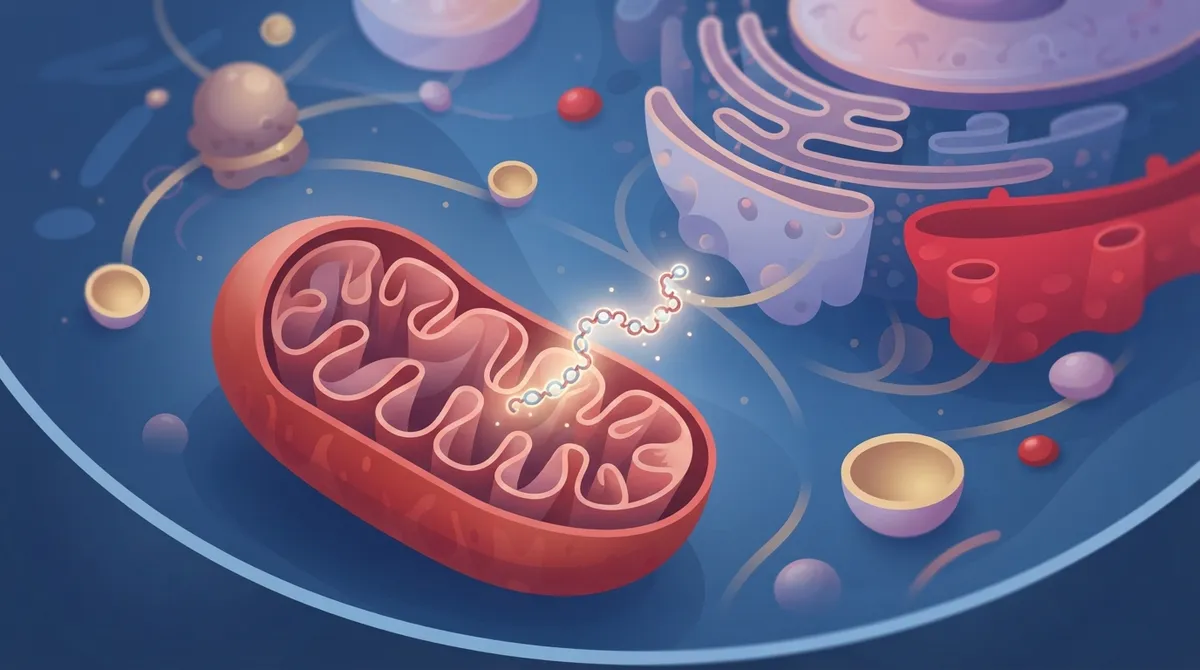
MOTS-c is a small chain of 16 amino acids. Scientists discovered it comes from a short piece of genetic code inside your mitochondrial DNA, specifically the 12S rRNA gene (Lee et al., Cell Metabolism, 2015). Mitochondria are the tiny power plants inside your cells. They turn food into usable energy.
What makes MOTS-c interesting is that it appears to help mitochondria talk to the nucleus of the cell. This communication may affect how your body handles stress, blood sugar, and even inflammation. It is a natural part of human biology, not a synthetic drug invented in a lab from scratch.

2. Early Research Links It to Metabolism and Exercise Response
Lab studies suggest MOTS-c may play a role in several body processes. Researchers have looked at its connection to:
- Blood sugar regulation and insulin sensitivity
- AMPK signaling, a pathway tied to energy balance
- The body's response to oxidative stress
- Inflammation control
- Mitochondrial function and cellular energy output
- Physical performance during exercise
A 2022 review in peer-reviewed literature summarized these findings but was clear that most of the evidence remains preclinical. That means it comes from lab and animal studies, not large human trials.
3. Mouse Studies Show Promise, But Mice Are Not People
Some of the most talked-about MOTS-c research comes from animal studies. In one study summarized by Kong et al. (Endocrinology and Metabolism, 2023), older mice given MOTS-c for two weeks showed improved physical performance. Other mouse research found better glucose regulation after treatment.
These results are exciting for scientists. They open doors for future human research. But mouse biology does not always predict what happens in people. A treatment that works well in a lab mouse may act very differently in a human body. This is a critical distinction any responsible primary care provider will explain clearly.
4. Human Studies Show Associations, Not Proof of Benefit
Some human research has looked at natural MOTS-c levels in the blood. These studies found links between MOTS-c and age, body weight, diabetes, and exercise habits. This kind of research is called observational. It shows patterns, but it does not prove cause and effect.
A 2023 review even reported that certain MOTS-c gene variants were linked to human lifespan in genetic studies. That sounds impressive, but it does not mean taking MOTS-c as a supplement or injection will make you live longer. Association is not the same as treatment effect. This distinction matters a lot when you are making health decisions.
According to a recent evidence review from PeptideMark's 2026 longevity peptide analysis, the gap between promising lab data and proven human outcomes remains wide for MOTS-c and similar compounds.
What the Current Evidence Does Not Show
It is just as important to know what has not been proven. As of now, there is no strong body of randomized clinical trial evidence showing that MOTS-c:
- Extends human lifespan
- Increases healthspan, or years lived in good health
- Prevents any specific disease
- Reverses biological aging in people
Without this kind of solid clinical proof, any product marketed as a proven longevity treatment should be viewed with real caution.
5. MOTS-c Is Not FDA Approved and Carries Unknown Risks
This is one of the most important facts for Tampa and Riverview patients to understand. MOTS-c is not approved by the FDA for longevity, weight loss, diabetes, or any other medical condition. It remains an investigational compound.
Products sold online or through unregulated clinics may have serious quality problems. These can include:
- Uncertain purity and actual concentration
- Sterility concerns with injectable forms
- No verified long-term human safety data
- Possible immune reactions or injection site issues
- Unknown effects on liver and kidney function
- Unclear interactions with other medications
- No safety information for pregnancy
Long-term activation of pathways like AMPK is also not fully understood. What seems helpful in a short study might carry risks over years of use. This is why working with a licensed healthcare provider matters so much when evaluating any experimental peptide.
|
Claim About MOTS-c |
What Evidence Actually Shows |
|---|---|
|
Extends human lifespan |
Not demonstrated in human clinical trials |
|
Improves insulin sensitivity |
Suggested in animal and lab studies only |
|
FDA approved for anti-aging |
False; no FDA approval for any indication |
|
Safe for long-term use |
Unknown; no established human safety database |
|
Has a standard dose |
No validated clinical dosing protocol exists |
6. Proven Longevity Strategies Still Outperform Experimental Peptides
Here is the good news. You do not need an unproven peptide to support a longer, healthier life. Primary care medicine already has tools backed by decades of solid human research. These include:
- Regular physical activity, including strength training
- Consistent, quality sleep
- Blood pressure and cholesterol management
- Diabetes prevention and blood sugar control
- Staying current on vaccinations
- Quitting smoking and reducing alcohol intake
- Getting appropriate cancer screenings on schedule
These approaches have real outcome data behind them. They are also things a skilled primary care physician can help you build into daily life, step by step, without guesswork.
How InCare Approaches Emerging Wellness Trends
At InCare, patients often bring up trending topics like MOTS-c during visits. Our approach is to give straight answers, not hype. We combine advanced tools like DNA gene testing, body composition analysis, and metabolic breath analysis with proven medical guidance. This helps patients in Tampa and Riverview make informed choices instead of chasing unverified claims.
If you are curious about peptide therapy in general, our team can walk you through what is supported by research and what remains experimental. Learn more about our approach to peptide therapy in Tampa and how it fits into a broader wellness plan.
Curious patients also follow health updates through our social channels, including Facebook, Instagram, and TikTok, where we share evidence-based wellness tips. Many local patients also check reviews from InCare patients on Google before scheduling their first visit.
Questions to Ask Before Considering Any Longevity Peptide
If you are thinking about MOTS-c or similar compounds, bring these questions to your next appointment:
- What does current research actually show for this specific peptide?
- Is this treatment FDA approved for my condition?
- What are the known and unknown risks?
- How is the product tested for purity and safety?
- Are there proven alternatives that could help me reach the same goal?
A trustworthy clinic will never pressure you into an unproven treatment. Instead, they will help you weigh the evidence and choose what fits your health needs and goals.
Final Thoughts on MOTS-c and Longevity
MOTS-c is a genuinely interesting area of science. It may one day lead to real treatments for metabolic disease or aging-related decline. But right now, the human evidence is not there yet. Claims about extending lifespan or reversing aging are not supported by strong clinical trials.
Your best path to a longer, healthier life still runs through proven primary care strategies. Regular checkups, smart lifestyle choices, and appropriate screenings offer real, measurable benefits today. If you want to talk through your options with a provider who values honesty over hype, our team at InCare in Tampa and Riverview is ready to help. You can reach out to our care team with your questions, or go ahead and schedule your appointment today to start building a wellness plan grounded in real science.
FAQs
Q: What is MOTS-c and how does it relate to longevity?
A: MOTS-c is a small peptide made from mitochondrial DNA that helps cells communicate and manage energy. Researchers are studying its potential role in metabolism and aging, but no human studies have confirmed it extends lifespan or healthspan.
Q: Does MOTS-c extend lifespan or healthspan in humans?
A: No strong clinical trial evidence currently shows that MOTS-c extends lifespan or healthspan in people. Most supportive data comes from animal and lab studies, which cannot be directly applied to human outcomes.
Q: Is MOTS-c FDA approved for anti-aging, weight loss, or diabetes?
A: MOTS-c is not FDA approved for any medical condition, including anti-aging, weight loss, or diabetes. It remains an investigational compound without an established clinical dosing standard.
Q: Is MOTS-c safe, and what are its possible side effects?
A: The long-term safety of MOTS-c in humans has not been established. Potential risks include immune reactions, injection-related complications, and unknown effects on liver and kidney function.
Q: Can MOTS-c replace exercise, nutrition, or approved metabolic treatments?
A: No, MOTS-c cannot replace proven strategies like exercise, balanced nutrition, or approved medical treatments. These established approaches have substantial human outcome evidence supporting their use in primary care.