
Key Takeaways
- Kisspeptin remains investigational and not approved for routine fertility treatment; early clinical trials show promise for IVF triggers with potentially fewer side effects, but it has not replaced standard protocols.
- Do not purchase kisspeptin products online labeled as 'research chemicals'—these are unregulated, untested for purity, and carry serious health risks without medical supervision.
- Kisspeptin may help restore hormone signaling in functional hypothalamic amenorrhea and shows potential as an alternative IVF trigger with lower ovarian hyperstimulation syndrome risk, but larger trials are needed.
- Kisspeptin research has not yet produced approved treatments for PCOS, weight loss, or general wellness despite marketing claims linking the hormone to these conditions.
- Kisspeptin affects male testosterone production and sperm development, but current low-testosterone treatments are established and proven; kisspeptin therapy for men remains experimental.
- Emerging kisspeptin research shows potential for menopause and puberty-related symptoms, but these applications remain under clinical investigation and not part of standard care today.
Kisspeptin research has moved from quiet lab studies to headline health news in just a few years. Patients now ask their doctors about this hormone and wonder if it could help with fertility, weight, or hormone balance. But with new science comes new confusion, and many people misread what the research actually shows.
At InCare, our primary care team believes patients deserve clear, honest facts about emerging science like kisspeptin. This article breaks down six common mistakes people make when reading kisspeptin research. You will learn what the science really says, where it falls short, and how to talk with your doctor about hormone health the right way.
What Is Kisspeptin and Why Does It Matter?
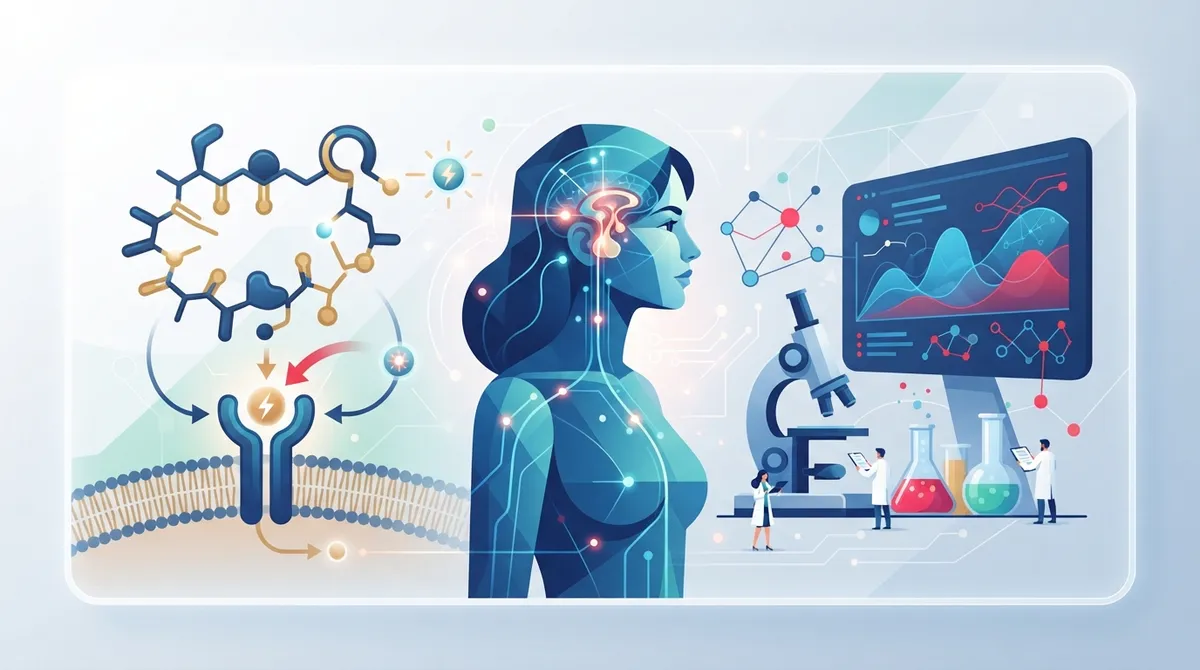
Kisspeptin is a natural hormone made in the brain. It comes from a gene called KISS1. This hormone acts like a switch that turns on another hormone system called GnRH.
GnRH controls many parts of your reproductive health. It affects puberty, menstrual cycles, ovulation, and testosterone levels. Think of kisspeptin as the messenger that tells your body when it is time to start these processes.
Researchers have studied kisspeptin closely because it sits at the center of the hypothalamic-pituitary-gonadal axis. This is the hormone pathway that links your brain to your reproductive organs. A 2025 review in Physiological Reviews called kisspeptin and a related hormone, neurokinin B, key players in this system. They help regulate puberty, monthly cycles, pregnancy, menopause, and even bone health.

Mistake 1: Believing Kisspeptin Is an Approved Fertility Treatment
Many people assume kisspeptin is already a proven fertility drug. This is not true. Kisspeptin remains an investigational treatment. That means it is still being tested in clinical trials and has not been approved for routine use.
Some early studies show promise. Human research suggests kisspeptin can trigger the release of luteinizing hormone (LH). This hormone plays a key role in ovulation. In patients with certain conditions, like functional hypothalamic amenorrhea, kisspeptin may help restore hormone signals.
But promise is not the same as proof. A 2025 review noted that kisspeptin has not yet become part of standard fertility care. Phase 1 and phase 2 trials are still checking safety and how well it works.
What This Means for You
If you are struggling with fertility, do not seek out kisspeptin products sold online. These are not medically supervised and carry real risks. Instead, talk to a licensed provider about proven options for your specific situation.
Mistake 2: Confusing Kisspeptin Triggers With Standard IVF Protocols
In vitro fertilization (IVF) uses trigger shots to help eggs mature before retrieval. Traditional triggers include hCG or GnRH agonists. Some researchers are now studying kisspeptin as a possible alternative trigger.
Early clinical studies reviewed by the Japan Endocrine Society found interesting results. Oocyte maturation and pregnancy outcomes were similar between kisspeptin and standard triggers. Even better, fewer patients in the kisspeptin groups had moderate or severe ovarian hyperstimulation syndrome (OHSS). This is a painful and sometimes dangerous side effect of fertility treatment.
Still, this does not mean kisspeptin has replaced standard triggers. It has not been added to routine IVF protocols yet. The data looks encouraging, but more large-scale trials are needed before this becomes common practice.
Key Differences: Kisspeptin vs. Standard IVF Triggers
|
Factor |
Standard Triggers (hCG/GnRH agonist) |
Kisspeptin Trigger (Investigational) |
|---|---|---|
|
Approval Status |
Widely approved and used |
Still in clinical trials |
|
OHSS Risk |
Higher risk reported |
Lower risk reported in early studies |
|
Pregnancy Outcomes |
Well established |
Comparable in early trials |
|
Availability |
Standard in most clinics |
Not yet available outside research |
Mistake 3: Ignoring the Kisspeptin-PCOS Connection Complexity
Polycystic ovary syndrome (PCOS) affects millions of women and often disrupts ovulation. Some patients hear that kisspeptin research touches on PCOS and assume there is already a treatment ready to use.
The truth is more nuanced. Scientists are studying how kisspeptin neurons interact with metabolic signals in women with PCOS. This research explores why ovulation becomes irregular and how hormone signaling breaks down.
These studies are helping researchers understand PCOS better. But understanding a mechanism is different from having a treatment. No kisspeptin-based PCOS therapy exists in routine care today.
Common Questions Patients Ask About PCOS and Kisspeptin
- Does kisspeptin cause PCOS? No, current evidence does not support this claim.
- Can kisspeptin levels predict PCOS severity? Research is ongoing, but this is not yet a diagnostic tool.
- Will kisspeptin therapy fix irregular cycles from PCOS? Not currently proven or approved.
- Should I ask for a kisspeptin test if I have PCOS symptoms? Discuss this with your provider, but know it is not a standard test yet.
If you suspect PCOS, a thorough annual wellness visit and proper hormone testing remain the best first steps.
Mistake 4: Assuming Kisspeptin Helps With Weight Loss or General Wellness
Because kisspeptin neurons respond to energy levels in the body, some wellness marketers claim it can help with weight management. This claim overstates the science.
Research does show a link between kisspeptin and energy balance. A 2025 review in Cell Biochemistry and Biophysics described kisspeptin signaling as possibly anorexigenic, meaning it may reduce appetite in certain contexts. The hormone appears to help the body coordinate energy status with reproductive function.
But this is not evidence that kisspeptin works as a weight-loss treatment. No clinical trials support using kisspeptin for that purpose. If you are looking for a real, medically supervised approach to weight management, InCare's weight loss programs use proven strategies backed by science, not unproven peptides.
Steps to Take Instead of Chasing Unproven Peptide Claims
- Schedule a consultation with a primary care provider to discuss your weight goals.
- Ask about body composition testing to get a clear picture of your health.
- Request lab work to check thyroid, metabolic, and hormone levels.
- Discuss FDA-approved options that have proven safety and effectiveness data.
- Build a plan that includes nutrition, activity, and medical support.
- Follow up regularly to track progress and adjust your plan as needed.
Mistake 5: Overlooking the Link Between Kisspeptin and Male Hormone Health
Most kisspeptin discussions focus on women's fertility, but this hormone matters for men too. Kisspeptin signaling affects testosterone production and sperm development through the same GnRH pathway.
Research is examining kisspeptin's role in male hypogonadotropic hypogonadism. This is a condition where the brain does not send proper signals to the testes, leading to low testosterone. Some studies suggest kisspeptin administration might help restore signaling in select patients.
However, this remains experimental. Men experiencing symptoms of low testosterone should not wait for kisspeptin therapy to become available. Established options already exist and can be discussed during a visit with our providers.
Signs You Should Discuss Hormone Testing With Your Doctor
- Ongoing fatigue that does not improve with rest
- Low sex drive or difficulty with fertility
- Unexplained changes in muscle mass or body fat
- Mood changes, including irritability or low motivation
- Difficulty concentrating or brain fog
- Irregular menstrual cycles in women
Mistake 6: Trusting Unregulated "Research Peptide" Products
Perhaps the most dangerous mistake is buying kisspeptin products marketed online as research chemicals. These products are not regulated, not tested for purity, and not approved for human use outside of clinical trials.
Kisspeptin treatments remain investigational. There are no standardized dosing protocols or broadly approved kisspeptin medicines for infertility, hormone optimization, or wellness. Using these products without medical oversight puts your health at serious risk.
Why Unregulated Peptides Are Risky
|
Risk Factor |
Why It Matters |
|---|---|
|
No Purity Testing |
Products may contain contaminants or incorrect dosages |
|
No Medical Supervision |
No one is monitoring for side effects or interactions |
|
Unknown Long-Term Effects |
Research on safety over time is still limited |
|
Legal Gray Areas |
Marketing often skirts FDA rules by labeling products "for research only" |
Instead of buying peptides online, work with a trusted clinic. Our peptide therapy program in Tampa follows medical guidance and uses only appropriate, supervised approaches.
How Kisspeptin Research Connects to Menopause and Puberty
Kisspeptin research extends beyond fertility. Scientists are also studying its role in menopause symptoms, like hot flashes, and in puberty timing for children.
The 2025 Physiological Reviews article reported that kisspeptin and neurokinin B systems are being investigated as targets for menstrual abnormalities, PCOS, and menopausal hot flashes. These are exciting areas of study, but they remain under clinical investigation, not routine care.
If you are noticing symptoms tied to puberty timing in a child, or menopause symptoms in yourself, a visit with a primary care provider is the right first step. Our team can guide you through DNA gene testing and other tools to better understand your hormone health.
How InCare Approaches Emerging Hormone Research
At InCare, we stay current with hormone science, including kisspeptin research, so we can give patients honest, evidence-based guidance. We do not push unproven treatments. Instead, we focus on what is medically supported today while keeping an eye on tomorrow's science.
Our providers, including Dr. Naveen Paddu, Dr. Pramjeet Ahluwalia, and Dr. Teshy John, take time to explain complex topics in simple terms. Patients in Tampa and Riverview trust our team because we combine advanced technology with honest, personalized care.
Many of our patients follow us on Facebook and Instagram to stay updated on new wellness topics. You can also see real patient experiences by checking out our reviews and learning how we support whole-body health through every stage of life.
What to Ask Your Doctor About Kisspeptin Research
If you want to bring up kisspeptin research at your next visit, come prepared with clear questions. This helps your provider give you the most useful, accurate information.
- Ask if your symptoms suggest a hormone imbalance worth testing.
- Ask what current, approved treatments exist for your specific concern.
- Ask how emerging research like kisspeptin might apply to your case in the future.
- Ask about safe, supervised options if you are interested in peptide therapy.
- Ask what lifestyle changes could support your hormone health right now.
Being an informed patient helps you make better choices. It also helps you avoid wasting money or risking your health on unproven products.
Why Choosing the Right Clinic Matters
Not every clinic keeps up with fast-moving research like kisspeptin studies. Choosing a provider who understands both the promise and the limits of new science protects your health and your wallet.
InCare combines primary care expertise with modern wellness tools. We serve patients across Tampa and Riverview who want honest answers about hormone health, fertility concerns, and emerging treatments. You can read what our patients say and visit us on Google — InCare to see our current reviews and ratings.
We also share educational content on Tik Tok to help patients stay informed between visits. Our goal is simple: give you real facts, not hype, about topics like kisspeptin research.
Take the Next Step With Confidence
Kisspeptin research offers real hope for the future of fertility and hormone care. But today, it remains investigational, not a ready-made solution. Avoiding these six common mistakes helps you make smarter, safer choices about your health.
If you have questions about hormone health, fertility, or any of the science behind kisspeptin, our team is ready to help. Reach out to our team today to schedule a conversation, or go ahead and book your appointment now to start your journey toward clear answers and better health.
FAQs
Q: What is kisspeptin and how does it affect fertility?
A: Kisspeptin is a natural hormone made in the brain that activates the GnRH hormone system. This system controls puberty, ovulation, and reproductive hormone release, making kisspeptin a key player in fertility regulation.
Q: Is kisspeptin approved for infertility or IVF treatment?
A: No, kisspeptin remains investigational and has not been approved for routine infertility or IVF treatment. Clinical trials are still evaluating its safety and effectiveness compared to standard fertility protocols.
Q: Can kisspeptin help treat hypothalamic amenorrhea?
A: Early research suggests kisspeptin may help restore hormone signaling in some patients with functional hypothalamic amenorrhea. However, this use remains experimental and is not part of standard care yet.
Q: How does kisspeptin compare with hCG as an IVF trigger?
A: Early studies show kisspeptin triggers may produce similar pregnancy outcomes as hCG triggers, with potentially lower rates of ovarian hyperstimulation syndrome. Kisspeptin has not yet been added to standard IVF protocols.
Q: Are kisspeptin injections safe, and what side effects are known?
A: Kisspeptin research is still in early clinical phases, so full safety data is not yet established for general use. Patients should avoid unregulated peptide products and only consider kisspeptin through supervised clinical trials.