Key Takeaways
- Topical GHK-Cu has a strong safety record with adverse-event rates below 5% in clinical studies, but injectable forms lack adequate human trial data and should only be used under medical supervision.
- Realistic results from GHK-Cu serums take 4-12 weeks of consistent use and show gradual improvements in skin texture and hydration, not overnight wrinkle removal—reviews promising instant results are misleading.
- High-quality GHK-Cu products require verification of concentration levels, third-party testing results, proper peptide-stable packaging, and honest usage instructions; different formulations produce vastly different results.
- GHK-Cu is regulated as a cosmetic ingredient, not FDA-approved as a drug, so reviews claiming 'FDA-approved anti-aging treatment' are inaccurate and should prompt skepticism about other marketing claims.
Copper peptide serums have taken over skincare shelves, and GHK-Cu product reviews are everywhere online. But not all reviews tell the full story. Some praise instant miracles that no cream can deliver. Others ignore safety details that actually matter for your skin and health. If you are considering a GHK-Cu product, you need to read reviews the smart way, not just the popular way.
At InCare, we believe wellness decisions should be based on evidence, not hype. Our team in Tampa and Riverview helps patients sort through trending treatments like copper peptides, weight loss support, and peptide therapy so they can make informed choices. This guide walks through six common mistakes people make when reading GHK-Cu product reviews, plus what the research actually says about safety, results, and quality.
What Is GHK-Cu and Why Are Reviews So Popular?
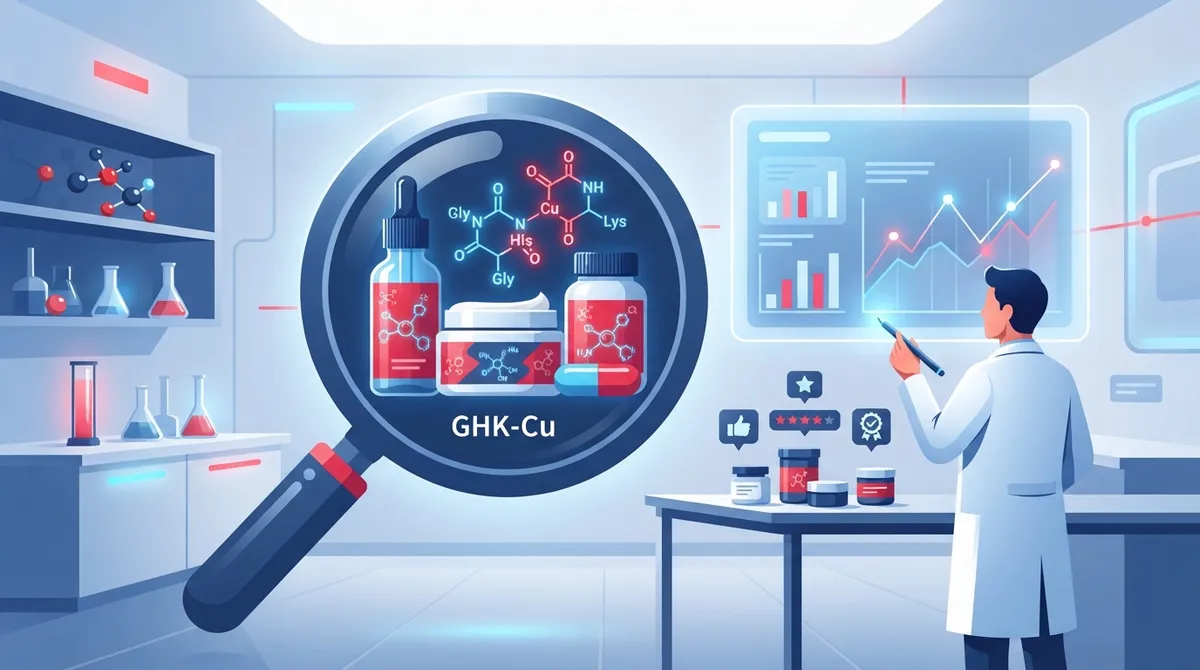
GHK-Cu is a copper peptide found naturally in the human body. Levels of it drop as we age. This decline is part of why researchers started studying it for skin health decades ago, according to a review published in PMC's regenerative peptide research summary.
Today, GHK-Cu shows up in serums, creams, and scalp treatments. Most product reviews focus on:
- Softer, smoother skin texture
- Better hydration over several weeks of use
- More even skin tone
- Reduced appearance of fine lines with consistent use
- Support for thinning hair when applied to the scalp
Reviews rarely describe dramatic overnight change. Instead, most people report gradual improvement, which matches what clinical literature suggests.

Mistake 1: Trusting Reviews That Promise Instant Results
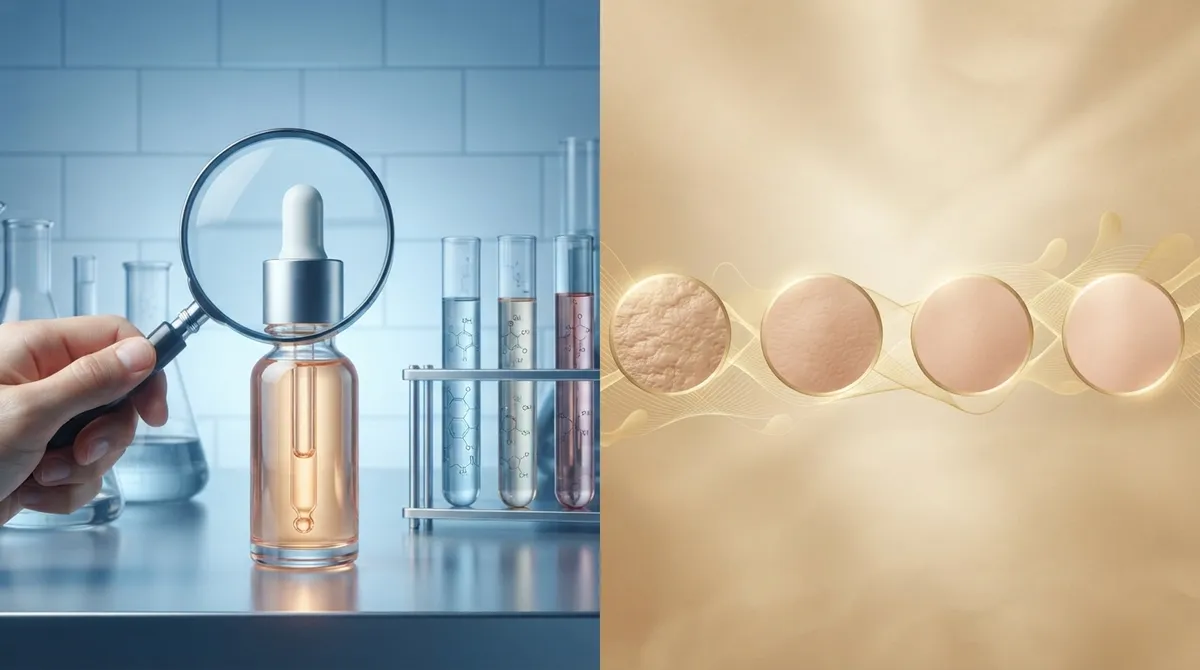
Many flashy reviews claim a serum "erased wrinkles overnight." This is not realistic for any topical peptide product. Skin renewal takes time, usually four to twelve weeks of steady use.
Genuine GHK-Cu product reviews tend to describe slow, steady changes. If a review sounds too dramatic or too fast, be skeptical. Real skin science does not work on a 24-hour timeline.
Mistake 2: Ignoring the Difference Between Topical and Injectable Forms
This is one of the biggest mix-ups in online reviews. Topical GHK-Cu and injectable GHK-Cu are not the same thing, and they do not carry the same safety profile.
|
Form |
Common Use |
Safety Data |
|---|---|---|
|
Topical serum or cream |
Skin texture, hydration, scalp support |
Long history of cosmetic use; generally well tolerated on intact skin |
|
Injectable or compounded |
Marketed for deeper skin or systemic effects |
Limited human trials; no formal adverse-event database |
According to a safety review from PeptideReference.health, injectable forms lack the same volume of randomized clinical trials that topical products have. If a review talks about injections without mentioning this gap in evidence, treat that review with caution.
Mistake 3: Overlooking Reported Side Effects
Most reviews focus only on benefits. But side effects, even mild ones, matter for making a smart decision. Research gives us some real numbers to consider:
- A 2020 meta-analysis of 47 clinical trials found adverse-event rates below 1.8% for topical GHK-Cu formulas.
- One long-term study set reported an adverse-event rate near 4.7%, with symptoms clearing up after stopping use.
- Mild contact dermatitis showed up in about 1.8% to 3.2% of cases, depending on product strength.
- No serious adverse events have been documented in published topical studies, even after decades of use.
- Topical use at concentrations up to 2% has been studied without systemic side effects in human skin studies.
These numbers show topical GHK-Cu has a fairly strong safety record. Still, "fairly strong" is not the same as "risk-free." A good review should mention these details instead of skipping past them.
Mistake 4: Judging All Products by the Same Standard
Not every GHK-Cu product is made the same way. Formulation strength, purity, and stability vary a lot between brands. This is why one reviewer might love a product while another had no results at all.
Before trusting a review, ask these questions:
- What concentration of GHK-Cu is used in the product?
- Is the product topical, or does it claim to be injectable?
- Does the brand share third-party testing results?
- Is the product stored and packaged to protect peptide stability?
- Are there clear usage instructions and warnings?
A review that only says "this worked great" without covering these details leaves out information you actually need.
Mistake 5: Skipping Medical Guidance Before Starting Use
Even though topical GHK-Cu is considered low-risk, that does not mean it is right for everyone. People with sensitive skin, active skin conditions, or certain allergies should talk to a provider first.
This is especially true if you are curious about anything beyond basic topical serums, including scalp treatments or combination products. A licensed provider can help you understand your DNA and genetic health profile, which may shed light on how your skin responds to certain ingredients. Our hair restoration team also reviews scalp health before recommending any peptide-based approach.
If you are unsure where to start, our primary care providers can walk you through safe options based on your skin type and health history.
Mistake 6: Believing GHK-Cu Is FDA Approved as a Drug
This is a common misunderstanding. GHK-Cu is not FDA approved as a prescription drug for anti-aging or skin repair. It is used in cosmetic products, which follow different rules than approved medications.
This does not mean it is unsafe. It simply means the marketing claims you see are not backed by the same regulatory review a prescription drug goes through. Reviews that claim "FDA-approved miracle peptide" are stretching the truth. Always look for language that reflects cosmetic use, not medical treatment claims.
How to Read GHK-Cu Product Reviews the Right Way
Use this simple checklist before trusting any review:
- Check if the review mentions a realistic timeline for results.
- Look for details about the product's concentration and form.
- See if side effects are mentioned honestly, not hidden.
- Confirm whether the reviewer used a topical or injectable version.
- Watch for exaggerated claims like "cures wrinkles" or "FDA-approved treatment."
- Look for consistency across multiple reviews, not just one glowing post.
One real-world example comes from a Reddit thread where a user asked about GHK-Cu injections for skin texture and wrinkles after their dermatologist suggested it. The community discussion reflected exactly the kind of uncertainty many people feel: interest in the product, mixed with real questions about whether it is worth the cost and risk. This is a healthy way to approach any new wellness trend.
Setting Realistic Expectations for Skin and Wellness Goals
GHK-Cu products can be a helpful part of a skin care routine. But they work best as one piece of a bigger wellness picture. Sleep, hydration, nutrition, and stress levels all affect skin health too.
At InCare, we look at wellness as a whole-body approach. Our body composition analysis and metabolic breath analysis services help patients understand what is really driving their health, not just their skin. Combining smart skincare choices with a stronger foundation of primary care often gives better long-term results than any single product alone.
Many of our patients in Tampa and Riverview also explore IV hydration and vitamin drips as part of a broader plan to support skin, energy, and recovery. These services work alongside good skincare habits, not as a replacement for them.
Quick Comparison: Realistic vs. Unrealistic Review Claims
|
Realistic Review Claim |
Unrealistic Review Claim |
|---|---|
|
"Skin felt softer after 6 weeks" |
"Wrinkles gone overnight" |
|
"Mild irritation at first, went away" |
"Zero risk, completely safe for everyone" |
|
"Worked well combined with sunscreen and hydration" |
"This alone reversed 10 years of aging" |
|
"FDA regulates cosmetic ingredients like this" |
"FDA-approved anti-aging drug" |
Reviews that sound balanced, with both pros and limits, are usually more trustworthy than reviews that sound like an advertisement.
Why Professional Guidance Matters for Wellness Trends
Trends move fast in the wellness world. GHK-Cu is just one example of a product that generates excitement online before most people fully understand it. This is exactly why working with a trusted provider matters.
Our physicians, including those featured on our Naveen Paddu MD and Pramjeet Ahluwalia MD pages, help patients separate real science from marketing hype. Whether you are curious about copper peptides, weight loss support, or advanced testing, our team gives you facts you can actually use.
You can also see how our patients feel about their experience by checking out InCare reviews on Google, where we maintain a strong reputation for honest, personalized care in both Tampa and Riverview.
Staying Connected for Wellness Updates
Wellness science changes quickly, and staying informed helps you make better choices. You can follow InCare's updates and patient stories on Facebook, see behind-the-scenes wellness content on Instagram, or catch quick health tips on TikTok. These channels are a good way to see real patient experiences, not just curated marketing.
Final Thoughts on Reading GHK-Cu Product Reviews
GHK-Cu has real science behind it, especially for topical use. But not every review tells the full truth. Watch for exaggerated claims, missing safety details, and confusion between topical and injectable forms. A well-written review should sound balanced, realistic, and specific.
If you want personalized guidance on skin health, weight management, or any other wellness goal, our team is ready to help. Reach out to InCare today to ask questions about copper peptides or any other wellness service, or go ahead and book your appointment now at our Tampa or Riverview location.
FAQs
Q: What are GHK-Cu product reviews saying about results for skin?
A: Most honest reviews describe gradual improvements in softness, hydration, and skin tone over several weeks, rather than instant or dramatic anti-aging effects. Reviews that promise overnight wrinkle removal should be viewed with caution.
Q: Is GHK-Cu safe for daily topical use?
A: Topical GHK-Cu has a favorable safety profile in published studies, with adverse-event rates generally below 5% and no serious documented reactions on intact skin. As with any skincare ingredient, individual sensitivity can vary, so starting slowly is wise.
Q: Are GHK-Cu injections safe compared with topical creams?
A: Injectable and compounded GHK-Cu have much less human safety data than topical products, and formal clinical trials are limited. Topical use has decades of cosmetic history behind it, while injectable use should only be considered under close medical supervision.
Q: How do I choose a high-quality GHK-Cu product?
A: Look for clear labeling of concentration, evidence of third-party testing, proper packaging for peptide stability, and honest usage instructions. Avoid products or reviews that make exaggerated medical claims without supporting evidence.
Q: How long does it take to see results from GHK-Cu skincare products?
A: Most users report visible changes in skin texture and hydration after four to twelve weeks of consistent use. Results vary based on product strength, skin type, and how consistently the product is applied.