Key Takeaways
- Retatrutide targets three hormones (GIP, GLP-1, glucagon) versus one or two in approved competitors, potentially boosting fat burning, but remains unapproved as of 2026 with no legitimate prescriptions available.
- Clinical trials show retatrutide produced 28.3% average weight loss at 80 weeks, substantially higher than semaglutide (14.9%) and tirzepatide (20.9%), though these are indirect comparisons from separate studies without head-to-head trials.
- Any retatrutide products sold online are unapproved and unregulated, carrying serious risks of contamination, incorrect dosing, and mislabeling; patients should only use FDA-approved alternatives like semaglutide or tirzepatide under licensed provider supervision.
- Retatrutide is being studied for multiple conditions beyond obesity including type 2 diabetes, cardiovascular disease, sleep apnea, and liver disease, but long-term safety data remains limited compared to approved medications with years of real-world evidence.
Weight loss medications have changed fast. If you follow health news, you have probably heard about retatrutide. It is being called one of the most powerful weight loss drugs ever studied. But it is not approved yet, and many patients get confused about how it stacks up against real options available today.
This guide breaks down retatrutide compared to competitors in simple terms. You will learn what makes it different, what the research actually shows, and why working with a licensed primary care provider matters more than ever. Whether you live in Tampa, Riverview, or nearby, understanding these facts can help you make safer choices about weight loss and metabolic health.

1. Retatrutide Targets Three Hormones, Not Just One or Two
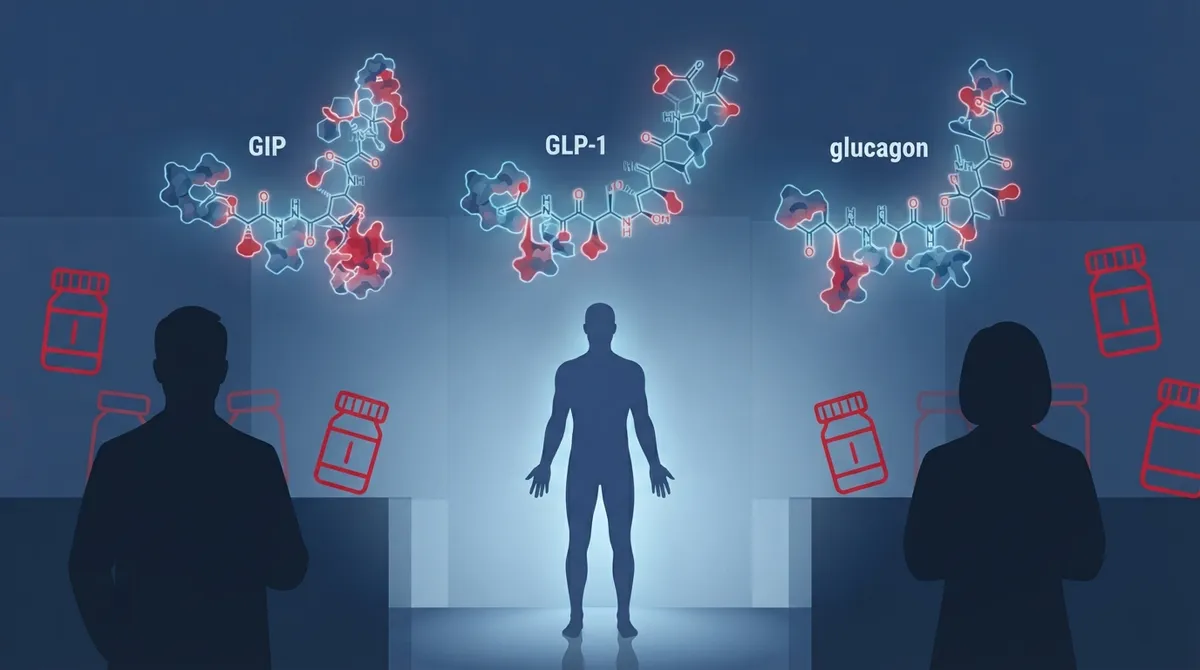
Retatrutide, also called LY3437943, is Eli Lilly's investigational weight loss drug. It is designed to activate three different receptors at once: GIP, GLP-1, and glucagon. This is called a triple agonist.
Compare that to approved drugs. Semaglutide, sold as Ozempic and Wegovy, only targets the GLP-1 receptor. Tirzepatide, sold as Mounjaro and Zepbound, targets two receptors: GIP and GLP-1. Retatrutide adds a third target, the glucagon receptor, which may boost fat burning and energy use.
This extra mechanism is why researchers are excited. But more receptors targeted does not automatically mean a better choice for every patient. Your providers can help you understand which mechanism fits your health history best.

2. Retatrutide Is Not FDA-Approved as of 2026
This is the most important fact to understand. As of now in 2026, retatrutide has not received FDA approval for obesity, type 2 diabetes, heart disease, sleep apnea, or any other condition. It remains investigational.
This means no licensed doctor can write you a legitimate prescription for retatrutide today. Any product sold online claiming to be retatrutide is not an approved medicine. These products carry real risks, including contamination, incorrect dosing, and mislabeling.
If you see retatrutide advertised for sale, be cautious. Talk to a trusted weight loss provider before considering any unapproved substance. Safety should always come first.
3. Clinical Trial Results Show Strong Weight Loss Numbers
Here is where retatrutide compared to competitors gets interesting. In Lilly's Phase 3 TRIUMPH-1 trial, participants taking the 12 mg dose lost an average of 28.3% of their body weight after 80 weeks. That is a sponsor-reported topline result from a study of 2,339 adults with obesity or overweight plus a weight-related health condition.
The trial also reported that 45.3% of people on the 12 mg dose lost at least 30% of their body weight. For comparison, the placebo group in the same study lost only about 2.2%.
Here is a breakdown of the TRIUMPH-1 results by dose:
|
Retatrutide Dose |
Average Weight Loss at 80 Weeks |
|---|---|
|
4 mg |
19.0% |
|
9 mg |
25.9% |
|
12 mg |
28.3% |
|
Placebo |
2.2% |
Earlier Phase 2 data from 2023, published in the New England Journal of Medicine, showed retatrutide produced up to 24.2% weight loss at 48 weeks. These numbers are impressive, but they come from company-reported trials. Full peer-reviewed publication and safety analysis are still needed before drawing final conclusions.
4. How Retatrutide Compares to Semaglutide and Tirzepatide
People often ask how retatrutide stacks up against approved drugs already used in primary care today. It helps to look at the numbers side by side, even though these are indirect comparisons across different studies, not head-to-head trials.
|
Medication |
Mechanism |
Reported Weight Loss |
FDA Status |
|---|---|---|---|
|
Semaglutide (Wegovy) |
GLP-1 agonist |
14.9% at 68 weeks |
Approved |
|
Tirzepatide (Zepbound) |
GIP/GLP-1 agonist |
Up to 20.9% at 72 weeks |
Approved |
|
Retatrutide |
GIP/GLP-1/glucagon agonist |
Up to 28.3% at 80 weeks |
Investigational |
Semaglutide's STEP 1 trial showed 14.9% mean weight loss at 68 weeks, according to research published by Wilding and colleagues in 2021. Tirzepatide's SURMOUNT-1 trial showed up to 20.9% weight loss at 72 weeks with the highest dose, per Jastreboff and colleagues' 2022 study.
These are separate studies with different patient groups and timelines. No direct head-to-head trial has compared all three drugs at once. Still, the trend suggests retatrutide may offer stronger results, pending full approval and long-term safety data.
5. Retatrutide Is Being Studied for More Than Weight Loss
Retatrutide's Phase 3 program is broad. Lilly is studying it for obesity with and without type 2 diabetes, cardiovascular disease, knee osteoarthritis, obstructive sleep apnea, chronic low-back pain, and metabolic dysfunction-associated steatotic liver disease.
In the TRANSCEND-T2D-1 trial, retatrutide showed HbA1c reductions of roughly 1.7 to 2.0 percentage points and 11.5% to 16.8% weight loss at 40 weeks, depending on dose. In TRIUMPH-4, focused on people with obesity and knee osteoarthritis, Lilly reported up to 28.7% weight loss at 68 weeks.
This wide range of potential uses is a key part of the retatrutide compared to competitors conversation. If approved, it could become a single option addressing several linked health conditions. For now, though, these benefits remain unproven outside of clinical trials.
- Obesity treatment with or without type 2 diabetes
- Cardiovascular and kidney outcome studies
- Knee osteoarthritis pain and function
- Obstructive sleep apnea severity
- Chronic low-back pain related to excess weight
- Liver health in metabolic dysfunction-associated conditions
If you are managing several of these conditions at once, a comprehensive medical care approach through your primary care team can help you track progress safely, whatever medication path you choose.
6. Side Effects Look Similar to Other GLP-1 Medicines, But Long-Term Data Is Limited
Reported side effects in retatrutide trials look a lot like those seen with approved GLP-1 drugs. Nausea, diarrhea, and vomiting are the most common complaints, especially during dose increases.
Here is what makes this fact important:
- Approved drugs like semaglutide and tirzepatide have years of real-world safety data from millions of patients.
- Retatrutide only has data from clinical trial participants, a much smaller and more controlled group.
- Long-term risks, rare side effects, and interactions are still being studied for retatrutide.
- Dose escalation strategies that work for approved drugs may need adjustment for retatrutide once it reaches the market.
This is why primary care guidance matters so much. A doctor who understands your full DNA gene testing results, body composition data, and medical history can help you weigh real benefits against real risks, rather than relying on marketing claims.
Why Working With a Licensed Primary Care Provider Matters
The excitement around retatrutide is understandable. The numbers are strong, and the science behind triple hormone agonists is promising. But excitement should never replace caution.
Products sold online labeled as retatrutide are not the same as an FDA-approved medicine. These are often unregulated substances that may be contaminated, incorrectly dosed, or entirely mislabeled. Buying these products puts your health at serious risk.
Instead, work with a clinic that offers approved, evidence-based options today. At InCare, our team in Tampa and Riverview helps patients access proven treatments like semaglutide and other weight loss programs backed by real clinical evidence and physician supervision. Our providers, including Dr. Pramjeet Ahluwalia and Dr. Naveen Paddu, focus on whole-body health, not just the scale.
You can also explore tools like metabolic breath analysis to understand how your body burns energy before starting any weight loss plan. This kind of data-driven approach gives you a clearer picture than guessing which drug might work best.
What This Means for Patients Considering Weight Loss Treatment
If you are exploring weight loss options in 2026, here is a simple way to think about it:
- Approved medications like semaglutide and tirzepatide have known safety profiles and prescribing guidelines.
- Retatrutide shows strong trial results but remains investigational and unavailable by prescription.
- Unregulated products claiming to be retatrutide carry real safety risks and should be avoided.
- A licensed provider can help you choose the safest, most effective option available right now.
Our patients often ask about timelines for retatrutide's approval. Nobody can say for certain when or if it will reach pharmacy shelves. Clinical trials take time, and safety review adds more. In the meantime, proven treatments already deliver meaningful results for many patients.
Many families we see at our Tampa and Riverview locations come in overwhelmed by online information about new weight loss drugs. Our job is to cut through the noise and give clear, honest guidance based on current evidence.
Frequently Asked Questions About Retatrutide and Weight Loss Options
Before you make any decisions, it helps to understand the full picture. You can also follow our updates on Facebook and Instagram for the latest health news, or check patient experiences on Tik Tok for real stories from our community.
Many of our patients also read up on general obesity treatment safety through resources like the National Institute of Diabetes and Digestive and Kidney Diseases and the U.S. Food and Drug Administration before starting any new treatment plan.
Take the Next Step Toward Safe, Effective Weight Loss
Retatrutide compared to competitors shows real promise for the future of weight management. But promise is not the same as approval, and hope should never replace medical guidance. Until retatrutide clears full FDA review, approved options remain your safest, most reliable path forward.
Our team at InCare in Tampa and Riverview is ready to help you explore evidence-based weight loss programs designed around your unique health profile. See what our patients say by visiting our InCare location on Google, where we maintain a strong reputation for personalized, honest care.
Ready to talk with a provider about your weight loss options? Reach out to our team today or schedule your appointment now to start your journey with a plan built on real evidence, not hype.
FAQs
Q: How does retatrutide compare with semaglutide for weight loss?
A: In separate clinical trials, retatrutide showed up to 28.3% average weight loss at 80 weeks, while semaglutide's STEP 1 trial showed 14.9% at 68 weeks. These are indirect comparisons from different studies, not head-to-head results, so a licensed provider can help you understand what these numbers truly mean for your care.
Q: Is retatrutide more effective than tirzepatide?
A: Trial data suggests retatrutide may produce greater average weight loss than tirzepatide, which showed up to 20.9% weight loss in the SURMOUNT-1 trial. However, no direct head-to-head study has compared the two drugs, so this remains an indirect comparison until more research is available.
Q: Has the FDA approved retatrutide for obesity or diabetes?
A: No, as of 2026, retatrutide remains investigational and has not received FDA approval for obesity, diabetes, or any other condition. It is not available as a legitimate prescription medication at this time.
Q: Can patients currently obtain or legally compound retatrutide?
A: No. Products marketed online as retatrutide are not FDA-approved and may be contaminated, mislabeled, or unsafe. Patients should avoid these products and speak with a licensed clinician about approved, evidence-based weight loss treatments instead.
Q: Which obesity medication is most appropriate for a primary-care patient with diabetes or heart disease?
A: This depends on your individual health history, and a primary care provider should evaluate factors like existing conditions, medication interactions, and treatment goals before recommending an approved option like semaglutide or tirzepatide.