Key Takeaways
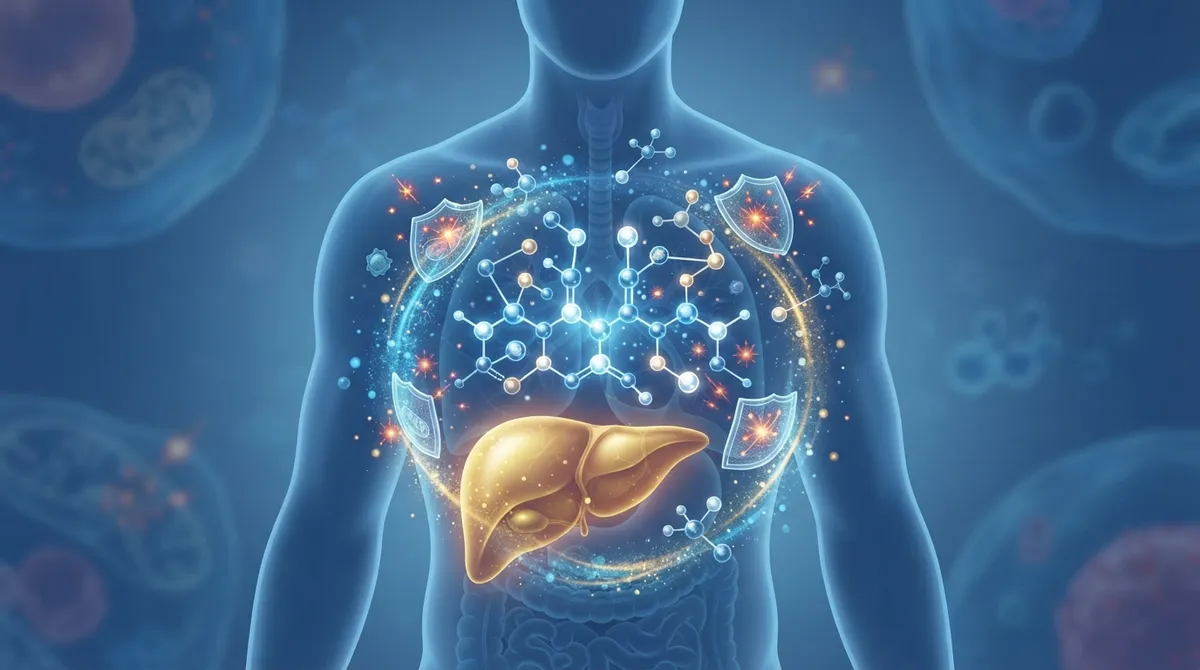
- Glutathione is a natural antioxidant your body produces in the liver and cells by combining three amino acids; your body adjusts production based on stress, illness, and nutrient availability, making internal production more reliable than supplements.
- Glutathione neutralizes harmful free radicals by donating electrons to maintain cellular redox balance, protecting cell membranes, proteins, and DNA from oxidative damage caused by normal metabolism.
- IV glutathione carries significant safety risks including allergic reactions, liver stress, and infection from unregulated dosing, while oral and topical forms have better safety records and should only be considered after consulting a licensed provider.
- Evidence for glutathione's popular claims—skin brightening, energy boosting, and anti-aging—remains limited and inconclusive; systematic reviews describe results as modest at best, with durability uncertain.
- Glutathione works as part of a larger team with enzymes and other antioxidants like vitamin C and E, with its recycling process directly linked to mitochondrial function, suggesting whole-body wellness approaches work better than single supplements.
- Glutathione helps your liver bind certain compounds through conjugation, making them water-soluble for removal; however, this normal biochemical process should not be confused with commercial detox claims promising dramatic cleansing effects.
Glutathione has become one of the most talked-about wellness topics in 2026, popping up in supplement aisles, IV lounges, and skincare products across Tampa and Riverview. Many people ask their doctor about it after seeing bold claims online promising instant detox, glowing skin, or endless energy. But how does glutathione actually work inside your body, and does the science back up the hype? Understanding the real biology behind this antioxidant can help you make smarter, safer choices about your health.
At InCare, we believe patients deserve clear, honest answers grounded in research rather than marketing buzzwords. This guide breaks down six essential facts about glutathione, how your body makes and uses it, and what current evidence says about supplements, IV therapy, and skin benefits. Whether you are a wellness-focused professional in Tampa or a parent managing your family's health in Riverview, this information can help you separate fact from fiction.
1. Glutathione Is a Natural Antioxidant Made Inside Your Cells
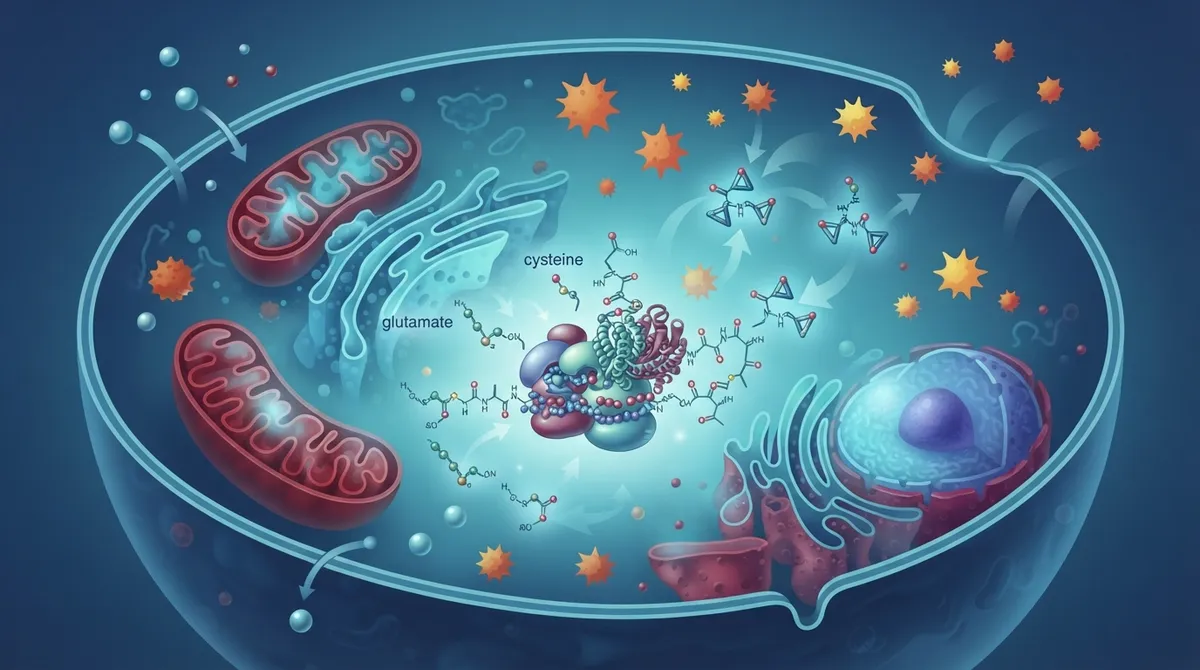
Glutathione, often shortened to GSH, is a small molecule made of three building blocks: glutamate, cysteine, and glycine. Your liver and other tissues make it constantly, using energy from your cells to keep supplies steady. This is different from vitamins you must get entirely from food, since your body can produce glutathione on its own.
Research published in a 2023 review in Frontiers in Medicine found that glutathione exists at high levels inside cells, often between 1 and 10 millimolar in many tissues. That concentration makes it one of the most abundant antioxidants your body produces internally. This natural production process is a key reason primary care providers emphasize supporting your body's own systems rather than relying solely on outside products.
How the Body Builds Glutathione
- Two enzymes work together to build glutathione step by step inside cells.
- The process requires ATP, the energy currency your cells use for nearly every function.
- Production happens mainly in the liver, though many other tissues can make their own supply.
- Your body adjusts production based on stress, illness, and nutrient availability.
2. Glutathione Neutralizes Harmful Molecules Called Free Radicals
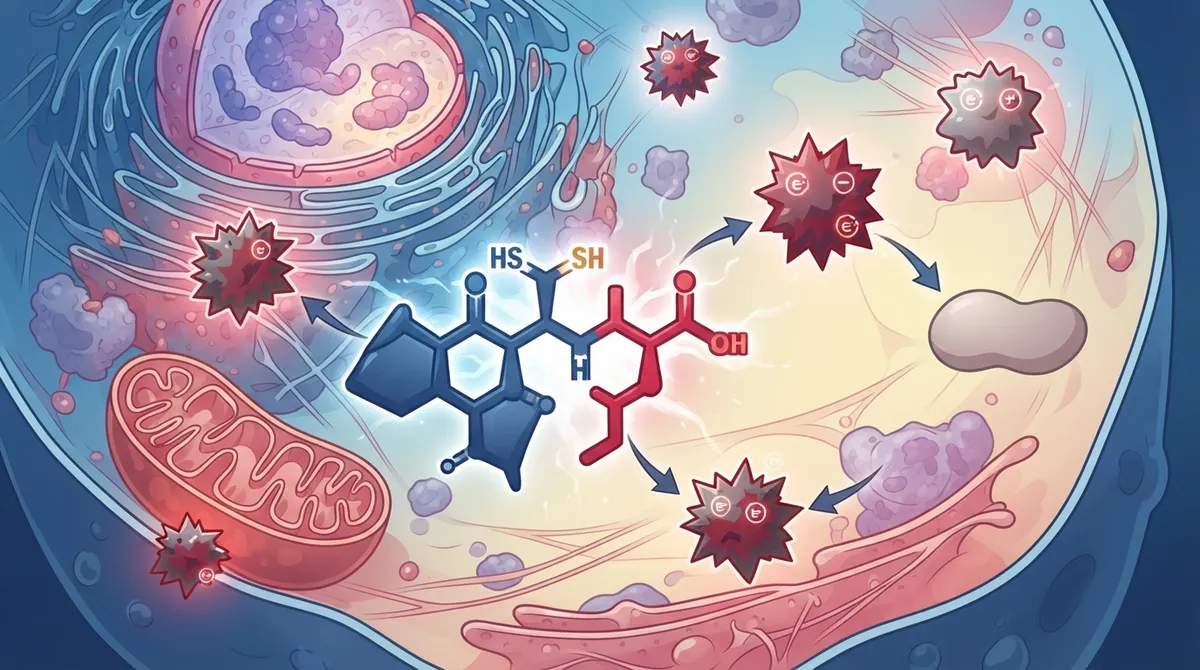
The main job of glutathione is protecting your cells from damage. Your body constantly produces reactive molecules called free radicals as a byproduct of normal metabolism. Left unchecked, these molecules can damage cell membranes, proteins, and even DNA over time.
Glutathione works by donating electrons to neutralize these reactive molecules, including hydrogen peroxide and other harmful compounds. This process is called maintaining redox balance. Think of glutathione as a cellular security guard, constantly patrolling and disarming threats before they cause harm. This is one reason routine preventive visits, like those covered in our primary care services, focus on supporting overall cellular health rather than chasing quick fixes.
Key Reactive Molecules Glutathione Helps Control
- Hydrogen peroxide, a common byproduct of cell metabolism
- Lipid peroxides, which can damage cell membranes
- Hydroxyl radicals, some of the most reactive and damaging molecules in the body
- Peroxynitrite, formed during inflammation and immune responses
3. Glutathione Works as a Team Player With Enzymes and Other Antioxidants
Glutathione does not work alone. It partners closely with an enzyme called glutathione peroxidase to break down harmful peroxides. After doing its job, glutathione becomes oxidized and must be recycled back into its active form. Another enzyme, glutathione reductase, handles this recycling using NADPH, a molecule tied to your cell's energy production.
This recycling system links glutathione activity directly to how well your mitochondria function. Mitochondria are the energy factories inside your cells, and healthy glutathione levels support their performance. Glutathione also helps regenerate vitamin C and vitamin E back into their active, protective forms. This teamwork is part of why a whole-body approach to wellness, rather than a single supplement, tends to produce better long-term results.
Ways Glutathione Supports Overall Cell Function
- Protects protein structures from oxidative damage
- Supports healthy mitochondrial energy production
- Helps regulate immune cell signaling
- Assists in normal cell division and repair processes
4. Glutathione Helps Your Liver Process and Remove Certain Compounds
One of the most misunderstood claims about glutathione involves detoxification. Through an enzyme family called glutathione S-transferases, glutathione binds to certain drugs, environmental chemicals, and metabolic waste products. This process, called conjugation, makes these compounds more water-soluble so your body can remove them through urine or bile.
This is a real and well-documented biological process. However, it should not be confused with commercial "detox" claims that promise dramatic cleansing effects. Your liver and kidneys already perform this filtering function every day as part of normal health. If you have concerns about liver function or want a professional evaluation, our team can guide you through appropriate testing and support, similar to how we approach cancer screening and other preventive services.
What Glutathione Conjugation Actually Does
- Binds to certain electrophilic compounds and drug metabolites
- Makes these compounds more soluble in water
- Allows the liver to package them for removal through bile
- Supports kidney filtration by preparing compounds for urine excretion
It is worth noting that glutathione levels can shift due to age, chronic illness, poor nutrition, or ongoing inflammation. However, routine blood testing for glutathione status is not a standard part of most primary care screenings today, since testing protocols are not yet fully standardized across labs.
5. Supplement Forms Vary Widely in Safety and Absorption
If you are considering a glutathione supplement, it helps to understand your options. Products come in oral capsules, liposomal formulas, topical creams, and intravenous infusions. Each form behaves differently once it enters your body.
|
Delivery Method |
General Safety Profile |
Notes on Evidence |
|---|---|---|
|
Oral capsules or tablets |
Generally well tolerated |
A study of 60 healthy adults found 500 mg daily for four weeks was well tolerated, though bioavailability is debated |
|
Liposomal oral formulas |
Generally well tolerated |
Designed to improve absorption, but long-term wellness benefits remain unproven |
|
Topical creams |
Generally well tolerated |
Small trials show some effect on skin pigmentation, though results vary |
|
Intravenous infusion |
Higher risk profile |
Reviews report concerns including allergic reactions, liver stress, and infection risk from unregulated dosing |
According to safety comparisons summarized in pharmacological literature, oral and topical forms tend to carry a better safety record than IV glutathione used for cosmetic purposes. Recent reviews have flagged serious concerns with IV glutathione, including the risk of anaphylaxis, liver stress, and contamination when dosing is not standardized. This is why any supplement decision should involve a conversation with a licensed provider familiar with your health history.
Questions to Ask Before Trying a Glutathione Supplement
- What is the source and quality certification of this product?
- Has this specific delivery method been studied for my health goal?
- Are there any medications or conditions that could interact with this supplement?
- What realistic outcomes should I expect, and over what timeframe?
6. Evidence for Skin, Energy, and Immune Claims Remains Limited
Glutathione is often marketed for skin brightening, immune support, and anti-aging. Some small studies have explored oral and topical glutathione for skin pigmentation and melasma, with modest reductions in melanin measures reported in limited trials. However, systematic reviews describe this evidence as inconclusive, and the durability of any skin lightening effect remains uncertain.
Claims about dramatically boosting energy, curing chronic disease, or acting as a universal anti-aging solution are not currently supported by strong clinical evidence. A six-month trial cited in recent research reviews found increases in glutathione stores with daily supplementation, but results across studies remain inconsistent. If you are exploring wellness strategies for energy, skin health, or healthy aging, a broader approach that includes nutrition, sleep, and personalized testing tends to offer more reliable results than any single supplement.
A More Complete Approach to Wellness Optimization
Rather than relying on one ingredient, many patients benefit from a combination of services tailored to their specific needs. This might include DNA gene testing to understand personal health predispositions, body composition analysis to track progress over time, or IV hydration and vitamin drips administered under professional supervision. Combining these tools with guidance from an experienced provider gives you a clearer picture of what your body actually needs.
For patients managing weight or metabolic goals, our weight loss programs incorporate evidence-based strategies rather than unproven shortcuts. And if you are simply looking to establish care with a trusted provider who can evaluate your overall health picture, scheduling a comprehensive visit is a smart first step.
Why Professional Guidance Matters
- A provider can review your full medical history before recommending any supplement
- Lab testing can identify actual nutrient or antioxidant needs rather than guessing
- Professional oversight reduces the risk of unsafe IV or injectable products
- Personalized plans account for medications, allergies, and existing conditions
- Follow-up visits allow adjustments based on real results, not marketing claims
Patients across Tampa and Riverview often turn to InCare because we combine advanced technology with careful, evidence-based medical judgment. You can find our locations convenient to both areas, and many patients appreciate the option of virtual visits when an in-person trip is not practical. To see how other patients describe their experience, feel free to visit us on Google — InCare and read real reviews from our community.
We also share ongoing wellness education through our social channels, including Facebook, Instagram, and TikTok, where we break down trending health topics like this one in simple terms. For deeper background on antioxidant research, resources published by the National Institutes of Health offer helpful context on how oxidative stress affects long-term health.
Putting Glutathione Facts Into Practice
Understanding how glutathione works helps you make informed choices instead of chasing trends. Your body already has a sophisticated system for producing and recycling this antioxidant every single day. Supplements and IV therapy may offer some support in specific situations, but they are not a substitute for a personalized care plan built around your actual health needs.
Before starting any new supplement routine, it makes sense to talk with a provider who can look at your full health picture. This is especially true if you are considering IV glutathione, given the safety concerns noted in recent clinical reviews. A short conversation with a knowledgeable provider can save you money and protect your health.
If you want to explore whether glutathione support, IV hydration, or another wellness service fits your goals, our team is ready to help. You can reach out to our care team with your questions, or go ahead and book your appointment today to start a conversation about a wellness plan built around real evidence and your unique health goals.
FAQs
Q: What is glutathione and what does it do in the body?
A: Glutathione is a natural antioxidant made from three amino acids that your liver and cells produce daily. It helps neutralize harmful molecules, supports enzyme function, and assists your liver in processing certain compounds for removal.
Q: Does glutathione really detox the liver?
A: Glutathione does help bind certain compounds through a process called conjugation, making them easier to remove through urine or bile. However, this normal biochemical function should not be confused with unproven commercial detox programs, since your liver already performs this work continuously.
Q: Can oral glutathione supplements raise levels in the body?
A: Some research suggests oral supplementation may modestly increase glutathione stores over time, but bioavailability remains debated among researchers. Results vary between studies, and long-term wellness benefits have not been firmly established.
Q: Are glutathione IV infusions safe?
A: IV glutathione carries more safety concerns than oral or topical forms, including risks of allergic reactions, liver stress, and infection from unregulated dosing. Anyone considering IV therapy should discuss risks and benefits with a licensed medical provider first.
Q: Does glutathione lighten skin or help with melasma?
A: Small clinical trials have reported modest reductions in melanin measures with oral or topical glutathione use for skin pigmentation. However, systematic reviews describe the evidence as limited and inconclusive, and the durability of results is uncertain.