Key Takeaways
- Patients who leave hospital care against medical advice face 2-4x higher readmission rates and roughly double the risk of death within one month, making clear communication with providers critical.
- General wellness content is educational only and cannot replace personalized clinical evaluation; use online research to generate questions for your provider, not to self-diagnose or make treatment decisions.
- Healthcare teams must assess decision-making capacity, explain risks, document conversations, and arrange follow-up care when patients request discharge against medical advice to protect both patient safety and the provider-patient relationship.
- Effective medical disclaimers should clearly state content is for education only, confirm it does not replace professional diagnosis, encourage consultation with licensed providers, and provide contact information for scheduling appointments.
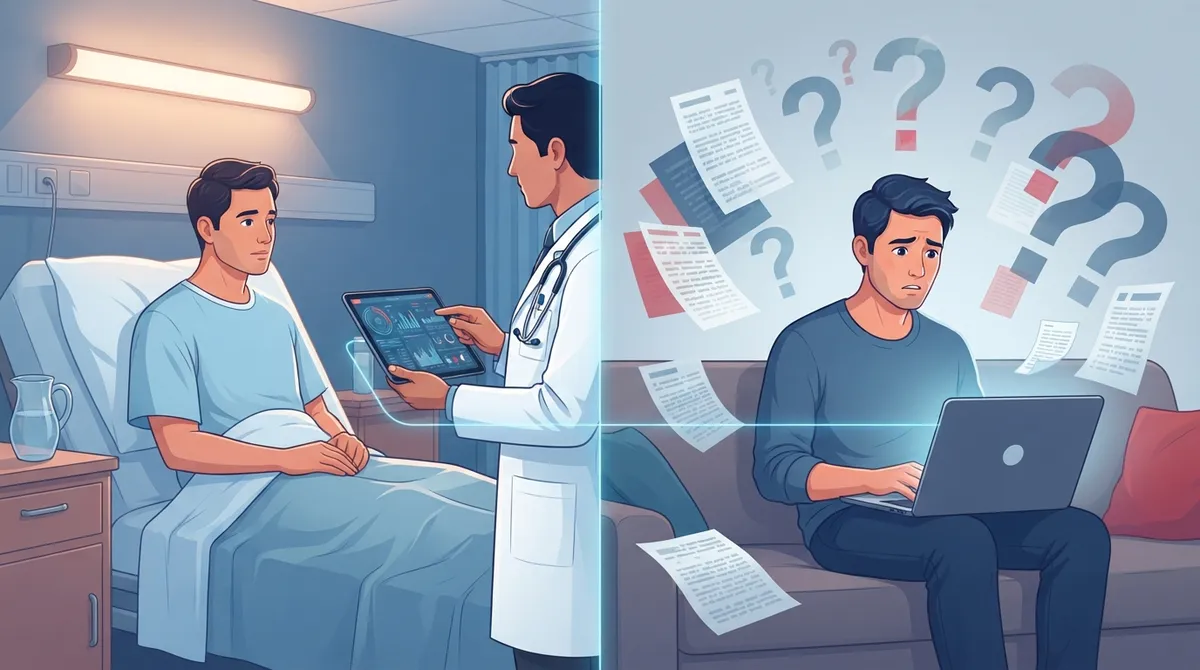
Search online for any health topic, and you will likely see a small note at the bottom of the page: "This is not medical advice." Many people scroll past this line without a second thought. But this phrase carries real meaning, especially for anyone using wellness content to make decisions about their body and their health.
At InCare, with locations in Tampa and Riverview, Florida, we believe patients deserve clarity about what general health information can and cannot do for them. This article breaks down what "not medical advice" actually means, why it matters, and how it connects to a related but different concept: leaving care against medical advice. Whether you are a busy parent researching a rash, a young professional exploring DNA gene testing, or someone managing a chronic condition, understanding these terms helps you use health information wisely.

1. What "Not Medical Advice" Actually Means
The phrase "not medical advice" is a disclaimer. It tells readers that the content they are viewing is general information, not personalized medical guidance. This distinction matters because every person's health history, symptoms, and risk factors are different.
General wellness content can teach you about prevention, common conditions, and healthy habits. However, it cannot replace an evaluation from a licensed clinician who knows your specific situation. A blog post about weight loss trends is not the same as a conversation with a provider who reviews your labs and health goals.
- Disclaimers protect readers by setting realistic expectations
- They clarify that content is educational, not diagnostic
- They encourage readers to seek individualized care when needed
- They help separate general health tips from a treatment plan

2. Why Primary Care and Wellness Clinics Use This Disclaimer
Primary care is often the first place people turn for wellness advice, non-emergency treatment, and ongoing management of health conditions. Because so many patients research symptoms online before ever booking an appointment, clinics have a responsibility to make sure their content does not accidentally replace professional judgment.
A wellness website might publish articles about nutrition, hydration, or hormone health. These articles are meant to inform, not to diagnose. Without a disclaimer, readers might assume general advice applies directly to their unique situation, which can lead to delayed or inappropriate care.
This is one reason InCare pairs educational content with real access to providers. You can read about topics like body composition analysis or IV hydration therapy, but the next step is always a conversation with a licensed clinician who can personalize recommendations.
3. "Not Medical Advice" vs. "Against Medical Advice": Key Differences
These two phrases sound similar, but they describe very different situations. Understanding the difference helps patients and families make informed choices.
TermMeaningContextNot Medical AdviceGeneral content is informational onlyWebsites, blogs, wellness articlesAgainst Medical Advice (AMA)Patient leaves care despite clinician recommendationHospitals, urgent care, clinical settingsInformed RefusalPatient declines a specific treatment after being informed of risksAny clinical encounter
"Not medical advice" is about content. "Against medical advice" is about a documented clinical decision. Both concepts respect patient autonomy, but they apply in very different settings.
4. What Happens When a Patient Leaves Against Medical Advice
Patients always have the right to refuse treatment, even when a clinician strongly recommends otherwise. When someone leaves a hospital or care setting before the recommended discharge, this is called discharge against medical advice, sometimes abbreviated as AMA or DAMA.
According to research published by the National Center for Biotechnology Information, about 1% to 2% of hospital discharges happen against medical advice. This may sound like a small number, but the consequences can be serious.
- Patients who leave AMA face a two- to fourfold higher readmission rate compared to planned discharges
- Studies show these patients are about twice as likely to die within one month of leaving
- Clinicians are trained to assess a patient's decision-making capacity before allowing AMA discharge
- Providers must explain the risks and benefits of leaving early
- The discussion and the patient's decision must be documented thoroughly
- Follow-up care should be arranged whenever possible, even after an AMA discharge
These statistics highlight why clear communication between patients and providers is so important. A disclaimer alone cannot replace this dialogue, and neither can a quick internet search.
5. Best Practices for Managing AMA Situations
Healthcare teams follow a structured process when a patient wants to leave against medical advice. This process protects the patient and ensures the clinician has met their duty to inform.
- Assess whether the patient has the mental capacity to make this decision
- Explain the specific risks of leaving without completing treatment
- Discuss alternatives, including partial treatment plans
- Document the conversation in detail, including the patient's stated reasons
- Offer follow-up appointments or referrals for continued care
- Provide written discharge instructions even if the visit was incomplete
According to the American Academy of Family Physicians, this approach reduces conflict and helps preserve the patient-provider relationship, even when the outcome is not what the clinician hoped for.
6. How to Use Wellness Content Responsibly
General health information can be a helpful starting point. But it works best when paired with real, individualized care. Here are steps to use wellness content wisely.
Steps for Responsible Health Research
- Use articles and guides to learn general concepts, not to self-diagnose
- Write down questions that come up during your research
- Bring those questions to your primary care visit
- Ask your provider to explain how general information applies to your specific health history
- Schedule regular preventive visits instead of relying only on online research
- Seek urgent care promptly for symptoms that feel serious or sudden
This approach helps you stay informed without confusing general education with a personal diagnosis. It also builds a stronger relationship with your care team over time.
What Should Be Included in a Medical Disclaimer
Clinics and wellness businesses that publish health content should include disclaimer language that is clear and easy to understand. A strong disclaimer typically includes the following elements.
- A statement that the content is for general education only
- A clear note that it does not replace professional diagnosis or treatment
- Encouragement to consult a licensed provider for personal health concerns
- Guidance to seek emergency care for urgent symptoms
- Contact information for scheduling a real appointment
This kind of transparency builds trust. It shows that a clinic values patient safety over vague, one-size-fits-all advice.
Why Choosing the Right Primary Care Partner Matters
Reading wellness articles is a good habit. But nothing replaces a relationship with a trusted care team. InCare's providers, including Dr. Naveen Paddu, Dr. Pramjeet Ahluwalia, and Dr. Teshy John, work directly with patients across Tampa and Riverview to turn general health knowledge into personalized action plans.
From cancer screenings to medical weight loss programs, every recommendation at InCare is based on your specific labs, history, and goals. This is the opposite of generic online advice. It is care built around you.
Patients consistently rate InCare highly for this personalized approach. You can visit us on Google — InCare to read reviews from real patients who made the switch from searching symptoms online to working with a dedicated care team. You can also follow updates and health tips on Facebook, Instagram, and TikTok.
Bringing It All Together
The phrase "not medical advice" exists to protect patients from confusing general information with personal medical guidance. It reminds readers that real health decisions require a real conversation with a licensed provider. Meanwhile, the related concept of leaving care against medical advice shows just how serious the stakes can be when patients and providers are not on the same page.
Understanding both concepts helps you become a more informed patient. It also helps you know when it is time to stop researching and start talking to a professional. Our Tampa and Riverview locations are ready to help you take that next step with confidence.
If you have questions about a health concern, do not wait for a search engine to give you clarity. Reach out to our care team today or book your appointment now to get personalized guidance from a provider who knows your health history and your goals.
FAQs
Q: What does "not medical advice" mean on a health or wellness website?
A: It means the content is for general education only and should not replace a personalized evaluation from a licensed clinician. Readers are encouraged to consult a provider before making health decisions based on the information.
Q: Why do primary care and wellness businesses use medical disclaimers?
A: Disclaimers help set clear expectations that general content is informational, not a diagnosis or treatment plan. They protect patients from misapplying general advice to their unique health situation.
Q: What is the difference between "not medical advice" and "against medical advice"?
A: "Not medical advice" refers to general content disclaimers on websites or articles. "Against medical advice" describes a patient's documented decision to leave a hospital or care setting despite a clinician's recommendation.
Q: What happens if someone leaves the hospital against medical advice?
A: Patients who leave AMA face a two- to fourfold higher readmission rate and roughly twice the risk of death within one month compared to planned discharges. Providers document the discussion and try to arrange follow-up care whenever possible.
Q: When should someone seek care from a primary care provider instead of relying on wellness content?
A: Any time symptoms are new, persistent, or concerning, it is best to schedule a visit with a primary care provider rather than rely solely on general online information. Personalized care accounts for your specific health history and risk factors.