Key Takeaways
- GHK-Cu is not FDA-approved for any medical use including wound healing or anti-aging; topical forms have more human evidence than injectable forms, but both lack large-scale clinical trials.
- Most evidence supporting GHK-Cu comes from lab and animal studies rather than controlled human trials; the strongest human data involves a single 1994 study on diabetic ulcers that has never been replicated.
- Topical GHK-Cu has limited but more robust clinical support than injectable forms, which lack established dosing protocols and minimal safety evidence from wellness clinics.
- GHK-Cu should never replace standard wound care including professional assessment, infection screening, vascular evaluation, and proper dressing management, especially for chronic wounds.
- Side effects vary by application method: topical use may cause irritation and contact dermatitis, while injectable use carries risks of pain, bruising, and lightheadedness with limited long-term safety data.
- An ongoing Phase 2 clinical trial (NCT07437586) testing topical GHK-Cu on healthy adults represents the kind of controlled evidence the field needs before drawing firm conclusions about efficacy.
If you have spent any time researching skin health or wound care online, you may have come across GHK-Cu. This copper-binding peptide has become a popular topic in wellness circles, with claims ranging from faster wound healing to smoother skin. But what does the science actually say? Before you consider any product or treatment tied to GHK-Cu tissue repair, it helps to separate real evidence from marketing hype.
At InCare, we believe patients deserve clear, honest information about emerging wellness trends. Our primary care team in Tampa and Riverview stays current on peptide research so we can guide you toward decisions backed by science, not just social media buzz. This article breaks down six key facts about GHK-Cu tissue repair, based on the latest available research, so you can make informed choices about your skin and wound care.
What Is GHK-Cu and Why Does It Matter for Tissue Repair?
GHK-Cu, short for glycyl-L-histidyl-L-lysine complexed with copper, is a naturally occurring peptide found in the human body. Levels of this peptide tend to decrease with age, which is part of why researchers have studied it for skin repair and connective-tissue support.
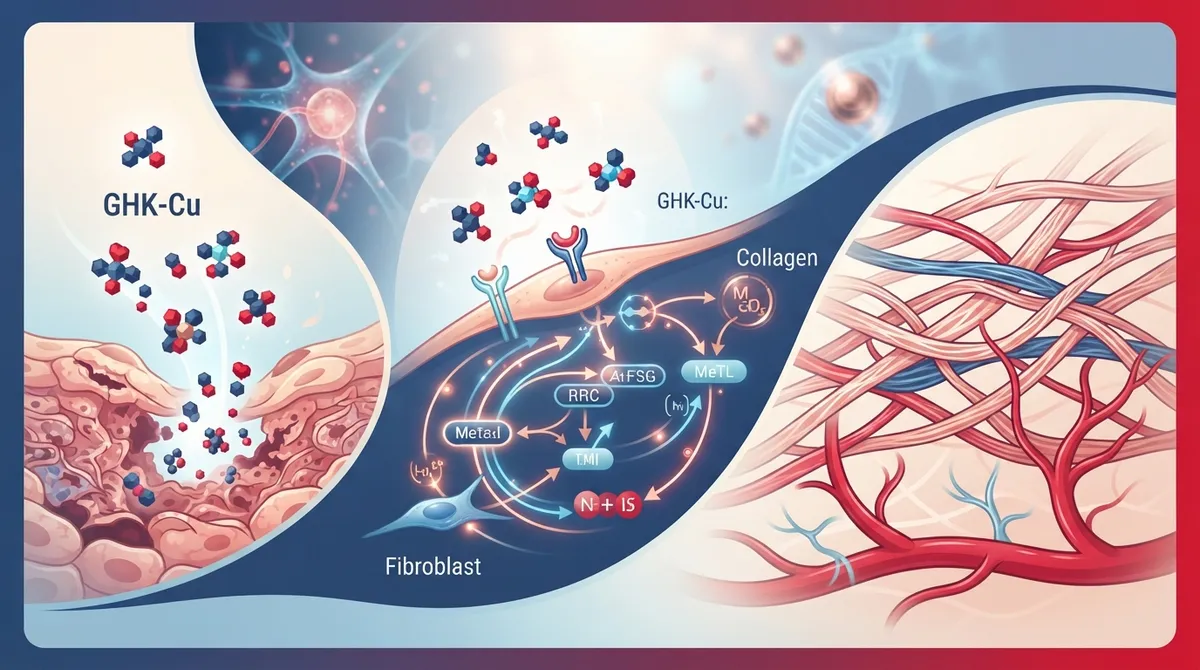
Scientists believe GHK-Cu may support several processes tied to healing, including:
- Fibroblast activity, which helps produce new skin cells
- Collagen and glycosaminoglycan production for skin structure
- Keratinocyte migration, which helps close wounds
- Antioxidant defenses that reduce cell damage
- Formation of new blood vessels, known as angiogenesis
These mechanisms sound promising, but most of the supporting data comes from lab and animal studies rather than large-scale human trials. That distinction matters a great deal when evaluating any wellness product.

Fact 1: Most Evidence Comes From Labs, Not Large Human Trials
A widely cited review published in BioMed Research International in 2018 described GHK-Cu's effects across several tissue types, including skin, lung, bone, liver, and stomach lining. However, the majority of this evidence comes from cell cultures and animal models, not controlled human studies.
This is an important point for anyone considering GHK-Cu tissue repair claims. Preclinical results can be encouraging, but they do not guarantee the same outcomes in people. Many promising lab compounds fail to show the same benefits once tested in humans.
Fact 2: Human Wound Healing Data Is Limited but Notable
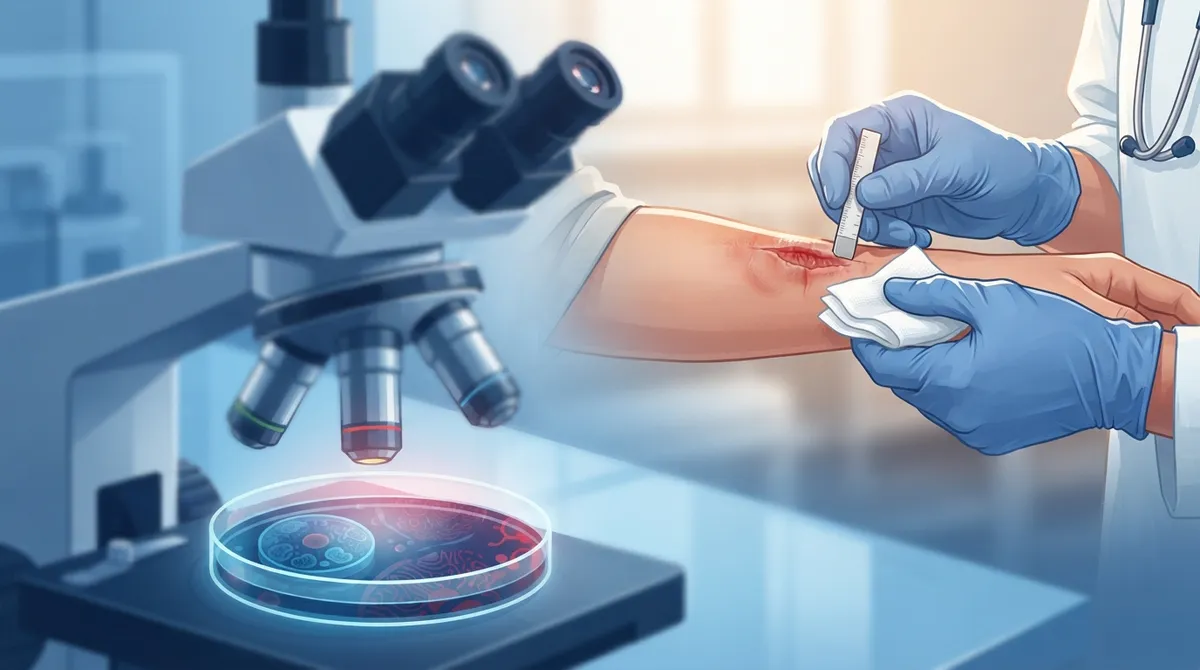
One of the few human studies on GHK-Cu involved diabetic plantar ulcers. Researchers compared topical GHK-Cu gel to a vehicle control in a randomized, evaluator-blinded design. The GHK-Cu group showed a median wound-area closure of about 98.5 percent, compared to 60.8 percent in the control group.
These numbers sound impressive, but this study dates back to 1994 and has not been replicated in large, modern Phase 3 trials. A separate nonrandomized study found a 41 percent reduction in wound area at 30 days, compared to an expected 25 percent based on historical data. Without randomization and blinding, though, this finding carries less scientific weight.
Ongoing Research Worth Watching
A Phase 2 study listed as NCT07437586 is currently recruiting about 60 healthy adults to test a 0.1 percent topical GHK-Cu gel on standardized small skin wounds. As of now, no results have been published. This kind of controlled trial is exactly what the field needs to build stronger evidence.
Fact 3: Topical Use Has More Support Than Injectable Use
When people ask about GHK-Cu tissue repair, they often assume injectable forms are more powerful than topical ones. The research says otherwise. Topical GHK-Cu has the strongest human evidence, even though that evidence remains limited overall.
Injectable GHK-Cu, by comparison, has far less clinical support. There is no established, evidence-based dose or injection schedule for tissue repair use. Claims made by wellness clinics or online peptide sellers about injectable benefits should not be mistaken for proven clinical results.
|
Route of Administration |
Level of Human Evidence |
Common Use Case |
|---|---|---|
|
Topical (creams, gels) |
Limited but more studied |
Skin repair, cosmetic use |
|
Injectable |
Minimal, not well established |
Wellness clinic offerings |
|
Oral or nasal |
Very limited data available |
Experimental use only |
Fact 4: GHK-Cu Is Not FDA-Approved for Any Medical Use
It's important to understand that GHK-Cu is not an FDA-approved drug for wound healing, anti-aging, hair growth, pain relief, inflammation, or tissue regeneration of any kind. Cosmetic products containing GHK-Cu can be marketed with cosmetic claims, but making therapeutic wound-healing claims can place a product under stricter drug regulations.
This distinction matters if you are choosing between skincare products or considering treatments offered at a wellness clinic. Always ask providers directly about the regulatory status of any peptide-based product before starting treatment.
Fact 5: Side Effects Vary by Application Method
Like any active ingredient, GHK-Cu carries some risk of side effects. The type and severity often depend on how it is applied.
- Topical use may cause irritation, redness, stinging, or itching.
- Some people develop contact dermatitis from prolonged topical exposure.
- Injectable use has been linked to local pain, redness, and bruising at the injection site.
- Lightheadedness has also been reported after injectable use.
- Long-term safety data, especially for injections, remains limited.
A 2025 review published in the International Journal of Medical Sciences concluded that GHK-Cu shows plausible effects on cell migration, inflammation, and repair processes. That same review also emphasized the need for better-designed clinical trials before drawing firm conclusions.
Fact 6: GHK-Cu Should Never Replace Standard Wound Care
Perhaps the most important fact for patients to understand is this: GHK-Cu tissue repair claims should never replace established medical wound treatment. Chronic wounds, especially in people with diabetes, often reflect deeper issues that require professional evaluation.
Proper wound management from a qualified urgent care or primary care provider typically includes:
- Thorough wound assessment and infection screening
- Pressure off-loading for foot ulcers
- Vascular evaluation to check blood flow
- Blood sugar and diabetes management
- Appropriate dressing selection and changes
- Referral to wound-care specialists when needed
Skipping these steps in favor of unproven peptide treatments can delay healing and increase the risk of complications. A chronic wound could also signal an underlying vascular, neurologic, infectious, or even malignant condition that needs prompt attention.
How InCare Approaches Skin Health and Wound Care
At InCare, our approach to skin and tissue health starts with a full evaluation, not a one-size-fits-all peptide protocol. Our providers, including Dr. Naveen Paddu, Dr. Pramjeet Ahluwalia, and Dr. Teshy John, focus on evidence-based care tailored to each patient's needs.
We also offer advanced wellness services that support whole-body health, including DNA gene testing, body composition analysis, and IV hydration and vitamin drips designed to optimize overall wellness. If you are curious about how peptide therapy fits into a broader wellness plan, our team can walk you through options with realistic expectations.
Questions to Ask Before Trying Any Peptide Product
Before starting any GHK-Cu product, whether topical or injectable, consider asking your provider these questions:
- What clinical evidence supports this specific product?
- Is this product manufactured under quality-controlled conditions?
- What are the known side effects and how common are they?
- Could this product interact with my current medications or conditions?
- Would standard wound care be more effective for my situation?
A trustworthy provider will answer these questions honestly, even if the answer means recommending against a trendy treatment. You can also learn more about our approach to peptide therapy in Tampa and how we evaluate new treatments before recommending them to patients.
Comparing GHK-Cu to Standard Wound Care Options
|
Approach |
Evidence Strength |
Best For |
|---|---|---|
|
Standard wound dressings and offloading |
Strong, well-established |
Most acute and chronic wounds |
|
Topical GHK-Cu products |
Limited, some promising data |
Adjunct skin support, cosmetic use |
|
Injectable GHK-Cu |
Very limited |
Not currently recommended |
|
Medical evaluation for underlying causes |
Essential for chronic wounds |
Diabetic ulcers, non-healing wounds |
This comparison shows why a comprehensive approach to healing, rather than relying on a single ingredient, tends to produce the best outcomes. Our patients often find that combining proper medical care with smart lifestyle choices delivers more consistent results than any single product alone.
Many of our patients also follow us on Facebook and Instagram for wellness tips and updates on new services. You can also check out our short videos on TikTok for quick, easy-to-understand health information.
Why Choose InCare for Your Wellness and Wound Care Needs
InCare has built a strong reputation in Tampa and Riverview for combining medical expertise with modern technology. Our clinic holds a 4.8 out of 5 rating on Google, based on hundreds of patient reviews. Patients often mention our friendly staff and the personalized attention they receive from providers like Dr. Ahluwalia.
We understand that navigating wellness trends like GHK-Cu tissue repair can feel confusing. Our goal is to give you clear, science-based guidance so you can make the best choice for your health. Whether you need help with a slow-healing wound, want to explore weight loss programs, or are curious about cancer screening options, our team is here to help.
To see what real patients say about their experience, you can visit us on Google — InCare and read reviews from people across Tampa and Riverview.
Final Thoughts on GHK-Cu Tissue Repair
GHK-Cu shows genuine promise in laboratory research, and some early human data on topical use is encouraging. But the evidence base remains small, especially for injectable forms. No major health authority has approved GHK-Cu as a treatment for wound healing, skin repair, or any other medical condition.
If you are dealing with a wound that won't heal, or you simply want expert advice on skin health, don't rely on unproven peptide products alone. Our team at InCare can evaluate your specific situation and recommend treatments backed by real clinical evidence. Visit one of our locations in Tampa or Riverview, or explore our full list of providers to find the right fit for your care.
Ready to get expert guidance on wound care, skin health, or any other wellness concern? Book your appointment today and let our experienced team create a personalized plan built on real science, not trends.
FAQs
Q: Does GHK-Cu actually help wounds heal faster?
A: Some limited human research, particularly one older study on diabetic plantar ulcers, suggests topical GHK-Cu may improve wound closure compared to a vehicle control. However, this evidence has not been replicated in large modern trials, so it should be viewed as promising but not conclusive.
Q: Is topical GHK-Cu safer or better supported than injectable GHK-Cu?
A: Yes, topical GHK-Cu has more human clinical evidence than injectable forms. Injectable GHK-Cu lacks an established, evidence-based dosing protocol and has significantly weaker safety and efficacy data.
Q: Is GHK-Cu FDA-approved for wound healing or anti-aging?
A: No, GHK-Cu is not FDA-approved for wound healing, anti-aging, hair growth, or any therapeutic use. Cosmetic products may use cosmetic claims, but therapeutic wound-healing claims can place a product under stricter drug regulations.
Q: Can GHK-Cu be used on diabetic foot ulcers?
A: While one older randomized study reported positive results for topical GHK-Cu on diabetic plantar ulcers, this should never replace standard care. Diabetic foot ulcers require professional evaluation, infection management, and vascular assessment from a qualified provider.
Q: What are the side effects and risks of GHK-Cu?
A: Topical use may cause irritation, redness, stinging, or contact dermatitis. Injectable use has been associated with local pain, bruising, and lightheadedness. Long-term safety data, especially for injections, remains limited.