
Key Takeaways
- Get medical clearance from your doctor before starting any weight loss program; people with heart disease need cardiac assessment, stress testing if needed, and review of medications before increasing physical activity.
- Aim for gradual weight loss of 5-10% of body weight through a moderate 500-750 calorie daily deficit rather than crash diets, which can cause dangerous dehydration, electrolyte imbalances, and muscle loss that stress your heart.
- Follow heart-healthy eating patterns like Mediterranean or DASH diets that limit sodium and added sugars; work with a nutritionist to create a meal plan tailored to your specific cardiac condition rather than generic weight loss diets.
- Use medically supervised exercise plans starting with 150-300 minutes weekly of moderate activity, adjust intensity based on your heart condition, and seek cardiac rehabilitation referral if you have symptomatic heart disease or recent cardiac events.
Carrying extra weight puts real strain on your heart. If you have heart disease, losing weight the wrong way can make things worse instead of better. Fast diets, skipped medical checkups, and unsupervised supplements can trigger dangerous complications for people with cardiovascular conditions.
Weight loss for heart disease requires a careful, medically guided approach. Riverview residents managing coronary artery disease, heart failure, high blood pressure, or arrhythmias need a plan built around their specific heart health needs. The good news is that even small, steady weight loss can meaningfully improve your cardiovascular risk. This guide covers the five most common mistakes people make when trying to lose weight with heart disease, and how a coordinated primary care approach helps you avoid them.

Mistake 1: Skipping Medical Clearance Before Starting a Weight Loss Plan
Many people jump into a new diet or workout routine without checking in with their doctor first. For someone with heart disease, this can be risky. Symptoms like chest pain, shortness of breath, or irregular heartbeat may not show up until you push your body too hard.
Before starting any weight loss program, your care team should review your full health history. This includes heart failure status, coronary artery disease, arrhythmias, diabetes, kidney function, current medications, and your exercise tolerance. A visit with a provider at InCare can help determine whether you need a stress test or cardiology clearance before increasing activity.
- Chest pain or pressure during activity
- Fainting or severe dizziness
- New or worsening shortness of breath
- Sudden palpitations or irregular heartbeat
- Unexplained swelling in the legs or ankles
If you notice any of these symptoms, seek medical attention right away rather than waiting for your next scheduled appointment.
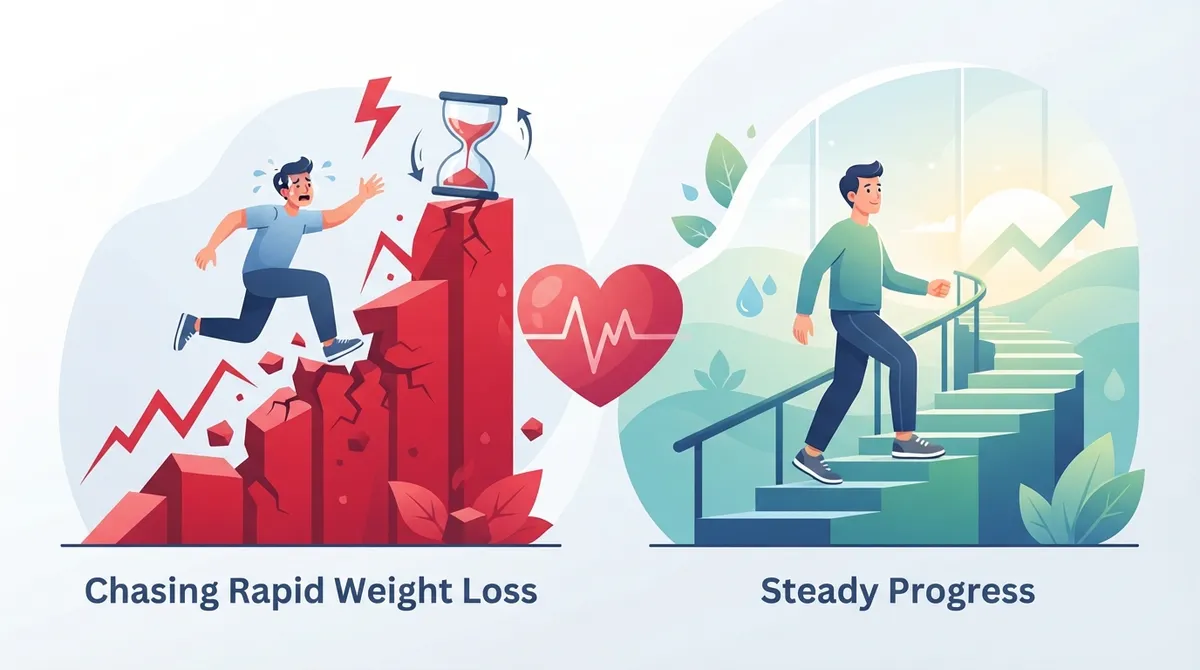
Mistake 2: Chasing Rapid Weight Loss Instead of Steady Progress
Crash diets and extreme calorie cuts might promise fast results, but they can be harmful for people with heart disease. Rapid weight loss can cause dehydration, electrolyte imbalances, and muscle loss. These changes put added stress on an already vulnerable heart.
According to the 2026 AHA/ACC/ADA/ASN guideline on cardiovascular-kidney-metabolic syndrome, lifestyle modification should be the first-line strategy for adults with overweight or obesity. The guideline recommends an initial target of at least 5% to 10% weight loss, achieved gradually through a moderate calorie deficit of about 500 to 750 kcal per day.
|
Weight Loss Goal |
Health Benefit |
|---|---|
|
5% of body weight |
Improved blood pressure and blood sugar control |
|
10% of body weight |
Better lipid levels and reduced cardiovascular risk |
|
10% (atrial fibrillation patients) |
Recommended target per ESC 2025 consensus for risk-factor management |
Even modest, steady weight loss can lower your risk of complications. There is no need to rush the process when the goal is a healthier heart, not a quick number on the scale.
Mistake 3: Ignoring Heart-Healthy Eating Patterns
Not all diets are created equal for people with cardiovascular conditions. Some popular weight loss plans focus heavily on protein or fat without considering sodium, added sugar, or overall heart health. This can backfire for someone managing high blood pressure or coronary artery disease.
Eating patterns like the Mediterranean diet or the DASH diet are widely recommended for heart health. These plans focus on real food and gentle, sustainable habits.
- Eat plenty of vegetables, fruits, and legumes each day
- Choose whole grains over refined carbohydrates
- Add fish, nuts, and lean proteins to your meals
- Use unsaturated fats like olive oil instead of butter
- Limit sodium, added sugars, and processed meats
A nutrition consultation through InCare's weight loss program can help you build a meal plan suited to your specific heart condition, rather than following generic advice that may not fit your needs.
Mistake 4: Exercising Without a Personalized Activity Plan
Physical activity is important for weight loss and heart health, but the wrong type or intensity of exercise can be dangerous for people with symptomatic heart disease or heart failure. Jumping straight into intense workouts without medical guidance is a common and risky mistake.
European prevention guidance from the ESC clinical consensus recommends 150 to 300 minutes per week of moderate-intensity activity, or 75 to 150 minutes of vigorous activity, along with strength training two to three times weekly. However, patients with more complex heart conditions may need a slower, supervised approach.
|
Heart Condition |
Recommended Exercise Approach |
|---|---|
|
Stable coronary artery disease |
Gradual aerobic activity with periodic monitoring |
|
Heart failure with preserved ejection fraction |
Structured, supervised exercise program |
|
Recent cardiac event |
Cardiac rehabilitation before independent exercise |
|
Arrhythmia history |
Medical clearance and activity limits set by a cardiologist |
Your Riverview primary care team can help design an activity plan that matches your exercise tolerance and refer you to cardiac rehabilitation if needed.
Mistake 5: Trying Weight Loss Medications Without Medical Supervision
GLP-1 and GIP/GLP-1 medications, including semaglutide and tirzepatide, have become popular tools for weight loss. These medications can offer real cardiometabolic benefits, but they are prescription treatments that require careful evaluation. Obtaining them from unverified sources or skipping medical monitoring is a serious mistake for anyone with heart disease.
Common clinical thresholds for anti-obesity medications include a BMI of at least 30, or at least 27 with a related condition such as cardiovascular disease, high blood pressure, type 2 diabetes, or sleep apnea. Medication selection must account for your cardiac history, possible side effects, drug interactions, and cost.
- Full review of your cardiac and medical history
- Screening for contraindications specific to heart disease
- Ongoing monitoring for side effects
- Coordination with your cardiologist when appropriate
- Realistic goal setting based on your health profile
InCare offers semaglutide options in Riverview under physician supervision, ensuring your treatment fits safely within your overall heart care plan.
How Coordinated Care Supports Safe Weight Loss
Weight loss for heart disease works best when your primary care provider and cardiologist are on the same page. This means sharing test results, medication lists, and progress updates so nothing falls through the cracks.
A well-coordinated plan for Riverview patients often includes several parts working together.
- Cardiovascular risk assessment and baseline measurements
- Waist circumference and body composition tracking
- Medication review to check for interactions or side effects
- Nutrition counseling tailored to your heart condition
- Blood pressure and diabetes management alongside weight goals
- Exercise planning with clearance from cardiology if needed
- Referral to cardiac rehabilitation or bariatric specialists when appropriate
For abdominal weight, the ESC consensus identifies waist circumference above 102 cm in men or 88 cm in women as levels where weight reduction is recommended. These thresholds can vary by ethnicity and sex, so your provider will personalize your targets.
Building Long-Term Habits That Protect Your Heart
Behavioral support is often the missing piece in weight loss plans. Simply telling someone to eat less and move more rarely works long term, especially for people managing chronic heart conditions.
Effective, medically supervised programs typically include the following elements.
- Regular self-monitoring of food intake and activity
- Consistent weight and progress tracking
- Sleep and stress management support
- Problem-solving strategies for setbacks
- Scheduled follow-up visits to adjust the plan as needed
Tools like body composition analysis and metabolic breath analysis can give you and your care team a clearer picture of your progress beyond just the number on the scale. This data-driven approach helps identify what is actually working for your body.
Why Choose InCare for Heart-Safe Weight Loss in Riverview
InCare combines primary care expertise with advanced wellness tools to support patients managing heart disease and weight together. Our Riverview location offers cancer screenings, chronic disease management, and personalized weight loss programs under one roof, so your care stays connected rather than scattered across separate offices.
Patients consistently highlight the personal attention they receive from our team. You can read more patient experiences and visit us on Google — InCare to see feedback from real Riverview and Tampa patients. You can also follow updates and health tips through our Facebook page or see wellness content on Instagram and Tik Tok.
According to the American Heart Association, structured lifestyle modification combined with medical oversight offers the safest path toward meaningful weight loss for patients with cardiovascular-kidney-metabolic syndrome, and this approach forms the foundation of care at InCare.
Take the Next Step Toward a Healthier Heart
Weight loss for heart disease does not have to feel confusing or risky when you have the right support. Avoiding these five common mistakes gives you a much safer path toward better cardiovascular health, whether your goal is lowering blood pressure, improving blood sugar, or simply feeling stronger day to day.
Our Riverview team is ready to build a plan around your specific heart health needs, medications, and goals. Book Now to schedule your consultation, or Contact our office to learn more about medically supervised weight loss options available at InCare.
FAQs
Q: Is weight loss safe if I have heart disease?
A: Yes, weight loss can be safe and beneficial for people with heart disease when it is done gradually and under medical supervision. Your care team should review your cardiac history and exercise tolerance before starting any plan. Rapid or extreme weight loss methods carry more risk and should be avoided.
Q: How much weight should I lose to improve my heart health?
A: Current guidelines generally recommend an initial goal of 5% to 10% of your baseline body weight. Even this modest amount can improve blood pressure, blood sugar, and lipid levels. For patients with atrial fibrillation, some guidance recommends a target of at least 10% weight reduction.
Q: Can I take semaglutide or tirzepatide if I have heart disease?
A: These medications may be appropriate for some patients with heart disease, but they require a full medical evaluation first. Your provider will review your cardiac history, current medications, and potential contraindications before prescribing. Monitoring by a qualified clinician is essential throughout treatment.
Q: Do I need a stress test or cardiologist's approval before exercising for weight loss?
A: This depends on your specific heart condition and symptoms. Patients with symptomatic heart disease, recent cardiac events, or heart failure often need medical clearance or a supervised cardiac rehabilitation program. Your primary care provider can help determine if additional testing is needed.
Q: How can a Riverview primary care provider help with medically supervised weight loss?
A: A Riverview primary care provider can coordinate your cardiovascular risk assessment, medication review, nutrition counseling, and exercise planning in one place. They can also refer you to cardiology, cardiac rehabilitation, or bariatric specialists when needed. This coordinated approach helps ensure your weight loss plan stays safe for your heart.