Key Takeaways
- IM injections deliver medication directly into muscle tissue, which has rich blood supply enabling faster absorption than oral medications that must pass through the stomach and liver first.
- Correct injection site selection (deltoid, vastus lateralis, or ventrogluteal) and proper 90-degree needle angle are critical to ensure medication reaches muscle rather than fat layer and reduces complications.
- Beyond vaccines, IM injections are used for wellness purposes including B12, vitamin D, and glutathione shots to support energy and immunity, though results vary individually and require provider consultation.
- Most IM injections take 1-2 minutes and cause only mild soreness that fades within days; receiving injections from trained clinical staff reduces risk of complications like poor absorption or nerve irritation.
If your doctor has ever recommended a shot for a vaccine, a vitamin boost, or a hormone treatment, you may have received an IM injection. IM stands for intramuscular, which means the medicine goes straight into your muscle. This method helps your body absorb certain medications faster than pills or capsules. At InCare, patients across Tampa and Riverview often ask how these injections work, which sites are used, and what to expect during treatment.
Whether you are getting a flu shot, a B12 boost, or hormone therapy, understanding the basics can ease your mind. This guide breaks down five key facts about IM injections. We will cover where they are given, how they work, and what makes them safe. You will also learn how wellness clinics use this simple technique to support energy, immunity, and overall health.

1. What Is an IM Injection and Why Does It Work So Fast?
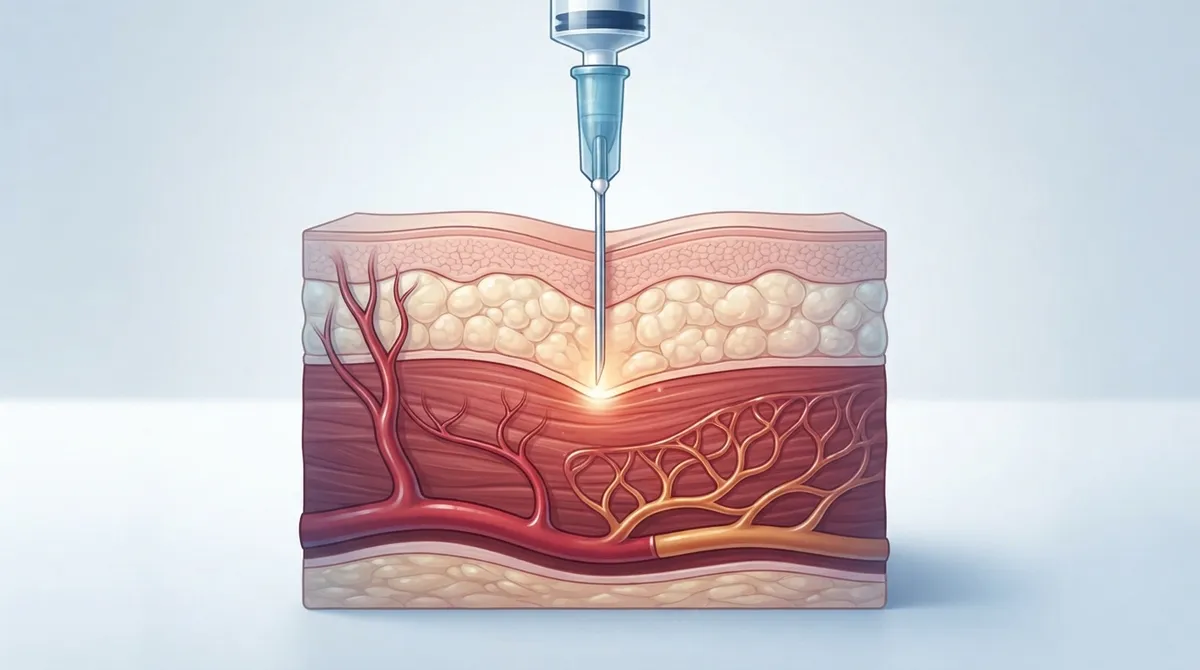
An IM injection delivers medicine directly into muscle tissue. Muscles have a rich blood supply, so they absorb medication quickly. This is why doctors often choose this method when fast results matter.
Unlike pills that must pass through your stomach and liver first, IM injections skip that step. This can mean quicker relief or faster nutrient delivery for certain treatments. Many primary care visits include this option for vaccines, antibiotics, or vitamin therapy.
Here are the main reasons providers choose IM injections:
- Faster absorption than oral medications in many cases
- Reliable dosing since the full amount reaches the muscle
- Useful for medications that would break down in the stomach
- Common choice for vaccines, vitamins, and certain hormone treatments

2. The Best Injection Sites for Adults
Where a nurse or doctor places the needle matters. The right spot depends on your age, body size, and the type of medicine being given. Three sites are most common for adult patients.
Common IM Injection Sites
- Deltoid muscle - Located in the upper arm, this is the most common site for vaccines and small-volume injections.
- Vastus lateralis - Found in the outer thigh, often used for infants and sometimes adults needing larger doses.
- Ventrogluteal muscle - Located in the hip area, this site is preferred for larger volume injections and has fewer nearby nerves.
Correct landmarking, or finding the exact spot, is critical. A missed landmark can cause pain, poor absorption, or in rare cases, nerve irritation. This is one reason it helps to receive injections from trained clinical staff rather than attempting them at home without guidance.
Injection SiteBest ForTypical Needle AngleDeltoid (upper arm)Vaccines, small-volume shots90 degreesVastus Lateralis (thigh)Larger doses, infants, some adults90 degreesVentrogluteal (hip)Larger volume medications90 degrees
3. Needle Size and Technique Matter More Than You Think
Not all needles are the same. The size used depends on your body type, age, and the medicine being injected. According to CDC guidance, adult vaccines typically use a 22- to 25-gauge needle, with length adjusted for body weight and sex.
Most IM injections are given at a 90-degree angle to the skin. This angle helps the medicine reach the muscle instead of the fat layer underneath. Poor technique or the wrong angle can lead to a sore injection site or reduce how well the medicine works.
Before any injection, your provider should check the site for the following:
- Signs of infection or bruising
- Open wounds or abrasions
- Areas with scar tissue or necrosis
- Nearby nerves, bones, or blood vessels
This careful check is part of standard safety practice at any trusted clinic. At InCare, our providers follow these clinical guidelines during every visit to protect patient safety and comfort.
4. Common Wellness Uses for IM Injections
Beyond vaccines, many wellness clinics offer nutrient-based IM injections. These shots are popular among patients looking to support energy, immunity, or overall wellness goals.
Popular Nutrient Injections
- Vitamin B12 - Often used to support energy levels and combat fatigue.
- Vitamin D - Helpful for patients with low sun exposure or documented deficiency.
- Glutathione - Sometimes used to support antioxidant levels in the body.
Some clinics market these shots as a way to bypass digestion and improve how well your body absorbs the nutrient. While this can be true for certain compounds, it is important to view these claims with a clinical lens. Not every nutrient benefits equally from IM delivery, and results vary by individual. Discussing your specific health goals with a provider helps determine if this approach makes sense for you.
Many patients pair these injections with other wellness services, such as IV hydration and vitamin drips, for a more complete approach to energy and recovery. Others combine them with a broader wellness plan that includes DNA gene testing or body composition analysis to better understand their unique health needs.
5. What to Expect During and After Your Injection
Most IM injections are quick. Small-volume shots often take only one to two minutes from start to finish. Your provider will clean the site, insert the needle at the correct angle, and deliver the medicine before applying a small bandage.
Mild soreness at the injection site is common and usually fades within a day or two. Rare side effects can include redness, swelling, or bruising. If you notice significant pain, fever, or signs of infection, contact your provider right away.
Here is a simple checklist for what happens during a typical visit:
- Your provider reviews your health history and current medications
- The injection site is checked and cleaned
- The needle is inserted at the correct angle and depth
- Medicine is delivered, and the needle is removed
- A bandage is applied, and you are monitored briefly for reactions
This process is part of the personalized care model used across InCare's Tampa and Riverview locations. Whether you need a routine vaccine, an urgent care visit, or a wellness-focused nutrient shot, our team walks you through every step.
Who Should Avoid IM Injections?
While IM injections are generally safe, they are not right for everyone. Patients with certain bleeding disorders or those on blood thinners may need alternative delivery methods. Your provider will review your medical history before recommending this option.
People with muscle wasting conditions or very low body fat may also need adjusted needle sizes or alternate sites. This is why a thorough health review matters before any injection, especially for new patients establishing care at a clinic for the first time.
Comparing IM Injections to Other Delivery Methods
MethodAbsorption SpeedCommon UsesIM InjectionFastVaccines, vitamins, hormones, antibioticsOral MedicationSlower, affected by digestionDaily prescriptions, supplementsIV InfusionImmediateHydration, high-dose vitamins, fluidsSubcutaneous InjectionModerateInsulin, some hormone therapies
Each method has its place depending on your health needs. A provider trained in primary care can help you choose the right option for your situation, whether that means a quick IM shot or a longer IV hydration session.
Why Choose a Trusted Clinic for Your Injections
Getting an IM injection may seem simple, but technique and safety checks matter. Choosing a clinic with experienced staff reduces your risk of complications and improves comfort. InCare's team follows strict clinical protocols for every injection, from vaccines to wellness treatments.
Our patients often mention the friendly, knowledgeable staff when sharing their experience. You can visit us on Google — InCare to read reviews from patients across Tampa and Riverview. Many highlight how comfortable and quick their injection visits were.
We also share helpful health tips and behind-the-scenes clinic updates on Facebook, Instagram, and TikTok. These platforms are a great way to stay informed about new wellness services and seasonal health reminders, like flu shot season.
Bringing It All Together
IM injections remain one of the most reliable ways to deliver vaccines, medications, and nutrients directly into the body. Knowing the right site, needle size, and safety checks helps you feel more confident before your next visit. Whether you need a routine vaccine or want to explore wellness-focused options like weight loss support or hair restoration treatments, a trained provider makes all the difference.
InCare's team in Tampa and Riverview is ready to guide you through every step, from your first consultation to ongoing wellness care. If you are ready to schedule your next injection or wellness visit, book your appointment today and experience personalized care backed by modern technology. You can also get in touch with our team if you have questions about which service fits your health goals.
FAQs
Q: What is an IM injection used for?
A: An IM injection delivers medications, vaccines, or nutrients directly into muscle tissue for faster absorption. Common uses include flu shots, antibiotics, hormone therapy, and vitamin injections like B12 or vitamin D.
Q: Are IM injections better than oral vitamins?
A: IM injections can offer faster absorption for certain nutrients since they bypass digestion. However, this does not mean every vitamin works better as an injection, so it is best to discuss your specific needs with a provider.
Q: Where is the best place for an IM injection in adults?
A: The deltoid muscle in the upper arm is the most common site for adults, especially for vaccines. Larger volume injections may use the ventrogluteal muscle in the hip or the vastus lateralis in the thigh.
Q: What are the risks or side effects of IM injections?
A: Mild soreness, redness, or bruising at the injection site are the most common side effects. Rare complications can include nerve irritation or infection if proper technique and site selection are not followed.
Q: How long does an IM injection take to work?
A: Many IM injections work quickly since the medicine enters muscle tissue with a strong blood supply. The actual procedure itself often takes only one to two minutes for small-volume injections.