Key Takeaways
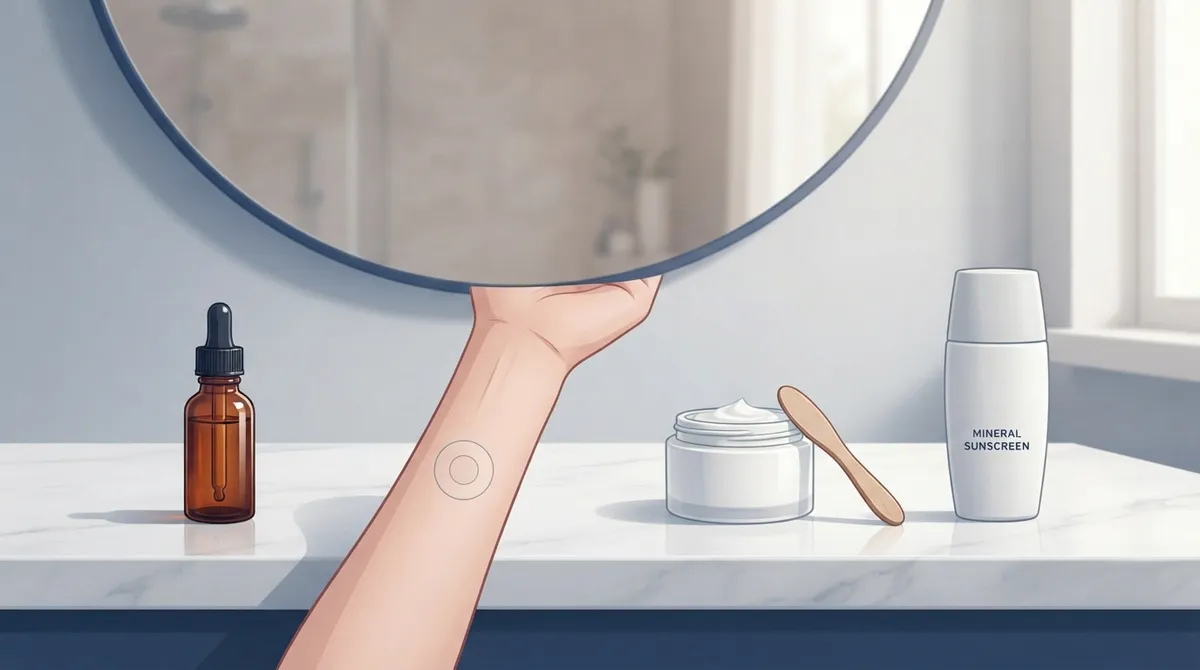
- Start with patch testing on your forearm for 24 hours before applying GHK-Cu to your face, especially if you have sensitive skin or contact dermatitis history.
- Use only topical GHK-Cu serums or creams labeled for cosmetic use; avoid injectable products sold online as they lack FDA approval and robust safety data.
- Apply to clean, dry skin once daily initially, follow with moisturizer, and always use broad-spectrum sunscreen during the day to protect skin barrier.
- Monitor for redness, stinging, or irritation; current research shows promising but limited evidence from small human trials, so manage expectations about dramatic anti-aging results.
Copper peptide skin care has taken over beauty aisles and wellness clinics alike. If you have searched for ways to support smoother, firmer-looking skin, you have likely come across GHK-Cu. But knowing how to use this ingredient the right way matters just as much as choosing it in the first place.
GHK-Cu, also called copper tripeptide-1, is a naturally occurring peptide-copper complex. Researchers have studied it for decades because of its role in skin repair, collagen support, and tissue remodeling. Still, most of the science behind it comes from lab work, animal studies, and small human trials rather than large-scale clinical research. That means it pays to use GHK-Cu thoughtfully and with realistic expectations.
At InCare, our providers in Tampa and Riverview help patients sort fact from marketing hype across skin care, weight management, and whole-body wellness. This guide walks through five practical steps for using topical GHK-Cu safely, plus what the current research actually supports.
What Is GHK-Cu and Why Does It Matter for Skin Health?
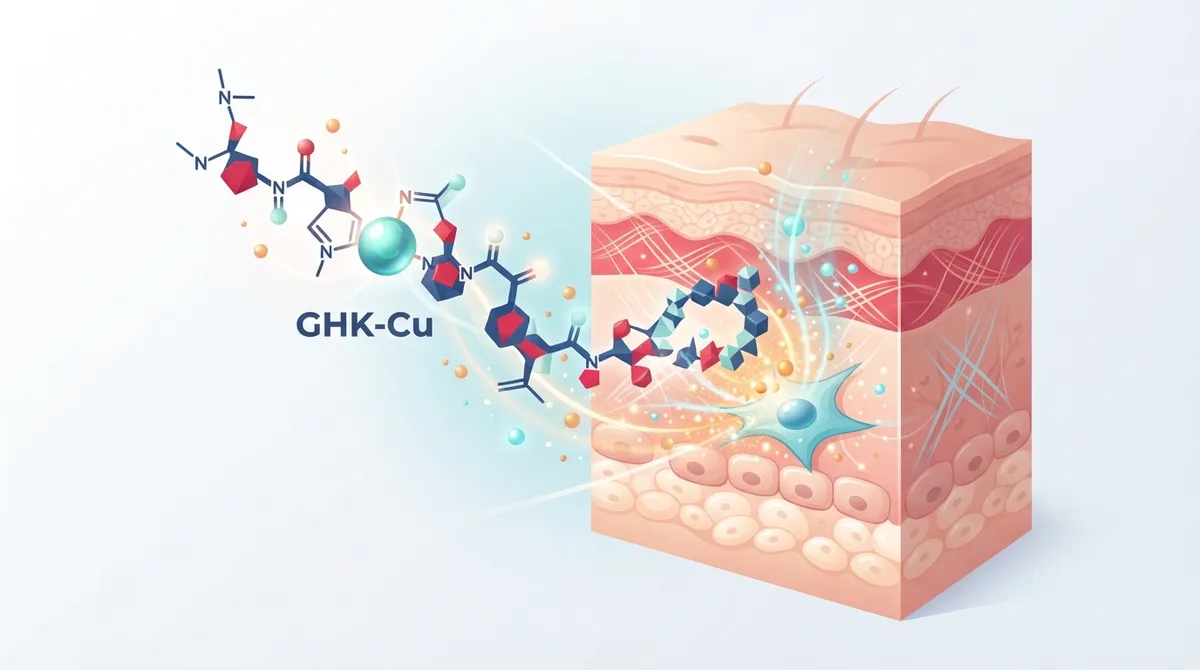
GHK-Cu stands for glycyl-L-histidyl-L-lysine copper(II). It is a small peptide bound to a copper ion that occurs naturally in the human body. Levels of this peptide tend to decline with age, which is part of why researchers became curious about its role in tissue repair.
A 2018 review published in the journal Medicines summarized more than four decades of GHK-Cu research. It included cell studies, animal models, and cosmetic trials in humans. The review noted that while findings are promising, much of the evidence does not come from large modern therapeutic trials. That distinction matters when you are deciding how much weight to give marketing claims.
In primary care and wellness settings, the most defensible use of GHK-Cu is topical cosmetic application. Think serums or creams designed to support the skin barrier and improve appearance. Claims about dramatic anti-aging transformations go beyond what the evidence currently supports.
5 Steps to Use GHK-Cu the Right Way
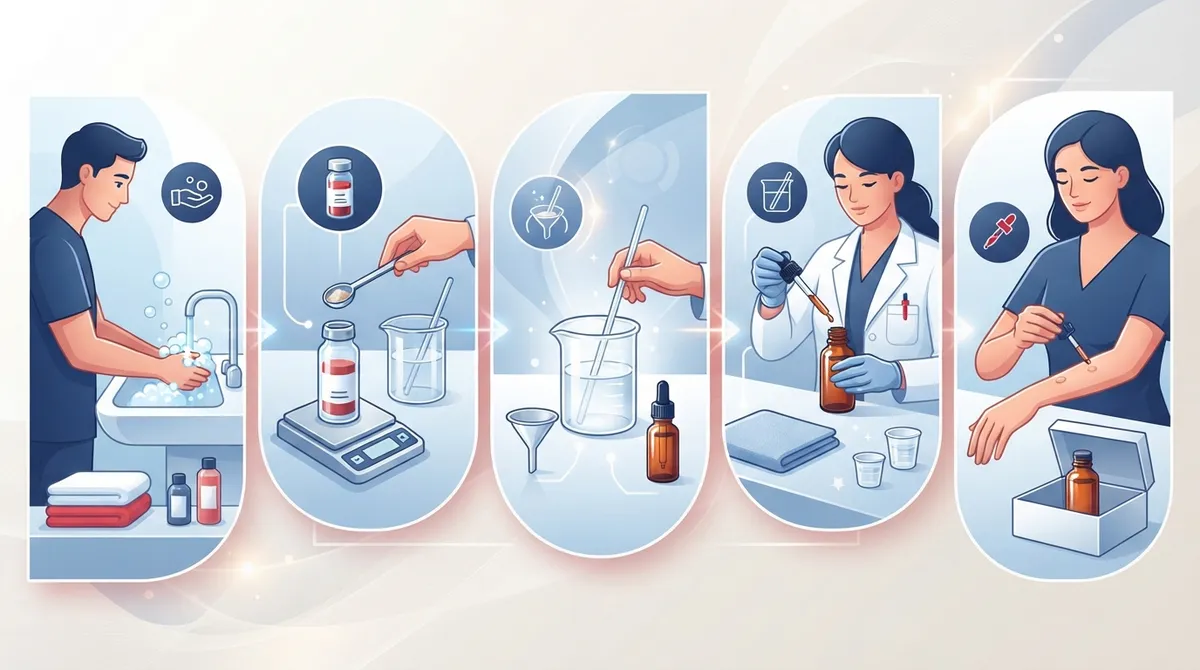
Whether you already own a copper peptide serum or are considering adding one to your routine, following a clear process helps you get the most benefit while minimizing risk.
1. Choose a Topical Product Formulated for Skin Use
Stick with topical serums or creams labeled for cosmetic use. Injectable GHK-Cu products marketed online are not FDA-approved and should not be treated as equivalent to topical formulas. There is no established, evidence-based dosing schedule for self-injected GHK-Cu, and safety data for injections is far weaker than for short-term topical use.
2. Patch Test Before Full Application
Apply a small amount to a discreet area, such as the inside of your forearm, and wait 24 hours. This helps you catch potential allergic or irritant reactions before applying the product to your face. Patch testing is especially important if you have a history of contact dermatitis or sensitive skin.
3. Apply to Clean, Dry Skin Once Daily to Start
A typical consumer approach involves applying a small amount to clean, dry skin once daily. If your skin tolerates it well after a week or two, you may increase frequency according to the product label. Always follow with a moisturizer to lock in hydration.
4. Layer Sunscreen During the Day
Daytime sunscreen is a non-negotiable step. Peptide serums do not replace sun protection, and unprotected skin can undo any potential benefits from your skin care routine. Choose a broad-spectrum SPF and apply it as the last step in your morning routine.
5. Monitor for Side Effects and Know When to Stop
Watch for redness, stinging, itching, or irritation. Mild reactions sometimes settle as your skin adjusts, but you should stop use and seek clinical advice if you notice significant swelling, blistering, or a persistent rash. These symptoms may signal an allergic or irritant contact dermatitis that needs medical attention.
Can GHK-Cu Be Combined With Other Active Ingredients?
Many people wonder whether copper peptides can be layered with retinol, vitamin C, or exfoliating acids. There is limited research specifically addressing these combinations, so caution is reasonable. Some formulators suggest alternating these actives on different days or applying them at different times to avoid destabilizing the ingredients or overwhelming the skin barrier.
If you are managing a diagnosed skin condition, using prescription treatments, or recovering from a cosmetic procedure, talk with a clinician before adding GHK-Cu to your regimen. A primary care visit is a good opportunity to review your full skin care routine alongside your overall health picture.
What the Research Actually Shows
It helps to separate laboratory findings from real-world clinical outcomes. The table below summarizes some of the key research data points on GHK-Cu.
|
Study or Data Point |
Key Finding |
What It Means for Patients |
|---|---|---|
|
2015 review of collagen and GAG studies |
GHK-Cu showed biological effects at roughly 1-10 nanomolar concentrations |
These are lab findings, not dosing instructions for consumers |
|
2018 Medicines journal review |
Summarized 40+ years of cell, animal, and cosmetic human studies |
Evidence is promising but lacks large modern therapeutic trials |
|
12-week topical human study |
0.05% GHK-Cu cream applied twice daily in about 200 participants |
Showed favorable tolerability, but does not confirm systemic benefits |
|
2026 ClinicalTrials.gov listing |
Phase 2 trial of topical GHK-Cu gel for acute skin wounds |
Wound-healing efficacy is still under investigation, not established care |
Who Should Avoid GHK-Cu or Ask a Doctor First?
Certain groups should be extra cautious before using copper peptide products. Consider checking with a clinician if any of the following apply to you:
- You are pregnant or breastfeeding
- You have a history of contact dermatitis or reactive skin
- You currently use prescription-strength skin treatments, such as tretinoin
- You plan to apply the product to an open wound or fresh incision
- You have a diagnosed skin condition, such as eczema or psoriasis, that is not well controlled
- You are recovering from a recent cosmetic or dermatologic procedure
Cosmetic GHK-Cu is not a substitute for evidence-based wound care or treatment for a diagnosed skin condition. If you have concerns about a rash, wound, or hair thinning, a visit to a urgent care clinic or your regular provider is the safer path.
Topical vs. Injectable GHK-Cu: A Quick Comparison
Understanding the difference between these two forms is essential before you buy anything labeled as a copper peptide product.
|
Feature |
Topical GHK-Cu |
Injectable GHK-Cu |
|---|---|---|
|
FDA Approval |
No FDA-approved drug indication; sold as cosmetic |
No FDA-approved product identified |
|
Safety Data |
Stronger short-term topical safety data |
Limited human safety data |
|
Typical Use |
Serum or cream applied to skin |
Not recommended outside clinical research settings |
|
Common Side Effects |
Redness, stinging, mild irritation |
Unknown systemic risks; unregulated sourcing concerns |
|
Recommended Setting |
Home use with label guidance |
Should only occur under medical supervision, if at all |
Common Questions About GHK-Cu Skin Care Routines
Here are a few extra points worth understanding as you build your routine:
- Start slow. Introduce one new active ingredient at a time so you can identify what causes any reaction.
- Read the full ingredient label. Some products combine GHK-Cu with other peptides or acids that may increase sensitivity.
- Store products properly. Heat and light can degrade peptide stability over time.
- Track your skin's response over several weeks. Cosmetic changes from peptides tend to appear gradually, not overnight.
- Reassess with a professional if you see no improvement after 8 to 12 weeks of consistent use.
For patients who want a more complete picture of their skin health alongside other wellness goals, InCare offers services like DNA gene testing and body composition analysis. These tools can help identify factors that influence how your skin ages and responds to topical treatments.
Why Professional Guidance Still Matters
Marketing claims about peptides often move faster than the science backing them. Reputable primary care and wellness providers can help you evaluate new products with a critical eye. This is especially true for people managing chronic skin conditions, hormone changes, or recovering from procedures like hair restoration treatments.
InCare's team, including Dr. Naveen Paddu, Dr. Pramjeet Ahluwalia, and Dr. Teshy John, brings a whole-body approach to wellness. Patients across Tampa and Riverview trust this team to combine evidence-based advice with the latest wellness technology, from IV hydration and vitamin drips to advanced cancer screening services.
You can also see how other patients describe their experience by checking InCare on Facebook or following updates on Instagram. For quick wellness tips and behind-the-scenes clinic content, InCare is also active on TikTok.
Bringing It All Together
Using GHK-Cu safely comes down to five steps: choosing a topical product, patch testing, applying consistently to clean skin, protecting with sunscreen, and watching for side effects. The current research supports cautious optimism about skin appearance benefits, but it does not support injectable use or claims about curing hair loss, wounds, or systemic aging.
If you have questions about your skin, hormones, or overall wellness plan, our providers are ready to help you sort evidence from hype. Learn more about how InCare approaches whole-body health by visiting our About Us page, or explore patient experiences by visiting our clinic listing on Google. See what our InCare patients say by choosing to visit us on Google — InCare.
Ready to talk with a provider about your skin care routine or broader wellness goals? Reach out to our team today or go ahead and schedule your appointment now at our Tampa or Riverview location.
FAQs
Q: How should I apply GHK-Cu serum to my face?
A: Apply a small amount to clean, dry skin once daily at first, then increase frequency only if your skin tolerates it well. Follow with a moisturizer and always use daytime sunscreen for best results.
Q: Can GHK-Cu be used every day?
A: Many people use topical GHK-Cu daily once their skin adjusts, but it is best to start slowly and follow the product label. Daily use should be paired with sun protection and monitoring for any irritation.
Q: Does GHK-Cu really stimulate collagen?
A: Laboratory and animal studies suggest GHK-Cu may support collagen and glycosaminoglycan production, but robust large-scale human trials are limited. Current evidence is promising but not definitive for dramatic anti-aging claims.
Q: Is injectable GHK-Cu safe or FDA approved?
A: No FDA-approved injectable GHK-Cu product currently exists, and human safety data for injections is much weaker than for topical use. Unregulated injectable products sold online should be avoided.
Q: Should GHK-Cu be used on an open wound or after a cosmetic procedure?
A: Cosmetic GHK-Cu products are not a substitute for evidence-based wound care, and a 2026 clinical trial is still studying wound-healing efficacy. Anyone with an open wound or recent procedure should consult a clinician before applying any topical peptide product.