Key Takeaways
- Low kisspeptin signaling disrupts the entire reproductive hormone chain by reducing GnRH, LH, and FSH release, causing missed periods, infertility, low testosterone, and delayed puberty that can be traced back to this single pathway dysfunction.
- Kisspeptin blood tests are not yet standardized for clinical use; doctors instead diagnose low kisspeptin effects through LH, FSH, testosterone, and prolactin tests, making symptom awareness and detailed health history critical for proper evaluation.
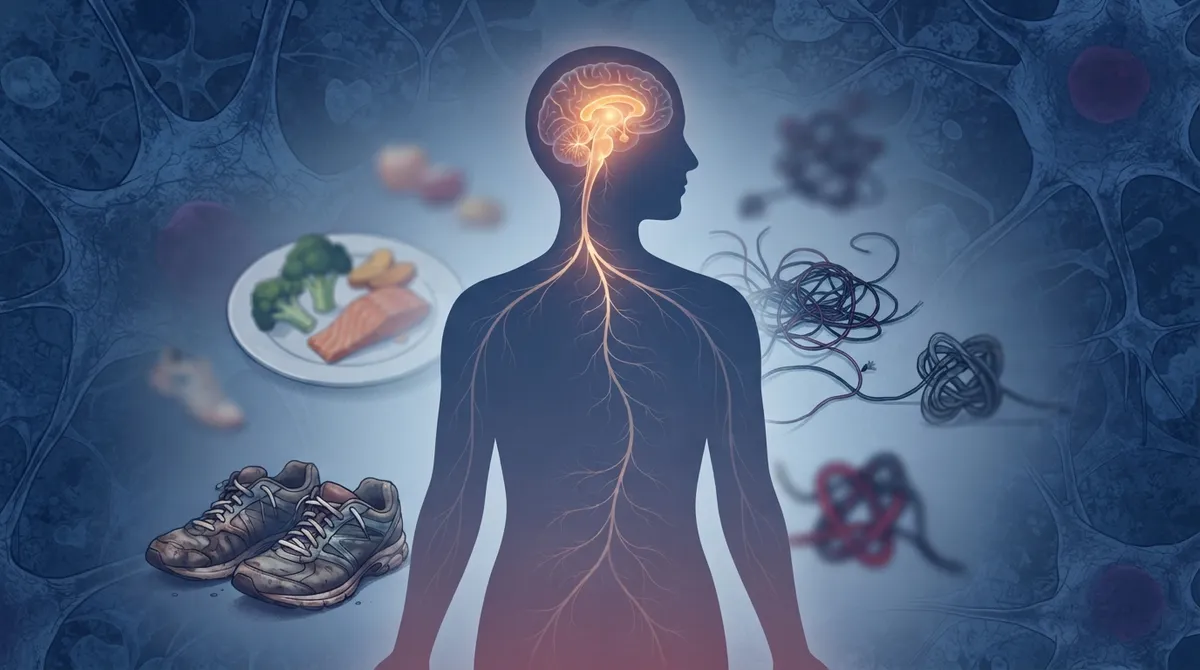
- Common causes of low kisspeptin include calorie restriction, excessive exercise, significant weight changes, chronic stress, high prolactin levels, certain medications like opioids and steroids, and genetic KISS1 gene mutations.
- Kisspeptin-based treatments like intranasal sprays show promise in early 2025 research for boosting hormone release in hypothalamic amenorrhea, but remain investigational and unavailable outside research settings.
- Schedule primary care evaluation if you experience unexplained missed periods, fertility struggles, low libido, delayed puberty, or fatigue; provide diet, exercise, medication, and family history details to guide proper hormone testing.
- Seek endocrinology referral if you have absent puberty by expected age, new period loss, ongoing infertility despite normal testing, severe headaches, vision changes, or hormone deficiencies unresponsive to initial treatment.
Kisspeptin is a hormone signal most people have never heard of, yet it plays a huge role in fertility and puberty. This small protein tells your brain to release the hormones that control reproduction. When kisspeptin signaling drops too low, the effects can show up as missed periods, low testosterone, or trouble getting pregnant. If you have been dealing with unexplained hormone symptoms, understanding kisspeptin low levels can help you ask your doctor the right questions.
At InCare, our primary care team in Tampa and Riverview helps patients get to the root cause of hormone problems. We do not just chase symptoms. We look at your whole health picture, from lab work to lifestyle factors, to find real answers. This guide breaks down five key signs and facts about kisspeptin low levels, using the latest research to keep you informed.
What Is Kisspeptin and Why Does It Matter?
Kisspeptin is a chemical messenger made in the brain. It comes from a gene called KISS1. This messenger activates a receptor called KISS1R, found on special brain cells that control reproduction.
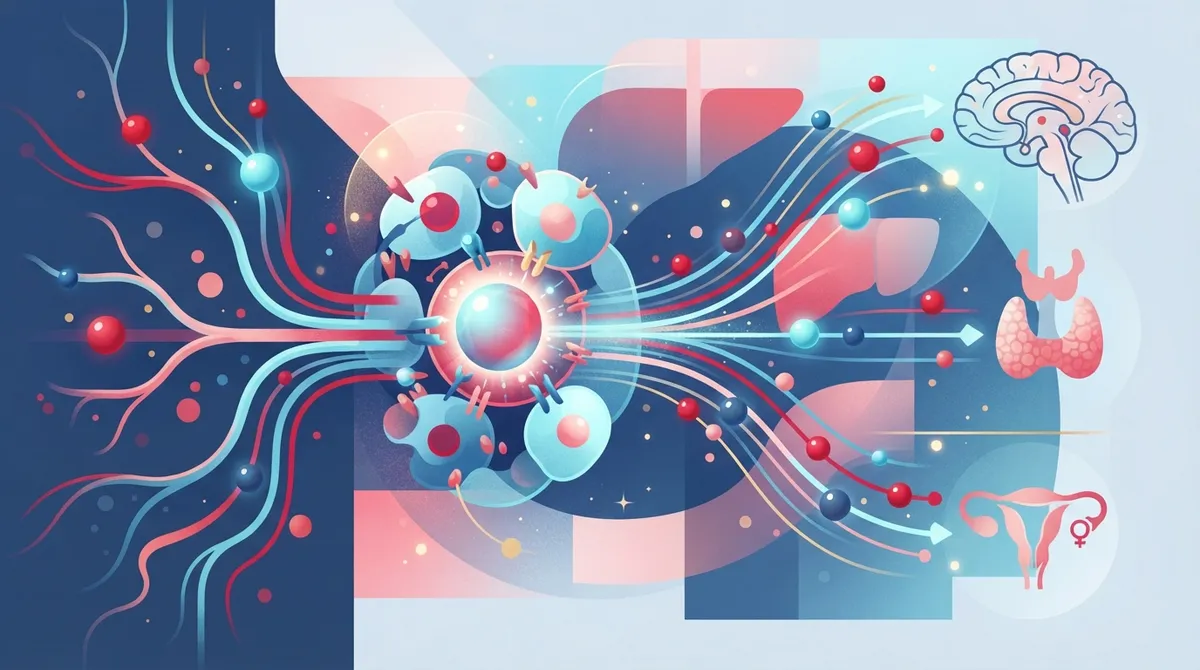
Think of kisspeptin as the ignition switch for your reproductive system. It tells your brain to release GnRH, a hormone that then triggers LH and FSH. These two hormones drive puberty, ovulation, and testosterone production. Without a strong kisspeptin signal, this whole chain can stall.
The Hormone Chain, Step by Step
- Kisspeptin is released from the hypothalamus in the brain.
- It binds to KISS1R receptors on GnRH neurons.
- GnRH is released in a pulsing pattern.
- GnRH tells the pituitary gland to release LH and FSH.
- LH and FSH signal the ovaries or testes to make sex hormones.
When any step breaks down, especially the first one, the whole system can suffer. This is why low kisspeptin signaling is tied to a condition called hypogonadotropic hypogonadism.
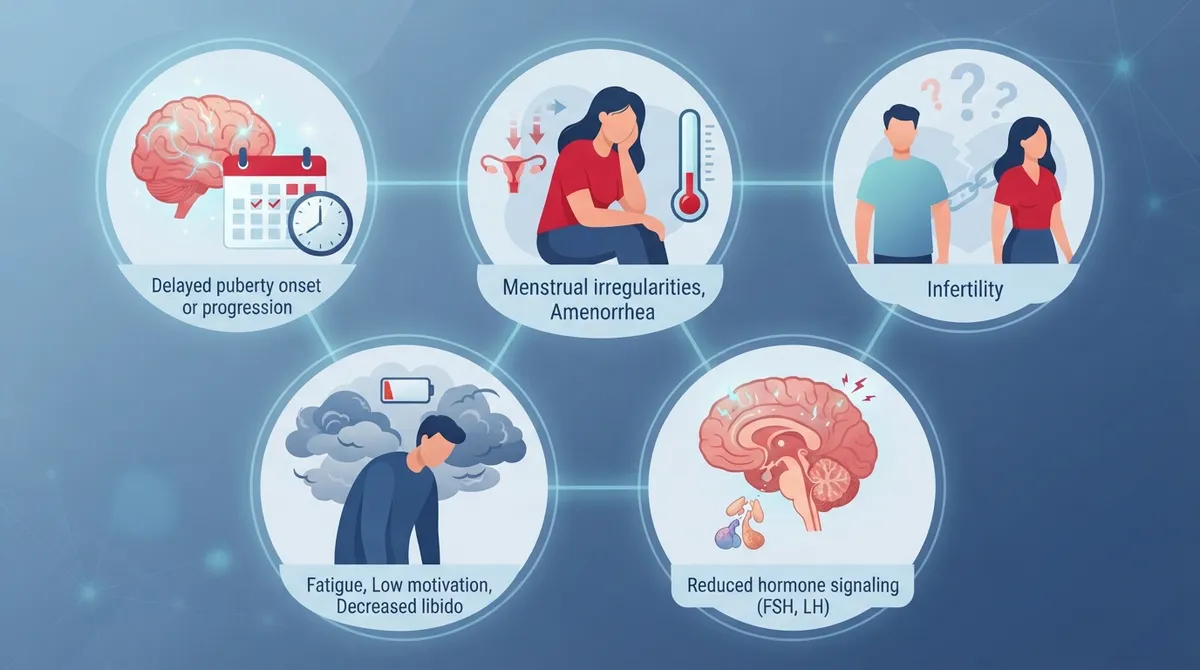
5 Signs Linked to Kisspeptin Low Levels
Doctors rarely test kisspeptin directly in a primary care office. Instead, they look for the downstream symptoms that suggest a problem with this signaling pathway. Here are five signs worth watching.
1. Delayed or Absent Puberty
Kisspeptin helps kick off puberty in both boys and girls. When signaling is weak, puberty can be delayed or may not start on its own. This is one of the clearest signs doctors look for in younger patients.
2. Irregular or Missing Periods
Low kisspeptin activity can reduce LH and FSH, which are needed for regular ovulation. This can lead to irregular cycles or amenorrhea, meaning periods stop altogether. Stress, low body weight, and heavy exercise can all play a role here.
3. Fertility Struggles
Because kisspeptin sits at the top of the reproductive hormone chain, low signaling can make it harder to conceive. Couples dealing with unexplained infertility sometimes learn the root issue traces back to this pathway.
4. Low Testosterone or Low Libido
In men, weak kisspeptin signaling can lower LH, which then lowers testosterone. This may show up as low sex drive, fatigue, reduced muscle mass, or erectile trouble. Our testosterone replacement therapy team often sees patients who need a full hormone workup before starting treatment.
5. Bone Density Loss and Fatigue
Sex hormones help protect bone strength. When kisspeptin signaling stays low for a long time, the resulting drop in estrogen or testosterone can weaken bones. Patients may also report ongoing fatigue and low energy.
|
Sign |
Possible Cause |
Who It Affects |
|---|---|---|
|
Delayed puberty |
Reduced GnRH pulses from low kisspeptin activity |
Teens and adolescents |
|
Missed periods |
Low LH and FSH release |
Women of reproductive age |
|
Infertility |
Disrupted hormone signaling chain |
Men and women |
|
Low testosterone |
Reduced LH stimulation of the testes |
Men |
|
Bone density loss |
Long-term low sex hormone levels |
Both sexes |
What Causes Low Kisspeptin Signaling?
Low kisspeptin activity is rarely random. It usually connects to another underlying issue. Common causes include the following.
- Not eating enough or severe calorie restriction
- Excessive exercise, especially in competitive athletes
- Significant weight loss or, in some cases, severe obesity
- Chronic illness or ongoing physical stress
- High prolactin levels or a pituitary tumor
- Certain medications, including opioids and long-term steroids
- Genetic changes in the KISS1 or KISS1R genes
A 2015 review confirmed that mutations in these genes can directly cause hypogonadotropic hypogonadism, showing just how central this pathway is to reproductive health. This means a low kisspeptin signal is often a clue, not a stand-alone diagnosis.
Is There a Blood Test for Kisspeptin?
Right now, kisspeptin blood testing is not a routine part of primary care. Levels change based on age, sex, cycle phase, and even pregnancy status. There is no widely accepted normal range yet, which makes the test hard to interpret outside of research settings.
A 2025 review found that kisspeptin testing may become useful in the future for checking hypothalamic function. But for now, there is no direct, standard way to use it in everyday clinical care. This is why doctors focus on other tests instead.
Tests Your Doctor May Order Instead
- Morning total testosterone (for men, checked twice to confirm)
- LH and FSH levels
- Estradiol and pregnancy testing (for women, when relevant)
- Prolactin levels
- Thyroid function tests
- Iron studies, if overload is suspected
- Pituitary imaging, if levels stay abnormal
The Endocrine Society recommends confirming low testosterone with two separate morning blood draws, then using LH and FSH to figure out if the problem starts in the brain or the testes. This approach is far more useful in daily practice than ordering a kisspeptin test.
Comparing Kisspeptin Research to Standard Hormone Testing
|
Feature |
Kisspeptin Testing |
Standard Hormone Panel (LH, FSH, Testosterone) |
|---|---|---|
|
Clinical availability |
Mostly research only |
Widely available in primary care |
|
Reference ranges |
Not standardized |
Well established |
|
Guides treatment |
Not yet approved for this use |
Yes, guides diagnosis and therapy |
|
Best used for |
Research studies |
Everyday patient care |
Can Kisspeptin Therapy Treat Low Levels?
Scientists are studying kisspeptin injections and nasal sprays as possible fertility treatments. A 2025 first-in-human study using intranasal kisspeptin-54 found it could quickly boost gonadotropin release in healthy adults and in some people with hypothalamic amenorrhea. No adverse events were reported during that study, though researchers say larger, longer trials are still needed.
Earlier research also supports this idea. A small 2016 study of six men with a rare inherited hormone disorder found that responses to kisspeptin depended on whether the patient still had some natural hormone pulsing left. A 2018 study in healthy older men showed kisspeptin could still stimulate hormone release, though the response was weaker than in younger men. These are promising findings, but kisspeptin treatment remains investigational. It is not yet an approved therapy you can request at a wellness clinic.
Steps to Take If You Suspect Low Kisspeptin Signaling
If you notice signs like missed periods, low libido, or fertility struggles, do not try to self-diagnose or buy unproven supplements. Follow these steps instead.
- Schedule a visit with a primary care provider to review your symptoms.
- Ask for basic hormone testing, including LH, FSH, and testosterone or estradiol.
- Share details about your diet, exercise habits, and any medications.
- Discuss family history of delayed puberty or infertility.
- Follow up on any abnormal results with imaging or specialist referral if needed.
Our providers, including Dr. Pramjeet Ahluwalia and Dr. Naveen Paddu, can walk you through this process. We also offer DNA gene testing for patients who want a deeper look at inherited hormone risks.
When to See a Specialist
Most hormone concerns can start with your primary care doctor. But some cases need a specialist's expertise. Consider a referral to endocrinology if you have any of the following.
- Absent puberty by the expected age
- New, unexplained loss of periods
- Ongoing infertility despite normal basic testing
- Severe headaches or vision changes, which can signal a pituitary issue
- Unexpected breast milk production, called galactorrhea
- Signs of significant hormone deficiency that do not improve
Pregnancy also raises kisspeptin levels naturally. Some research has linked lower first-trimester kisspeptin to pregnancies that later ended in miscarriage. This is still an active research area and not yet a screening tool, but it shows how tightly connected kisspeptin is to reproductive health at every stage.
How InCare Supports Your Hormone Health
InCare combines comprehensive primary care with advanced wellness tools to help you get real answers, not guesswork. Our body composition analysis and metabolic breath analysis can help identify lifestyle factors, like excessive exercise or nutrition gaps, that might be affecting your hormone balance.
We also offer medically supervised weight loss programs, since both being underweight and having severe obesity can disrupt reproductive hormone signaling. For patients dealing with fatigue or low vitamin levels alongside hormone symptoms, our IV hydration and vitamin drips can support overall wellness while we work through diagnostic testing.
With locations in Tampa and Riverview, plus virtual visit options, our clinic locations make it easy to get the care you need. You can also read what real patients say by visiting our page on Visit us on Google — InCare, where we maintain a strong reputation for friendly, thorough care.
Frequently Overlooked Symptoms Worth Discussing
Some symptoms tied to reproductive hormone problems get dismissed as normal stress or aging. Do not ignore these patterns if they persist.
- Ongoing fatigue that does not improve with rest
- Reduced muscle mass despite regular exercise
- Hot flashes in younger patients
- Loss of body or facial hair growth
- Mood changes tied to hormone shifts
Bringing up these details during your visit helps your provider build a complete picture. Stay connected with health tips and patient stories by following InCare on Facebook, Instagram, and TikTok.
Take Control of Your Hormone Health Today
Kisspeptin low levels are not something you can diagnose at home, but the symptoms they cause deserve real attention. Whether you are dealing with irregular periods, fertility concerns, or low testosterone, a thorough hormone evaluation can point you toward answers and effective treatment. Do not wait for symptoms to get worse before seeking help.
Ready to get answers about your hormone health? Contact our InCare team today or book your appointment now to start your personalized evaluation with our Tampa or Riverview providers.
FAQs
Q: What does kisspeptin do in the body?
A: Kisspeptin is a brain hormone that activates the pathway controlling puberty, ovulation, and testosterone production. It signals GnRH neurons to release hormones that trigger LH and FSH, which then drive reproductive function.
Q: Can low kisspeptin cause infertility or missed periods?
A: Yes, weak kisspeptin signaling can reduce LH and FSH release, which may lead to irregular or absent periods and difficulty conceiving. This condition is known as hypogonadotropic hypogonadism and often requires further hormone testing to confirm.
Q: Is there a blood test for kisspeptin, and what is the normal range?
A: Kisspeptin blood testing is not currently a standard primary care test. Levels vary widely by age, sex, and reproductive status, and there is no established normal range for routine clinical use.
Q: Are kisspeptin injections or nasal sprays approved treatments for low kisspeptin?
A: No, kisspeptin-based treatments remain investigational. Early studies show promise for stimulating hormone release, but these therapies are not yet approved for routine clinical use and should only be pursued under specialist research protocols.
Q: When should someone with suspected hypothalamic hypogonadism see an endocrinologist?
A: You should seek specialist care if you have absent puberty, new loss of periods, unexplained infertility, severe headaches or vision changes, or persistent hormone abnormalities that do not resolve with initial primary care evaluation.