
Key Takeaways
- Eat protein-rich foods and sulfur-containing vegetables (eggs, fish, garlic, broccoli, cruciferous vegetables) to provide cysteine and amino acids your body needs for natural glutathione synthesis.
- Prioritize 7-9 hours of quality sleep nightly and moderate exercise 3-4 times weekly, as sleep deprivation lowers glutathione levels while gradual, consistent exercise strengthens antioxidant defenses.
- Avoid relying on supplements and IV glutathione treatments; oral glutathione has inconsistent absorption and IV therapy carries rare serious risks, while lifestyle changes offer proven benefits without complications.
- Reduce toxin exposure by eliminating smoking, limiting alcohol, and addressing underlying health conditions through primary care before assuming low glutathione is causing fatigue or illness.
Glutathione is one of the most talked-about antioxidants in wellness circles today. But between viral supplement ads and confusing health claims, it can be hard to know what actually works. If you are searching for how to increase glutathione naturally, the good news is that real, evidence-based strategies exist, and most of them start with simple lifestyle choices rather than expensive treatments.
At InCare, patients in Tampa and Riverview often ask about antioxidants, detox support, and cellular health during wellness visits. This guide breaks down five practical, science-backed ways to support your body's natural glutathione production, along with what the research really says about supplements, IV therapy, and common myths.
What Is Glutathione and Why Does It Matter?
Glutathione (GSH) is an antioxidant your body makes on its own. It comes from three amino acids: cysteine, glycine, and glutamate. Cysteine is often the limiting factor, meaning your body needs enough of it to produce glutathione efficiently.
This antioxidant helps balance oxidative stress inside your cells. It also supports detoxification pathways and works alongside other antioxidant enzymes. That said, having higher glutathione levels has not been proven to prevent disease or extend life in people who are otherwise healthy. It is a helpful piece of the wellness puzzle, not a miracle molecule.
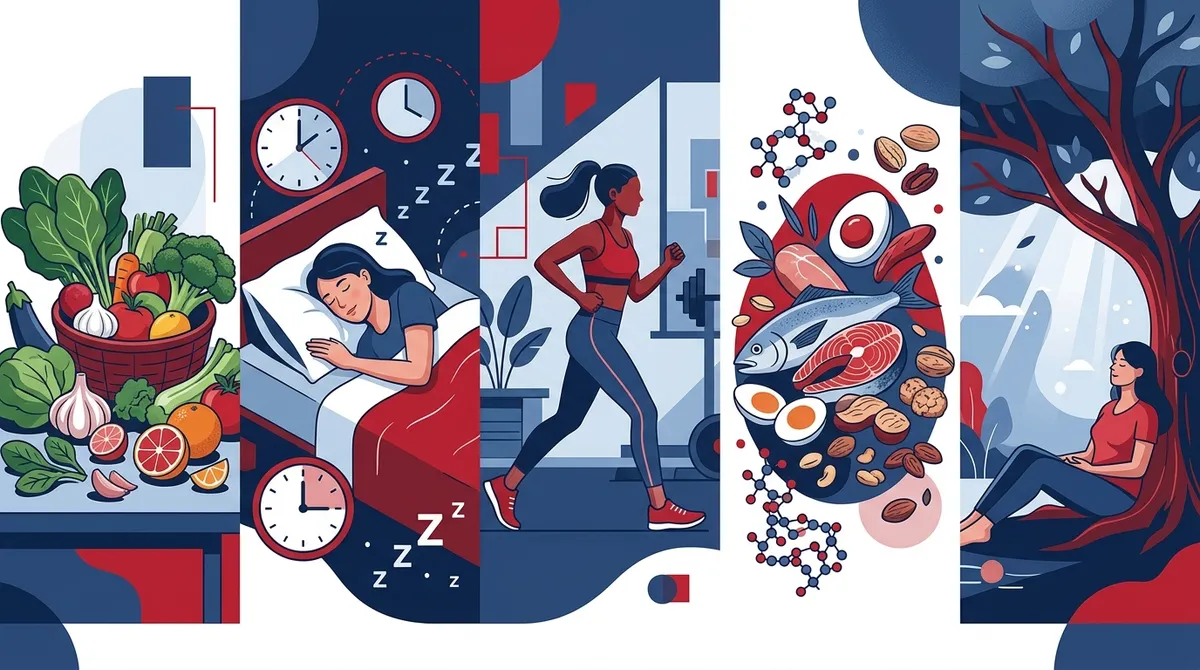
5 Natural Ways to Support Glutathione Production
Here are five strategies backed by current research. Each one supports your body's natural ability to produce and use glutathione effectively.
1. Eat Protein and Sulfur-Rich Foods
Your body needs raw materials to make glutathione, and food is the best source. A balanced diet with adequate protein gives your body the amino acids it needs.
- Eggs, fish, poultry, and lean meat
- Dairy products or whey protein
- Legumes like lentils and beans
- Garlic and onions
- Cruciferous vegetables: broccoli, Brussels sprouts, kale, and cabbage
These foods are commonly cited as glutathione-supportive because they supply sulfur compounds and amino acids the body uses for synthesis. There is no need for exotic superfoods here. A Mediterranean-style eating pattern with variety tends to work best.
2. Get Key Vitamins and Minerals Through Food
Certain vitamins and minerals support the enzymes involved in glutathione activity. Vitamin C, selenium, and riboflavin are commonly mentioned in research on this topic.
- Citrus fruits and berries for vitamin C
- Seafood, eggs, and nuts for selenium
- Leafy greens and whole grains for riboflavin
It is worth noting that supplementing these nutrients above normal levels has not shown clear benefits for people without a deficiency. In fact, taking too much selenium, more than 400 micrograms per day, can actually cause toxicity. Food-first is almost always the safer, smarter approach.
3. Exercise Regularly, But Don't Overdo It
Moderate, consistent exercise appears to strengthen antioxidant defenses over time. A mix of aerobic activity, like walking or cycling, combined with resistance training seems to offer the best results.
However, sudden extreme workouts can backfire. Intense training, especially if you are deconditioned or currently unwell, may temporarily increase oxidative stress instead of reducing it. Build up gradually and listen to your body.
4. Prioritize Sleep
Sleep and glutathione are more connected than most people realize. Studies have linked sleep deprivation to lower glutathione levels and increased oxidative stress. Most adults need 7 to 9 hours of sleep each night to support overall health.
If you struggle with insomnia, sleep apnea, or frequent waking, these issues deserve attention from a healthcare provider. Poor sleep quality can undermine many other wellness efforts, not just antioxidant balance.
5. Reduce Toxin Exposure and Unhealthy Habits
Sometimes the most powerful thing you can do is reduce the demand on your body's antioxidant systems. This means:
- Avoiding smoking and recreational drug use
- Limiting alcohol consumption
- Maintaining a healthy metabolic profile
- Following medication instructions carefully
- Reducing unnecessary exposure to environmental pollutants
These steps support your overall health broadly, even when the direct impact on glutathione is hard to measure precisely.
Food-First Approach: A Quick Reference Table
|
Nutrient Category |
Food Sources |
Role in Glutathione Support |
|---|---|---|
|
Sulfur-containing amino acids |
Eggs, garlic, onions, broccoli, cabbage |
Provides cysteine for synthesis |
|
Complete protein |
Fish, poultry, lean meat, whey, legumes |
Supplies glycine and glutamate |
|
Vitamin C |
Citrus fruits, berries, peppers |
Supports antioxidant enzyme systems |
|
Selenium |
Seafood, eggs, Brazil nuts (in moderation) |
Cofactor for glutathione peroxidase |
|
Riboflavin |
Leafy greens, whole grains, dairy |
Supports glutathione reductase activity |
What About NAC and Glutathione Supplements?
N-acetylcysteine, or NAC, has more clinical research behind it than most glutathione-related supplements. It works as a cysteine precursor, which may help support natural production. Research has commonly studied doses in the range of 600 to 1,200 mg per day, but this is not a universal recommendation for everyone.
NAC can cause side effects like nausea, diarrhea, bloating, or headaches. It may also interact with certain medications. People who are pregnant, have asthma, ulcers, or bleeding risks should talk with a healthcare provider before trying it.
Should You Try Oral or IV Glutathione?
This is where things get more complicated. Oral glutathione supplements have inconsistent absorption, and the research on their effectiveness is mixed. Intravenous glutathione has been used in some wellness settings, but it carries real risks, including allergic reactions and liver toxicity in rare cases.
A 2025 review found that while oral and topical glutathione products were generally tolerated in study populations, long-term safety and standard dosing are still not well established. IV glutathione should never be treated as interchangeable with simple lifestyle changes.
Comparing Natural Methods vs. Supplement Approaches
|
Approach |
Evidence Level |
Safety Considerations |
|---|---|---|
|
Diet and lifestyle changes |
Moderate, widely supported |
Very low risk for most people |
|
Exercise and sleep optimization |
Moderate, growing evidence |
Low risk when done gradually |
|
NAC supplementation |
More studied than most supplements |
Requires medical guidance |
|
Oral glutathione supplements |
Limited, inconsistent absorption data |
Generally low risk, unclear benefit |
|
IV glutathione therapy |
Preliminary, not standardized |
Rare but serious risks reported |
Steps to Build a Glutathione-Supportive Routine
If you want to put this information into action, here is a simple sequence to follow:
- Start by adding more cruciferous vegetables and protein sources to your weekly meals.
- Set a consistent sleep schedule aiming for 7 to 9 hours nightly.
- Introduce moderate exercise 3 to 4 times per week, increasing intensity slowly.
- Reduce alcohol intake and eliminate smoking if applicable.
- Discuss any supplement plans, including NAC, with a primary care provider before starting.
This gradual approach tends to be more sustainable than chasing quick fixes, and it supports your whole body, not just one antioxidant pathway.
Why Primary Care Matters for Wellness Optimization
Many people search for glutathione tips online without ever discussing their goals with a doctor. This can be risky, especially if you have an underlying condition causing fatigue, skin issues, or recurring illness that has nothing to do with antioxidant levels.
A thorough evaluation through primary care services can help identify the real cause of symptoms rather than assuming low glutathione is to blame. Providers like those featured on the providers page can also help you build a personalized wellness plan that fits your health history.
For patients interested in deeper insights, DNA gene testing can reveal genetic factors related to detoxification pathways. Combined with body composition analysis and metabolic breath analysis, this gives a fuller picture of how your body processes nutrients and manages oxidative stress.
The Role of IV Hydration in Wellness Plans
Some patients explore IV hydration and vitamin drips as part of a broader wellness strategy. While these services are popular for hydration and micronutrient support, they should be viewed as a complement to healthy habits, not a replacement for them. A knowledgeable provider can help you understand what these treatments can and cannot do for your specific goals.
Common Mistakes to Avoid
When trying to support glutathione naturally, avoid these frequent missteps:
- Relying solely on supplements while ignoring diet and sleep
- Taking high-dose selenium or vitamin C without medical guidance
- Jumping into intense exercise routines too quickly
- Assuming IV glutathione is a guaranteed detox solution
- Ignoring persistent fatigue instead of getting it checked
These mistakes can waste money and, in some cases, create new health risks. A measured, informed approach works better long-term.
When to Talk to a Doctor
If you are dealing with ongoing fatigue, frequent illness, or symptoms that concern you, do not assume low glutathione is the cause. These signs deserve a proper medical evaluation. Conditions affecting the liver, thyroid, or immune system can mimic what people often blame on antioxidant deficiency.
Scheduling a wellness visit is a smart first step. During this visit, your provider can review your symptoms, order relevant labs, and rule out other causes before recommending any targeted interventions.
Ready to Build Your Wellness Plan?
Understanding how to increase glutathione naturally starts with the basics: good food, quality sleep, regular movement, and reduced toxin exposure. Supplements and IV therapies may play a supporting role, but they should never replace foundational habits or professional medical guidance.
InCare's team in Tampa and Riverview offers personalized wellness assessments that go beyond generic advice. Patients consistently share positive experiences, and you can visit us on Google — InCare to see what others are saying about their care. You can also follow along on Facebook, Instagram, and TikTok for wellness tips and clinic updates.
If you are ready to take the next step toward whole-body wellness, our team is here to help. Reach out to our team today to discuss your health goals, or go ahead and schedule your appointment now to get started on a plan built around your needs.
FAQs
Q: What is glutathione, and why does the body need it?
A: Glutathione is a natural antioxidant made from three amino acids: cysteine, glycine, and glutamate. It helps balance oxidative stress in cells and supports detoxification, though higher levels have not been proven to prevent disease in healthy individuals.
Q: Which foods naturally support glutathione production?
A: Foods rich in protein and sulfur compounds are most helpful, including eggs, fish, poultry, garlic, onions, and cruciferous vegetables like broccoli and Brussels sprouts. A balanced diet also including vitamin C and selenium sources supports related enzyme systems.
Q: Can exercise and better sleep raise glutathione levels?
A: Yes, moderate regular exercise combined with 7 to 9 hours of quality sleep has been associated with better antioxidant defenses. Sudden intense workouts or chronic sleep deprivation can have the opposite effect.
Q: Is NAC safe, and should I take it to increase glutathione?
A: NAC has more research behind it than many glutathione supplements, but it can cause side effects like nausea or interact with medications. It should only be used after consulting a healthcare professional, especially for pregnant individuals or those with certain conditions.
Q: Are oral or IV glutathione supplements effective and safe?
A: Oral glutathione has variable absorption and mixed evidence, while IV glutathione carries rare but serious risks, including allergic reactions and liver toxicity. Neither should be viewed as a proven substitute for diet, sleep, and lifestyle improvements.