Key Takeaways
- Keratosis pilaris has no permanent cure, but keratolytic creams with urea, lactic acid, or salicylic acid show visible results in 4-12 weeks and are the most cost-effective first-line treatment for mild to moderate bumps.
- KP-10 is a diagnostic code (L87.0) for keratosis pilaris, not a treatment itself; confusion arises because kisspeptin-10 is an unrelated lab-studied peptide with no skin care applications.
- Start treatment with fragrance-free moisturizers applied after showering, add keratolytic creams, and allow 8-12 weeks before considering prescription retinoids or laser therapy for stubborn cases.
- See a healthcare provider if bumps show signs of infection, home treatment fails after 8-12 weeks, or symptoms worsen, as this may warrant dermatology referral for laser or light therapy options.
If you searched for "KP-10 vs other treatments," you likely have small, rough bumps on your arms, thighs, or cheeks. This condition is called keratosis pilaris. In medical charts, it often shows up as ICD-10-CM code L87.0. That code is not a treatment. It is simply how your doctor documents the diagnosis in your record.
This mix-up is common. Some people also confuse KP-10 with kisspeptin-10, a completely different substance studied in fertility and cancer research. This article clears up the confusion and compares real treatment options for keratosis pilaris. We will also explain why kisspeptin-10 has nothing to do with your skin bumps. At InCare, our providers in Tampa and Riverview help patients sort through confusing health terms every day and build treatment plans that actually work.
What Does KP-10 Really Mean?
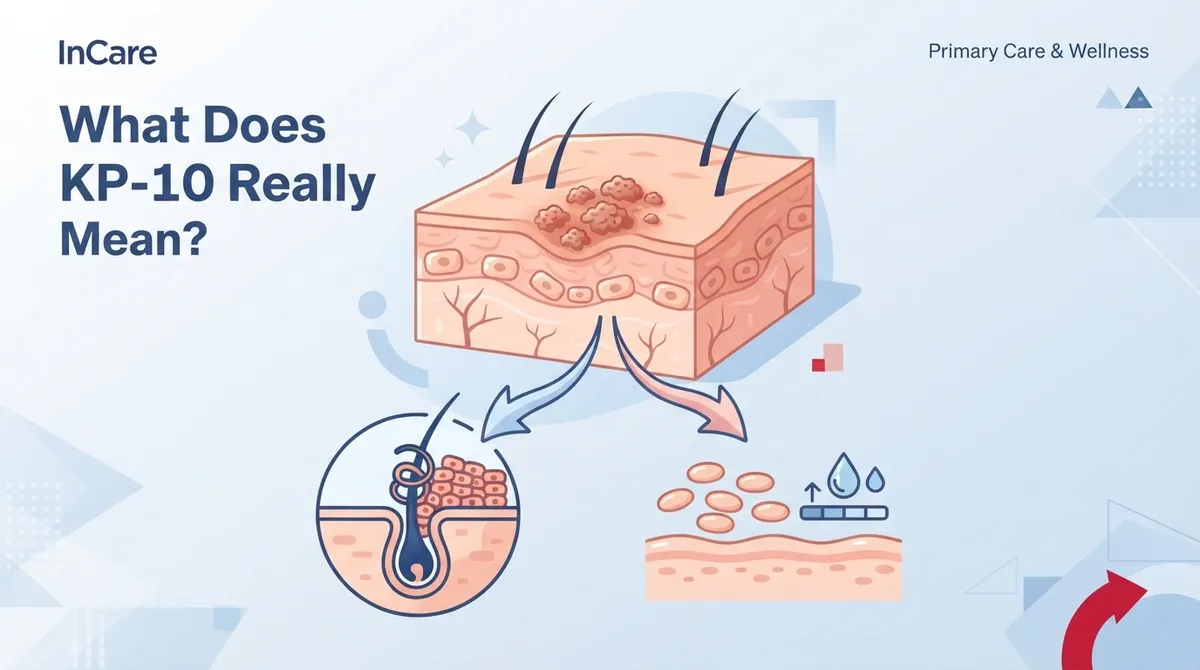
Keratosis pilaris is a common skin condition. It happens when keratin, a protein in your skin, plugs up hair follicles. This creates small, rough, sometimes red bumps. It is not dangerous and not contagious. It is also extremely common, especially in teens and young adults.
Your primary care doctor can usually diagnose keratosis pilaris just by looking at your skin. Lab tests are rarely needed. If you want a full skin and health review, our primary care team can check your skin during a routine visit and build a plan from there.
Why the Term Gets Confused
- KP-10 is shorthand some people use for keratosis pilaris, tied to code L87.0
- Kisspeptin-10 is a lab-studied peptide linked to reproductive hormones
- Kisspeptin-10 is not an approved skin or wellness treatment
- Search engines sometimes blend these two very different topics
- Only a licensed provider can tell you which one applies to your situation
5 KP-10 Treatment Options Compared
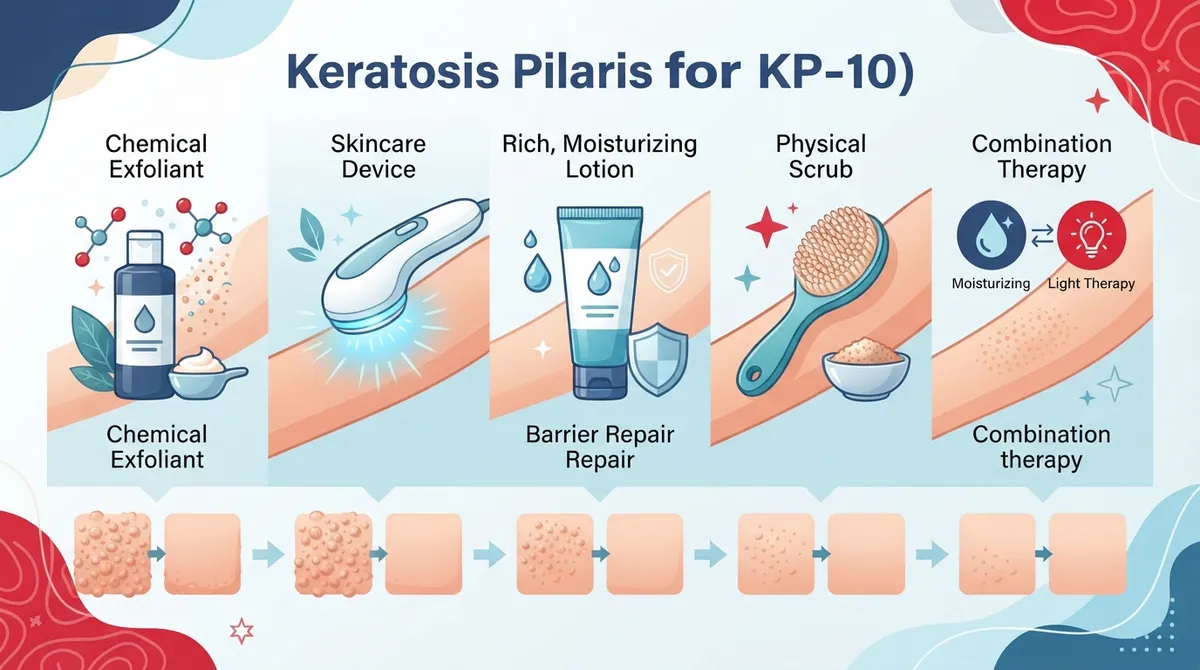
There is no permanent cure for keratosis pilaris. But you have several ways to smooth your skin and calm redness. Here are five approaches, ranked from simplest to most involved.
1. Fragrance-Free Moisturizers
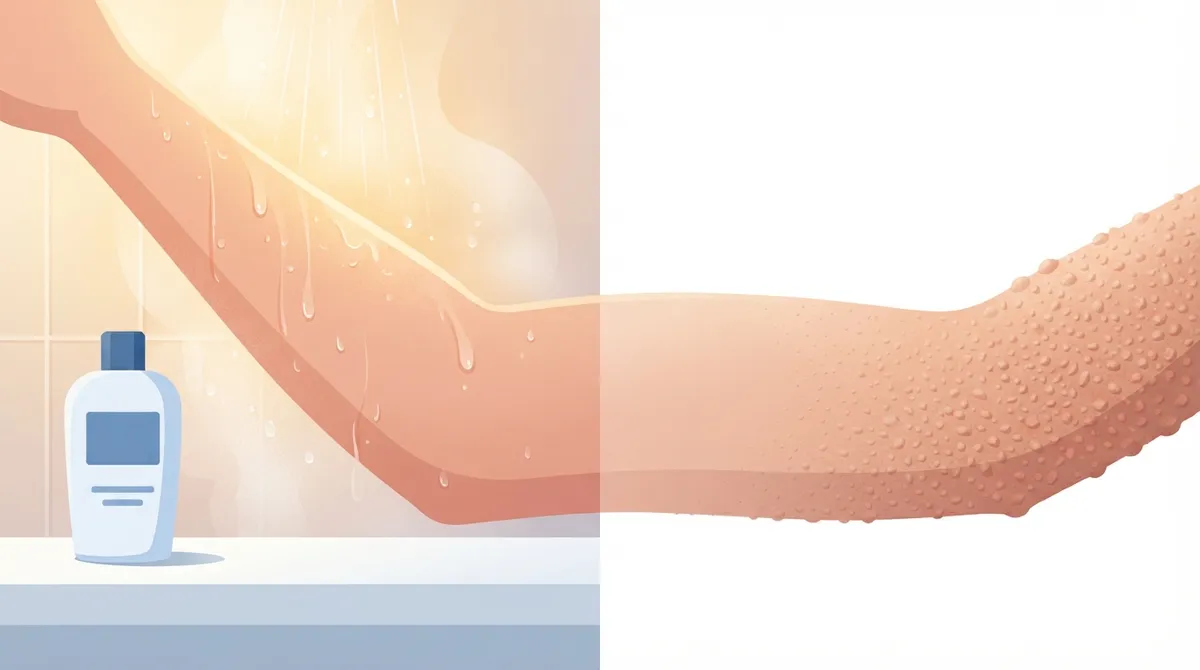
This is always the first step. Look for thick, fragrance-free creams. Apply them right after showering while skin is still damp. This locks in moisture and softens rough patches.
2. Keratolytic Creams (Urea, Lactic Acid, Salicylic Acid)
These ingredients gently dissolve the buildup of dead skin cells clogging your follicles. Many patients see visible smoothing within 4 to 12 weeks of steady use. This is usually paired with a daily moisturizer for best results.
3. Topical Retinoids
Prescription-strength retinoids can help stubborn follicular plugging. They may take 8 to 12 weeks to show results. They can also cause dryness or irritation, so they need careful, doctor-guided use. Retinoids are generally not recommended during pregnancy.
4. Dermatology-Directed Laser or Light Therapy
For persistent redness or texture that does not respond to creams, laser treatments may help. These options cost more and often require multiple visits. They do not guarantee a permanent fix, but some patients notice real improvement.
5. Gentle Exfoliation (Used Sparingly)
Light exfoliation can help remove dead skin. However, aggressive scrubbing usually backfires. It irritates the skin and can make bumps and redness worse. If you exfoliate, keep it gentle and infrequent.
Comparing KP-10 Treatments at a Glance
|
Treatment |
Typical Timeline |
Cost Level |
Best For |
|---|---|---|---|
|
Fragrance-free moisturizer |
2-4 weeks for softer skin |
Low |
Everyone, as a daily habit |
|
Keratolytic creams (urea, lactic acid, salicylic acid) |
4-12 weeks |
Low to moderate |
Mild to moderate bumps |
|
Topical retinoids |
8-12 weeks |
Moderate |
Stubborn, persistent plugging |
|
Laser or light therapy |
Multiple sessions over months |
High |
Severe redness or texture issues |
|
Gentle exfoliation |
Ongoing maintenance |
Low |
Supporting other treatments only |
How Keratosis Pilaris Treatment Compares to Kisspeptin-10 Research
It helps to understand why these two topics get mixed up. Kisspeptin-10 is a peptide studied for its role in reproductive hormones and fertility signaling. It is not related to skin care at all.
Some lab studies have looked at kisspeptin-10 for other purposes. One study published on PubMed found that kisspeptin-10 reduced breast cancer cell migration in lab dishes at very specific concentrations. A separate 2025 lab study explored possible protective effects on cartilage cells. These are early-stage findings from petri dishes and animal models, not proven human treatments.
Newer research has even looked at attaching kisspeptin-10 to radioactive tracers for cancer imaging. This is still investigational. None of this research applies to treating rough skin bumps. If your goal is smoother skin, stick with the keratosis pilaris options above.
Quick Comparison Table: Two Different "KP-10" Meanings
|
Term |
What It Is |
Relevant To |
|---|---|---|
|
KP-10 (keratosis pilaris, L87.0) |
Common benign skin condition |
Primary care, dermatology, skin wellness |
|
Kisspeptin-10 |
Investigational reproductive peptide |
Fertility research, oncology imaging studies |
Steps to Build Your KP-10 Treatment Plan
Ready to start treating your skin bumps? Follow these steps for the best results.
- Confirm the diagnosis with a primary care provider or dermatologist
- Start with a daily fragrance-free moisturizer routine
- Add a keratolytic cream containing urea, lactic acid, or salicylic acid
- Give the treatment 4 to 12 weeks before judging results
- Ask your provider about a prescription retinoid if bumps persist
- Consider a dermatology referral for laser or light therapy if needed
- Avoid harsh scrubbing tools and hot showers, which worsen irritation
Every patient is different. What works fast for one person may take longer for another. Consistency matters more than trying every product at once.
When to See a Doctor About Your Skin Bumps
Most cases of keratosis pilaris can be managed with home care and guidance from a primary care provider. But certain signs mean it is time for a closer look.
- The bumps are painful, oozing, or show signs of infection
- Home treatments have not helped after 8 to 12 weeks of consistent use
- The diagnosis feels uncertain or the bumps look unusual
- Redness and irritation are spreading or getting worse
- You want a personalized plan that fits your skin type and lifestyle
Referral to a dermatologist is reasonable in these cases. But many patients get excellent results simply by working closely with their primary care team first.
Why Whole-Body Wellness Matters Beyond Skin
Skin health often reflects overall wellness. Hydration, nutrition, and hormone balance all play a role in how your skin looks and feels. That is why a broader approach can help.
At InCare, our Tampa and Riverview locations offer more than skin guidance. Patients exploring whole-body health may also benefit from IV hydration and vitamin drips for skin-supporting nutrients, or DNA gene testing to understand personal health tendencies. Our team also offers cancer screening services for patients focused on proactive, preventive care.
Many patients in the Tampa Bay area follow InCare on social media for wellness tips and clinic updates. You can find us on Facebook, Instagram, and Tik Tok for more health guidance and behind-the-scenes clinic content.
Choosing the Right Path for Your Skin
There is no single "best" treatment for keratosis pilaris. The right choice depends on how severe your bumps are, your skin type, and how much time you want to spend on daily care. Moisturizers and keratolytic creams work well for most people. Retinoids and laser therapy are reserved for tougher cases.
What matters most is starting with an accurate diagnosis. A quick visit with a primary care provider can confirm what you are dealing with and rule out anything more serious. Our patients in Riverview and Tampa often appreciate seeing real feedback from others; you can visit us on Google — InCare to read reviews from people who have worked with our providers on skin and wellness concerns.
Skin conditions like keratosis pilaris rarely need urgent attention, but if you notice signs of infection or sudden changes, our urgent care services are available for fast evaluation.
Take the Next Step Toward Clearer Skin
Understanding KP-10 versus other treatments starts with knowing exactly what you are treating. Once that is clear, building an effective plan becomes much simpler. Whether you need a quick diagnosis, a personalized skincare routine, or a broader wellness checkup, our team is ready to help.
Ready to get answers about your skin? Book Your Appointment Today and let our Tampa and Riverview providers create a treatment plan built around your needs. If you have questions first, feel free to reach out to our team for guidance.
FAQs
Q: What does KP-10 mean in primary care or dermatology?
A: KP-10 is not an official treatment name. It typically refers to keratosis pilaris, a benign skin condition documented under ICD-10-CM code L87.0. The code helps doctors record the diagnosis, but treatment choices depend on symptom severity and skin type.
Q: Is KP-10 a treatment or an ICD-10 code for keratosis pilaris?
A: KP-10 refers to the diagnosis code, not a specific treatment. Effective care usually combines fragrance-free moisturizers with keratolytic ingredients like urea, lactic acid, or salicylic acid, chosen based on your provider's evaluation.
Q: What is the best treatment for keratosis pilaris: urea, lactic acid, or salicylic acid?
A: All three ingredients can soften rough bumps by breaking down excess keratin. Many patients respond well to any of them, so the best choice often depends on skin sensitivity and personal tolerance. A primary care provider can help you choose the right starting point.
Q: Can laser treatment improve keratosis pilaris better than creams?
A: Laser and light-based treatments may help with persistent redness or texture in select patients, but they cost more and often require multiple sessions. Creams remain the standard first-line approach because they are lower cost and easier to maintain long term.
Q: When should someone with keratosis pilaris see a primary care clinician or dermatologist?
A: See a provider if the diagnosis feels uncertain, symptoms are severe, or home treatment has not worked after 8 to 12 weeks. Signs of infection, unusual changes, or worsening irritation also warrant a professional evaluation.