
Key Takeaways
- KP-10 is not FDA-approved for any human condition and no licensed physician recommends unregulated home-use products despite misleading online marketing claiming doctor endorsement.
- Self-injecting research-only peptides carries serious risks including unknown purity, contamination, infection, and unpredictable hormone swings that could worsen underlying health issues.
- Before considering any hormone therapy, get proper medical evaluation with blood work, physical exams, and detailed health history to identify the actual cause of symptoms like fatigue or low libido.
- Online marketing conflates short-term lab hormone spikes with real health improvements, but no KP-10 studies prove long-term safety or effectiveness for fertility, testosterone, or weight loss.
- Licensed clinicians provide individualized dosing, FDA-approved medications, ongoing monitoring, and diagnosis confirmation through testing—none of which unregulated online peptide sellers can offer.
- See a doctor immediately if you experience irregular periods for 3+ months, fertility struggles lasting 1+ year, sudden energy or libido drops, or medication changes affecting hormones.
Searching for "KP-10 doctor recommended" online often leads to confusing results. Many websites sell kisspeptin-10 as a research chemical. Others suggest it fixes low testosterone, fertility problems, or low libido. But here is the truth: no licensed physician recommends using unregulated KP-10 products at home. Understanding this difference could protect your health and your wallet.
KP-10, also called kisspeptin-10, is a fragment of a natural hormone your body already makes. It plays a role in reproductive signaling. But that does not mean buying it online and injecting it yourself is safe or smart. This guide breaks down five common mistakes people make when searching for "doctor recommended" KP-10 products. It also explains what a responsible primary care evaluation actually looks like.

What Is KP-10 and Why Does It Matter?
KP-10, or kisspeptin-10, is a small peptide made of 10 amino acids. Scientists also call it metastin(45–54). It is a piece of the larger kisspeptin hormone found naturally in your body.
KP-10 activates a receptor called KISS1R, sometimes labeled GPR54. This receptor sits in the hypothalamic-pituitary-gonadal axis. That axis controls key reproductive hormones like GnRH, LH, and FSH.
Research shows KP-10 can trigger a short-term rise in LH levels. This has made it interesting to scientists studying fertility and puberty disorders. But interesting research is not the same as an approved treatment.
The Difference Between Research Interest and Medical Approval
Many online sellers use exciting language about hormone optimization. They imply that doctors quietly recommend KP-10 for weight loss, low testosterone, or better sex drive. This is misleading.
The reality is simpler and less exciting. Human studies on KP-10 are small. Most last only a few hours or days. They measure hormone spikes, not long-term health outcomes like pregnancy rates or improved energy.
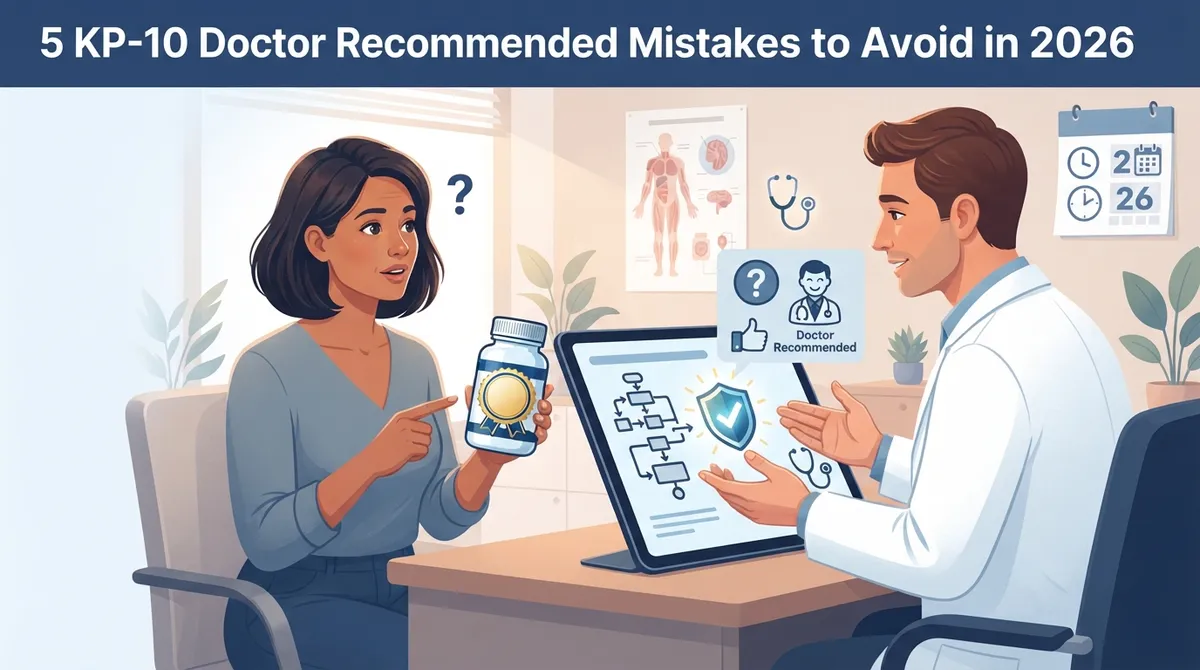
Mistake 1: Assuming "Doctor Recommended" Means FDA Approved
One of the biggest mistakes people make is confusing marketing language with medical fact. Kisspeptin-10 is not an FDA-approved medication for any human condition. No approved drug label exists for it.
Some compounding pharmacies may offer kisspeptin products. But compounded medications are not the same as FDA-approved drugs. They do not go through the same safety and effectiveness testing.
- FDA-approved drugs undergo years of clinical trials before reaching patients
- Compounded products skip much of this premarket review process
- A prescriber offering a compound does not make that product FDA-approved
- Product purity, sterility, and dosing can vary widely between suppliers
- "Research use only" labels mean the product was never meant for human use
If you see a website claiming FDA approval for KP-10, treat that as a red flag. Reliable clinics, including those offering care through InCare's Tampa and Riverview locations, will never make that false claim.
Mistake 2: Buying "Research Use Only" Products for Personal Use
Many online listings sell kisspeptin-10 in 5 mg or 10 mg vials. These are labeled "research use only" and "not for human consumption." Yet buyers often use these products anyway.
This is risky for several reasons. First, there is no standardized human dose. Package sizes meant for lab research are not medical prescribing guidelines.
Real Risks of Self-Injecting Unregulated Peptides
- Unknown identity or purity of the actual substance in the vial
- Possible contamination during manufacturing or shipping
- Risk of infection at the injection site
- Unpredictable hormone swings that could worsen underlying issues
- Unknown interactions with medications you already take
A trustworthy urgent care or primary care team will never suggest injecting a product meant only for lab research. If a website encourages this, it is not offering medical advice. It is selling a product.
Mistake 3: Skipping Proper Testing Before Trying Hormone Therapies
Many people search for KP-10 because they have real symptoms. Maybe it is fatigue, low libido, irregular periods, or trouble conceiving. These are valid concerns that deserve real answers.
But jumping straight to an unregulated peptide skips important steps. A proper evaluation usually starts with blood work and a detailed health history.
|
Symptom |
Possible Underlying Cause |
Recommended First Step |
|---|---|---|
|
Low libido |
Thyroid issues, low testosterone, stress |
Hormone panel and physical exam |
|
Irregular periods |
PCOS, thyroid disorder, weight changes |
Pelvic exam, hormone testing |
|
Fertility struggles |
Ovulation issues, low sperm count, hormone imbalance |
Fertility workup with a specialist |
|
Chronic fatigue |
Anemia, thyroid disease, sleep disorders |
Comprehensive metabolic panel |
At InCare, providers like those featured on the Providers page use lab testing and physical exams to find the real cause. This approach is safer and more effective than guessing with unregulated peptides.
Mistake 4: Ignoring the Difference Between Short-Term Hormone Spikes and Real Health Improvement
Research shows KP-10 can raise LH levels for a short time. Some marketing sites twist this into claims about improved fertility, better testosterone, or weight loss.
This logic has a big gap. A brief hormone spike in a lab setting does not prove that a product improves real-life outcomes. It does not prove better pregnancy rates. It does not prove sustained energy or muscle gain.
What the Research Actually Shows
- Most KP-10 human studies are small, short-term endocrine experiments
- Studies typically involve a few dozen participants, not large populations
- No study has confirmed long-term safety for repeated home use
- No study has proven KP-10 treats infertility, low T, or general wellness goals
This is why relying on a licensed primary care physician matters more than following peptide marketing claims. Real medical guidance separates lab findings from proven treatments.
Mistake 5: Not Talking to a Licensed Clinician About Your Actual Symptoms
The final and most common mistake is avoiding a real conversation with a doctor. Instead, many people self-diagnose using online forums and unregulated products.
This approach often delays proper care. Conditions like thyroid disease, pituitary disorders, or medication side effects can mimic hormone problems. Only proper testing can tell the difference.
Who Should You Talk To Instead?
- A primary care doctor for initial symptoms and general health screening
- An endocrinologist for complex hormone imbalances
- A urologist for male fertility or testosterone concerns
- A gynecologist or reproductive specialist for female fertility issues
- A registered dietitian if weight and metabolism are part of the concern
InCare's team, including Dr. Ahluwalia and Dr. Teshy John, can help direct you to the right type of care. Comprehensive visits often include lab work, physical exams, and a clear treatment plan grounded in evidence.
How a Primary Care Visit Differs From Buying Peptides Online
It helps to see the contrast side by side. Online peptide shopping and a real medical visit are not the same experience, even if both claim to address hormone health.
|
Feature |
Online KP-10 Purchase |
Primary Care Evaluation |
|---|---|---|
|
Product safety testing |
Not verified, "research use only" |
FDA-approved medications when prescribed |
|
Dosing guidance |
None, guesswork based on forums |
Individualized based on labs and symptoms |
|
Diagnosis accuracy |
Self-diagnosed, often incorrect |
Confirmed through exams and blood tests |
|
Follow-up care |
None available |
Ongoing monitoring and adjustments |
|
Legal and safety oversight |
Minimal to none |
Licensed clinician oversight |
This comparison shows why skipping medical guidance can be risky. A licensed clinic offers testing, oversight, and follow-up that no online seller can match.
What a Responsible Hormone or Fertility Evaluation Looks Like
If you're dealing with symptoms that made you search for KP-10, here is what a thorough evaluation usually includes. This process helps identify the true cause instead of masking symptoms with unproven products.
- A detailed conversation about your symptoms, timeline, and lifestyle
- Blood tests checking hormone levels, thyroid function, and metabolic markers
- A physical exam to rule out structural or physical causes
- Review of current medications and supplements
- A personalized plan based on your specific results, not generic advice
Clinics offering services like DNA gene testing and body composition analysis can add extra insight. These tools help build a full picture of your health rather than relying on a single peptide claim.
Why Trusting Licensed Providers Matters More Than Online Trends
Peptide trends move fast on social media. But trends are not the same as medical evidence. Following unregulated advice can delay real treatment and create new health risks.
InCare focuses on evidence-based care across both Tampa and Riverview locations. Patients get access to lab testing, physical exams, and treatments backed by real research. This includes services ranging from medically supervised weight loss to cancer screenings and IV hydration therapy.
Patients can also read about other topics related to hormone health, like the article Kisspeptin Explained: The Hormone Peptide Behind Fertility, or learn more in Can I Use KP-10 Safely? What Primary Care Says. These resources dive deeper into the science without the marketing hype.
Signs You Should See a Doctor Instead of Buying Peptides Online
- You've had irregular periods or missed cycles for more than three months
- You and your partner have tried to conceive for over a year without success
- You notice a sudden drop in energy, libido, or muscle strength
- You've started or stopped a medication that could affect hormones
- You feel pressure from online ads promising fast hormone fixes
If any of these apply to you, a licensed clinic visit is the safer next step. Community feedback also supports this approach. You can visit us on Google — InCare to see what patients say about their experience with real, evidence-based hormone and wellness care.
Building Trust Through Transparent, Evidence-Based Care
Good healthcare should never rely on vague claims or unverified products. It should rely on testing, exams, and honest conversations about risks and benefits.
InCare's approach reflects this standard. The clinic combines modern tools like metabolic breath analysis with traditional exams to build a complete health picture. This is very different from ordering an unregulated peptide online and hoping for the best.
You can also follow InCare's wellness updates and patient education content on Facebook, Instagram, and TikTok for more tips on staying safe while exploring wellness trends.
Final Thoughts on KP-10 and Doctor-Recommended Care
The phrase "KP-10 doctor recommended" is misleading in most online contexts. No FDA-approved KP-10 product exists. No standard home dose has been established. And no licensed physician recommends buying research-only peptides for self-treatment.
If you're dealing with fertility concerns, low energy, or hormone symptoms, skip the guesswork. A proper evaluation by a licensed clinician gives you real answers, not marketing promises. InCare's team in Tampa and Riverview is ready to help you find safe, evidence-based solutions tailored to your health.
Ready to get real answers about your hormone health? Book your appointment today and start your journey toward safer, science-backed wellness care.
FAQs
Q: What is KP-10 or kisspeptin-10?
A: KP-10, also known as kisspeptin-10 or metastin(45–54), is a small 10-amino-acid fragment of the natural kisspeptin hormone. It activates a receptor involved in reproductive hormone signaling, which can influence LH and FSH release.
Q: Is kisspeptin-10 FDA approved?
A: No. Kisspeptin-10 is not an FDA-approved medication for any human use. Products sold online are typically labeled 'research use only' and are not meant for human consumption.
Q: Do doctors recommend KP-10 for low testosterone or infertility?
A: Licensed doctors do not recommend unregulated KP-10 products for these conditions. Instead, they use approved diagnostic testing and evidence-based treatments to address hormone and fertility concerns.
Q: Is it safe to inject a research-use-only peptide at home?
A: No. Self-injecting a product labeled 'research use only' carries risks including unknown purity, contamination, infection, and unpredictable hormonal effects. This practice is not medically recommended.
Q: What tests should a doctor order before evaluating hormone or fertility concerns?
A: A doctor typically orders bloodwork to check hormone levels, thyroid function, and metabolic markers, along with a physical exam. This helps identify the true cause of symptoms before considering any treatment options.