Key Takeaways
- Human evidence for GHK-Cu is small and mixed: a post-laser study found no significant advantage in blinded assessments, and a leg ulcer study found its cream did not beat placebo.
- GHK-Cu is not FDA-approved as a drug, and FDA safety information warns about compounded injectable versions due to peptide aggregation and impurity risks.
- Topical cosmetic creams and injectable GHK-Cu are not interchangeable; injectables carry far thinner safety data and require licensed medical oversight.
- Lab and animal findings on collagen and wound healing do not prove results in people, so check for human trial data before trusting peptide product claims.
If you have scrolled through skin-care aisles or wellness feeds lately, you have likely seen the term GHK-Cu. Many people ask the same question: what is GHK-Cu, and does it really work? The answer matters, because the marketing often runs ahead of the science. This ingredient is popular, but the evidence for it is still limited.
GHK-Cu stands for glycyl-histidyl-lysine copper. It is a small peptide bound to copper, and it appears in some skin-care products as copper tripeptide-1. Researchers have studied it for skin repair and tissue remodeling. Lab results look interesting, yet human studies are small and mixed.
This guide gives you five clear facts about what GHK-Cu is, what research shows, and how to think about safety. It is written for busy readers who want straight answers. At InCare, we believe good decisions start with accurate information and a clinician who can review your goals.
Fact 1: What Is GHK-Cu, Exactly?
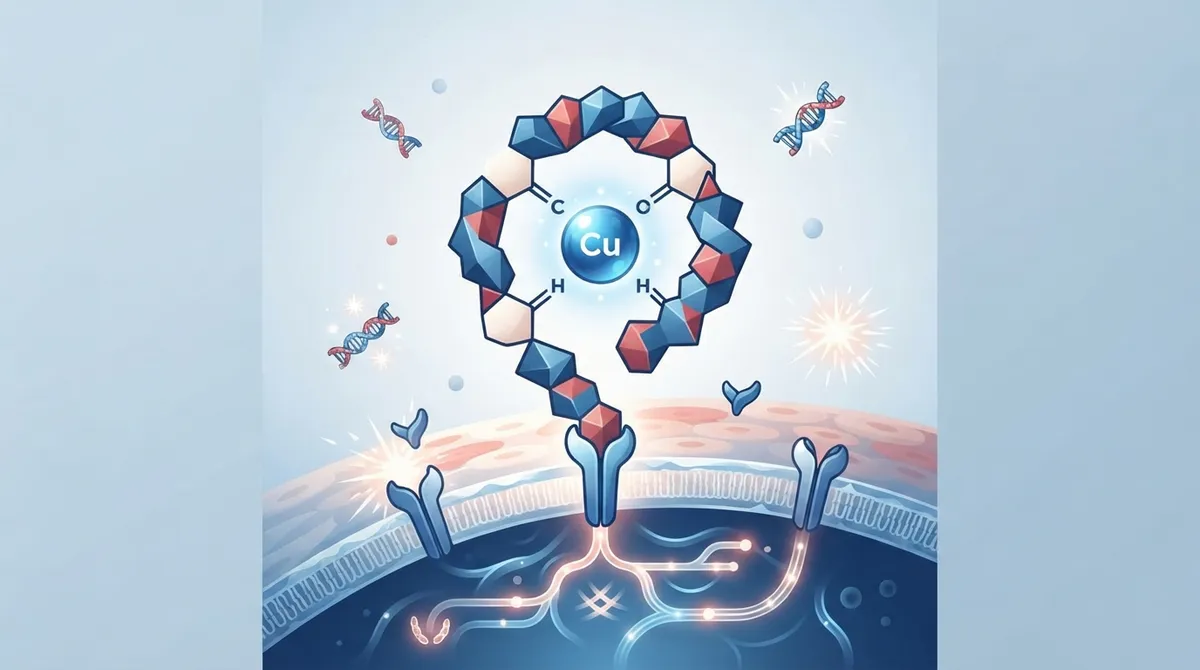
GHK-Cu is a copper complex of GHK, a naturally occurring tripeptide. A tripeptide is a chain of three amino acids. In this case, the three building blocks are glycine, histidine, and lysine. When copper attaches to this chain, it forms GHK-Cu.
On a cosmetic label, you will usually see it listed as copper tripeptide-1. Brands add it to serums, creams, and masks. The goal is usually smoother, healthier-looking skin.
Here is a simple breakdown of the name:
- G stands for glycine, a small amino acid.
- H stands for histidine, which binds copper well.
- K stands for lysine, another amino acid.
- Cu is the chemical symbol for copper.
Knowing what GHK-Cu is helps you read labels with confidence. If you want a deeper look at the basics, our guide on what GHK-Cu is as a copper peptide walks through the terms in plain language.

Fact 2: Researchers Study It for Skin Repair and Tissue Remodeling
Scientists have looked at GHK-Cu mainly for its possible role in skin repair and tissue remodeling. Laboratory and animal studies suggest it may influence several biological processes. These include fibroblast activity, collagen production, inflammation, and wound-healing pathways.
That sounds promising, but there is an important catch. Findings in cells and animals do not prove the same result in people. A lab dish is not a living human body. Many compounds look strong in early research and then fail in real-world trials.
Think of it this way. Early lab work is like a rough draft. It points researchers toward good questions. It does not give a final answer about what will happen on your skin.
If you are curious about how this ingredient is described in skin and repair settings, see our overview of what GHK-Cu does for skin and repair. It explains the proposed effects while keeping expectations realistic.
Fact 3: Human Evidence Is Limited and Mixed
This is the most important fact for anyone weighing a purchase or a treatment. Human data on GHK-Cu is small, and results are mixed. No large phase III trial has shown that it works for a specific human condition.
Two studies show why caution is wise:
- Post-laser study (2006): A randomized study followed 13 people after CO₂ laser resurfacing. Blinded and computer-based reviews found no significant advantage for GHK-Cu in redness, wrinkles, or overall skin appearance. Participants who used it did report better perceived skin quality.
- Venous leg ulcer study (1992): A randomized, evaluator-blinded study of 86 people tested a 0.4% tripeptide-copper cream. It did not beat placebo. A comparison treatment, silver sulfadiazine, did reduce ulcer size.
A 2025 review of tripeptides and wound healing also describes biological and preclinical findings. Still, those findings should not be read as proof that it works in routine care.
The table below sums up the gap between what is suggested and what is proven.
|
Area |
What Lab Research Suggests |
What Human Evidence Shows |
|---|---|---|
|
Skin appearance |
May affect collagen and fibroblast activity |
Mixed; blinded review found no significant gain after laser |
|
Wound healing |
May influence repair pathways |
Cream did not beat placebo in a leg ulcer study |
|
Inflammation |
May modulate inflammatory signals |
No established clinical benefit |
|
Hair or other conditions |
Early and limited |
Not supported as a proven therapy |
Our article on GHK-Cu research versus hype goes further into how to separate solid findings from sales language.
Fact 4: Topical Products and Injectables Are Not the Same
Many people hear about GHK-Cu and assume all forms are alike. They are not. A cosmetic cream applied to the skin is very different from an injectable product. Evidence and safety data for creams cannot be assumed to apply to injections.
Here is how the two forms differ:
- Topical products sit on the skin surface and are sold as cosmetics. They have more history of use, though proof of benefit is still limited.
- Injectable products enter the body directly. Human safety data for injections is much thinner.
- Quality control matters more with injections, because impurities can cause real harm.
- Medical oversight is essential for anything injected, including a review of your health history.
If you have heard about injectable options, read 7 facts to know before trying GHK-Cu injectable before you decide anything. It covers the questions to ask first.
Fact 5: GHK-Cu Is Not an FDA-Approved Drug
GHK-Cu is not approved by the FDA as a drug. That means it has not passed the full review process used to confirm that a medicine is safe and effective for a stated use. Cosmetic ingredients follow a different set of rules than prescription drugs.
FDA safety information also warns about compounded injectable GHK-Cu. The concerns include peptide aggregation, where molecules clump together, and the risk of impurities. Limited human safety data adds to the uncertainty.
For you, the takeaway is simple. Do not treat GHK-Cu as a proven medical therapy. Avoid products marketed for injection without proper medical oversight. If you are unsure about a product, a licensed clinician can help you weigh the risks. You can also read more in our guide to whether GHK-Cu is safe.
How to Think About GHK-Cu as a Wellness Seeker
Different readers come to this topic with different goals. A few practical points apply to almost everyone.
- Tech-savvy readers often find peptide claims online. Check the source and look for human trial data, not just testimonials.
- Busy parents should focus on proven basics first, such as sun protection, sleep, and regular checkups.
- Wellness-focused adults can ask a clinician how any new ingredient fits with current medicines and skin conditions.
- Younger adults should be careful with social media trends. A viral product is not the same as a tested one.
A strong skin-care and wellness plan starts with the basics. Daily sunscreen, gentle cleansing, and treating medical skin concerns early matter more than any single trending ingredient. Our guide on 11 skin repair steps doctors recommend in 2026 shows what has stronger support.
Questions to Ask Before You Try Any Peptide Product
Before you buy or start any peptide product, run through a short checklist. These steps protect your health and your budget.
- Is the product a cosmetic or a drug claim? Cosmetics should not promise to treat disease.
- Is there human research for the exact use being advertised?
- Is the product made by a source that shares purity and testing information?
- Do you have allergies, a skin condition, or a medicine that could interact?
- Has a licensed clinician reviewed your plan?
If any answer is unclear, pause. A short conversation with a clinician can save you time and money. For a broader look at responsible peptide choices, see how to evaluate peptide therapy for wellness safely.
The Bottom Line
So, what is GHK-Cu? It is a copper-binding tripeptide found in some skin-care products and studied for skin repair. The biology is interesting. The human proof is limited, mixed, and far from settled. It is not an FDA-approved drug, and injectable forms carry added safety questions.
The smartest path is balanced. Stay curious, stay skeptical of big promises, and lean on a clinician for personal guidance. At InCare, our team in Tampa and Riverview offers primary care, preventive screenings, and wellness services built around evidence. You can see what patients say when you read InCare reviews on Google, and you can follow our updates on Instagram, Facebook, and TikTok.
Ready to talk through your skin and wellness goals with a trusted team? Book your visit with InCare today, or contact our team with any questions.
FAQs
Q: What does GHK-Cu stand for?
A: GHK-Cu stands for glycyl-histidyl-lysine copper. It is a copper complex of a tripeptide made from the amino acids glycine, histidine, and lysine. On cosmetic labels it is often listed as copper tripeptide-1.
Q: What is GHK-Cu used for in skin care?
A: GHK-Cu is added to some serums and creams with the goal of supporting skin appearance and repair. Lab research suggests possible effects on collagen and healing pathways. Human studies are small and mixed, so benefits are not proven.
Q: Is GHK-Cu FDA-approved?
A: No. GHK-Cu is not approved by the FDA as a drug. Cosmetic products containing it follow different rules, and FDA safety information warns about risks with compounded injectable versions.
Q: Is injectable GHK-Cu safe?
A: Human safety data for injectable GHK-Cu is limited. Concerns include peptide aggregation and impurities in compounded products. Anyone considering injections should speak with a licensed clinician and avoid products sold without medical oversight.
Q: Does GHK-Cu have proven anti-aging or wound-healing benefits?
A: Not yet. A small randomized study after laser resurfacing found no significant advantage in blinded assessments, and a leg ulcer study found a 0.4% tripeptide-copper cream did not beat placebo. More high-quality research is needed.