Key Takeaways
- GHK-Cu is not FDA-approved as a drug, but topical cosmetic products containing it don't require premarket approval as long as they avoid medical claims like wound healing.
- GHK-Cu products range from $16 budget options to $160 premium formulations; concentration varies 1-4%, so compare price per ounce and verify 'Copper Tripeptide-1' on labels before buying.
- Check ingredient labels carefully: GHK-Cu should be listed early, look for third-party testing and stabilizing ingredients, and avoid products making unverified therapeutic or disease-treatment claims.
- Mild irritation and sensitivity can occur, especially when combining GHK-Cu with retinoids or strong exfoliants; patch test first and monitor skin response over 4-8 weeks before judging effectiveness.
- Topical GHK-Cu products work on the surface only; lasting skin health requires addressing internal factors like hydration, nutrition, sleep, and hormone balance alongside skincare routines.
- Five main brand categories exist: budget serums ($30-35), value wellness brands ($16-30), marketplace options ($25-60), premium formulations ($100-160), and scalp-focused lines ($30-80) with varying concentrations.
Copper peptides have become one of the most talked-about ingredients in skin and scalp wellness. If you have searched for GHK-Cu peptide brands, you have probably noticed the options can feel overwhelming. Serums, creams, and scalp formulas all claim to firm skin, calm redness, or support hair growth. Understanding what separates a quality product from marketing hype matters, especially if you are investing in your skin health for the long term.
At InCare, we believe wellness decisions should be backed by facts, not trends alone. Whether you are a busy parent squeezing in self-care, a young professional exploring proactive health steps, or someone managing visible signs of aging, knowing how GHK-Cu fits into a broader wellness routine can help you make smarter choices. This guide breaks down what GHK-Cu is, reviews five well-known brand categories, and answers the questions people ask most often.
What Is GHK-Cu and Why Does It Matter?
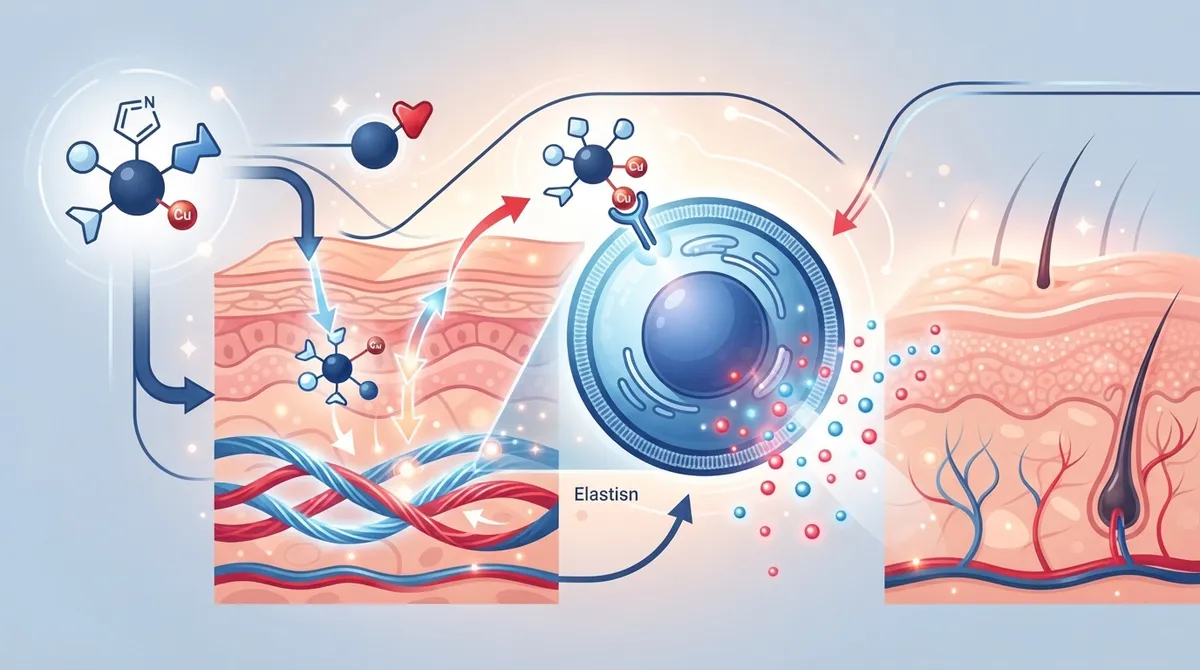
GHK-Cu stands for glycyl-L-histidyl-L-lysine bound to copper. It is a naturally occurring peptide found in human plasma, saliva, and urine. Levels of this peptide tend to drop as people age, which is one reason researchers became interested in it for skin and tissue support.
In cosmetic products, GHK-Cu is usually listed as Copper Tripeptide-1 on ingredient labels. It is added to serums, eye creams, and scalp treatments because of its reputation for supporting skin texture and a healthy appearance. It is important to understand that these products are sold as cosmetics, not drugs, in the United States.
- GHK-Cu is naturally present in the human body but decreases with age.
- It is commonly labeled as Copper Tripeptide-1 in skincare products.
- Most products are topical, meaning they are applied to skin or scalp.
- It is marketed for appearance-related benefits, not disease treatment.
- Concentration levels vary widely between brands and products.
How the FDA Views GHK-Cu Products
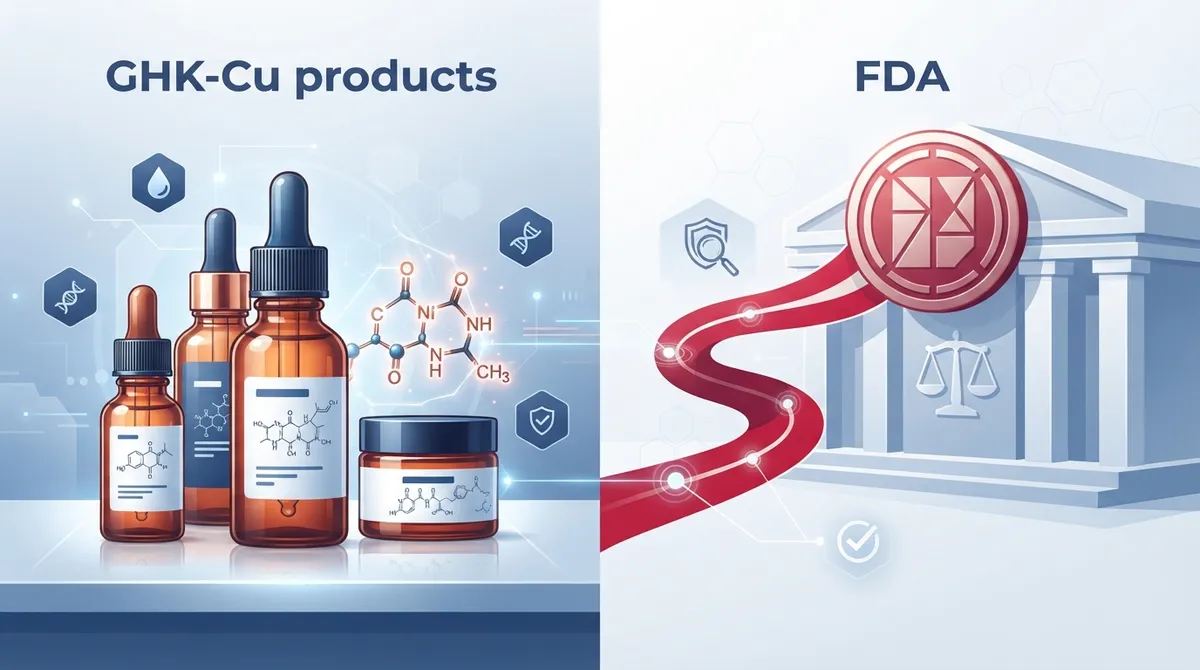
One question people ask often is whether GHK-Cu is FDA approved. The short answer is no. There is no FDA-approved GHK-Cu drug for therapeutic use. However, topical cosmetic products containing GHK-Cu do not need FDA premarket approval as long as they stay within cosmetic claims.
This distinction matters. A serum can legally say it supports smoother-looking skin. It cannot legally claim to heal wounds or treat a medical condition without crossing into drug territory. Reputable brands are careful about this line, and consumers should be too.
5 GHK-Cu Peptide Brand Categories to Know
Rather than endorsing a single company, it helps to understand the types of brands and price points available in the wellness market today. Below are five categories based on 2026 retail data.
1. Budget-Friendly Entry Serums
Some of the most accessible GHK-Cu products come from mass-market skincare lines. The Ordinary's Multi-Peptide + Copper Peptides 1% serum was cited in 2026 retail coverage at about $32. These products are a common starting point for people new to copper peptides.
2. Value Wellness Brands
Wellness-focused retailers often sell copper peptide products at lower price points. Neurogan's GHK-Cu product pages in 2026 listed copper peptide skincare starting from $16. These brands typically target consumers looking for straightforward, no-frills formulas.
3. Mid-Range Amazon Marketplace Options
Several independent skincare brands sell GHK-Cu serums through major online marketplaces. Products like Asterwood's copper peptide serum and 4% neck and face formulas fall into this category, often priced between budget and premium tiers.
4. Premium Clinic-Style Formulations
Some premium wellness brands list GHK-Cu serums in the roughly $100 to $160 range, depending on concentration and positioning. These formulas often combine copper peptides with other actives and are marketed toward consumers seeking higher-end skin support.
5. Scalp and Hair-Focused Lines
A growing number of brands formulate GHK-Cu specifically for scalp health. These products are positioned to support a healthier-looking scalp environment, which some people pair with broader hair restoration efforts.
|
Brand Category |
Typical Price Range |
Common Concentration |
Primary Use |
|---|---|---|---|
|
Budget-Friendly Serums |
$30–$35 |
1% |
General skin support |
|
Value Wellness Brands |
$16–$30 |
1%–2% |
Everyday skincare |
|
Marketplace Options |
$25–$60 |
2%–4% |
Face and neck serums |
|
Premium Formulations |
$100–$160 |
2%–4% |
Advanced skin support |
|
Scalp-Focused Lines |
$30–$80 |
Varies |
Scalp and hair support |
How to Evaluate a GHK-Cu Product Before You Buy
Choosing the right product involves more than picking the highest concentration. Here are steps that can help you make an informed decision.
- Check the ingredient label for "Copper Tripeptide-1" to confirm GHK-Cu content.
- Look for a stated concentration, usually between 1% and 4%.
- Review the brand's manufacturing practices and third-party testing claims.
- Read the product's marketing language carefully for cosmetic versus drug claims.
- Start with a patch test before applying to your full face or scalp.
- Track your skin's response over four to eight weeks before judging results.
Common Concerns With Copper Peptide Products
GHK-Cu is generally well tolerated, but it is not risk-free. Some people experience mild irritation, especially when combining it with other active ingredients like retinoids or strong acids. Because the ingredient sits near the cosmetic-medical boundary, marketing language matters. Claims about treating disease or healing wounds can raise regulatory concerns and should make you pause before purchasing.
- Mild redness or tingling can occur, especially with higher concentrations.
- Combining with strong exfoliants may increase sensitivity.
- Injectable or oral GHK-Cu versions are not established as approved mainstream medical products.
- Product quality varies significantly between manufacturers.
- Storage conditions can affect peptide stability over time.
GHK-Cu Versus Other Copper Peptides
People often ask about the difference between copper peptides in general and GHK-Cu specifically. GHK-Cu is one particular copper peptide, but not all copper peptide products use the same molecule or concentration. Some formulas blend GHK-Cu with other peptides, which can make it harder to isolate which ingredient is doing the work.
|
Feature |
GHK-Cu |
General Copper Peptides |
|---|---|---|
|
Specificity |
A single, well-studied peptide |
Broad category, varies by formula |
|
Common Labeling |
Copper Tripeptide-1 |
May list multiple peptide types |
|
Research Volume |
Moderate, focused studies |
Varies widely by compound |
|
Typical Use |
Skin texture, scalp support |
Similar, but less standardized |
Why Whole-Body Wellness Matters Alongside Topical Care
Skincare and scalp products are just one piece of a bigger picture. Healthy skin and hair often reflect what is happening inside your body. Nutrition, hormone balance, hydration, and sleep all play a role in how your skin looks and feels.
This is where a comprehensive approach to wellness becomes valuable. At InCare, our primary care team looks at the full picture of your health, not just isolated symptoms. If you are curious about how nutrition and cellular health connect to skin appearance, our providers can help guide that conversation during a wellness visit.
For patients interested in advanced options beyond topical products, our clinic also offers peptide therapy consultations in Tampa and Riverview. These conversations are always grounded in medical guidance, helping you understand what is appropriate for your specific goals.
Supporting Skin Health From the Inside Out
Topical GHK-Cu products work on the surface, but true skin health often starts with your internal wellness. Hydration status, vitamin levels, and metabolic health all influence how your skin appears over time.
- Proper hydration supports skin elasticity and texture.
- Vitamin deficiencies can show up as dull or uneven skin tone.
- Hormone changes can affect collagen production and skin thickness.
- Chronic stress may accelerate visible signs of aging.
Services like IV hydration and vitamin drips can complement a topical skincare routine by addressing hydration and nutrient needs directly. Similarly, DNA gene testing can offer insights into how your body processes nutrients, which may inform your broader wellness strategy.
What to Ask Your Provider Before Trying New Peptide Products
Before adding any new peptide product to your routine, it helps to have a conversation with a knowledgeable provider. Consider asking these questions.
- Could this product interact with any medications or existing skin conditions?
- Is the concentration appropriate for my skin type and goals?
- Are there red flags in how this brand markets its claims?
- Should I combine this with other wellness services for better results?
- How long should I try a product before expecting visible changes?
Our providers, including those featured on our providers page, are available to discuss how topical products fit into your overall health plan. You can also explore our hair restoration services if scalp health is your primary concern.
Reading Labels Like a Wellness-Savvy Consumer
Not all GHK-Cu products are created equal, and label reading is a skill worth developing. Here is what to look for.
- Ingredient order matters; earlier placement usually means higher concentration.
- Look for stabilizing ingredients that protect peptide integrity.
- Avoid products making unverified medical claims.
- Check for third-party testing certifications when available.
- Compare price per ounce rather than just the sticker price.
According to independent product reviews, formulation quality can vary significantly even among products with similar advertised concentrations. This reinforces why understanding labels matters more than chasing the highest percentage number.
Staying Connected With InCare
Wellness trends move quickly, and staying informed is part of making good decisions for your health. You can follow along with helpful tips and updates from our team on Facebook, Instagram, and TikTok for practical wellness content.
If you want to see what other patients have experienced with our team, you can also visit us on Google — InCare to read reviews from patients in Tampa and Riverview.
Bringing It All Together
GHK-Cu peptide brands offer a range of options, from budget-friendly serums to premium clinic-style formulas. Understanding concentration levels, label claims, and how topical products fit into a bigger wellness picture can help you make smarter choices for your skin and scalp health.
Topical products are just one tool. Real, lasting results often come from combining smart skincare choices with strong foundational health, including proper hydration, balanced nutrition, and regular checkups. Our team at InCare is here to help you connect these pieces into a plan that works for your life.
Ready to talk through your wellness goals with a provider who looks at the full picture? Book Now to schedule a visit at our Tampa or Riverview location, or reach out to our team with any questions about how peptide-based products fit into your broader health strategy.
FAQs
Q: What is GHK-Cu peptide used for?
A: GHK-Cu is a copper-bound peptide used mainly in topical skincare and scalp products. It is marketed to support skin texture, hydration, and healthier-looking hair or scalp appearance.
Q: Are GHK-Cu peptide brands safe for daily use?
A: Most topical GHK-Cu products are considered safe for regular use when applied as directed. However, some people experience mild irritation, so a patch test and provider guidance are recommended before daily use.
Q: Is GHK-Cu approved by the FDA?
A: There is no FDA-approved GHK-Cu drug for therapeutic use. Topical cosmetic products containing GHK-Cu do not require FDA premarket approval as long as they avoid drug claims.
Q: What is the difference between copper peptides and GHK-Cu?
A: GHK-Cu is a specific, well-studied copper peptide, while copper peptides is a broader category that can include various formulations. Not all copper peptide products use the same concentration or molecule.
Q: Can GHK-Cu help with hair growth or scalp health?
A: Some scalp-focused GHK-Cu products are marketed for supporting a healthier scalp environment. Results vary by person, and combining topical care with professional guidance often produces better outcomes.