
Key Takeaways
- Retatrutide is not FDA-approved for any condition and remains investigational; unapproved online formulations carry serious risks including unclear dosing, unreliable identity, and questionable sterility.
- Gastrointestinal side effects (nausea, diarrhea, vomiting, constipation) occur in 26-42% of retatrutide users at higher doses, with 6-16% discontinuing treatment due to intolerable side effects.
- Hypoglycemia risk increases when retatrutide is combined with insulin or sulfonylureas; discuss all current medications with your provider before considering this investigational therapy.
- Abnormal skin sensations like hyperesthesia occurred in 7% of trial participants versus 1% on placebo; report persistent tingling, burning, swelling, or rash to a healthcare provider immediately.
Retatrutide has become one of the most talked-about names in weight loss and metabolic health circles. Patients ask about it after seeing headlines about triple-hormone injections that promise dramatic results. But before you consider any new treatment, you deserve clear answers grounded in real evidence. This guide breaks down what current research actually shows about retatrutide safety, so you can make an informed decision with your healthcare provider.
At InCare, our team in Tampa and Riverview believes patients deserve honest, evidence-based guidance rather than hype. Retatrutide is still investigational, meaning it has not received FDA approval for any use. That single fact should shape every conversation you have about this medication. Below, we walk through five key facts drawn from clinical trial data to help you understand where the science currently stands.

1. Retatrutide Is Not Yet FDA-Approved for Any Condition
Retatrutide is an experimental once-weekly injectable drug. It works by activating three different hormone receptors: GLP-1, GIP, and glucagon. Researchers are studying it for obesity, type 2 diabetes, and other metabolic conditions. However, according to the FDA's safety communications, retatrutide is not part of any approved drug product. It has not been proven safe and effective for any condition yet.
This distinction matters. Many people search for retatrutide online, hoping to buy it as a research peptide or compounded product. These sources carry real risks. Unapproved formulations may have unclear identity, unreliable dosing, and questionable sterility. A trusted primary care provider can help you understand which weight management options are currently approved and appropriate for your health profile.
Why Approval Status Matters for Patient Safety
FDA approval means a drug has passed rigorous testing for both safety and effectiveness. Without that stamp, dosing guidelines, manufacturing standards, and long-term safety data remain incomplete. Patients considering retatrutide should understand they are participating in an evolving research landscape, not using a settled treatment option.
2. Gastrointestinal Side Effects Are the Most Common Concern
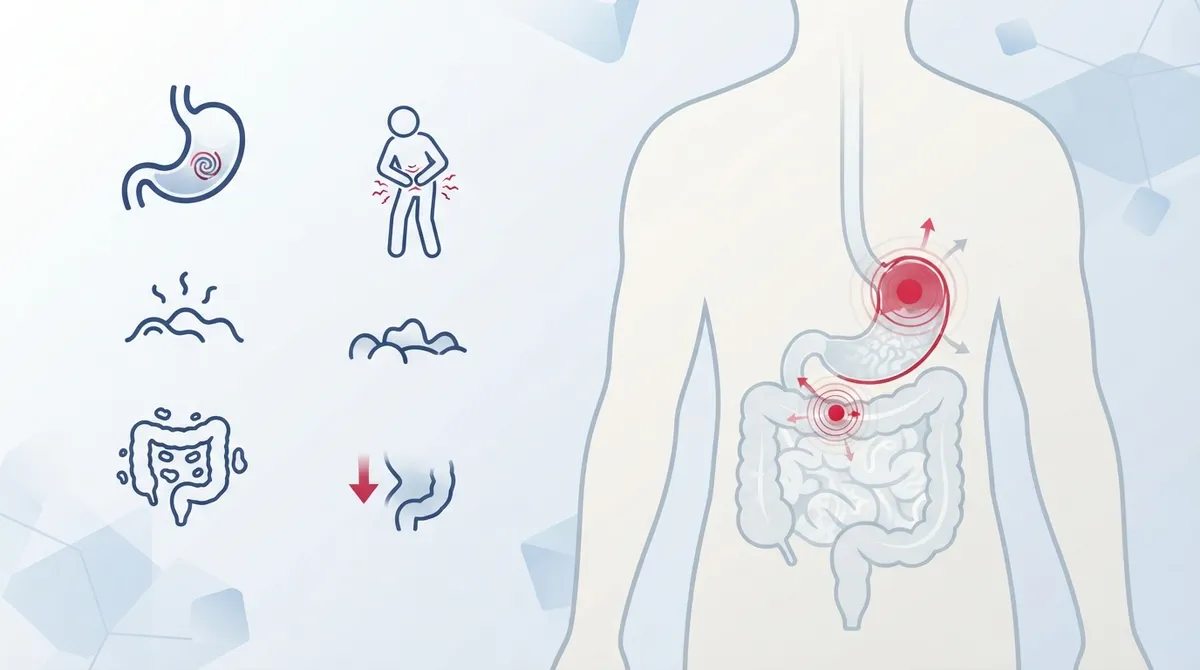
Clinical trials consistently show that stomach-related side effects are the leading safety issue with retatrutide. These include nausea, diarrhea, vomiting, and constipation. Most of these symptoms are dose-related. They tend to appear more often during the early phase, when doses are being increased.
The table below summarizes reported rates of common gastrointestinal side effects from published trial data.
|
Trial |
Dose Group |
Nausea Rate |
Diarrhea Rate |
|---|---|---|---|
|
TRIUMPH-1 (2026) |
4 mg |
28.6% |
25.2% |
|
TRIUMPH-1 (2026) |
9 mg |
38.4% |
34.1% |
|
TRIUMPH-1 (2026) |
12 mg |
42.4% |
32.0% |
|
Eli Lilly Trial (2026) |
4 mg |
16.4% |
18.7% |
|
Eli Lilly Trial (2026) |
12 mg |
26.5% |
22.8% |
|
Placebo (both trials) |
N/A |
3.7%–14.8% |
4.5%–13.5% |
In the phase 2 obesity trial published in the New England Journal of Medicine, overall adverse events occurred in 73% to 94% of retatrutide-treated participants, compared with 70% of those on placebo. Starting at a lower dose appeared to reduce these effects, but the pattern is clear: higher doses generally bring higher risk of stomach upset.
3. Treatment Discontinuation Happens More Often With Retatrutide
Some patients in clinical trials stopped treatment because side effects became too difficult to manage. This is an important safety signal for anyone weighing the pros and cons of this drug.
- In the phase 2 obesity trial, discontinuation due to adverse events occurred in 6% to 16% of retatrutide recipients, compared with 0% in the placebo group.
- In a reported phase 3 trial released by Eli Lilly, discontinuation rates were 2.2%, 4.5%, and 5.1% for the 4 mg, 9 mg, and 12 mg groups, respectively, versus 0% with placebo.
- A 2025 meta-analysis of three randomized trials involving 878 participants found no statistically significant difference in overall adverse-event incidence between retatrutide and placebo, though dose-specific gastrointestinal risks remain.
These numbers show that while many people tolerate retatrutide reasonably well, a meaningful portion cannot continue treatment due to side effects. This is a normal part of evaluating any investigational drug, and it underscores why medical supervision matters so much during any weight management journey. Providers who understand weight loss programs can help you weigh these risks against other proven options.
4. Hypoglycemia and Skin Sensations Deserve Attention
Two additional safety signals are worth understanding before considering retatrutide or similar therapies.
Blood Sugar Concerns
No severe hypoglycemia was reported in the key phase 2 trial. That said, hypoglycemia risk may rise when retatrutide is combined with insulin, sulfonylureas, or other glucose-lowering medicines. Anyone managing diabetes should discuss current medications carefully with their doctor before considering any incretin-based therapy.
Unusual Skin Sensations
Some trials reported abnormal skin sensations, including hyperesthesia or dysesthesia, more often in the retatrutide group than placebo. In the phase 2 trial, cutaneous hyperesthesia occurred in about 7% of retatrutide-treated participants versus 1% with placebo. These events were generally mild and often resolved during treatment, but they remain a signal that researchers continue to monitor as larger, longer studies proceed.
- Persistent tingling or burning sensations should be reported to a healthcare provider.
- Skin symptoms combined with swelling or rash may indicate an allergic reaction requiring urgent evaluation.
- Most reported cases in trials were not severe or serious.
5. Compounded and Online Products Carry Extra Risk
Because retatrutide is not FDA-approved, some online sellers market it as a "research peptide." This label does not make the product safe for human use. Compounded or research-grade versions may have uncertain concentration, purity, and sterility. Trial titration schedules used in clinical studies cannot be safely applied to these unregulated products.
Here are steps to protect yourself if you are curious about emerging weight loss treatments:
- Ask your primary care provider about currently approved options before considering anything experimental.
- Avoid purchasing injectable medications from unregulated online sources.
- Discuss all current medications, including diabetes drugs, before starting any new treatment.
- Report severe abdominal pain, persistent vomiting, or signs of dehydration to a medical professional immediately.
- Seek urgent care if you experience severe or worsening symptoms while using any weight management product.
At InCare, our providers, including Dr. Naveen Paddu and Dr. Pramjeet Ahluwalia, take a careful, evidence-based approach to weight management. Our team helps patients across Tampa and Riverview understand which treatments are backed by strong safety data and which require more caution.
Comparing Retatrutide to Other Weight Loss Medications
Patients often want to know how retatrutide compares with more established options. The table below offers a general comparison based on current knowledge.
|
Factor |
Retatrutide |
FDA-Approved GLP-1 Medications |
|---|---|---|
|
FDA Approval Status |
Investigational, not approved |
Approved for specific indications |
|
Safety Data Volume |
Limited to trial populations |
Extensive, including post-market surveillance |
|
Access |
Only through clinical trials or unregulated sources |
Available by prescription through licensed providers |
|
Dosing Guidance |
Trial protocols only, not standardized |
Established titration schedules |
This comparison highlights why working with a licensed provider matters so much. Options like the ones discussed in our guide to choosing the best injection for weight loss can offer a safer, more predictable path for many patients.
What This Means for Your Health Decisions
Understanding whether a treatment is safe requires looking at the full picture: approval status, side effect rates, discontinuation data, and access to quality-controlled products. Retatrutide shows promise in early research, but it remains a work in progress. Patients should approach it with realistic expectations and a healthy dose of caution.
If you are exploring weight management or metabolic health options, a personalized consultation can help clarify your best path forward. Our clinics also offer services like DNA gene testing and body composition analysis to help build a complete picture of your metabolic health before starting any weight loss program.
Many patients also follow health updates and educational content through social platforms. You can find helpful tips and patient stories on our Facebook page, our Instagram account, and our TikTok channel.
Why Choose InCare for Weight Loss and Wellness Guidance
InCare has built a reputation for combining state-of-the-art technology with genuine medical expertise. Our locations in Tampa and Riverview serve patients seeking honest, science-based advice on weight management, hormone health, and preventive care. We do not push unproven treatments. Instead, we focus on what current evidence supports.
Patients consistently rate our care highly, with a 4.8 out of 5 rating and hundreds of positive reviews. You can read more patient experiences and visit us on Google — InCare to see what our community has to say about their visits to our Riverview and Tampa locations.
If you have questions about retatrutide, semaglutide, tirzepatide, or any other weight loss approach, our team is ready to help you sort fact from marketing hype. Reach out to get in touch with our team today, or take the first step toward a personalized wellness plan by choosing to book your appointment now.
FAQs
Q: Is retatrutide FDA-approved for weight loss or diabetes?
A: No, retatrutide is not FDA-approved for any condition. It remains an investigational drug studied in clinical trials for obesity, type 2 diabetes, and related metabolic conditions.
Q: What are the most common side effects of retatrutide?
A: Gastrointestinal symptoms are the most frequently reported side effects. These include nausea, diarrhea, vomiting, and constipation, which tend to be dose-related and more common during dose escalation.
Q: Does retatrutide cause hypoglycemia?
A: Severe hypoglycemia was not observed in the key phase 2 trial. However, risk may increase when retatrutide is combined with insulin, sulfonylureas, or other glucose-lowering medications.
Q: Are compounded or research-grade retatrutide products safe?
A: No. Compounded or online research-peptide products are not regulated and may have uncertain identity, concentration, and sterility. Patients should avoid these unapproved formulations.
Q: What should I do if I experience severe symptoms while considering retatrutide?
A: Seek urgent medical care for severe abdominal pain, persistent vomiting, dehydration, or worsening abnormal skin sensations. A licensed primary care provider can help evaluate your symptoms safely.