Key Takeaways
- KP-10 is not FDA-approved for any use and products sold online are labeled 'research use only,' meaning they carry risks of contamination, incorrect concentration, and counterfeit labeling with no guarantee of safety or contents.
- Only small, controlled clinical studies exist showing KP-10's short-term hormonal effects; there is no long-term human safety data, no established safe dose, and no completed Phase 3 trials required for FDA approval.
- Self-injecting unregulated KP-10 poses multiple risks including unpredictable hormone spikes, tissue injury, infection, and unknown interactions with existing treatments, making medical supervision essential for any peptide use.
- Pregnant, breastfeeding, and fertility-seeking individuals, along with those with endocrine disorders or hormone-sensitive cancer history, should completely avoid KP-10 due to serious potential complications.
KP-10 has become a buzzword in online wellness circles, promising benefits for fertility, hormone balance, and even weight management. Many wellness seekers search for shortcuts to hormone optimization, and KP-10 often appears in forums and social media ads. But before you consider trying it, you need real answers about safety, not marketing hype.
This guide breaks down what science actually says about KP-10, also known as kisspeptin-10. We will look at the research, the risks, and what primary care doctors want you to know. If you are exploring hormone health, fertility support, or general wellness optimization, this article gives you the facts you need to make a smart decision.
1. What Is KP-10 and Why Does It Affect Your Hormones?
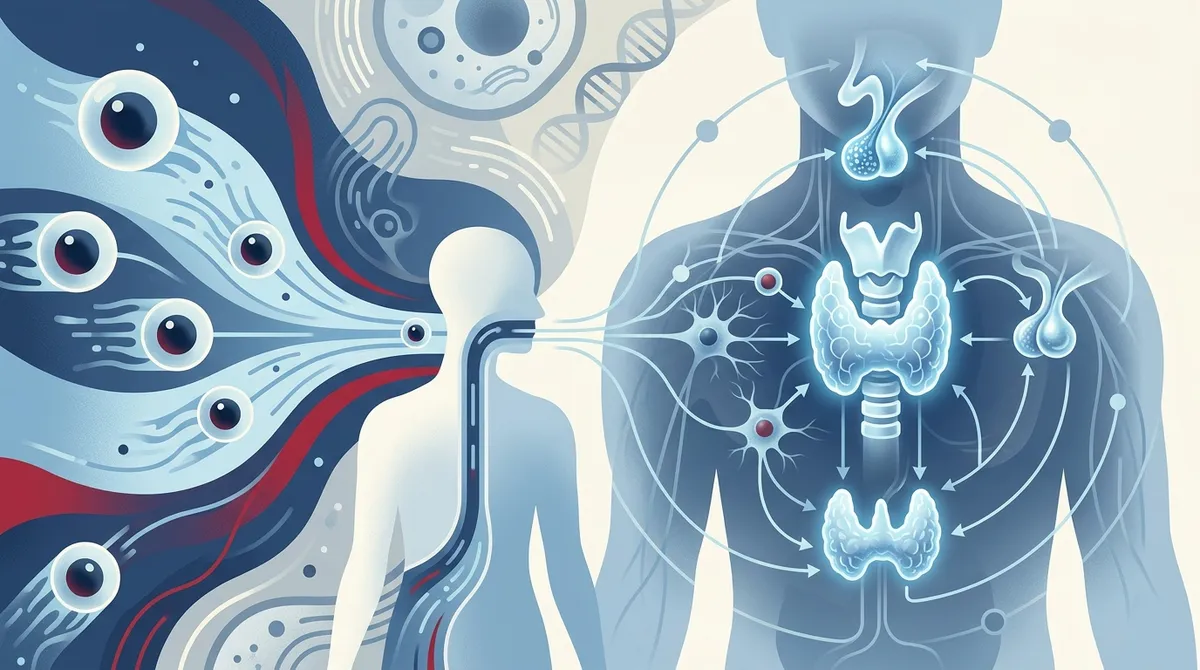
KP-10 stands for kisspeptin-10, sometimes called metastin 45-54. It is a lab-made peptide that activates specific receptors in your brain. These receptors control your hypothalamic-pituitary-gonadal axis, the system that manages reproductive hormones.
When KP-10 activates this pathway, it can trigger the release of gonadotropin-releasing hormone (GnRH). This hormone then signals your body to produce luteinizing hormone (LH) and sometimes follicle-stimulating hormone (FSH). These hormones play a direct role in fertility, testosterone levels, and menstrual cycles.
Small human studies have shown that KP-10 does have real biological effects. Researchers have measured hormone spikes after giving KP-10 through an IV in controlled settings. However, showing an effect is not the same as proving something is safe for everyday use.
If you want to understand more about how this peptide interacts with your body, our detailed guide on kisspeptin and fertility covers the science in plain language.

2. Is KP-10 FDA Approved for Any Use?
No. KP-10 is not approved by the FDA for fertility treatment, testosterone support, weight loss, anti-aging, or any general wellness purpose. Products sold online are usually labeled "research use only." This means they are not meant for humans to consume or inject.
Here is a quick breakdown of what KP-10's current status means for consumers:
|
Category |
Current Status |
What This Means for You |
|---|---|---|
|
FDA Approval |
Not approved |
No legal medical use exists yet |
|
Clinical Trials |
Small, early-phase studies only |
No large-scale safety data available |
|
Online Sales |
Labeled research use only |
Not intended or tested for human use |
|
Standard Dosing |
Not established |
No safe home dose exists |
This lack of approval matters. Without FDA oversight, there is no guarantee that what you buy online contains what the label says. Contamination, incorrect concentration, and counterfeit labeling are common problems with unregulated peptide products.
3. What Does the Research Actually Show About KP-10 Safety?
Most of what we know about KP-10 comes from small, tightly controlled studies. These trials monitored patients closely and gave the peptide through IV lines in clinical settings, not at home.
- Animal studies show some safety markers. A 2021 peer-reviewed study tested KP-10 in dogs over 14 days. Researchers found a no-observed-adverse-effect level of 1,000 micrograms per kilogram. But animal results do not guarantee human safety.
- Human trials focus on short-term hormone response. Controlled studies in healthy men showed rapid increases in LH after KP-10 was given through an IV. These studies were small and closely supervised by medical teams.
- The peptide breaks down fast. KP-10 has a short half-life of about four minutes. This means its effects happen quickly, which can make dosing unpredictable outside a clinical setting.
- No long-term human safety data exists. There is no completed Phase 3 clinical trial program for KP-10. This is the stage of testing needed before any drug earns FDA approval for regular use.
- Proposed clinical doses differ from consumer products. Researchers have used doses around 0.313 micrograms per kilogram in development studies. This is a research figure, not an approved consumer recommendation.
These facts show that KP-10 has measurable effects on hormone levels. But they do not prove it is safe, effective, or appropriate for unsupervised use.
4. What Are the Risks of Using KP-10 Without Medical Supervision?
Using KP-10 outside a clinical trial or supervised medical setting comes with real risks. These risks fall into two categories: risks from the peptide itself, and risks from how it is sold and used.
Risks Tied to the Peptide's Hormonal Effects
- Unpredictable hormone spikes that may disrupt your natural cycle
- Headache, nausea, dizziness, or flushing reported in supervised studies
- Possible interference with fertility treatments already underway
- Unknown effects with repeated or high-dose use over time
Risks Tied to Unregulated Products
- Incorrect peptide concentration in vials
- Contamination from poor manufacturing practices
- Lack of sterility leading to infection risk
- Counterfeit labeling that misrepresents the actual contents
- Improper storage that degrades the product before use
Self-injecting any unregulated peptide also carries risks unrelated to the compound itself. Tissue injury, dosing errors, and infection at the injection site are all real concerns. This is why primary care providers strongly recommend medical oversight for any hormone-related treatment.
5. Who Should Avoid KP-10 Completely?
Because KP-10 directly affects reproductive hormones, certain groups face higher risks. If you fall into any of these categories, you should not use KP-10 without specialist guidance.
- Pregnant or breastfeeding individuals. Hormone shifts during these periods are already complex. Adding an unregulated peptide could create unpredictable complications.
- People actively trying to conceive. KP-10 may interfere with natural or medically supervised fertility protocols.
- Those with unexplained menstrual or fertility issues. These symptoms need proper diagnosis, not self-treatment with unproven peptides.
- Patients with endocrine disorders. Conditions affecting your thyroid, adrenal glands, or pituitary gland can interact unpredictably with KP-10.
- Anyone with a hormone-sensitive cancer history. Peptides that influence reproductive hormones could pose serious risks for these patients.
If any of these apply to you, speak with a licensed clinician before considering any peptide therapy. Our team of providers can review your health history and discuss safer, evidence-based options.
How InCare Approaches Hormone Health and Wellness Safely
At InCare, we believe in using proven, medically supervised approaches to hormone health and fertility support. Rather than turning to unregulated online peptides, our clinics in Tampa and Riverview offer DNA gene testing, comprehensive lab work, and personalized treatment plans built around your actual health data.
We also offer body composition analysis and medically supervised weight loss programs for patients seeking whole-body wellness optimization. These services use established, tested methods instead of unproven research chemicals.
Patients across Tampa Bay trust InCare for straightforward, honest guidance on hormone health. You can visit us on Google — InCare to see what our patients say about their experience. We also share wellness tips and clinic updates on Facebook, Instagram, and TikTok.
Signs You Should Seek Medical Care Immediately
If you have already used an online KP-10 product, watch for warning signs that need prompt attention. Do not wait if you notice any of the following:
- Severe headache that does not improve
- Chest pain or pressure
- Shortness of breath
- Fainting or feeling like you might pass out
- Allergic symptoms like swelling or hives
- Fever
- Worsening redness or swelling at an injection site
A urgent care visit can help evaluate these symptoms quickly. For ongoing concerns about hormone health or fertility, a primary care clinician can discuss evidence-based options that do not carry the same risks as unregulated peptides.
What Evidence-Based Alternatives Exist for Hormone and Fertility Support?
Instead of relying on unproven peptides, many patients benefit from established medical approaches. These options come with real safety data and clinical oversight.
|
Health Goal |
Evidence-Based Option |
Where to Start |
|---|---|---|
|
Fertility concerns |
Hormone panel testing and specialist referral |
Primary care visit |
|
Low testosterone symptoms |
Comprehensive lab testing and monitored therapy |
Hormone therapy consultation |
|
Weight management |
Medically supervised weight loss programs |
Weight loss clinic visit |
|
General hormone optimization |
DNA testing and personalized wellness plans |
Gene testing consultation |
These paths give you real data about your body instead of guessing with unregulated products. A licensed provider can also monitor your progress and adjust your plan as needed, something no online peptide vendor can offer.
Final Thoughts on KP-10 Safety
The honest answer to "is KP-10 safe" is that we simply do not know yet. Small studies show it has real effects on hormones, but there is no approved dose, no long-term safety data, and no FDA-approved product for consumer use. Products sold online are not meant for human use and carry real risks beyond the peptide itself.
If you are curious about hormone health, fertility support, or weight optimization, there are safer, proven paths forward. Our team at InCare in Tampa and Riverview is ready to walk you through options backed by real science and medical supervision. Reach out to our team today to schedule a consultation, or book your appointment now to start your journey toward safe, effective wellness care.
FAQs
Q: Is KP-10 safe to use at home without a doctor?
A: No. KP-10 is not approved for home use and has no standardized safe dose. Self-injecting unregulated peptides carries risks like contamination, incorrect dosing, and infection, so medical supervision is essential.
Q: Does KP-10 actually increase testosterone or fertility?
A: Small supervised studies show KP-10 can raise LH and sometimes FSH, which are hormones tied to fertility and testosterone production. However, this shows biological activity, not proven effectiveness as a safe, routine treatment.
Q: Can women or men use KP-10 for fertility support?
A: There is no approved KP-10 product for fertility use in men or women. Anyone struggling with fertility should consult a licensed clinician who can offer evidence-based diagnostic testing and treatment options.
Q: What should I do if I already used an online KP-10 product?
A: Watch for symptoms like severe headache, chest pain, shortness of breath, fainting, allergic reactions, fever, or worsening injection-site redness. Seek urgent medical care immediately if any of these occur.
Q: Is KP-10 safe during pregnancy or breastfeeding?
A: KP-10 should not be used during pregnancy or breastfeeding without specialist medical oversight. Because it directly affects reproductive hormones, it could create unpredictable complications during these sensitive periods.