
Key Takeaways
- MOTS-c lacks FDA approval and human clinical proof of efficacy; almost all strong evidence comes from animal studies and lab research, not human trials, making real-world effectiveness unproven.
- Combining MOTS-c with diabetes medications like metformin or insulin poses unknown safety risks including unpredictable blood sugar swings and potential drug interactions that remain unstudied.
- Human studies show your body naturally produces more MOTS-c during exercise, but this does not prove that injecting extra MOTS-c improves health—a critical distinction often lost in marketing claims.
- Ongoing Phase 2a clinical trials may eventually provide answers, but as of 2026 no published peer-reviewed results confirm specific efficacy claims like the '19% insulin sensitivity improvement' seen in online marketing.
MOTS-c has become a buzzword in wellness circles, especially among people chasing better blood sugar control, faster metabolism, and longer, healthier lives. Ads and social media posts promise this tiny peptide can transform your health. But what does the science actually say? If you live in Tampa or Riverview and you've heard about MOTS-c from a friend, a gym buddy, or an online ad, you deserve honest answers before you consider trying it. This guide breaks down what MOTS-c efficacy really means, using the best available research, so you can make an informed decision with your primary care provider.
At InCare, we believe patients deserve clear facts, not hype. Our team in Tampa and Riverview helps people sort through wellness trends every day. Below are five key facts about MOTS-c efficacy, backed by current research, along with what they mean for your health decisions in 2026.
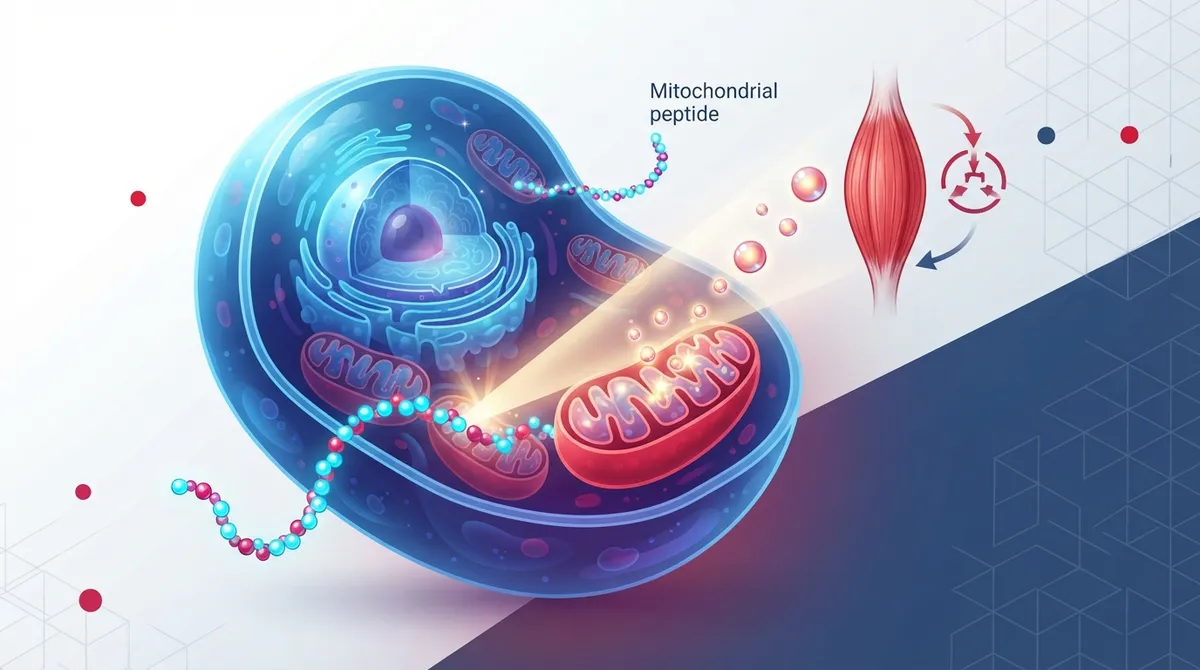
1. MOTS-c Is a Mitochondrial Peptide With Interesting Lab Results
MOTS-c stands for mitochondrial open reading frame of the 12S rRNA type-c. It's a short peptide made from instructions stored in your mitochondria, the tiny energy factories inside your cells. Scientists first got excited about MOTS-c because it seemed to talk directly to your cells about energy use and metabolism.
In lab studies, MOTS-c has been linked to several possible effects. These include:
- Better glucose uptake in cells
- Improved insulin sensitivity
- Changes in how the body burns fat
- Support for healthy mitochondrial function
- Possible effects on muscle performance and bone health
Researchers believe MOTS-c may work by activating a pathway called AMPK, which helps regulate how genes turn on and off during metabolic stress. This is a real and active area of study. However, having a plausible mechanism in a lab dish is very different from proving something works safely in real patients. That gap matters a lot when weighing MOTS-c efficacy claims you see online.
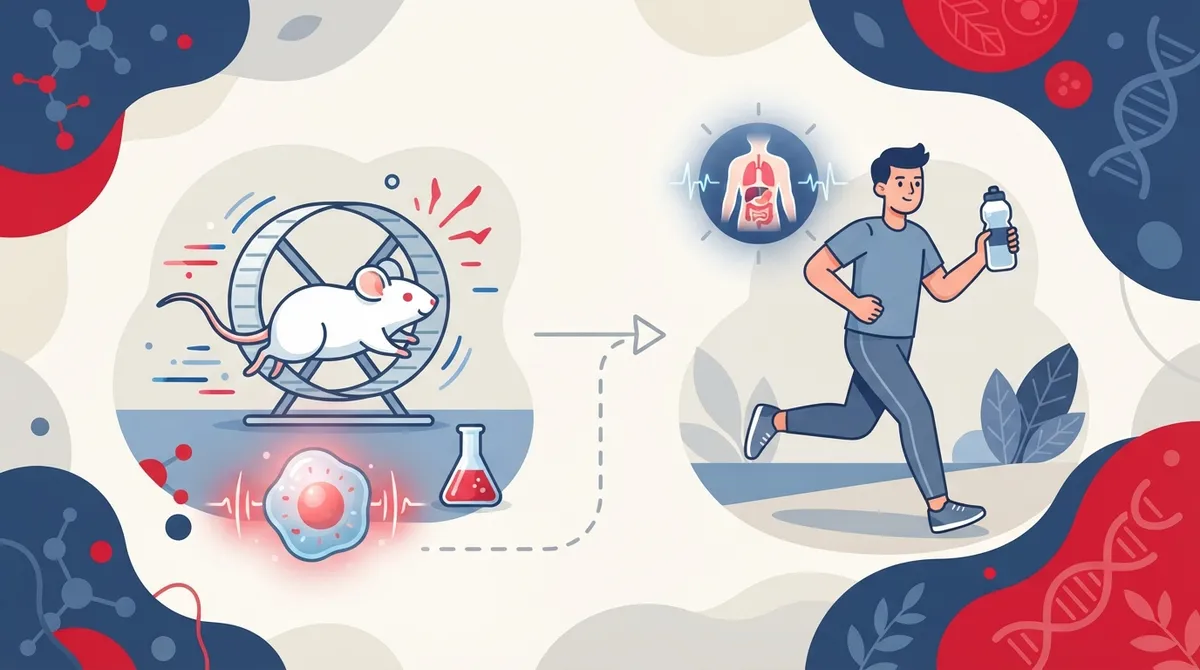
2. Most Proof Comes From Mice, Not Humans
Here is the most important fact to understand about MOTS-c efficacy: almost all of the strong evidence comes from animal studies, not human trials. In mouse models, researchers have seen improvements in glucose metabolism, exercise capacity, and general metabolic health after giving mice MOTS-c.
These results are promising for future research. But mice are not people. Human bodies process peptides differently, and what works in a 25-gram mouse does not always translate to a 180-pound adult. Published reviews from 2023 confirm that most MOTS-c research remains preclinical, covering cell studies and animal models involving insulin resistance, obesity, muscle function, bone metabolism, immune regulation, and aging.
This does not mean the science is bad. It means the science is still young. If you are considering any peptide therapy, understanding this timeline helps you set realistic expectations. Our peptide therapy team in Tampa can walk you through what current evidence supports and what remains unproven.
3. Human Studies Show Natural MOTS-c Levels Change, Not That Injections Work
Some human research does exist, but it measures something different than you might think. A notable exercise study found that MOTS-c naturally increased in skeletal muscle by about 11.9-fold and in the bloodstream by about 1.5-fold after exercise (Reynolds et al., 2021). This tells us your body makes more of its own MOTS-c when you work out.
This is a fascinating biomarker finding. But it does not prove that injecting extra MOTS-c into your body will improve your health. Measuring what your body naturally produces is not the same as testing whether adding more from an outside source is safe or effective. This distinction is often lost in online marketing, and it's one reason primary care providers urge caution.
Endogenous MOTS-c levels also appear to decline with age, based on observational data. This has fueled interest in MOTS-c as a potential anti-aging tool. Still, no human trial has confirmed that replacing this natural decline with injected peptide restores youthful metabolic function.
4. Clinical Trials Are Underway, But Results Are Not In Yet
A small number of human trials involving MOTS-c or related compounds have started. Here is a simple table summarizing what's been done so far.
|
Study |
Phase |
Focus |
Status |
|---|---|---|---|
|
NCT03998514 (CB4211 analog) |
Phase 1a |
Safety and tolerability, short-term dosing (about 7 days) |
Completed; no serious adverse events reported publicly |
|
NCT07505745 |
Phase 2a |
Subcutaneous MOTS-c for insulin sensitivity in adults with prediabetes and obesity, planned for about 120 participants over 12 weeks |
Investigational; no posted efficacy results as of this writing |
The Phase 1a trial for CB4211, a MOTS-c analog, tested short-term safety in a small group of people. It reportedly met basic safety and tolerability goals, but this trial was never designed to prove long-term effectiveness. The Phase 2a trial, NCT07505745, is studying whether MOTS-c can improve insulin sensitivity using a standard measurement called the Matsuda Index. This is a real, registered study, but as of now, there are no published results confirming it works.
You may see claims online about a "19% improvement in insulin sensitivity" from a supposed 2025 Phase 2 trial. These claims should be treated with real skepticism. No verifiable peer-reviewed publication or clear registry data supports specific efficacy numbers like this. Anyone making bold percentage claims about MOTS-c should be able to point you to a real, published study. If they can't, that's a red flag.
5. MOTS-c Is Not FDA-Approved and Carries Real Risks
This is the fact that matters most for your safety. MOTS-c is not an FDA-approved medication. It is not a recognized treatment for diabetes, obesity, aging, fatigue, or muscle loss in standard primary care practice. There is no standardized dosing schedule that has been proven safe or effective for routine patient use.
Potential risks include:
- Injection-site reactions and skin irritation
- Unknown purity from unregulated online suppliers
- Unclear interactions with other medications
- Insufficient safety data on long-term heart, liver, kidney, and immune effects
- Unstudied cancer-related safety concerns
- Extra caution needed for anyone taking glucose-lowering drugs, since additive blood sugar effects have not been well studied
If you take medications like metformin, insulin, or GLP-1 drugs, combining them with an unproven peptide could create unpredictable blood sugar swings. This is exactly the kind of decision that should involve a licensed physician who knows your full medical history, not an online seller with no medical oversight.
What This Means for Your Health Decisions
MOTS-c represents genuinely exciting science. The mechanisms are real, the animal data is intriguing, and ongoing human trials could eventually change how we understand metabolic health and aging. But right now, in 2026, MOTS-c remains an experimental research compound. It is not a proven supplement, and it is not a replacement for lifestyle changes, approved medications, or evidence-based care for conditions like diabetes or obesity.
If you are curious about metabolic health, insulin sensitivity, or weight management, there are proven paths forward today. A thorough body composition analysis can show you exactly where you stand. DNA gene testing can reveal your personal predispositions. A metabolic breath analysis can measure how your body actually burns fuel right now, using real data instead of speculation.
For those focused on weight management, InCare's weight loss programs use physician-supervised, evidence-based approaches that are proven safe and effective. These programs are built around your specific biology, not guesswork from an unregulated peptide vendor. Our providers, including Dr. Pramjeet Ahluwalia, Dr. Naveen Paddu, and Dr. Teshy John, take time to explain the real science behind every recommendation.
How to Talk to Your Doctor About Peptides Like MOTS-c
If you're interested in peptide therapy, honesty with your provider matters. Here are simple steps to prepare for that conversation:
- Write down what you've read or heard about MOTS-c and where the information came from
- List any current medications, especially diabetes drugs or supplements
- Ask your provider what evidence actually supports the claim you saw
- Request a full review of your metabolic health using proven diagnostic tools
- Discuss realistic, evidence-based alternatives that fit your goals
A trustworthy clinic will never pressure you into an unproven treatment. Instead, they'll help you separate marketing hype from real, peer-reviewed science.
Why Choose InCare for Wellness Guidance in Tampa and Riverview
InCare combines advanced technology with honest, physician-led care at our Tampa and Riverview, Florida locations. We understand that patients want cutting-edge wellness options, but we also believe you deserve the truth about what's proven and what's still experimental. Our team stays current on emerging research, including studies on peptides like MOTS-c, so we can guide you safely.
Patients across Tampa Bay trust InCare because we combine cancer screenings, IV hydration therapy, and hair restoration services with straightforward primary care. Our 4.8-star Google rating reflects our commitment to honest, personalized medicine. You can visit us on Google — InCare to read what real patients say about their experience. You can also follow our latest health updates on Facebook, Instagram, and TikTok for practical wellness tips grounded in real science.
Take the Next Step Toward Real, Proven Wellness
MOTS-c efficacy remains unproven in humans, but that doesn't mean you have to wait for better health. Proven tools like metabolic testing, body composition analysis, and physician-guided weight loss programs are available right now. If you're ready to build a wellness plan based on real evidence rather than online hype, our team at InCare is here to help. Reach out to our care team today or book your appointment now to start a conversation grounded in science, not speculation.
FAQs
Q: What is MOTS-c and how does it work?
A: MOTS-c is a small peptide made from mitochondrial DNA that may influence how cells use energy and manage glucose. Lab studies suggest it activates a pathway called AMPK, which plays a role in metabolism, but this mechanism has not been fully proven in human clinical trials.
Q: Does MOTS-c improve insulin sensitivity or blood sugar in humans?
A: There is no completed, peer-reviewed human trial confirming that MOTS-c improves insulin sensitivity or blood sugar control. A Phase 2a trial, NCT07505745, is currently studying this question in adults with prediabetes, but results have not yet been published.
Q: Is MOTS-c approved by the FDA or available as a prescription treatment?
A: No, MOTS-c is not FDA-approved and is not an established prescription treatment for diabetes, obesity, or aging. It remains an experimental research compound without standardized dosing guidelines for clinical use.
Q: What are the side effects and long-term safety risks of MOTS-c?
A: Potential risks include injection-site reactions, uncertain product purity from unregulated suppliers, and unknown long-term effects on the heart, liver, kidneys, and immune system. Long-term human safety data simply does not exist yet.
Q: Can MOTS-c be combined safely with metformin, insulin, or GLP-1 medications?
A: This has not been adequately studied, and combining MOTS-c with glucose-lowering medications could create unpredictable blood sugar effects. Anyone taking diabetes medications should discuss any peptide interest directly with their physician before considering it.