
Key Takeaways
- MOTS-c may activate AMPK (your cells' energy sensor) to increase glucose uptake and fat burning, but this evidence comes mainly from animal studies, not proven human trials.
- Exercise naturally raises MOTS-c levels in your body, making regular physical activity a proven way to trigger the body's own metabolic response without injections.
- MOTS-c is not FDA-approved for any medical use; a Phase 2a human trial is currently underway but no efficacy results exist yet, making injectable MOTS-c claims unproven for weight loss or diabetes.
- Combining MOTS-c with diabetes medications like metformin or insulin could increase low blood sugar risk due to unclear interactions, requiring medical supervision if considered.
Peptide therapy is one of the hottest topics in wellness clinics today. Among the newest names patients ask about is MOTS-c. This small molecule gets attention because it may connect to energy, metabolism, and healthy aging. But how does MOTS-c work, and should you consider it as part of your wellness plan?
This guide breaks down the science in simple terms. We will look at what MOTS-c is, how it may act inside your cells, and what the research really shows. We will also cover the honest limits of current evidence. If you are exploring peptide therapy or metabolic health options in Tampa or Riverview, this article gives you the facts you need before your next conversation with a provider.
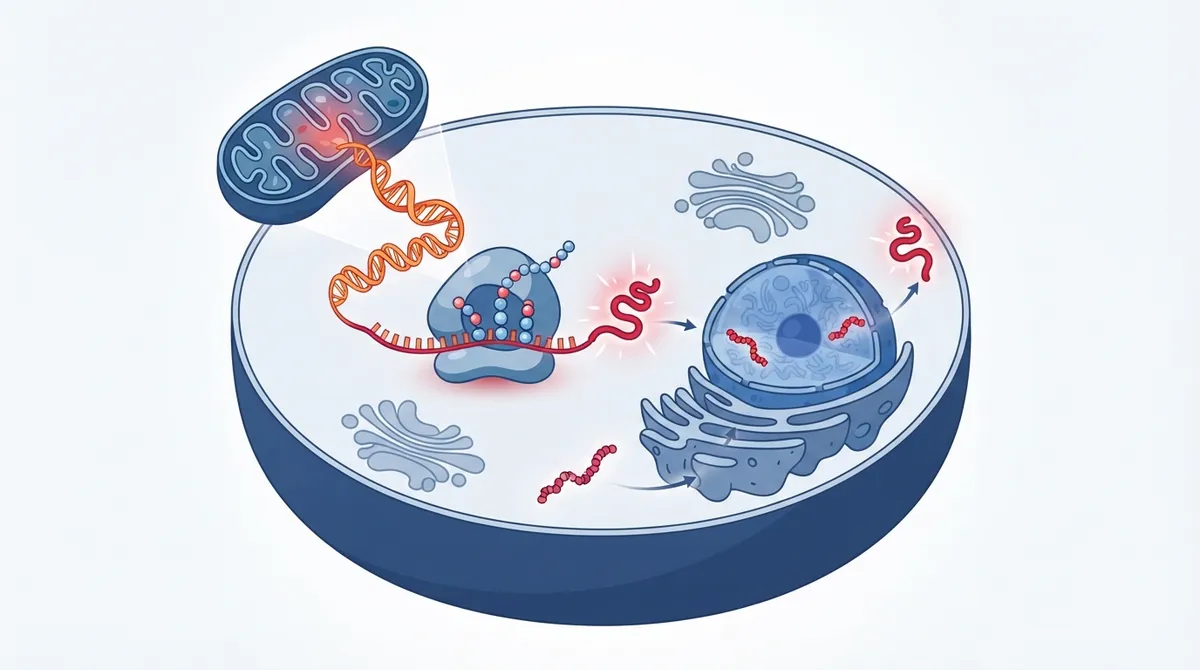
What Is MOTS-c and Where Does It Come From?
MOTS-c stands for mitochondrial open reading frame of the 12S rRNA type-c. That is a long name for a very small peptide. It has only 16 amino acids. Your body makes it naturally inside your mitochondria, the tiny structures that create energy in your cells.
Unlike many hormones, MOTS-c is not made from typical genes. It comes from a special part of mitochondrial DNA. Scientists first described this peptide in 2015, and research has grown steadily since then.
- MOTS-c is naturally occurring, not a lab-made drug approved for treatment
- It is classified as a mitochondrial-derived peptide
- Levels of MOTS-c appear to rise during exercise
- Levels may decline as people get older
- It is studied as a signal molecule, not a standard medicine
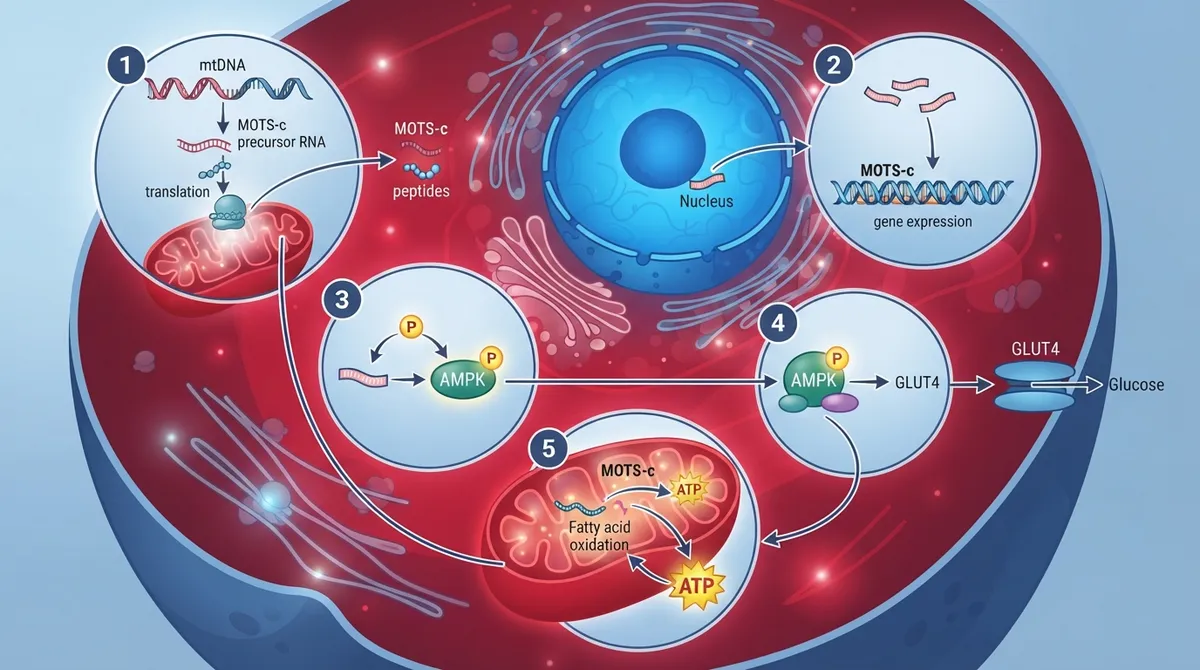
5 Key Facts on How MOTS-c May Work Inside Your Cells
Understanding the proposed mechanisms helps explain why researchers are curious about this peptide. Here are five important facts based on current science.
1. MOTS-c May Activate AMPK, Your Body's Energy Sensor
One of the most discussed ideas involves AMPK, short for AMP-activated protein kinase. Think of AMPK as a switch that turns on when your cells need more energy. Research suggests MOTS-c may help flip this switch.
When AMPK activates, it may boost glucose uptake and support fat burning. This effect appears strongest in skeletal muscle. If confirmed in humans, this could matter for people focused on weight loss and metabolic health.
2. It May Influence the Folate-Methionine Cycle
MOTS-c may also touch a different pathway called the folate-methionine cycle. This process affects how cells manage certain nutrients and energy signals. Changes here could connect to shifts in glucose and lipid metabolism seen in lab studies.
This is a more technical area of research. But the takeaway is simple: MOTS-c may work through more than one pathway at once.
3. MOTS-c Can Travel to the Cell Nucleus During Stress
Normally, MOTS-c stays in the mitochondria or the fluid inside cells. But under metabolic stress, such as intense exercise, it may move into the cell nucleus. There, it could influence genes tied to stress response and metabolism.
This kind of signaling is called mitochondrial-to-nuclear communication. It is a newer area of science that helps explain how your cells adapt to challenges like exercise or calorie changes.
4. Animal Studies Show Promise, But Human Data Is Limited
Much of what we know comes from mice, not people. In one study, aged and obese mice given MOTS-c showed better insulin sensitivity and more fat burning. These are encouraging results, but they cannot be applied directly to humans.
As of now, there is no strong published human trial proving that injected MOTS-c treats diabetes, obesity, or aging. A related compound called CB4211 has been tested in early trials, but it is not the same as natural MOTS-c.
5. Exercise Naturally Raises MOTS-c Levels
Here is a fact that matters for everyday health. Studies show that exercise increases natural MOTS-c levels in muscle and blood. One review found these levels can return to normal after about four hours of rest, though timing varies by study.
This suggests that regular physical activity may already trigger the body's own MOTS-c response. This is one reason our primary care team encourages exercise as a foundation for long-term wellness, not just supplements.
MOTS-c Research Status: What the Evidence Actually Shows
|
Research Area |
What We Know |
What Remains Unclear |
|---|---|---|
|
Animal Studies |
Improved insulin sensitivity and fat oxidation in mice |
Cannot be directly applied to human outcomes |
|
Human Trials |
Natural MOTS-c rises with exercise; one Phase 2a trial registered |
No published human efficacy results for injected native MOTS-c |
|
FDA Status |
Not an approved drug or standard treatment |
Long-term safety and dosing not established |
|
Related Compounds |
CB4211 analogue tested in early trials |
Not identical to native MOTS-c; frequent injection-site reactions reported |
Is MOTS-c FDA-Approved for Human Use?
No. MOTS-c is not approved by the FDA for treating any medical condition. It is not a standard-of-care therapy that doctors prescribe for diabetes, weight loss, or aging. Some wellness clinics or online sellers market MOTS-c products, but these are often intended for research use only.
This distinction matters. Products sold outside licensed medical settings may face problems with purity, dosing accuracy, and sterility. According to a regulatory review published in 2026, the peptide remains under close watch by health authorities due to these quality concerns.
What Does the Current Human Trial Data Show?
A registered Phase 2a study is currently examining native MOTS-c in adults with prediabetes and obesity. This trial, listed as NCT07505745, has an estimated enrollment of 120 participants. As of now, no outcome results have been posted.
This means we are still waiting for solid human safety and effectiveness data. Until such data exists, claims about weight loss or diabetes prevention with MOTS-c injections remain unproven for humans.
Steps to Take Before Considering MOTS-c or Any Peptide Therapy
- Talk with a licensed primary care provider about your health goals and history
- Ask about your current medications, especially diabetes drugs or AMPK-related treatments
- Request clear information on any product's source, purity, and testing
- Discuss realistic expectations based on current human evidence, not animal studies
- Consider proven approaches first, such as exercise, nutrition, and sleep habits
Our providers at InCare, including Pramjeet Ahluwalia MD and Naveen Paddu MD, can help you sort fact from marketing hype when it comes to investigational therapies.
Potential Risks and Safety Concerns
Because MOTS-c research in humans is still early, several safety questions remain open. Patients should be aware of these before considering any peptide product.
- Long-term effects on the body are not yet studied
- Possible interactions with metformin, insulin, or GLP-1 medications are not fully understood
- Injection-site reactions have been reported with a related compound, CB4211
- Compounded products may carry contamination or mislabeling risks
- Combining MOTS-c with diabetes drugs could raise the risk of low blood sugar
These are exactly the kinds of concerns a trained clinician should review with you. If you are curious about peptide options, our team can walk you through what current peptide therapy guidance actually supports.
MOTS-c vs. Proven Wellness Strategies
|
Approach |
Evidence Level |
Availability at InCare |
|---|---|---|
|
Regular Exercise |
Strong, well-established human evidence |
Supported through wellness coaching and screening |
|
Nutrition Counseling |
Strong, well-established human evidence |
Included in weight loss and wellness programs |
|
Sleep Improvement |
Strong, well-established human evidence |
Addressed during primary care visits |
|
MOTS-c Injections |
Preclinical and early-phase only |
Not offered as an approved treatment |
Why Whole-Body Testing Matters More Than a Single Peptide
Instead of chasing one molecule, many patients benefit more from a full picture of their metabolic health. Tools like metabolic breath analysis and body composition testing give real data about how your body burns energy right now.
Pairing this data with DNA gene testing can help create a personalized plan. This approach focuses on measurable results instead of relying on a single peptide with limited human proof.
How InCare Approaches Emerging Peptide Science
At InCare, we believe in giving patients honest, evidence-based guidance. Our Tampa and Riverview locations combine advanced technology with careful medical review. We do not oversell investigational compounds like MOTS-c as guaranteed solutions.
Instead, our providers focus on what actually works: proven weight loss programs, regular cancer screening, and personalized wellness plans built on real data. You can meet our full team on the providers page, including Teshy John MD, who supports patients through comprehensive primary care visits.
Many patients also follow us on social media for wellness updates and clinic news. You can find helpful content on Facebook, see behind-the-scenes wellness tips on Instagram, and catch quick health facts on TikTok.
Finding the Right Wellness Partner in Tampa and Riverview
Choosing where to get health guidance matters, especially with newer topics like peptide therapy. InCare has two convenient locations designed to make comprehensive care easy to access.
Patients consistently share positive experiences about our clinics. You can visit us on Google — InCare to read real reviews from people in Tampa and Riverview who trust our team for primary care and wellness services.
Moving Forward With Clear, Honest Information
So, how does MOTS-c work? Based on current research, it may activate AMPK, support glucose metabolism, and respond to exercise-related stress. But most of this evidence comes from cells and animals, not people. Human trials are still underway, and no injectable MOTS-c product is FDA-approved.
The smartest path forward is combining curiosity about new science with proven wellness habits. Exercise, nutrition, sleep, and regular screening still form the backbone of good health. If you want expert guidance on separating hype from evidence, our team is ready to help.
Ready to talk through your wellness goals with a trusted provider? Reach out to our team today or schedule your appointment now to start building a health plan based on real evidence, not just trends.
FAQs
Q: How does MOTS-c work to affect metabolism?
A: Research suggests MOTS-c may activate AMPK, a cellular energy sensor that can increase glucose uptake and support fat burning. It may also influence the folate-methionine cycle and move to the cell nucleus during metabolic stress. Most of this evidence comes from cell and animal studies, not confirmed human trials.
Q: Is MOTS-c approved by the FDA for weight loss or diabetes?
A: No, MOTS-c is not FDA-approved for any medical use, including weight loss or diabetes management. It remains an investigational peptide studied mainly in preclinical research. Patients should discuss any interest in peptide therapy with a licensed primary care provider first.
Q: Can exercise increase natural MOTS-c levels in the body?
A: Yes, studies show that exercise and metabolic stress appear to raise natural MOTS-c expression in skeletal muscle and blood. One review found these levels can return toward baseline after about four hours of rest. This suggests regular physical activity may already support MOTS-c-related signaling naturally.
Q: Is it safe to combine MOTS-c with diabetes medications like metformin or insulin?
A: Because MOTS-c may influence AMPK and glucose metabolism, combining it with diabetes medications could raise the risk of low blood sugar. Human interaction data is limited, so this should never be attempted without medical supervision. Always consult a licensed clinician before considering any peptide alongside prescription medications.
Q: What is the difference between MOTS-c and CB4211?
A: CB4211 is a MOTS-c analogue tested in early clinical trials, but it is not identical to native MOTS-c. Early reports describe short-term tolerability but frequent injection-site reactions with CB4211. These findings do not confirm the safety or effectiveness of natural MOTS-c in humans.