
Key Takeaways
- No FDA-approved KP-10 product exists, and the FDA's own advisory committee stated current evidence is insufficient to determine a safe dose range or duration for subcutaneous use.
- Research doses of KP-10 administered intravenously in hospitals (0.01-3.0 mcg/kg) cannot be safely converted to home subcutaneous injections, as absorption and delivery methods differ fundamentally.
- Online wellness sources commonly recommend 50-200 mcg subcutaneous doses based on anecdotal forum posts, not medical science or clinical validation.
- Individual KP-10 response varies widely based on sex, age, baseline hormone levels, underlying conditions, and metabolic health, making a one-size-fits-all dosage approach unsafe.
- Medical testing for LH, FSH, testosterone, prolatin, and thyroid function must precede any KP-10 consideration to confirm the actual cause of hormone symptoms.
- KP-10 may cause headache, flushing, nausea, injection-site irritation, and unknown long-term effects, with compounded products lacking FDA manufacturing oversight.
Kisspeptin-10, often shortened to KP-10, has become a buzzword in wellness circles chasing hormone optimization and fertility support. Search interest in "kp-10 dosage" has climbed as people look for shortcuts to better reproductive health or higher testosterone. But here is the problem: there is no approved dosage, and following the wrong number can put your health at risk.
This confusion matters most for people already juggling busy schedules, like young families and working professionals in Tampa and Riverview who want fast answers. Unfortunately, fast answers about KP-10 dosing are often wrong ones. Before you consider this peptide, you need to understand what the science actually shows, and where most people go wrong.
This guide walks through the four biggest KP-10 dosage mistakes people make. It also explains what real clinical research says, what remains unknown, and why working with a licensed primary care provider is the safest path forward.

What Is KP-10 and Why Does Dosage Confusion Exist?
KP-10 is a lab-made version of kisspeptin, a natural signaling molecule in your body. Kisspeptin helps control gonadotropin-releasing hormone (GnRH), which then triggers luteinizing hormone (LH) and follicle-stimulating hormone (FSH). These hormones drive reproductive function and testosterone production.
Here is the key fact everyone searching for "kp-10 dosage" needs to know: there is no FDA-approved kisspeptin-10 product. That means there is no official dose for testosterone support, fertility treatment, or general wellness. Any number you find online is not backed by regulatory approval.
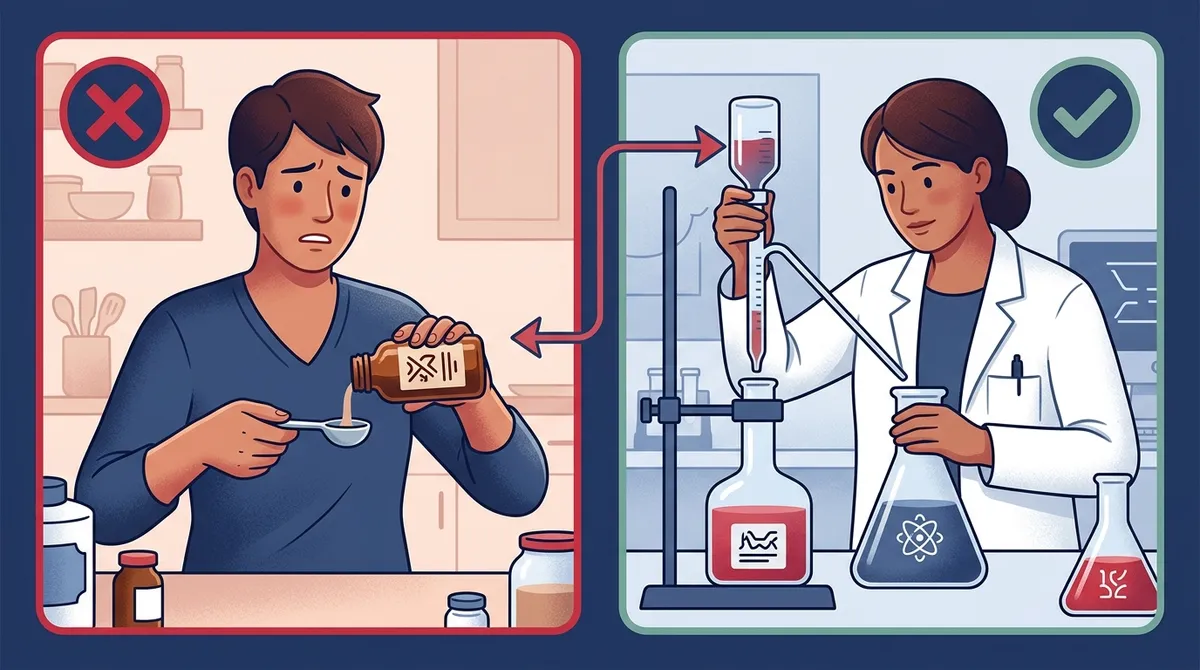
Confusion grows because researchers have used KP-10 in hospital studies. Those doses do not translate into safe home use. Below are the four most common dosage mistakes people make when trying to use this peptide outside of proper medical supervision.
Mistake 1: Confusing Research Doses With Safe Home Doses
Many wellness websites list subcutaneous doses of roughly 50 to 200 micrograms. These numbers sound official, but they are not supported by any approved label or clinical guideline. They are anecdotal figures pulled from online forums, not medical science.
Real human research looked very different. Consider these documented facts:
- A small study in healthy men used intravenous KP-10 doses near 0.3 and 1 microgram per kilogram to trigger maximum LH response.
- Another hospital protocol used a continuous IV infusion of about 4 micrograms per kilogram per hour for up to 22.5 hours.
- Reported bolus doses across various studies ranged from roughly 0.01 to 3.0 micrograms per kilogram.
- Infusion rates in published research ranged from about 1.5 to 4 micrograms per kilogram per hour.
These numbers were used in hospital settings with constant monitoring. They cannot be safely converted into a subcutaneous injection you give yourself at home. Mixing up research protocols with home dosing is the single biggest mistake people make.
Why Intravenous Research Cannot Guide Self-Injection
IV dosing delivers the peptide directly into the bloodstream under close supervision. Subcutaneous injection works differently, with slower and less predictable absorption. Nobody has established how these two delivery methods compare in terms of safety or effect for KP-10.
Mistake 2: Ignoring the FDA's Own Safety Concerns
In 2024, the FDA Pharmacy Compounding Advisory Committee reviewed kisspeptin-10 for possible inclusion on an approved list of compounding substances. The committee's own briefing documents stated something important: available information was not enough to determine a safe dose range, dosing frequency, or duration for subcutaneous or intramuscular use.
This is a significant statement. Federal reviewers with access to published research still could not confirm a safe dosing schedule. Yet online sellers continue to market compounded KP-10 injectable products, some listed at 1 milligram per milliliter, without that safety data behind them.
Ignoring this warning is a serious mistake. If regulators cannot confirm safety, self-dosing based on internet advice carries real risk. This is one reason clinics like InCare emphasize evaluation before any peptide-related conversation, rather than jumping straight to a product recommendation.
Table: Research Dosing vs. Commonly Advertised Home Dosing
|
Dosing Context |
Route |
Reported Range |
Setting |
|---|---|---|---|
|
Acute LH stimulation study |
Intravenous bolus |
0.3–1 mcg/kg |
Hospital, monitored |
|
Prolonged infusion protocol |
IV infusion |
~4 mcg/kg/hr up to 22.5 hrs |
Hospital, monitored |
|
General bolus research range |
Intravenous bolus |
0.01–3.0 mcg/kg |
Hospital, monitored |
|
Online wellness sources |
Subcutaneous |
~50–200 mcg |
Unsupervised, anecdotal |
Mistake 3: Assuming Everyone Responds the Same Way
Another common error is thinking KP-10 works the same for everyone. Response to kisspeptin varies widely based on several factors:
- Sex and hormonal baseline before treatment
- Age and current reproductive status
- Underlying cause of hormone symptoms, such as pituitary or testicular issues
- Metabolic health, including blood sugar and weight status
- Whether fertility goals or general wellness is the driving concern
One small study looked at men with hypogonadism linked to type 2 diabetes. After KP-10 infusion, mean LH rose from about 3.9 to 20.7 IU per liter. Testosterone increased from roughly 8.5 to 11.4 nmol per liter. These numbers sound promising, but the sample size was very small, and the study did not prove long-term benefit.
Assuming your body will react the same way as a study participant ignores basic biology. This is exactly why testing and evaluation matter more than guessing at a dose. A proper workup through DNA gene testing or hormone panels can reveal what is actually driving your symptoms before any treatment decision is made.
Table: Factors That Change KP-10 Response
|
Factor |
Why It Matters |
|---|---|
|
Baseline hormone levels |
Determines how much stimulation is even possible |
|
Underlying condition |
Pituitary vs. testicular vs. ovarian causes respond differently |
|
Metabolic health |
Diabetes and obesity can blunt hormone signaling |
|
Age |
Reproductive axis sensitivity shifts across the lifespan |
Mistake 4: Skipping Medical Testing Before Considering KP-10
The fourth and most dangerous mistake is skipping proper testing altogether. People searching for a quick fix often buy a peptide online and start injecting without ever confirming what is actually wrong.
A responsible evaluation before considering KP-10 should include:
- A full review of symptoms and current medications
- Discussion of reproductive goals, whether fertility or hormone balance
- Blood tests for LH, FSH, testosterone, or estradiol as appropriate
- Prolactin and thyroid testing to rule out other causes
- Screening for pituitary, testicular, ovarian, or metabolic conditions
Skipping this step means you could be treating the wrong problem entirely. Low energy or low libido can come from thyroid issues, sleep problems, or metabolic conditions that have nothing to do with kisspeptin signaling. A visit for a wellness visit or hormone evaluation can uncover the real cause faster and more safely than guessing with an unregulated peptide.
Potential Side Effects You Should Know
Even in controlled research, KP-10 was linked to several possible side effects. These include:
- Hormone level fluctuations beyond the intended effect
- Headache, flushing, or a warm sensation
- Nausea after administration
- Injection-site irritation or reactions
- Unknown risks from repeated or long-term exposure
- Possible receptor desensitization with frequent dosing
Compounded products also raise separate concerns about sterility, purity, and consistency, since they are not manufactured under the same oversight as FDA-approved medications.
How KP-10 Compares to Established Hormone Treatments
It helps to see how KP-10 stacks up against options with more established safety data. This table gives a general comparison.
|
Treatment |
FDA Approval Status |
Typical Setting |
Established Dosing |
|---|---|---|---|
|
KP-10 (kisspeptin-10) |
Not approved |
Research only |
No established outpatient dose |
|
Testosterone Replacement Therapy |
Approved for specific indications |
Clinic-supervised |
Individualized, evidence-based |
|
hCG Therapy |
Approved for certain uses |
Clinic-supervised |
Individualized, evidence-based |
This is why many patients exploring hormone support end up discussing options like testosterone replacement therapy with a licensed provider instead of relying on unregulated peptides. Established treatments come with dosing guidelines built on years of clinical evidence.
Steps to Take Before Considering Any Peptide Therapy
If you are still curious about kisspeptin or similar peptides, follow these steps rather than self-dosing:
- Schedule an appointment with a primary care provider to discuss your symptoms.
- Request appropriate lab testing, including hormone panels and thyroid function.
- Ask about the current evidence and regulatory status of any peptide you are considering.
- Discuss established alternatives, such as hormone therapy, that have clearer safety records.
- Avoid purchasing peptides from unverified online sellers without medical guidance.
Clinics offering peptide therapy in Tampa can walk you through what is supported by evidence and what remains experimental. This kind of guidance protects you from wasting money or risking your health on unproven protocols.
Why Professional Guidance Matters More Than a Number
People searching for "kp-10 dosage" usually want one simple number. The truth is more complicated. Safe use depends on your health history, lab results, and the specific goal you are trying to reach, whether that is fertility support, better energy, or hormone balance.
Working with a qualified clinician also means someone is watching for side effects and adjusting your care plan as needed. This kind of oversight is not something an online forum or unregulated seller can offer. Learn more about kisspeptin science and hormone health through our kisspeptin explained guide, which breaks down the biology in more detail.
InCare patients in Tampa and Riverview also benefit from services like body composition analysis and metabolic testing, which help identify the real root cause of low energy or hormone symptoms before jumping to any peptide conversation. You can also follow updates and patient stories on our Facebook page or see daily wellness tips on Instagram.
Frequently Asked Questions About KP-10 Dosage
Before wrapping up, it helps to see what real patients often ask their providers about this peptide and its uncertain dosing status.
Final Thoughts on KP-10 Dosage Safety
There is no shortcut when it comes to KP-10 dosage. No FDA-approved product exists, research doses do not translate to home use, individual responses vary widely, and skipping medical testing puts your health at unnecessary risk. These four mistakes are avoidable once you understand the real science behind kisspeptin-10.
Rather than guessing with an unregulated peptide, talk to a provider who can test your hormone levels and build a plan based on your actual results. Our team maintains a strong reputation, reflected in reviews you can read when you visit us on Google — InCare. You can also follow quick wellness explainers on TikTok for more primary care insights.
If you are ready to get real answers about your hormone health instead of relying on unverified dosage charts, reach out to our team today or schedule your appointment now at our Tampa or Riverview location.
FAQs
Q: Is there an FDA-approved dosage for kisspeptin-10?
A: No. There is no FDA-approved KP-10 product, indication, or established human dosage. Federal reviewers have stated that current evidence is insufficient to confirm a safe dose range or duration for subcutaneous or intramuscular use.
Q: What dose of KP-10 is used in clinical research?
A: Published studies have used intravenous bolus doses ranging from roughly 0.01 to 3.0 micrograms per kilogram, along with infusion rates between 1.5 and 4 micrograms per kilogram per hour. These protocols were conducted in monitored hospital settings and cannot be converted into a safe home dose.
Q: Is subcutaneous KP-10 safe for home use?
A: No reliable safety data supports self-administered subcutaneous KP-10. Commonly advertised doses of 50 to 200 micrograms online are anecdotal and lack FDA approval or clinical validation.
Q: Can kisspeptin-10 increase testosterone or treat low testosterone?
A: Kisspeptin-10 may stimulate LH and downstream testosterone activity in research settings, but responses vary by individual factors like age, baseline hormone levels, and underlying cause. It is not an established replacement for testosterone therapy.
Q: What medical tests should be done before considering kisspeptin-10?
A: A qualified clinician should review your symptoms and order tests such as LH, FSH, testosterone or estradiol, prolactin, and thyroid function. This helps identify the true cause of hormonal symptoms before considering any peptide therapy.