Key Takeaways
- Copper-chelating medications (penicillamine, trientine, EDTA) can strip copper from GHK-Cu complexes, significantly reducing their effectiveness and should be avoided without medical supervision.
- High-dose zinc supplements above 40 mg daily compete with copper absorption, potentially diminishing GHK-Cu performance; consult a healthcare provider before combining these supplements.
- Separate GHK-Cu from strong topical actives like retinoids, AHAs, and BHAs by several hours or alternate days to prevent skin irritation from layering incompatible ingredients.
- Individuals with Wilson's disease, copper overload conditions, or copper metabolism disorders must seek medical guidance before using GHK-Cu products.
- Apply vitamin C products in the morning and GHK-Cu at night to avoid chemical interactions, as vitamin C's reducing properties may alter copper peptide chemistry.
- Always perform a patch test on small skin areas before full application and introduce GHK-Cu gradually while tracking reactions to identify compatibility issues early.
GHK-Cu has become a popular topic in skin health and anti-aging wellness circles. This naturally occurring copper peptide shows up in serums, creams, and clinical wellness discussions across Tampa and Riverview. But like any active ingredient, GHK-Cu does not work alone in a vacuum. It interacts with other products, supplements, and even certain health conditions. Understanding these interactions can help you get better results and avoid unwanted side effects.
Many wellness seekers add GHK-Cu to their routines without asking how it fits with their current supplements or skincare. This guide breaks down the most important GHK-Cu interactions you need to know in 2026. Whether you are a busy parent juggling family health needs or someone exploring advanced wellness options, this information can help you make smarter choices. At InCare, our team believes informed patients make better decisions about their whole-body health.
What Is GHK-Cu and Why Does It Matter for Wellness?
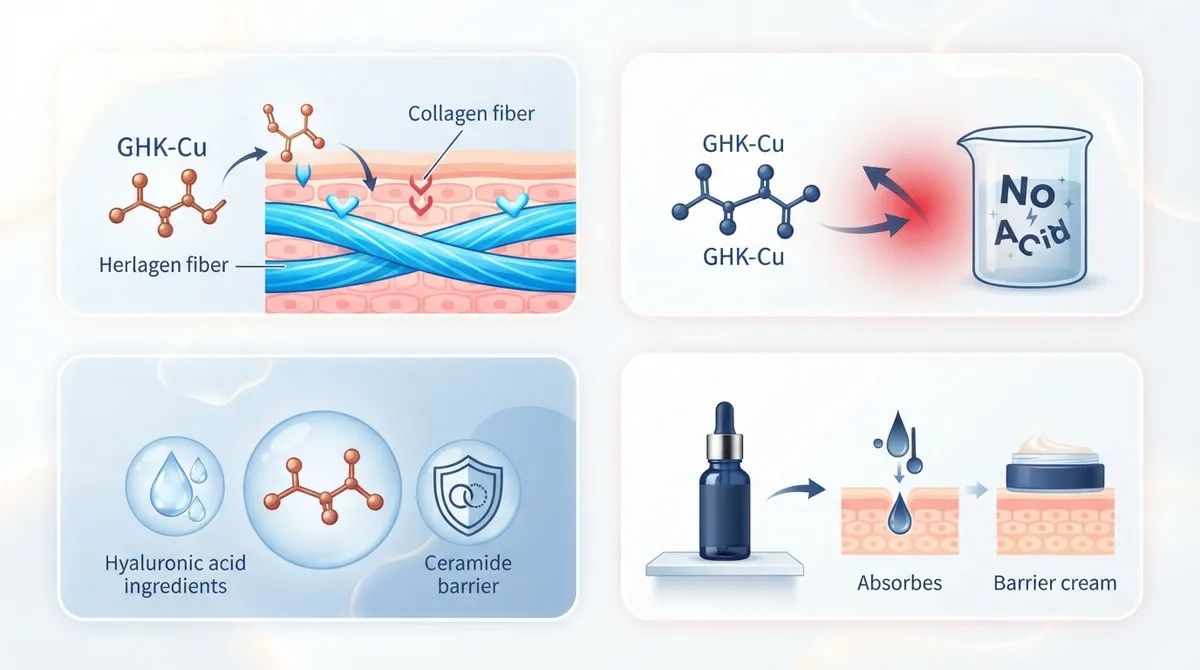
GHK-Cu stands for glycyl-L-histidyl-L-lysine copper. It is a small peptide that binds to copper. Your body naturally makes this compound. It appears in your plasma, saliva, and skin tissue.
Researchers have studied GHK-Cu for decades. According to a peer-reviewed study published in the National Library of Medicine, this peptide plays a role in tissue repair and skin renewal. It works at very low concentrations, often measured in the nanomolar range. This makes it a powerful compound even in small doses.
Most people encounter GHK-Cu through topical skincare products. It is not an FDA-approved drug. This means there is no large-scale interaction database like you would find with prescription medications. That lack of formal data makes it even more important to understand what we do know.
4 Key GHK-Cu Interactions You Should Know
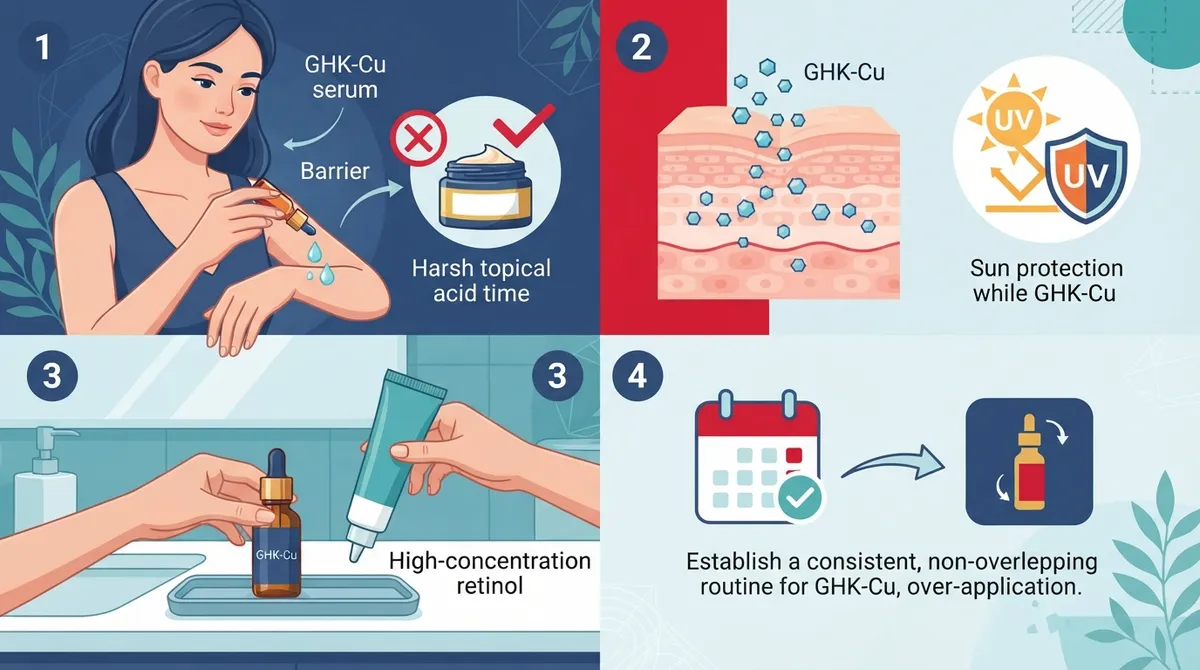
Below are the four most important interaction categories to watch for when using GHK-Cu products. These come from current safety summaries and clinical observations in 2026.
1. Strong Topical Actives Like Retinoids and Acids
GHK-Cu often gets paired with other popular skincare ingredients. But combining it with strong actives can cause problems. Retinoids, AHAs, BHAs, and peroxide-based products can irritate skin when layered with copper peptides.
Some skincare experts suggest separating these products by several hours. Others recommend alternating days instead of using both at once. This advice comes from formulation logic rather than large clinical trials, so results can vary by person.
2. Copper-Chelating Medications
Certain medications are designed to remove copper from the body. These include penicillamine, trientine, and EDTA. These drugs are often prescribed for copper overload conditions.
If you take a copper-chelating medication, GHK-Cu may lose its effectiveness. The chelator can strip copper right out of the peptide complex. This interaction matters most for patients managing specific metabolic conditions under medical supervision.
3. High-Dose Zinc Supplements
Zinc and copper compete for absorption in your body. Taking high doses of zinc, generally above 40 mg per day, may disrupt your natural copper balance. This could reduce how well GHK-Cu performs, whether used topically or discussed in broader wellness contexts.
If you are taking zinc supplements for immune support or other reasons, talk with a healthcare provider before starting a GHK-Cu regimen. Balancing these two minerals is key to avoiding unwanted effects.
4. Vitamin C and Reducing Agents
Vitamin C is a popular skincare ingredient on its own. But some formulators flag it as a possible compatibility issue with copper peptides. Vitamin C acts as a reducing agent. This can alter the copper chemistry inside a product or on your skin.
This does not mean you cannot use both. It simply means timing and formulation matter. Many people use vitamin C in the morning and GHK-Cu products at night to avoid any chemical clash.
Who Should Avoid GHK-Cu Products?
Certain individuals should be more cautious with copper-based peptides. Consider these groups before starting any GHK-Cu product:
- People diagnosed with Wilson's disease, a copper metabolism disorder
- Anyone with suspected copper overload or toxicity
- Patients currently on copper-chelating therapy
- Individuals with known sensitivities to peptide-based skincare
- Pregnant or breastfeeding women without medical guidance
- Anyone with active skin infections or open wounds without a doctor's advice
If you fall into any of these categories, speak with a primary care provider first. A quick conversation can prevent complications down the road.
How to Safely Layer GHK-Cu With Other Products
Building a skincare or wellness routine takes some planning. Follow these steps to reduce your risk of unwanted interactions:
- Start with a patch test on a small area of skin before full use
- Introduce one new active ingredient at a time
- Separate GHK-Cu from strong acids or retinoids by several hours
- Avoid combining high-dose zinc supplements without medical advice
- Track any redness, irritation, or unusual reactions in a journal
- Review your full supplement list with a healthcare provider
- Adjust your routine slowly rather than all at once
This step-by-step approach helps you spot problems early. It also makes it easier to identify which product is causing any reaction.
Comparing GHK-Cu Interaction Risks
The table below summarizes the main interaction categories and their relative concern level based on current wellness research.
|
Interaction Type |
Risk Level |
Recommended Action |
|---|---|---|
|
Retinoids and acids |
Moderate (irritation risk) |
Alternate use or separate by hours |
|
Copper chelators (penicillamine, trientine) |
High (reduced effectiveness) |
Avoid combining without medical supervision |
|
High-dose zinc supplements |
Moderate (mineral competition) |
Monitor intake, consult provider |
|
Vitamin C products |
Low to moderate (formulation concern) |
Use at different times of day |
This table offers a quick reference, but every person's body responds differently. Individual results depend on skin type, health history, and product formulation.
Why Medical Guidance Matters for Wellness Peptides
GHK-Cu has not completed a New Drug Application with the FDA. This means there is no standardized interaction dataset like you would see with prescription drugs. Recent 2026 safety summaries suggest serious systemic interactions are uncommon with proper topical use. Still, evidence quality remains limited compared to well-studied pharmaceuticals.
This is why working with a knowledgeable healthcare team matters. A provider familiar with peptide therapy can help you weigh the potential benefits against any personal risk factors. If you are curious about how peptides fit into a broader wellness plan, our team has written extensively about peptide therapy options in Tampa and how they support whole-body health goals.
Building GHK-Cu Into a Bigger Wellness Picture
Skin health rarely exists in isolation. Your hormones, nutrition, sleep, and overall metabolic health all play a role in how your skin looks and heals. That is why many patients pair topical peptide interest with a full wellness checkup.
At InCare, patients often start with a primary care visit before exploring advanced wellness services. This helps identify any underlying conditions, like thyroid issues or nutrient deficiencies, that could affect skin health. From there, some patients explore options like DNA gene testing to better understand their unique health profile.
Others combine their skincare goals with services like IV hydration and vitamin drips for a more complete approach to wellness. Hydration and proper nutrient levels support skin repair from the inside out, working alongside any topical routine you choose.
Common Mistakes People Make With GHK-Cu
Avoiding a few simple mistakes can save you time, money, and skin irritation. Here are common errors to watch for:
- Layering too many active ingredients at once without testing
- Ignoring supplement labels that contain high zinc doses
- Skipping a patch test before full facial application
- Assuming natural means risk-free for every person
- Not disclosing all supplements to a healthcare provider
- Using expired or poorly stored peptide products
Small adjustments to your routine can make a big difference in results and safety. Reading labels carefully is one of the easiest ways to avoid problems.
When to Talk to a Healthcare Provider
Not every skincare question needs a doctor's visit. But certain situations call for professional guidance. Consider reaching out to a provider if you experience persistent redness, swelling, or unusual skin changes after starting a new product.
You should also consult a provider if you have a diagnosed copper metabolism disorder or take prescription medications that affect mineral balance. Our physicians, including those featured on our providers page, can help review your full health picture before you start any new wellness regimen.
Patients in the Tampa and Riverview area have several ways to connect with our team. You can explore our locations to find the clinic closest to you. Many patients also follow our updates on Facebook and Instagram for wellness tips and clinic news throughout the year.
InCare's Approach to Whole-Body Wellness
InCare combines modern technology with personal attention. Our Tampa and Riverview locations offer services ranging from routine primary care to advanced wellness testing. This means you do not need to visit multiple clinics to address different health goals.
Patients consistently rate InCare highly for our attentive staff and thorough care. You can read patient experiences and visit us on Google — InCare to see what current patients say about their visits. Many reviews highlight our friendly office staff and the personalized attention from our physicians.
If you are curious about how peptides, skin health, or broader wellness services fit your goals, our team is ready to help. We also share educational wellness content on platforms like Tik Tok to keep patients informed about emerging health topics.
Final Thoughts on GHK-Cu Interactions
GHK-Cu offers interesting potential for skin repair and wellness support. But like any active compound, it works best when used thoughtfully. Pay attention to how it interacts with retinoids, acids, zinc supplements, and vitamin C products. Avoid combining it with copper-chelating medications unless directed by a provider.
People with copper metabolism disorders should always seek medical guidance first. A little caution now can prevent bigger problems later. Understanding these four key interaction categories puts you in a stronger position to make safe, informed choices about your skin and wellness routine.
Ready to explore how peptide therapy and wellness services fit your health goals? Book Now to schedule a visit with our Tampa or Riverview team. You can also reach out to our care team with any questions about GHK-Cu, peptide therapy, or your broader wellness plan today.
FAQs
Q: What medications should not be taken with GHK-Cu?
A: Copper-chelating medications like penicillamine, trientine, and EDTA are the main concern. These drugs can strip copper from the GHK-Cu complex, reducing its effectiveness. Always discuss any prescription medications with a healthcare provider before starting a copper peptide routine.
Q: Can GHK-Cu be used with zinc supplements?
A: High-dose zinc, generally above 40 mg per day, may compete with copper absorption in your body. This competition can potentially reduce GHK-Cu effectiveness. If you take zinc supplements regularly, talk with a provider about proper timing and dosage.
Q: Is it safe to use GHK-Cu with retinol or tretinoin?
A: Combining GHK-Cu with retinol or tretinoin can sometimes cause skin irritation. Many people separate these products by several hours or use them on alternating days. This approach is based on formulation logic rather than large clinical studies.
Q: Does vitamin C interfere with GHK-Cu?
A: Vitamin C acts as a reducing agent, which may alter copper chemistry when combined with GHK-Cu. Many users apply vitamin C in the morning and GHK-Cu products at night to avoid this potential interaction.
Q: Who should avoid GHK-Cu entirely?
A: People with Wilson's disease, copper metabolism disorders, or suspected copper overload should avoid GHK-Cu without medical supervision. Anyone on copper-chelating therapy should also consult a provider before use.