Key Takeaways
- MOTS-c lacks human clinical trials and FDA approval with no established safe dose, while NAD+ boosters (NR/NMN) have more human data but neither shows proven real-world benefits like increased energy or weight loss.
- MOTS-c injections carry contamination and infection risks from compounded products with unclear purity, whereas NAD+ oral supplements are generally well-tolerated short-term but lack long-term safety data.
- NAD+ boosters can raise biomarker levels but this doesn't guarantee health outcomes; standard proven treatments for diabetes, blood pressure, and sleep should be tried first before considering experimental options.
- MOTS-c is banned by WADA for competitive athletes, and both options require careful review with a primary care doctor to check for drug interactions, especially with diabetes and blood pressure medications.
Wellness clinics now offer many options for boosting energy and slowing aging. Two names come up often: MOTS-c and NAD+ boosters. Patients ask which one works better, or if either works at all. This guide breaks down the science in plain language, so you can make a smart, safe choice.
At InCare, our primary care team in Tampa and Riverview believes patients deserve clear answers, not hype. Before you spend money on either option, you need to understand what the research actually shows. Let's compare these two approaches side by side.
1. Understand What Each Option Actually Is
MOTS-c and NAD+ boosters work in very different ways. Knowing the basics helps you ask better questions at your next visit.
What Is MOTS-c?
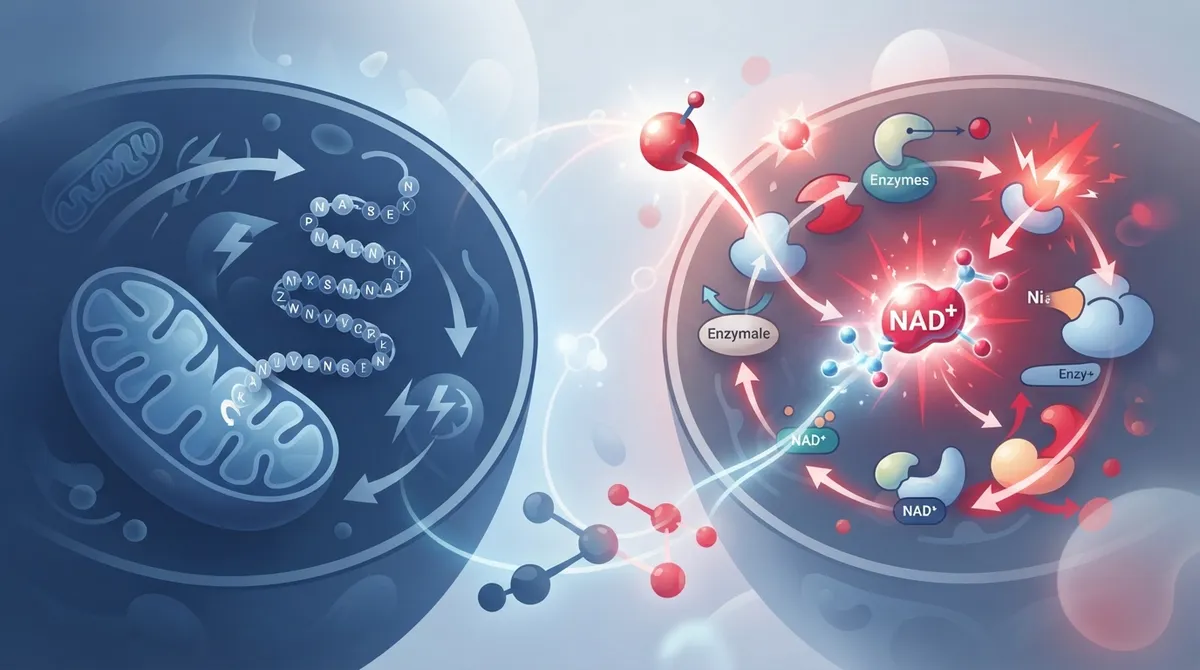
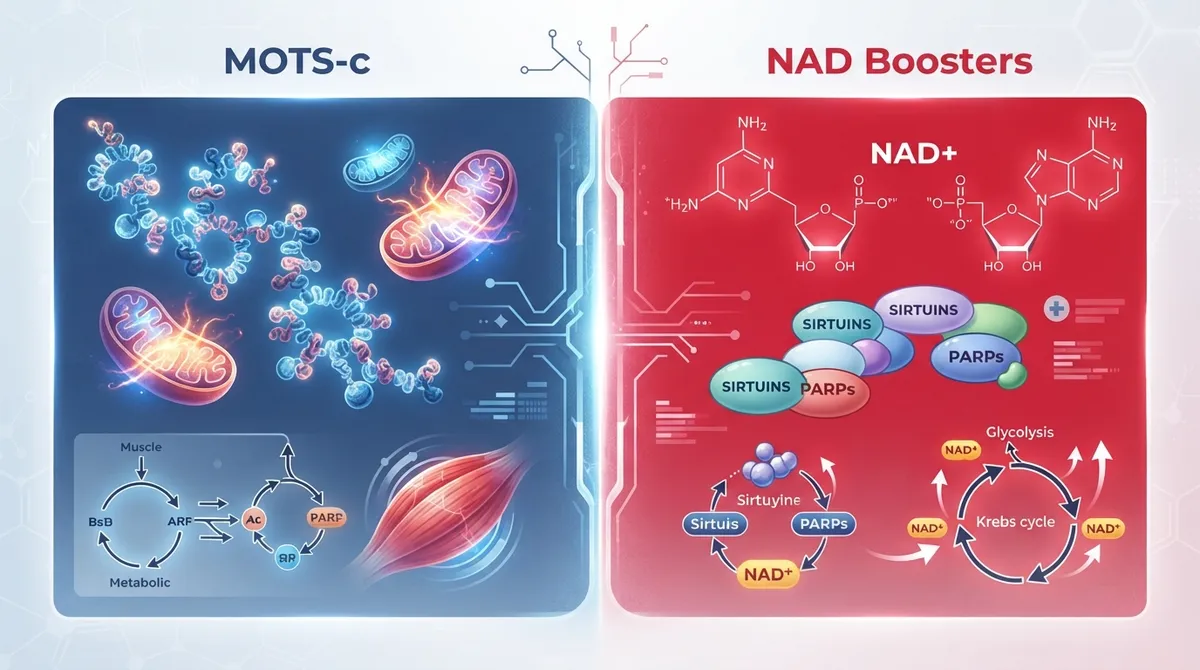
MOTS-c is a small protein made inside your mitochondria. Mitochondria are the tiny parts of your cells that create energy. Scientists first found MOTS-c helps with blood sugar control and stress response in lab and animal studies.
The problem is that most of this research happened in cells and mice, not people. There is no approved MOTS-c drug for humans. No dose has been proven safe or effective in real patients. Clinics that sell MOTS-c injections often use compounded products with unclear purity or strength.
What Are NAD+ Boosters?
NAD+ boosters usually mean nicotinamide riboside (NR) or nicotinamide mononucleotide (NMN). These are supplements, not injections. Your body uses them to make more NAD+, a molecule cells need for energy production.
Human studies on NR and NMN are further along than MOTS-c research. Several small trials show these supplements do raise NAD+ levels in the blood. However, raising a biomarker is not the same as proving real-life benefits like more energy or weight loss.
2. Compare the Evidence Side by Side
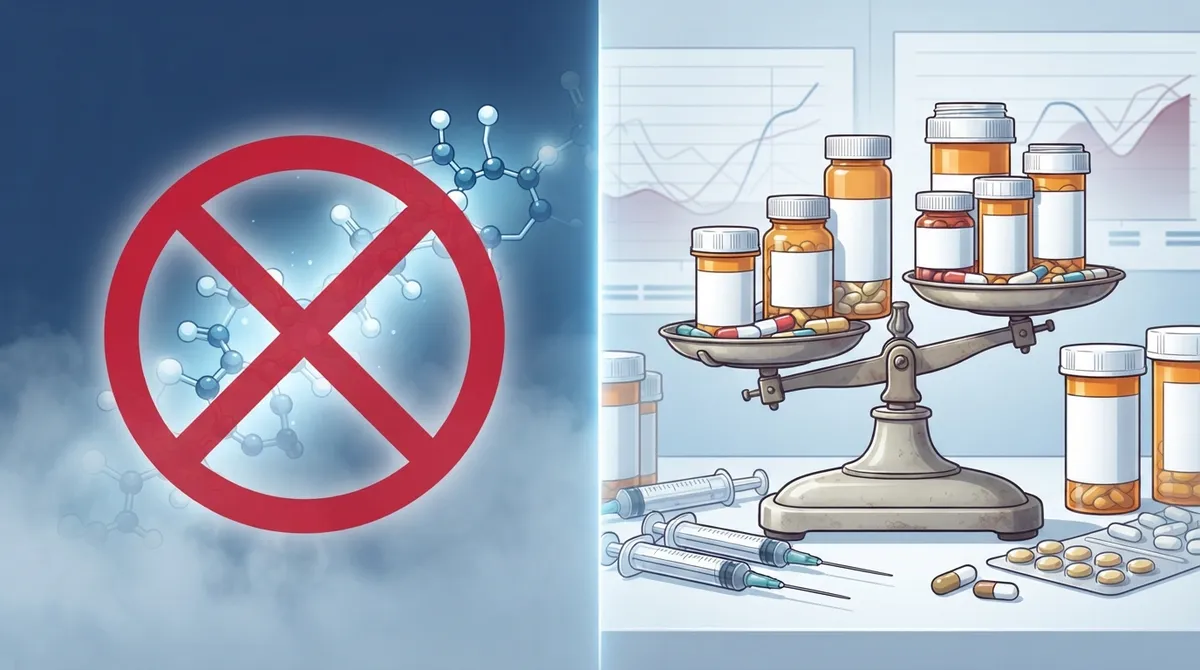
The gap between MOTS-c and NAD+ booster research is large. This table breaks down what we actually know.
|
Factor |
MOTS-c |
NAD+ Boosters (NR/NMN) |
|---|---|---|
|
Human Trials |
Very limited, mostly observational |
Multiple small randomized trials |
|
FDA Approval |
None for wellness use |
Sold as dietary supplements, not drugs |
|
Typical Dose Studied |
No established human dose |
NR: 300–2,000 mg/day; NMN: 100–900 mg/day |
|
Study Length |
Short-term animal models mostly |
2–8 weeks in most human trials |
|
Proven Health Benefits |
Not established in humans |
Biomarker changes shown; broader benefits unproven |
|
Delivery Method |
Usually injection (compounded) |
Oral capsules or powders |
|
Anti-Doping Status |
Banned by WADA for athletes |
Not banned |
Notice how NR and NMN have more human data behind them. That said, even the best NAD+ booster studies show mixed results for real health outcomes. Neither option has strong proof for weight loss, longevity, or performance claims.
3. Know the Safety Concerns for Both Options
Safety should always come first when trying a new wellness product. Here are the key risks to discuss with your doctor.
- MOTS-c injectable risks: Products bought online may have contamination, wrong dosing, or sterility problems. Injection sites can develop infections or irritation.
- MOTS-c regulatory gaps: No agency has approved MOTS-c for anti-aging or metabolic treatment. Claims of proven results should raise a red flag.
- NR and NMN tolerability: Short-term studies show these are generally well tolerated, even at higher doses. Long-term safety data is still limited.
- Pregnancy and lactation: Neither MOTS-c nor NAD+ boosters have enough safety data for pregnant or breastfeeding women.
- Drug interactions: Both options can interact with existing medications, especially those for diabetes or blood pressure.
- Athlete restrictions: MOTS-c is banned by the World Anti-Doping Agency as a metabolic modulator. Competitive athletes should avoid it entirely.
Your primary care doctor should always review your full health history, medications, and goals before discussing either product. This includes checking kidney and liver function, cancer history, and current prescriptions.
4. Decide What Makes Sense for Your Health Goals
Before choosing between MOTS-c and NAD+ boosters, ask yourself these questions:
- Am I trying to fix a specific health problem, like fatigue or blood sugar issues?
- Have I already tried proven treatments for this problem?
- Am I comfortable with a product that lacks strong human safety data?
- Is the clinic offering this product transparent about sourcing and purity?
- Am I a competitive athlete who needs to avoid banned substances?
For most patients, standard medical care should come first. This means managing diabetes, high blood pressure, or sleep problems with proven treatments before adding experimental peptides. Our primary doctors help manage chronic illnesses using tools with strong clinical backing.
If you are still curious about NAD+ boosters, ask your doctor about supplement quality and appropriate dosing. If you are considering MOTS-c or other peptide therapy options in Tampa, make sure you fully understand the investigational status before moving forward.
Why Proven Primary Care Still Comes First
Wellness trends move fast, but good medicine moves carefully. At InCare, we combine advanced tools like DNA gene testing and body composition analysis with proven medical guidance. This helps you make informed choices instead of chasing unproven trends.
Our providers, including Dr. Naveen Paddu, Dr. Pramjeet Ahluwalia, and Dr. Teshy John, take time to review your full health picture. We also offer IV hydration and vitamin drips for patients seeking supported energy and wellness through medically supervised methods.
Many patients trust InCare because we focus on facts, not fads. According to the Alzheimer's Drug Discovery Foundation review of MOTS-c, most promising results still come from animal studies, not people. This kind of honest reporting matters when you are making decisions about your health.
Our patients across Tampa and Riverview appreciate this straightforward approach. You can visit us on Google — InCare to read what current patients say about their experience. We also share helpful wellness updates on Facebook, Instagram, and TikTok.
Making Your Next Move With Confidence
MOTS-c and NAD+ boosters both promise big results, but the science tells two different stories. NAD+ boosters have more human data, though results are still mixed. MOTS-c remains largely unproven for human use, with real safety and regulatory concerns.
Your best next step is a conversation with a trusted primary care provider. We can help you weigh the evidence, check for interactions, and build a plan based on your actual health needs. Whether you want to explore medical weight loss programs or simply need a wellness check-in, our Tampa and Riverview teams are ready to help.
Ready to get expert guidance on wellness options that fit your goals? Book your appointment today or reach out to our team with any questions about peptide therapy, NAD+ supplements, or your overall health plan.
FAQs
Q: What is the difference between MOTS-c and NAD+ boosters?
A: MOTS-c is an investigational peptide studied mostly in animals, with no approved human dose or safety profile. NAD+ boosters like NR and NMN are oral supplements with more human trial data, though clinical benefits remain unproven.
Q: Is MOTS-c FDA approved or safe for human use?
A: MOTS-c has no FDA-approved indication and no established safety profile for humans. Products sold by wellness clinics are often compounded or investigational, so purity and dosing can vary widely.
Q: Do NAD+ supplements actually increase NAD+ levels in humans?
A: Yes, human studies consistently show that NR and NMN raise NAD+-related biomarkers in blood and cells. However, higher biomarker levels do not automatically mean better energy, weight loss, or longevity outcomes.
Q: Should a primary care clinician recommend MOTS-c or NAD+ supplements?
A: Primary care providers should discuss these options cautiously and only after reviewing medications, kidney and liver health, and pregnancy status. Proven treatments for diabetes, obesity, and fatigue should remain the first line of care.
Q: Can athletes use MOTS-c without violating anti-doping rules?
A: No, MOTS-c is prohibited by the World Anti-Doping Agency as a metabolic modulator and AMPK activator. Competitive athletes who use it risk disqualification and sports eligibility issues.