Key Takeaways
- KP-10 has no FDA approval for any human condition, and in October 2024, the FDA Pharmacy Compounding Advisory Committee voted 0-11 against allowing compounding pharmacies to prepare it, citing insufficient safety and efficacy evidence.
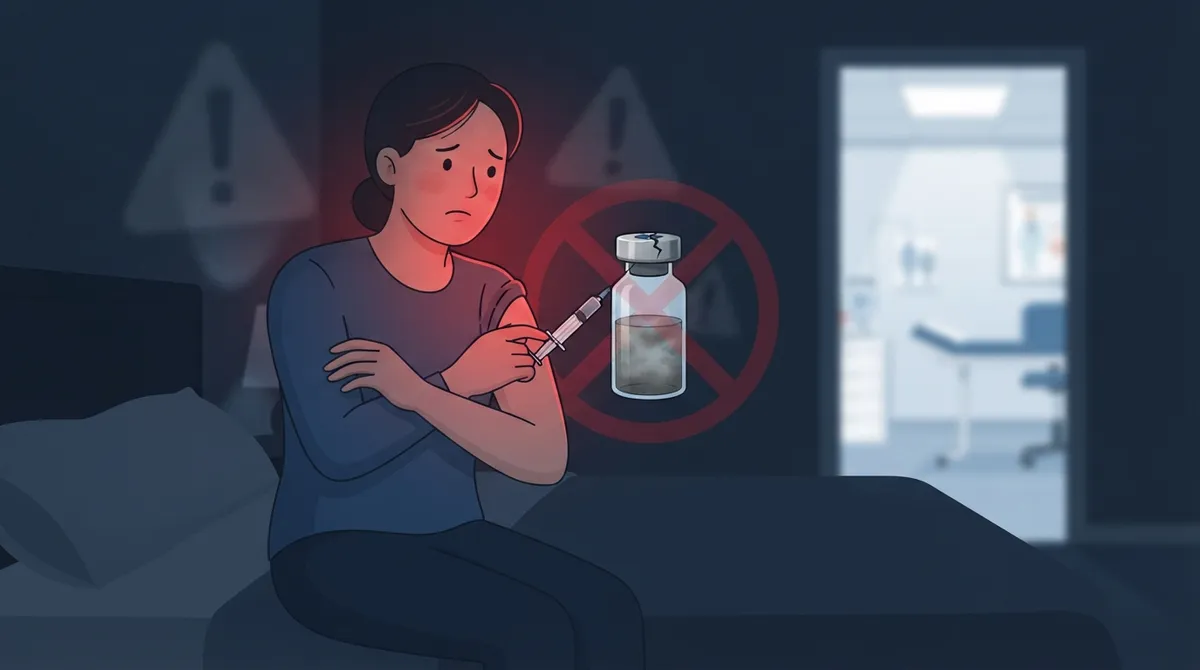
- Online research chemical websites selling KP-10 are unregulated with unverified purity and sterility; self-injection without medical supervision risks contamination, immune reactions, improper technique, and unmonitored side effects.
- Many symptoms driving KP-10 searches (fatigue, low libido, irregular periods) have identifiable and treatable causes like thyroid dysfunction or nutritional deficiencies that should be evaluated by a primary care provider first.
- Small clinical studies of kisspeptin-10 were conducted in controlled hospital settings with intravenous administration by specialists, making them fundamentally different from unsupervised home injection with unproven formulations.
- Established, evidence-based alternatives exist for hormone concerns, including physician-supervised testosterone therapy, hormone panel testing, specialist referrals, and comprehensive wellness visits with proper clinical oversight.
- Before trying any online peptide, verify whether it is FDA-approved, legally prescribable by licensed physicians, independently tested for purity, supported by peer-reviewed long-term safety studies, and permissible for compounding pharmacies.
If you have searched for kp-10 availability online, you have probably found research chemical websites and vague promises about hormone balance. This search often starts with real concerns: irregular periods, low testosterone, fertility struggles, or low sex drive. But before you consider ordering a peptide labeled "kisspeptin-10" from an online vendor, you need to understand what it actually is, why it is not legally available as a medicine, and what mistakes could put your health at serious risk.
This guide breaks down the facts about KP-10, why its availability is so limited, and what safer, evidence-based options exist. Whether you are a busy parent managing your family's health, a young professional exploring wellness trends, or someone frustrated by unexplained hormone symptoms, this article will help you make an informed decision. For personalized guidance, the team at InCare's primary care practice in Tampa and Riverview can help you understand your options.
What Is KP-10 and Why Does Availability Matter
KP-10, short for kisspeptin-10, is a small peptide made of 10 amino acids. It comes from a larger protein called kisspeptin, which plays a role in the body's reproductive hormone system. KP-10 activates a receptor called KISS1R, which helps trigger the release of gonadotropin-releasing hormone, or GnRH.
GnRH signals the pituitary gland to release two important hormones: luteinizing hormone (LH) and follicle-stimulating hormone (FSH). These hormones control puberty, ovulation, and testosterone production. Because of this connection, researchers have studied kisspeptin-based compounds for conditions like low testosterone, irregular periods, and fertility problems.
However, understanding the biology does not mean the product is safe or legal to use. This is where most confusion about kp-10 availability begins.
The Difference Between Research Interest and Medical Availability
Many patients assume that because a peptide is discussed in medical journals, it must be available through a doctor or pharmacy. That assumption is incorrect for KP-10. Scientific interest does not equal regulatory approval or clinical readiness.
Here are the facts about where KP-10 currently stands:
- KP-10 has no FDA-approved use for any human condition
- No standardized dose, form, or delivery method has been approved
- It is not sold in licensed pharmacies as a prescription medicine
- Most online sellers label it "for research use only" or "not for human consumption"
- Product quality, purity, and sterility are not independently verified

3 KP-10 Availability Mistakes That Put Your Health at Risk
Understanding common mistakes can help you avoid serious harm. Below are the three biggest errors people make when trying to access KP-10.
Mistake 1: Buying KP-10 From Research Chemical Websites
The most common mistake is purchasing KP-10 online and injecting it without medical supervision. These products are marketed as research chemicals, meaning they were never tested or approved for use in the human body.
This creates several dangers:
- The product may not actually contain kisspeptin-10 at the labeled concentration
- Impurities from manufacturing can cause immune reactions or infections
- There is no way to confirm sterile handling during production or shipping
- Self-injection without training increases the risk of improper technique
- No physician is monitoring for side effects or interactions with other medications
Regulators have raised specific concerns about immunogenicity, meaning the body's immune system may react badly to impure or poorly manufactured peptides. Without quality control, you cannot know what you are actually injecting.
Mistake 2: Assuming Compounding Pharmacies Can Legally Prepare KP-10
Some patients believe a compounding pharmacy can simply prepare KP-10 as a custom prescription, similar to how pharmacies compound other specialty medications. This is not currently accurate.
In October 2024, the FDA Pharmacy Compounding Advisory Committee reviewed a proposal to add kisspeptin-10 to the approved list of substances that compounding pharmacies can use. The committee voted 0 in favor and 11 against adding it. This means compounding pharmacies cannot legally prepare KP-10 for treating secondary hypogonadism or any other condition at this time.
The committee cited several reasons for rejecting the proposal:
- Insufficient evidence of safety and effectiveness
- No genotoxicity, developmental toxicity, or cancer risk studies were available
- Poorly characterized active ingredients in proposed formulations
- Limited data on safety for the proposed injection routes
- No established long-term outcomes in human patients
This table summarizes the current regulatory status clearly:
|
Factor |
Current Status |
|---|---|
|
FDA Approval |
Not approved for any human use |
|
Compounding Pharmacy Access |
Not legally permitted (rejected by FDA committee, 2024) |
|
Prescription Availability |
No standard prescribing pathway exists |
|
Online Research Products |
Not regulated, not verified, not for human use |
|
Clinical Trials |
Limited, small-scale, mostly IV administration in controlled settings |
Mistake 3: Ignoring Underlying Causes Instead of Chasing a Peptide Trend
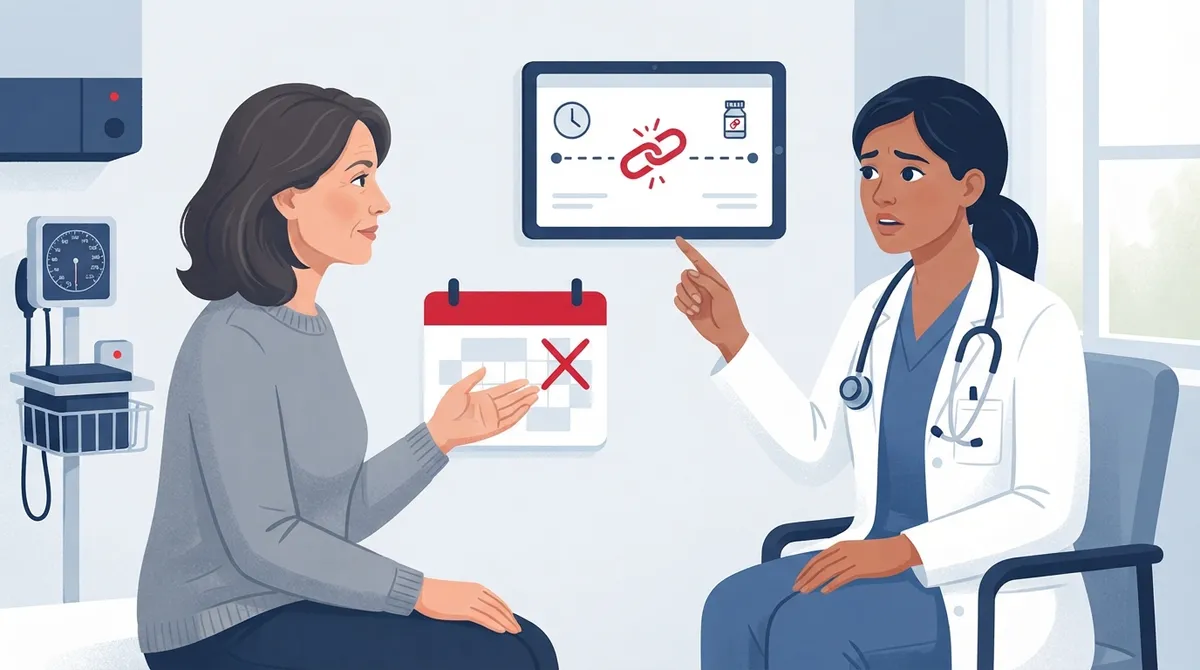
The third major mistake is skipping a proper medical evaluation and going straight to an unproven peptide. Many symptoms that lead people to search for KP-10, such as fatigue, low libido, or irregular cycles, have identifiable and treatable causes.
A thorough evaluation by a primary care provider can uncover issues like thyroid dysfunction, nutritional deficiencies, chronic stress, or hormone imbalances that respond well to established treatments. Skipping this step means you may miss a simple, safe solution while taking unnecessary risks with an unregulated substance.
InCare's DNA gene testing and comprehensive lab panels can help identify the actual root cause behind your symptoms, giving you a clear path forward instead of guesswork.
What the Research Actually Shows About KP-10
Small clinical studies have explored kisspeptin-10 for specific conditions. It is important to understand what these studies do and do not prove.
Conditions Studied in Research Settings
Investigators have looked at kisspeptin-related compounds for the following areas:
- Male hypogonadotropic hypogonadism, a condition where the brain does not send proper signals to the testes
- Functional hypothalamic amenorrhea, which causes missed periods due to stress, low body weight, or excessive exercise
- General reproductive hormone disorders
- Hypoactive sexual desire disorder in some experimental protocols
- Controlled fertility treatment settings, often alongside standard IVF protocols
These studies mostly used intravenous administration in tightly controlled research environments. Some studies tested subcutaneous injections. None of this research has led to an approved outpatient treatment you can access through a routine doctor visit.
Why Small Studies Do Not Equal Safe Home Use
A controlled research protocol supervised by specialists in a hospital setting is very different from injecting a research chemical at home. Proposed compounded formulations reviewed by the FDA were described as 1 mg/mL injectable solutions intended for subcutaneous or intramuscular use. These formulations were never approved, and no dosing guidance exists for general patient use.
Without physician oversight, patients cannot safely monitor for allergic reactions, hormone level changes, or unexpected side effects.
Safer Alternatives for Common Concerns Linked to KP-10 Searches
If you are researching KP-10 because of specific symptoms, there are established, evidence-based options worth discussing with a provider first.
|
Concern |
Evidence-Based Alternative |
|---|---|
|
Low testosterone | |
|
Irregular periods or amenorrhea |
Hormone panel testing and specialist referral |
|
Fertility concerns |
Reproductive endocrinology evaluation and referral |
|
Low libido |
Comprehensive wellness visit and hormone assessment |
|
Weight and metabolic changes |
These options come with clinical oversight, established dosing, and monitoring for side effects, something no online KP-10 product can offer.
How to Approach Hormone Concerns the Right Way
Instead of searching for kp-10 availability online, follow these steps to protect your health while still addressing your symptoms.
- Schedule a comprehensive evaluation with a primary care provider
- Request appropriate hormone panel testing based on your symptoms
- Discuss your family history and lifestyle factors that may be contributing
- Ask about FDA-approved treatment options relevant to your diagnosis
- Request a specialist referral to endocrinology or reproductive medicine if needed
- Avoid self-treating with unregulated peptides purchased online
- Follow up regularly to track progress and adjust your treatment plan
This structured approach gives you real answers instead of relying on unverified products with unknown risks.
Why a Primary Care Relationship Matters for Hormone Health
Many patients do not realize that a primary care provider can order hormone testing, review results in context of your full health picture, and coordinate specialist care when needed. This is far more reliable than researching peptides on forums or social media.
InCare's providers, including Dr. Pramjeet Ahluwalia and the team at both Tampa and Riverview locations, take a whole-body approach to hormone and wellness concerns. Patients consistently mention the quality of care and attentive staff, which you can see reflected in reviews when you visit us on Google — InCare.
Understanding the Bigger Picture on Peptide Trends
KP-10 is just one example of a growing trend where research peptides are marketed directly to consumers online. Many of these products carry the same regulatory red flags: no FDA approval, no compounding pathway, and no verified manufacturing standards.
Before trying any peptide you found online, ask yourself these questions:
- Is this substance FDA-approved for any human use?
- Can a licensed physician legally prescribe or monitor this treatment?
- Has this product been tested for purity and sterility by an independent lab?
- Are there peer-reviewed human studies supporting long-term safety?
- Would a compounding pharmacy be permitted to prepare this substance?
If the answer to most of these questions is no, proceed with serious caution. You can learn more about how InCare evaluates peptide safety by reading this detailed primary care perspective on KP-10 safety.
Staying Informed and Connected
Health trends move fast, and it can be hard to separate legitimate medical advances from marketing hype. Following credible sources helps you stay informed without falling for misleading claims. You can follow InCare's updates and educational content on Facebook, Instagram, and TikTok for practical, medically grounded wellness information.
Moving Forward Safely With Your Health Goals
The search for kp-10 availability usually reflects a genuine desire to feel better, whether that means restoring energy, supporting fertility, or balancing hormones. But the safest path forward does not involve unregulated research chemicals purchased online. It starts with a proper evaluation from a trusted medical provider who can identify the real cause of your symptoms and recommend treatments backed by science.
InCare offers comprehensive primary care and wellness services at both Tampa and Riverview locations, combining advanced diagnostics with personalized treatment plans. If you have questions about hormone health, fertility concerns, or general wellness optimization, our team is ready to help you find real answers. Reach out to our team today to schedule a consultation, or book your appointment online now to take the first step toward safer, evidence-based care.
FAQs
Q: What is KP-10 or kisspeptin-10?
A: KP-10 is a short peptide made of 10 amino acids that comes from the kisspeptin protein. It activates a receptor called KISS1R, which helps trigger release of reproductive hormones like LH and FSH through GnRH signaling.
Q: Is kisspeptin-10 FDA approved?
A: No, kisspeptin-10 is not approved by the FDA for any human indication. There is no standardized dose, route, or prescribing guidance for this substance in the United States.
Q: Can I get KP-10 from a doctor or compounding pharmacy?
A: Currently, no. In October 2024, the FDA Pharmacy Compounding Advisory Committee voted 0 to 11 against adding kisspeptin-10 to the approved compounding list, citing insufficient safety and efficacy evidence.
Q: Is KP-10 safe for fertility, low testosterone, or hormone balance?
A: KP-10 has not been established as safe or effective for these uses in humans. Research has been limited to small, controlled studies, and no long-term safety data exists for outpatient use.
Q: What alternatives exist for low testosterone or fertility concerns?
A: Evidence-based options include physician-supervised hormone therapy, comprehensive lab testing, and referrals to endocrinology or reproductive specialists. A primary care evaluation can identify the true cause of your symptoms and guide you toward proven treatments.