
Key Takeaways
- Oral glutathione absorption is limited by digestion, with only 17-35% increases in blood levels from standard doses; higher doses (1,000 mg) and longer durations (6 months) show better results than short-term use.
- A 2024 systematic review of five studies found no statistically significant benefits from standard oral glutathione pills, contradicting marketing claims about skin brightening, immunity, and energy.
- Formulation matters significantly: micellar glutathione produces 2.49 times greater blood exposure than standard 500 mg preparations, so supplement quality and type directly affect effectiveness.
- Modest skin lightening effects appear possible with 500 mg daily for 4 weeks, but results are inconsistent across users and should never replace sunscreen or dermatologic care.
- Benefits disappear within one month of stopping supplementation, suggesting glutathione pills provide only temporary effects with no evidence of lasting change from short-term use.
- Anyone with liver or kidney disease, pregnant individuals, cancer patients, or those on multiple medications should consult a healthcare provider before trying glutathione supplements due to potential interactions.
Walk into any wellness aisle and you will see glutathione pills promising brighter skin, better energy, and a stronger immune system. These claims sound appealing, but the science behind them is more complicated than most labels suggest. Before you add another supplement to your routine, it helps to understand what these pills can and cannot actually do for your body.
At InCare, our providers in Tampa and Riverview believe patients deserve honest, evidence-based guidance rather than marketing hype. This article breaks down three key facts about oral glutathione supplements, backed by recent clinical research, so you can make an informed decision about your wellness routine.

What Is Glutathione and Why Does It Matter?
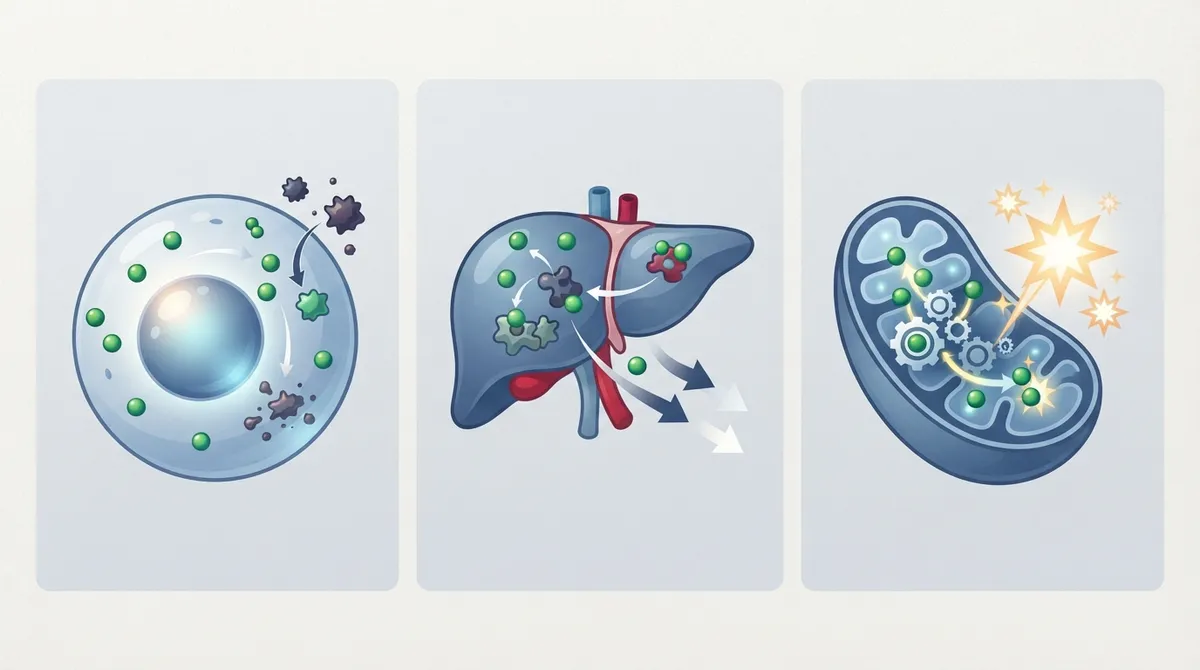
Glutathione, often called GSH, is a natural antioxidant your body makes on its own. It is built from three amino acids: cysteine, glutamate, and glycine. This molecule helps protect your cells from damage and supports your body's natural detox processes.
Because it plays a role in cellular health, many wellness brands market glutathione pills as a cure-all. You will see claims about liver support, immune boosts, more energy, and even skin brightening. The truth is more nuanced, and understanding the research can help you set realistic expectations.
3 Key Facts About Glutathione Pills You Should Know
1. Absorption Is a Real Challenge
Your gut breaks down many compounds before they reach your bloodstream, and glutathione is no exception. This is one of the biggest hurdles for oral supplements.
A six-month randomized, double-blind trial studied 54 healthy, nonsmoking adults. Researchers tested daily doses of 250 mg and 1,000 mg. Here is what they found:
- The higher 1,000 mg dose raised glutathione levels in red blood cells, plasma, and immune cells by about 30 to 35 percent after six months.
- Buccal cell glutathione, taken from cells inside the cheek, jumped by an impressive 260 percent in the high-dose group.
- The lower 250 mg dose still produced results, with blood glutathione rising 17 percent and red blood cell levels up 29 percent.
- After a one-month break from supplementation, levels drifted back toward where they started.
This last point matters. It suggests any benefit may only last as long as you keep taking the pills. There is no evidence yet that short bursts of use create lasting change.
2. The Evidence Is Mixed, Not Settled
Not every study agrees on how well oral glutathione works. Some shorter trials found little to no benefit at all.
One four-week clinical trial found no meaningful improvement in glutathione levels or markers of oxidative stress. This contrasts with the longer six-month study described above, which did show measurable changes.
A 2024 systematic review pooled data from five separate glutathione supplementation studies. The results were sobering for supplement enthusiasts:
|
Measurement |
Result |
Statistical Significance |
|---|---|---|
|
Erythrocyte glutathione |
Standardized mean difference of 0.74 |
Not significant (P = 0.22) |
|
Plasma glutathione |
Standardized mean difference of 0.44 |
Not significant (P = 0.19) |
The researchers noted that higher doses and longer study periods might change these results. But right now, the overall evidence does not support strong, guaranteed benefits from standard oral glutathione pills.
3. Formulation Changes Absorption Significantly
Not all glutathione pills are created equal. How a supplement is made can change how much of it your body actually absorbs.
A small pharmacokinetic study compared three formulations: standard, liposomal, and micellar glutathione. The micellar version stood out. It produced roughly 2.49 times greater blood glutathione exposure compared to a standard 500 mg preparation.
This same study also tested safety. Adults took 600 mg of micellar glutathione daily for 30 days. Researchers found no significant changes in liver enzymes like ALT and AST, or in creatinine levels tied to kidney function. This is encouraging for short-term use, though it does not confirm long-term safety across all products.
If you are considering a glutathione supplement, formulation quality is worth discussing with a healthcare provider who understands the current research landscape.
What About Skin Brightening Claims?
One of the most common reasons people try glutathione pills is for skin tone. Small studies have looked at this specific use.
A randomized trial using 500 mg of oral glutathione daily for four weeks found a modest reduction in melanin index, especially in sun-exposed skin. This sounds promising, but there are important caveats:
- The study sample size was small, limiting how confidently we can generalize results.
- Long-term safety and how long the effect lasts remain unknown.
- Glutathione should never replace sunscreen or proper dermatologic care.
- Results were not consistent across all participants in similar research.
If skin health is your goal, our team can walk you through evidence-based options during a primary care visit, rather than relying on unproven shortcuts.
Oral Pills vs. IV Glutathione: An Important Distinction
Many patients ask whether oral pills or intravenous glutathione work better. These two delivery methods carry very different risk profiles.
|
Factor |
Oral Glutathione Pills |
Intravenous Glutathione |
|---|---|---|
|
Absorption |
Limited by digestion |
Direct into bloodstream |
|
Common Side Effects |
Mild gas, bloating, loose stools |
Allergic reactions, injection site issues |
|
Serious Risks |
Rare in short-term studies |
Anaphylaxis, liver toxicity reported |
|
Dosing Consistency |
Standardized in supplement form |
Often inconsistent between providers |
|
Regulatory Oversight |
Dietary supplement category |
Requires medical supervision |
IV glutathione carries notably higher risks, including allergic reactions and potential liver problems. These risks should never be assumed to apply equally to oral pills, but it also means IV use requires careful medical oversight. Discussing your options with a qualified provider, such as those found through our providers page, is the safest path forward.
Common Side Effects to Watch For
Short-term studies suggest oral glutathione pills are generally well tolerated. Still, some people experience mild discomfort.
- Gas and bloating are the most frequently reported issues.
- Loose stools or mild diarrhea can occur, especially at higher doses.
- Stomach discomfort has been noted in a small percentage of users.
- Long-term safety data is limited, so ongoing monitoring is wise.
- Pregnancy, breastfeeding, and pediatric use lack solid safety research.
If you experience persistent symptoms after starting any supplement, it is important to speak with a clinician rather than simply pushing through discomfort.
Who Should Talk to a Doctor Before Trying Glutathione Pills?
Supplements are not one-size-fits-all. Certain groups should always check with a healthcare provider first.
- Anyone managing liver or kidney disease, since these organs process many supplement compounds.
- Patients currently receiving cancer treatment, due to potential interactions with therapy.
- Pregnant or breastfeeding individuals, since safety data is lacking.
- Anyone taking multiple prescription medications, to rule out interactions.
- People with known food or supplement allergies.
A visit for a annual wellness visit is a great opportunity to discuss whether glutathione supplementation fits your specific health picture.
How to Choose a Quality Glutathione Supplement
Because dietary supplements do not undergo the same premarket testing as prescription drugs, quality varies widely between brands. Here is what to look for:
- Check that the label lists exact serving size and glutathione form used.
- Look for third-party testing seals, which confirm the product contains what it claims.
- Research the manufacturer's quality control practices before purchasing.
- Be cautious of products making broad disease-prevention claims without scientific backing.
- Consider formulation type, since liposomal and micellar versions may absorb better than standard tablets.
Our clinical team can help you evaluate supplement quality as part of a broader DNA gene testing or wellness optimization plan tailored to your body's unique needs.
Setting Realistic Expectations
Glutathione pills are not a proven treatment for chronic disease, general anti-aging, or dramatic health transformation. The current research supports modest, formulation-dependent changes in blood glutathione levels, with some promising but limited data on skin tone and diabetes markers.
A 2022 randomized trial in people with type 2 diabetes reported improvements in glutathione stores, oxidative DNA damage, and HbA1c during longer-term use. These findings are encouraging but preliminary. They do not establish glutathione pills as a standalone diabetes treatment.
Instead of viewing supplements as a magic fix, think of them as one small piece of a larger wellness strategy. Combining smart supplementation with regular cancer screening, routine checkups, and personalized care gives you a much stronger foundation for long-term health.
Why Personalized Guidance Matters
Every patient's body responds differently to supplements. Factors like age, existing health conditions, medications, and genetics all play a role in how glutathione pills might affect you.
Our Tampa and Riverview clinics combine advanced diagnostic tools with attentive, one-on-one care. Whether you are exploring IV hydration and vitamin drips, curious about body composition analysis, or simply want a second opinion on a supplement you saw online, our providers are ready to help. According to the National Institutes of Health Office of Dietary Supplements, consumers should always discuss new supplements with a healthcare professional, especially when managing existing conditions.
Patients across Tampa Bay have shared their experiences with our team on social media, including our Facebook page and Instagram account, where we regularly post wellness tips and clinic updates. You can also see real patient feedback and visit us on Google — InCare to read reviews from people in the Tampa and Riverview communities.
Final Thoughts on Glutathione Pills
Glutathione pills are not inherently dangerous, and short-term studies suggest they are generally well tolerated. However, the evidence for broad health claims remains limited, inconsistent, and highly dependent on dose, formulation, and duration of use.
Rather than guessing which supplement might work for you, a conversation with a knowledgeable provider can save you time, money, and unnecessary risk. Our team stays current with the latest research, including guidance referenced by the U.S. Food and Drug Administration on dietary supplement regulation, so you get advice grounded in real science rather than marketing trends.
Ready to talk about whether glutathione pills fit into your wellness plan? Reach out to our team today or schedule your appointment now to start a conversation grounded in evidence, not hype. You can also follow our latest wellness content on Tik Tok for quick, science-based health tips throughout the year.
FAQs
Q: What are glutathione pills supposed to do?
A: Glutathione pills are marketed to support antioxidant activity, immune function, liver wellness, and skin brightness. However, clinical evidence for these broad benefits remains limited and varies significantly based on dose, formulation, and individual health status.
Q: Do oral glutathione supplements actually work?
A: Results are mixed. A six-month trial found meaningful increases in blood glutathione at higher doses, while a 2024 systematic review of five studies found no statistically significant overall effect. Longer duration and higher doses may matter more than short-term use.
Q: How long does it take for glutathione pills to work?
A: Research suggests measurable changes may take several months rather than days or weeks. A four-week trial showed no significant improvement, while a six-month study demonstrated notable increases in blood glutathione levels, particularly at higher doses.
Q: Can glutathione pills lighten skin or remove dark spots safely?
A: Small studies suggest oral glutathione may modestly reduce melanin index after four weeks at 500 mg daily. Results are not consistent across all users, and glutathione should never replace sunscreen or professional dermatologic care for skin concerns.
Q: Is oral glutathione better than liposomal or intravenous glutathione?
A: Each form carries different risks and benefits. Micellar and liposomal formulations may offer better absorption than standard oral pills, while intravenous glutathione carries more serious risks like allergic reactions and liver toxicity. Discuss your options with a healthcare provider.