Key Takeaways
- MOTS-c lacks proven human clinical trials and FDA approval for sarcopenia treatment; no completed Phase 3 trials demonstrate it improves muscle mass, strength, or function in people with sarcopenia.
- Resistance training and adequate protein intake have strong clinical evidence and remain the most effective, proven strategies for building and maintaining muscle mass with aging.
- Unregulated MOTS-c products carry significant safety risks including unknown dosing, unclear drug interactions, unestablished long-term safety profiles, and no quality guarantees from gray-market sources.
- Before considering experimental peptides, get a full medical evaluation to identify and treat reversible causes of muscle loss such as poor nutrition, vitamin D deficiency, chronic disease, or medication side effects.
Muscle loss with age is a real problem. Doctors call it sarcopenia. If you have searched online, you may have found claims about MOTS-c, a peptide said to fight muscle loss. Some wellness clinics promote it as a fix. But what does real science say? This guide breaks down 15 facts every patient should know before making a decision. It also explains what proven care looks like today.
At InCare, we believe in giving patients honest, evidence-based information. Our team serves Tampa and Riverview with primary care and wellness services built on real medical evidence, not hype. Let's look at what MOTS-c actually is, what the research shows, and how you can protect your muscle health the right way.
1. MOTS-c Is a Tiny Peptide Made by Your Mitochondria
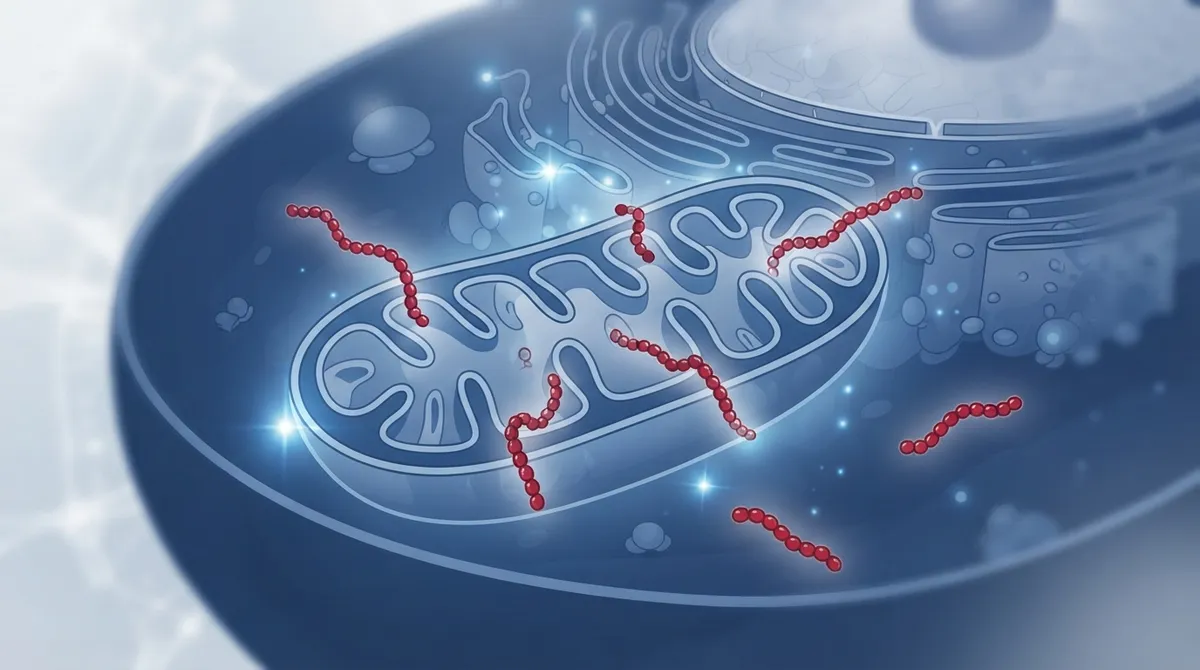
MOTS-c stands for mitochondrial open reading frame of the 12S rRNA-c. That's a mouthful. In simple terms, it is a small chain of 16 amino acids. Your body's mitochondria, the parts of cells that make energy, produce it naturally. Scientists study MOTS-c because it may play a role in metabolism and muscle function.
2. Sarcopenia Is More Than Normal Aging
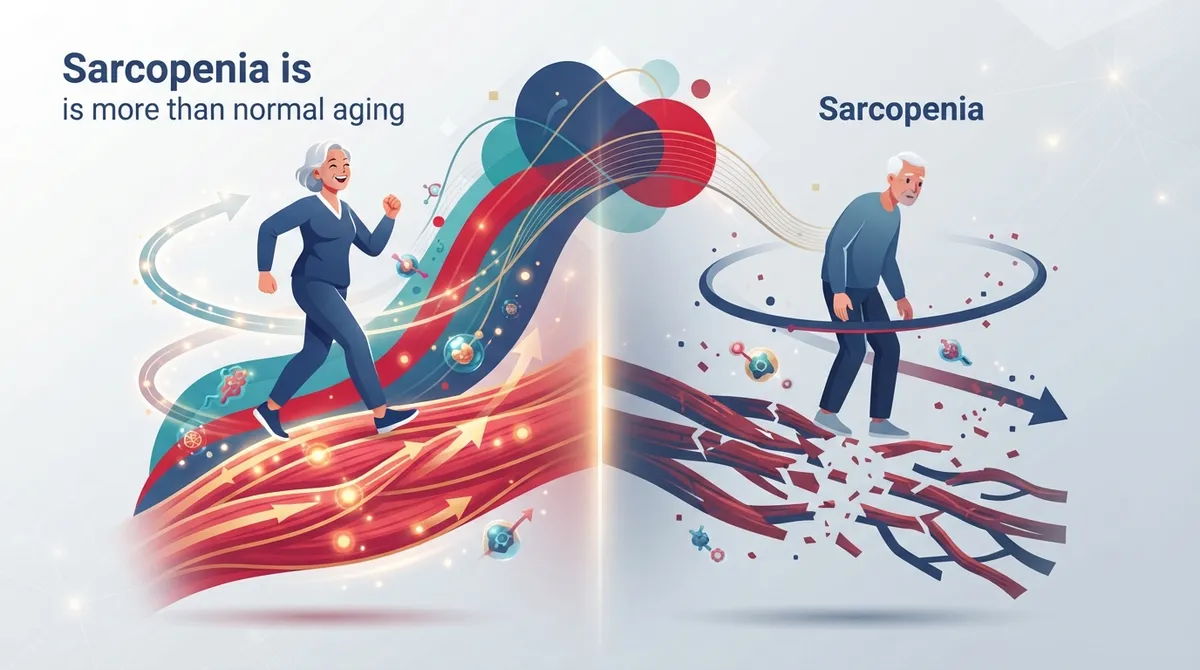
Sarcopenia means a loss of muscle mass, strength, and function as you get older. It is not just feeling weaker. It raises your risk of falls, fractures, and loss of independence. Standard measures use appendicular lean-mass index. Men below 7.0 kg/m² and women below 5.5 kg/m² may meet clinical thresholds, according to the EWGSOP2 framework. A visit for a body composition analysis can help track these changes early.
3. Early Lab Studies Show Some Promise
Animal and cell studies suggest MOTS-c may support muscle glucose uptake and mitochondrial activity. Researchers have looked at pathways like AMPK, PGC-1α, and CK2 signaling. These are complex biological processes tied to energy use in muscle cells. But lab findings do not always translate to safe, effective human treatments.
4. A 2024 Genetic Study Found an Interesting Link
Researchers identified a MOTS-c variant called K14Q. This variant has reduced binding to an enzyme called CK2. In one study, people carrying this genetic variant had higher rates of low skeletal-muscle mass. The odds ratio was 1.75, with a confidence interval of 1.01 to 3.02. This is an association, not proof that giving MOTS-c treats sarcopenia.
5. Muscle Mass Rates Differed by Genetic Group
In that same 2024 research, low skeletal-muscle mass showed up in about 11.3% of one group versus 18.6% in another. These numbers came from a specific study population. They do not apply to everyone, and they don't prove a peptide injection works.
6. A 2025 Dialysis Study Looked at MOTS-c as a Biomarker
Patients on chronic peritoneal dialysis were studied in 2025. Those at very high risk for sarcopenia had lower serum MOTS-c levels. The peptide also correlated with physical performance scores. The authors called MOTS-c a possible biomarker. They said it needs more validation before clinical use.
7. No Major Human Trials Prove MOTS-c Treats Sarcopenia
This is the most important fact. There is no large, placebo-controlled human trial showing that injected MOTS-c improves muscle mass, strength, or walking speed in people with sarcopenia. Most current evidence comes from cells, animals, genetics, or biomarker studies. No completed Phase 3 trial has proven a clinical benefit.
8. An Early Analog Trial Existed, But It Is Not the Same Thing
A MOTS-c-related compound called CB4211 went through an early Phase 1a/1b study with about 88 participants. This tested safety in a small group. Early data on an analog cannot be assumed to apply to MOTS-c itself, especially for long-term sarcopenia treatment.
9. MOTS-c Is Not FDA Approved for Any Use
The U.S. Food and Drug Administration has not approved MOTS-c for sarcopenia, aging, diabetes, or muscle loss. Products sold through wellness or compounding channels are investigational. Purity, sterility, and long-term safety are not guaranteed.
10. Quality and Safety Risks Are Real Concerns
Because MOTS-c is not regulated for these uses, patients face risks. There is no established dosing. There is no known safety profile for long-term use. Immunogenicity, meaning how your immune system might react, is unknown. Drug interactions are also unclear. Products from gray-market sources may not contain what the label says.
11. Reversible Causes of Muscle Loss Should Be Checked First
Before considering any experimental therapy, a full medical evaluation matters. Sarcopenia can be linked to poor nutrition, low vitamin D, chronic disease, certain medications, or inactivity. A visit to a provider for a full workup can catch treatable causes that may be driving muscle loss.
12. Resistance Training Remains the Strongest Tool
Progressive resistance exercise is the best-supported way to build and keep muscle as you age. This means lifting weights or using resistance bands regularly, with increasing challenge over time. No peptide replaces this. Structured exercise programs paired with medical guidance work best.
13. Protein and Nutrition Play a Major Role
Getting enough protein and total calories supports muscle repair and growth. Many older adults do not eat enough protein daily. A DNA gene testing panel or metabolic assessment can help personalize nutrition goals based on your body's needs.
Steps for a Smart Sarcopenia Evaluation
If you are worried about muscle loss, here is a simple path forward:
- Schedule a full physical exam to check strength, gait, and muscle mass.
- Ask about lab work, including vitamin D and thyroid function.
- Review your current medications with your doctor for muscle-related side effects.
- Get a body composition scan to track lean mass over time.
- Start a supervised resistance training plan suited to your fitness level.
- Set protein and calorie targets with a provider or nutrition-focused specialist.
- Schedule follow-up visits to monitor progress and adjust your plan.
14. Fall Prevention and Chronic Disease Management Matter Too
Sarcopenia often overlaps with other health issues like diabetes, heart disease, or arthritis. Managing these conditions well helps protect muscle health. Fall prevention strategies, like home safety checks and balance training, also reduce injury risk. Ongoing primary care support ties all these pieces together.
15. Talk to a Trusted Clinician Before Trying Experimental Peptides
If you are considering MOTS-c or any peptide therapy, talk with a licensed provider first. A good clinician will explain what is proven, what is not, and what real risks exist. Avoid self-injection protocols found online. Instead, ask about evidence-based options such as weight loss programs, nutrition counseling, and supervised exercise plans that support muscle health safely.
What This Means for Tampa and Riverview Patients
Many people in the Tampa Bay area are interested in cutting-edge wellness tools. That interest is understandable. Technology has changed how we track health, from DNA testing to metabolic breath analysis. But new does not always mean proven. When it comes to sarcopenia, the strongest evidence still points to resistance training, good nutrition, and regular medical checkups.
InCare's providers, including our team featured on the providers page, focus on whole-body care that blends modern tools with careful, honest guidance. We also offer IV hydration and vitamin drips and other wellness services designed to support energy and recovery as part of a complete health plan.
Comparing MOTS-c Research Stages to Proven Sarcopenia Care
|
Approach |
Evidence Level |
Human Trial Data |
Regulatory Status |
|---|---|---|---|
|
MOTS-c injections |
Preclinical, genetic, biomarker |
No completed Phase 3 trials |
Not FDA approved |
|
Resistance training |
Strong clinical evidence |
Decades of trials |
Standard medical recommendation |
|
Protein optimization |
Strong clinical evidence |
Well established |
Standard medical recommendation |
|
Vitamin D assessment |
Strong clinical evidence |
Well established |
Standard medical recommendation |
Common Concerns Patients Bring to Their Doctor
Many patients ask if natural methods can raise MOTS-c levels without injections. Some early research suggests that exercise itself may increase natural MOTS-c activity in the body. This is another reason resistance training remains a smart, low-risk starting point compared to unregulated peptide products.
- Ask your provider about a full strength and mobility assessment.
- Request lab testing to rule out reversible causes of weakness.
- Discuss safe, structured exercise programs suited to your age and health.
- Avoid unregulated peptide products sold without medical oversight.
- Follow up regularly to track your muscle health over time.
You can also connect with our community and see real patient experiences on Facebook, Instagram, and TikTok, where we share wellness tips and clinic updates. For a closer look at what other patients say about their care experience, you can also visit us on Google — InCare.
Conclusion: Build Your Muscle Health Plan on Solid Ground
MOTS-c is an interesting area of research. It may one day lead to new treatments for muscle loss. But right now, it is not proven, not approved, and not without risk. The smartest path for protecting your strength and independence is proven: resistance exercise, good nutrition, and regular checkups with a provider who knows your health history.
If you are noticing signs of muscle loss or want a full wellness evaluation, our Tampa and Riverview teams are ready to help. Reach out to our care team today or book your appointment now to start building a science-backed plan for stronger, healthier muscles at every age.
FAQs
Q: Does MOTS-c treat or reverse sarcopenia?
A: No. Current evidence comes from lab, animal, and genetic studies, not proven human treatment trials. There is no validated evidence that MOTS-c injections reverse sarcopenia in people.
Q: Is MOTS-c FDA approved for muscle loss or aging?
A: MOTS-c is not approved by the FDA for sarcopenia, aging, muscle loss, or any other condition. Products sold for these purposes are considered investigational and unregulated.
Q: Are there human clinical trials of MOTS-c for sarcopenia?
A: No completed Phase 3 trials exist. A related analog, CB4211, underwent an early Phase 1a/1b study with about 88 participants, but this does not confirm safety or effectiveness of MOTS-c itself for sarcopenia.
Q: Can exercise and protein increase natural MOTS-c levels?
A: Some research suggests physical activity may influence natural MOTS-c activity in muscle tissue. This supports resistance training and good nutrition as safer, evidence-based strategies for muscle health.
Q: How should I evaluate suspected sarcopenia before considering experimental therapies?
A: Start with a full clinical assessment that checks muscle strength, physical performance, nutrition, vitamin D levels, and medication use. This helps identify reversible causes before considering any unproven treatment.