Key Takeaways
- KP-10 has multiple meanings—kisspeptin-10 (investigational peptide) or topical ketoprofen (NSAID)—so confirm the exact product label and active ingredient before assuming an allergic reaction.
- Topical ketoprofen causes contact photoallergy in 85% of confirmed cases, especially with sun exposure, making sun avoidance critical during and after use.
- Anaphylaxis signs include throat swelling, difficulty breathing, fainting, or rapid pulse drop—call 911 immediately rather than waiting for symptoms to improve.
- Document the exact product name, active ingredient, how it was used, dose, timing, symptoms, sun exposure, and past allergies to help your provider accurately diagnose the true cause.
- Kisspeptin-10 is investigational with limited human safety data, so reactions must be carefully documented to build clinical knowledge and reported to your care provider immediately.
- Severe skin reactions to topical NSAIDs require hospital care in 47% of cases; seek urgent care if rash spreads, blisters form, or symptoms worsen within hours.
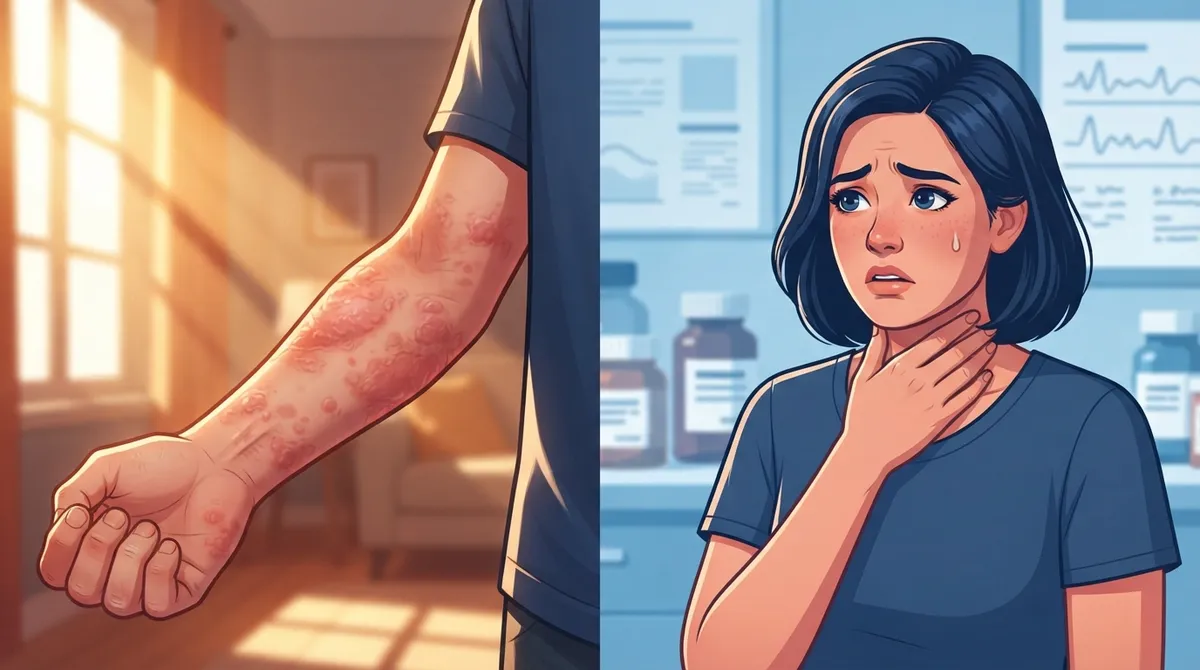
If you have come across "KP-10" in a wellness clinic, a research peptide listing, or a topical pain gel, you may wonder what happens if your body reacts badly to it. The truth is that "KP-10" is a confusing term. It can mean kisspeptin-10, an investigational peptide studied for hormone health, or it can be confused with topical ketoprofen, a well-known anti-inflammatory drug. Knowing the difference matters, especially if you notice hives, swelling, or trouble breathing after exposure to either product.
This guide breaks down 15 important facts about KP-10 allergic reactions. You will learn how to spot warning signs, what steps to take right away, and when to seek emergency care. Whether you are a wellness-focused professional exploring peptide options or a parent worried about a skin reaction, this article gives you clear, medically grounded answers. At InCare, our providers in Tampa and Riverview help patients sort through confusing product names and symptoms so they get the right care fast.

1. Understand That "KP-10" Has More Than One Meaning
The biggest mistake people make is assuming KP-10 always means the same thing. In medicine, KP-10 most often refers to kisspeptin-10, also called Kp-10 or metastin. This is a peptide involved in reproductive hormone signaling. But KP-10 can also be confused with topical ketoprofen, an NSAID used for pain and inflammation, or even a separate medicine called K-10.
Before you assume you are having a KP-10 allergic reaction, confirm the exact product. Check the label, active ingredient, and how it was used. Our providers at InCare always ask for this information first during a visit.

2. Know That Kisspeptin-10 Has Limited Human Safety Data
Kisspeptin-10 is still an investigational compound. Most of what we know comes from lab studies, animal research, and small early human trials. Many commercial kisspeptin-10 products are labeled "research use only" and are not FDA-approved for human treatment.
This means allergy data is limited. Nobody has published a solid number for how many people react badly to kisspeptin-10. If you experience symptoms after using it, your primary care team needs to document everything carefully, since this information adds to a small but growing body of clinical knowledge.
3. Recognize the Common Symptoms of an Allergic Reaction
Whether the trigger is kisspeptin-10 or ketoprofen, allergic reactions often share similar signs. Watch for these symptoms:
- Hives or raised, itchy welts on the skin
- Redness or a spreading rash
- Swelling of the face, lips, or tongue
- Itching, especially around the injection or application site
- Wheezing or a tight feeling in the chest
- Dizziness or lightheadedness
Mild symptoms can sometimes be managed at home, but they should never be ignored. If symptoms grow worse quickly, treat it as an emergency.
4. Learn the Warning Signs of Anaphylaxis
Anaphylaxis is a severe, life-threatening allergic reaction. It can happen within minutes of exposure. Signs include:
- Sudden swelling of the throat or tongue
- Difficulty breathing or swallowing
- A rapid drop in blood pressure
- Fainting or loss of consciousness
- A fast, weak pulse
- Widespread hives combined with breathing trouble
If you or someone near you shows these signs, call 911 immediately. Do not wait to see if symptoms improve on their own.
5. Follow Basic First-Aid Steps After Exposure
Safety data sheets for laboratory-grade kisspeptin-10 offer some general first-aid guidance, though these instructions are meant for lab settings, not full medical emergencies. Still, the basic steps can help while you wait for professional care:
- Wash exposed skin with soap and plenty of water
- Flush affected eyes with water for at least 15 minutes
- Move to fresh air if the exposure was inhaled
- Contact a physician after any ingestion or significant exposure
These steps do not replace emergency treatment. If breathing problems or swelling develop, seek immediate medical help.
6. Understand Why Topical Ketoprofen Causes Skin Reactions
Topical ketoprofen is a nonsteroidal anti-inflammatory drug used for pain and swelling. It is well known for causing allergic contact dermatitis and photoallergic reactions. This means the skin can react badly, especially after sun exposure.
A prospective study from Belgium looked at 20 patients with suspected ketoprofen allergy. All 20 showed confirmed ketoprofen-related allergic reactions. Of those, 17 had contact photoallergy, one had straightforward contact allergy, and two had photoaggravated contact allergy. These numbers show how closely sun exposure and ketoprofen reactions are linked.
Table: Ketoprofen Allergy Study Findings
|
Reaction Type |
Number of Patients |
Percentage |
|---|---|---|
|
Contact Photoallergy |
17 |
85% |
|
Contact Allergy |
1 |
5% |
|
Photoaggravated Contact Allergy |
2 |
10% |
These figures come from patients already referred for suspected allergy. They do not represent the average risk for everyone who uses ketoprofen gel.
7. Know That Some Reactions Require Hospital Care
The same Belgian study found that severe skin symptoms needing systemic corticosteroids happened in 47% of the 20 cases. Five patients needed hospital admission. This shows that skin allergies to topical NSAIDs can sometimes become serious, not just a minor rash.
If a rash spreads quickly, blisters, or becomes painful, do not wait. Visit an urgent care clinic the same day.
8. Ask Whether the Reaction Is Really From KP-10
Many products contain more than one active ingredient. A supposed kisspeptin-10 reaction might actually come from a preservative, fragrance, or another excipient in the formula. This is also true for ketoprofen gels, which often include added scents or stabilizers.
Before assuming KP-10 is the cause, your provider should review the full ingredient list. This step avoids mislabeling a product as unsafe when the real trigger is something else entirely.
9. Understand Who Is at Higher Risk
People with a history of reactions to NSAIDs like aspirin or ibuprofen may be more likely to react to ketoprofen. If you have had hives, swelling, or breathing trouble after taking these medicines before, tell your provider before trying any new topical or injectable product.
Our team at InCare reviews your full primary care history, including past drug reactions, before recommending any new treatment or peptide-related service.
10. Document Every Detail During a Reaction
If you experience a reaction, write down as much detail as you can. This information helps your doctor make a fast, accurate diagnosis. Include:
- The exact product name and brand
- The active ingredient listed on the label
- How it was used (injection, topical, oral)
- The dose and timing of use
- All symptoms and when they started
- Any sun exposure around the time of the reaction
- Other medicines or supplements you are taking
- Any past allergies you have had
This record helps your care team rule out other causes and identify true KP-10 allergic reactions.
11. Know When to See a Specialist
Not every reaction needs a specialist, but persistent, severe, or confusing cases often do. Dermatologists can run patch tests or photopatch tests to confirm whether ketoprofen or another ingredient caused your reaction. Allergists can also test for broader NSAID sensitivities.
If your primary care team in Riverview feels your case needs more testing, they can coordinate a referral so you get answers quickly.
12. Understand the Limits of Animal Safety Data
Some early safety information on kisspeptin-10 comes from animal studies. One source lists a dose of 1,000 micrograms per kilogram per day as a no-observed-adverse-effect level in a 14-day study using beagle dogs. While useful in early research, animal data cannot tell us a safe human dose or predict allergy risk in people.
This is one more reason why unverified peptide products should be approached with caution, especially outside of a licensed medical setting.
13. Watch for Sun Sensitivity With Certain Topical Products
Some topical products marketed under names similar to "KP" contain alpha-hydroxy acids like glycolic or lactic acid. These ingredients can raise the skin's sensitivity to sunlight. A patch test is recommended before full use, especially for people with sensitive skin.
This overlap in naming is another reason why confirming the true product and ingredients matters before blaming a reaction on "KP-10" itself.
Table: KP-10 Related Terms and What They Mean
|
Term |
Common Meaning |
Key Safety Note |
|---|---|---|
|
Kisspeptin-10 (Kp-10) |
Investigational reproductive hormone peptide |
Limited human safety data; research use only |
|
Topical Ketoprofen |
NSAID gel for pain and inflammation |
Known cause of contact and photoallergic dermatitis |
|
KP Bump Care Product |
Topical exfoliant with AHAs |
May increase sun sensitivity; patch test advised |
14. Take Immediate Action Steps If You Suspect a Reaction
If you believe you are having a KP-10 allergic reaction, follow these steps in order:
- Stop using the product right away
- Wash the exposed area with soap and water
- Note your symptoms and when they started
- Check for signs of anaphylaxis, such as throat swelling or breathing trouble
- Call 911 if symptoms are severe or getting worse
- Visit an urgent care clinic for moderate symptoms
- Schedule a follow-up with your primary care provider for mild reactions
Acting quickly can prevent a mild reaction from becoming a medical emergency.
15. Partner With a Trusted Primary Care Team for Peptide and Wellness Guidance
Because peptide products and topical medicines are often mislabeled or misunderstood, working with a knowledgeable care team matters. InCare's providers, including those featured on our peptide therapy page, help patients understand what they are actually using and whether it fits safely into a wellness plan.
Our team also offers DNA gene testing and full body composition analysis to build a complete picture of your health before adding any new therapy. This approach reduces guesswork and lowers your risk of unexpected reactions.
Why Choosing the Right Clinic Matters
Confusing product names, unclear labeling, and limited research on newer peptides make self-diagnosis risky. A trusted clinic can confirm the real cause of your symptoms and guide your next steps safely. Many patients search online for "kp-10 allergic reactions" hoping for quick answers, but nothing replaces an in-person evaluation from a licensed provider.
You can read what real patients say about their experience by visiting Visit us on Google — InCare. Our Tampa and Riverview locations serve patients who want clear answers, not confusing internet advice. You can also follow our latest wellness updates on Facebook, Instagram, and Tik Tok for more health tips and clinic news.
Final Thoughts on KP-10 Allergic Reactions
KP-10 allergic reactions can involve very different products, from investigational peptides to well-known topical NSAIDs. The safest path forward is confirming exactly what you used, watching closely for warning signs, and getting medical care fast if symptoms worsen. Mild rashes may resolve with simple first aid, but throat swelling, breathing trouble, or widespread hives always require emergency attention.
If you have questions about a reaction, a peptide product, or want expert guidance before starting any new wellness therapy, our team is ready to help. Reach out to our care team today or book your appointment now to get clear, personalized answers from a trusted primary care and wellness clinic in Tampa or Riverview.
FAQs
Q: What does KP-10 mean in medicine?
A: KP-10 usually refers to kisspeptin-10, an investigational peptide involved in reproductive hormone signaling. It can also be confused with topical ketoprofen, an NSAID, so confirming the exact product is essential before assuming an allergy.
Q: Is kisspeptin-10 approved for human use?
A: No. Kisspeptin-10 remains investigational, and most commercial versions are labeled for research use only. Safety data in humans is limited to small early-phase studies.
Q: What are the symptoms of an allergic reaction to KP-10 products?
A: Common symptoms include hives, itching, rash, facial or lip swelling, wheezing, and dizziness. Severe cases may involve throat swelling or difficulty breathing, which require emergency care.
Q: Can topical ketoprofen cause a sun allergy?
A: Yes. Topical ketoprofen is known to cause photoallergic reactions, meaning symptoms can worsen with sun exposure. This is one of the most documented risks tied to this NSAID.
Q: When should I go to the emergency room for a KP-10 allergic reaction?
A: Seek emergency care immediately if you notice throat or tongue swelling, trouble breathing, fainting, or a rapid drop in blood pressure. These are signs of anaphylaxis and need urgent treatment.