Key Takeaways
- Tirzepatide activates two hormone receptors (GIP and GLP-1) simultaneously, unlike older medications like semaglutide that target only GLP-1, delivering stronger appetite suppression and blood sugar control in clinical studies.
- Clinical data shows patients without diabetes experienced 16.5% to 22.4% weight loss over 72 weeks with tirzepatide doses of 5-15 mg weekly, significantly outperforming many other weight management approaches.
- Tirzepatide safely improves insulin secretion only when blood sugar is high and reduces glucagon release, minimizing hypoglycemia risk while slowing gastric emptying for prolonged satiety and smoother blood sugar spikes.
- Good candidates must have type 2 diabetes or obesity-level BMI, no history of certain thyroid cancers or pancreatitis, and require ongoing medical monitoring and lifestyle changes for optimal outcomes.
If you have looked into medical weight loss or diabetes care lately, you have probably heard the term "dual action" attached to tirzepatide. This is not just a marketing phrase. It describes a real, measurable difference in how this medication works inside your body. Understanding tirzepatide dual action can help you make a smarter choice about your health, whether you are managing blood sugar, trying to lose weight, or simply exploring options with your care team.
At InCare, patients in Tampa and Riverview often ask how tirzepatide differs from older weight loss and diabetes medications. The short answer: it targets two hormone pathways instead of one. This guide breaks down exactly what that means, backed by clinical research, so you can decide if it fits your health goals.

1. Tirzepatide Activates Two Hormone Receptors at Once
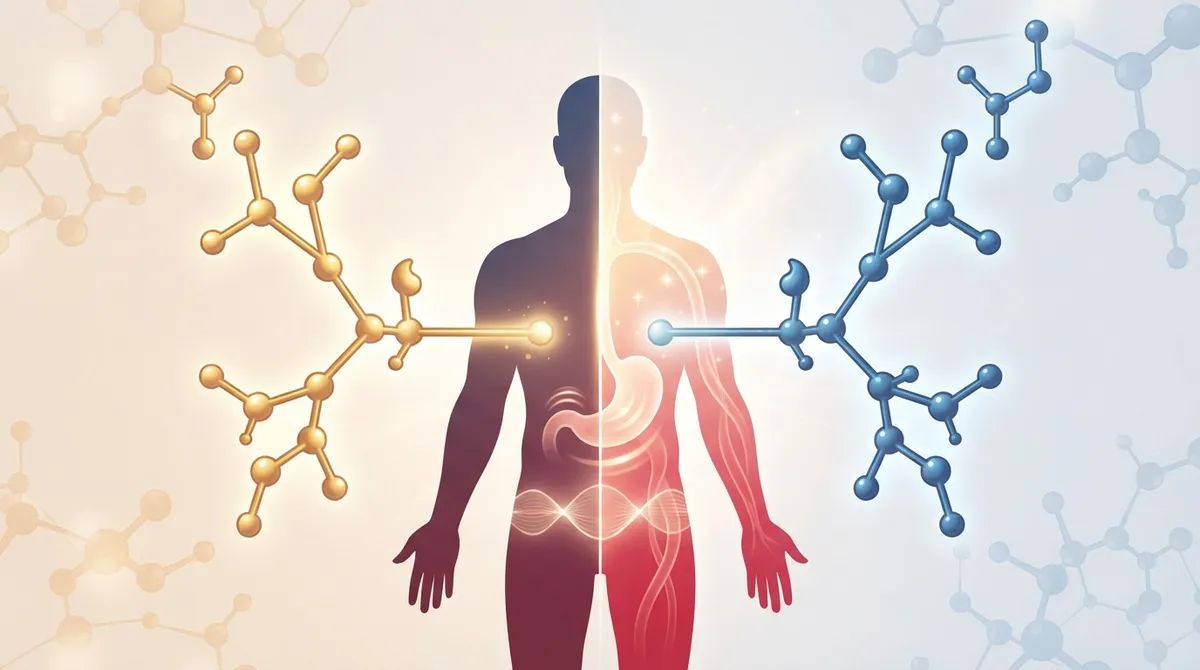
Tirzepatide is built to work on two separate gut hormone receptors: GIP and GLP-1. Most older medications, like semaglutide, only act on the GLP-1 receptor. This dual mechanism is why researchers call tirzepatide a "twincretin," a single molecule doing the job of two hormone systems at once.

2. It Is a Synthetic Peptide With a Specific Structure
Tirzepatide is a synthetic polypeptide made of 39 amino acids. It was engineered to mimic the natural hormones your gut releases after eating. This structure allows it to bind to receptors that control hunger, insulin release, and digestion speed.
3. The GIP and GLP-1 Receptors Play Different Roles
GIP and GLP-1 are both incretin hormones. They are released after meals to help your body manage blood sugar. But they do not work the same way. Here is a simple breakdown of what each one does:
Hormone ReceptorPrimary FunctionEffect on BodyGLP-1Boosts insulin, slows digestionReduces appetite, improves blood sugarGIPSupports insulin secretion, fat metabolismMay improve fat processing and glucose controlCombined (Tirzepatide)Activates both pathwaysGreater appetite reduction and glycemic control
4. Tirzepatide Is Considered an Imbalanced Dual Agonist
Interestingly, tirzepatide does not treat both receptors equally. Mechanistic studies show it binds the GIP receptor with activity close to the natural hormone. However, it binds the GLP-1 receptor about five times weaker than the body's own GLP-1. This is sometimes called "biased signaling," and researchers believe it may reduce certain side effects while still delivering strong results.
5. It Improves Insulin Secretion When Blood Sugar Is High
One of tirzepatide's core actions is helping your pancreas release insulin at the right time. This only happens when blood sugar levels rise, which helps lower the risk of dangerously low blood sugar in many patients. This glucose-dependent action is a key safety feature.
6. It Reduces Glucagon Release
Glucagon is a hormone that raises blood sugar. Tirzepatide helps lower excess glucagon secretion, especially after meals. Less glucagon means less sugar being released into your bloodstream, which supports better long-term blood sugar control.
7. It Slows Down Gastric Emptying
Tirzepatide slows how fast food leaves your stomach. This has two major effects: it helps you feel full longer, and it smooths out blood sugar spikes after eating. This is also why some patients experience mild digestive side effects when starting treatment.
8. It Reduces Appetite and Food Intake
Beyond the gut, tirzepatide affects appetite centers in the brain. Many patients report feeling less hungry and more satisfied after smaller meals. This effect, combined with slower digestion, is central to its impact on weight loss.
9. Clinical Data Shows Significant Weight Loss Results
According to a StatPearls clinical summary, patients without diabetes who took tirzepatide at doses between 5 and 15 mg weekly saw weight reduction ranging from 16.5% to 22.4% over 72 weeks. These are substantial numbers compared to many other weight management approaches.
10. It Is the First Approved Dual GIP/GLP-1 Medication
Tirzepatide holds the distinction of being the first-in-class dual incretin receptor agonist. This means it was the first medication of its kind to combine both hormone pathways into a single approved treatment, opening a new category in metabolic medicine.
11. Primary Care Uses Focus on Two Main Conditions
In a primary care and wellness setting, tirzepatide is most commonly used for two purposes. Here is a quick list of its established clinical applications:
- Managing type 2 diabetes and improving A1C levels
- Supporting chronic weight management in eligible patients
- Helping reduce cardiometabolic risk factors alongside lifestyle changes
- Assisting patients who have not responded well to single-hormone therapies
If you are exploring whether this treatment fits your health picture, our team at Weight Loss programs can walk you through eligibility and expectations.
12. It May Outperform GLP-1-Only Medications in Some Patients
Because it works on two pathways instead of one, tirzepatide has shown stronger results in some head-to-head comparisons with GLP-1-only drugs. Many patients experience greater weight loss and more improvement in blood sugar control. Your provider can help determine which option aligns better with your specific health history.
13. Common Side Effects Are Mostly Digestive
Because tirzepatide affects the gut so directly, most side effects involve digestion. Below is a list of the most frequently reported issues:
- Nausea, especially during dose increases
- Diarrhea or constipation
- Decreased appetite
- Occasional vomiting
- Mild stomach discomfort
These effects often lessen over time as your body adjusts. Starting at a low dose and increasing gradually, under medical supervision, helps many patients tolerate treatment better.
14. Good Candidates Share Certain Health Profiles
Not everyone is a fit for tirzepatide. Providers typically look for specific factors before recommending it. Consider this checklist when discussing candidacy with your doctor:
- Diagnosis of type 2 diabetes or a BMI indicating overweight or obesity
- No personal or family history of certain thyroid cancers
- No history of pancreatitis
- Willingness to follow a structured treatment and monitoring plan
- Interest in pairing medication with nutrition and activity changes
15. Working With a Primary Care Team Matters
Because tirzepatide affects appetite, digestion, and blood sugar all at once, ongoing monitoring is important. A knowledgeable primary care and wellness team can track your progress, adjust dosing, and address side effects early. This is where a coordinated approach, rather than a one-time prescription, makes a real difference in outcomes.
Comparing Tirzepatide's Dual Action to Single-Hormone Therapies
To put things in perspective, here is a simplified comparison of how dual action differs from single-hormone GLP-1 treatments:
FeatureGLP-1 Only TherapyTirzepatide (Dual Action)Receptors TargetedGLP-1 onlyGIP and GLP-1Typical Weight Loss RangeModerateHigher, per clinical dataAppetite SuppressionPresentOften strongerBlood Sugar ImprovementEffectiveFrequently more pronounced
How InCare Approaches Tirzepatide Treatment
Every patient's metabolism, health history, and goals are different. That is why a personalized plan matters more than the medication alone. Our providers, including those featured on our Providers page, review your full health picture before recommending any treatment involving dual incretin therapy.
We also pair medication management with tools like Body Composition analysis and Metabolic Breath Analysis to track real progress, not just the number on a scale. This gives you a clearer picture of how your body is responding over time.
Patients often start their journey after a conversation about general Primary Care or during a routine visit focused on chronic condition management. If you are curious whether tirzepatide's dual action could support your health goals, our Locations in Tampa and Riverview make it easy to get started close to home.
What Patients Are Saying
Community feedback matters when choosing a wellness partner. You can see what real patients say about their experience by visiting our Testimonials page, or by checking out Visit us on Google — InCare to read verified reviews from the Tampa and Riverview communities. Many patients also follow our updates and wellness tips on Facebook, Instagram, and Tik Tok for ongoing education about treatments like this one.
Final Thoughts on Tirzepatide's Dual Action
Tirzepatide's dual action sets it apart from older single-hormone treatments. By working on both the GIP and GLP-1 receptors, it offers a more complete approach to blood sugar control and weight management. The clinical data is strong, but results still depend on proper medical guidance, realistic expectations, and consistent follow-up care.
If you want to explore whether this treatment fits your health needs, our team is ready to help. Reach out to our care team today to discuss your options, or go ahead and schedule your appointment now to start your personalized evaluation with InCare.
FAQs
Q: What does tirzepatide's dual action mean?
A: Tirzepatide's dual action means it activates two hormone receptors, GIP and GLP-1, instead of just one. This combined approach helps improve insulin release, reduce appetite, and slow digestion more effectively than single-hormone medications.
Q: How does tirzepatide work differently from semaglutide?
A: Semaglutide only activates the GLP-1 receptor, while tirzepatide activates both GIP and GLP-1 receptors. This dual mechanism often leads to greater weight loss and stronger blood sugar improvement in clinical studies.
Q: Is tirzepatide a GLP-1 medication or a GIP medication?
A: Tirzepatide is both. It is classified as a dual GIP and GLP-1 receptor agonist, meaning it combines the effects of two separate incretin hormone pathways in a single molecule.
Q: How much weight loss can tirzepatide cause?
A: Clinical research summarized by StatPearls shows patients without diabetes experienced 16.5% to 22.4% weight reduction over 72 weeks, depending on the dose used. Results vary by individual and treatment plan.
Q: Who is a good candidate for tirzepatide treatment?
A: Good candidates typically have type 2 diabetes or a BMI indicating overweight or obesity, no history of certain thyroid cancers or pancreatitis, and a willingness to follow a structured care plan with regular monitoring.