Key Takeaways
- Semaglutide, a GLP-1 receptor agonist, reduces HbA1c by 1.1-1.5% and produces meaningful weight loss (up to 5 kg for oral form), making it effective for type 2 diabetes patients not controlled by metformin alone.
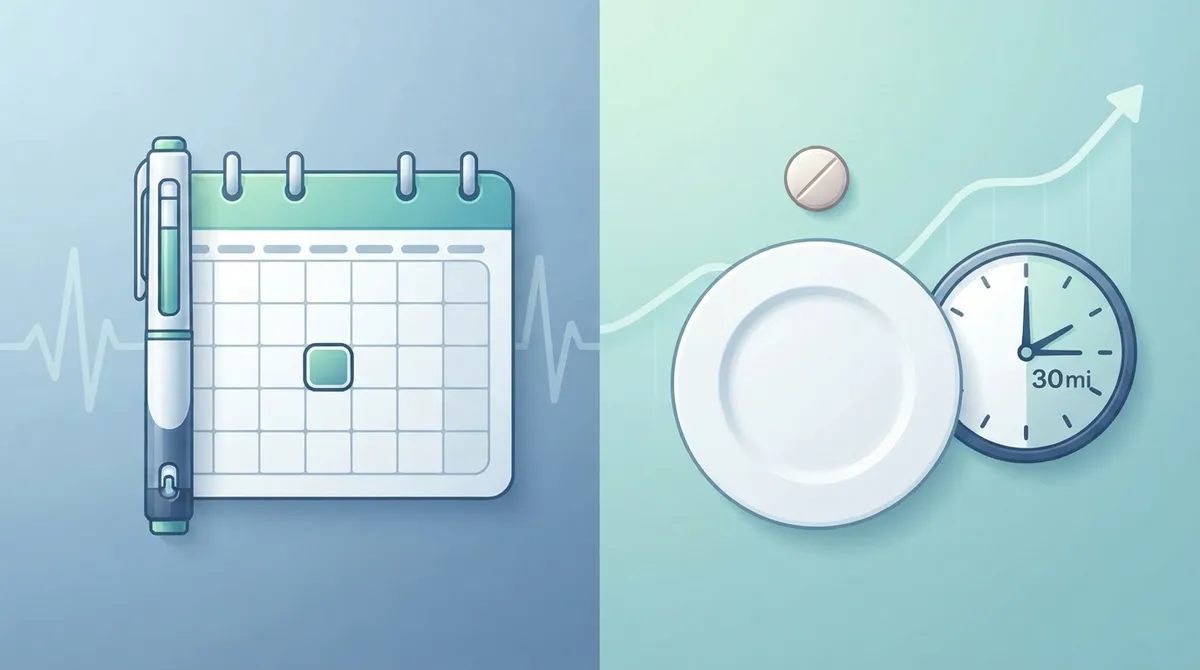
- Two forms are available—once-weekly injectable Ozempic and once-daily oral Rybelsus—allowing patients to choose based on needle preference and lifestyle, with oral being the first FDA-approved GLP-1 tablet option.
- Injectable semaglutide has documented cardiovascular benefits reducing major adverse events in type 2 diabetes patients, supported by SUSTAIN trial data, making it valuable for those with heart disease risk.
- Common gastrointestinal side effects like nausea typically improve as the body adjusts; gradual dose titration starting low and increasing weekly reduces discomfort and improves tolerance.
- Oral semaglutide (Rybelsus) requires empty stomach dosing with 30+ minutes before eating or other medications, unlike injectable Ozempic which has no timing restrictions—an important practical consideration.
- Regular monitoring of HbA1c, kidney function, and eye health is essential; some patients need retinopathy surveillance, and semaglutide works best combined with diet, exercise, and coordinated primary care support.
Managing type 2 diabetes can feel overwhelming, especially when diet and exercise alone are not enough to keep blood sugar in check. Semaglutide has become one of the most talked-about tools in primary care for people who need extra help reaching their glucose goals. Whether you are a busy parent trying to protect your long-term health or someone exploring modern treatment options for the first time, understanding how this medication works can help you make an informed decision with your care team.
At InCare, providers in Tampa and Riverview combine advanced diagnostics with personalized treatment plans to help patients manage type 2 diabetes safely and effectively. This guide breaks down 15 essential facts about semaglutide, from how it works to what side effects to expect, so you can talk to your doctor with confidence.

1. Semaglutide Belongs to the GLP-1 Receptor Agonist Class
Semaglutide mimics a natural hormone called GLP-1, which helps the body release insulin when blood sugar rises. It also slows digestion and reduces appetite, which supports both glucose control and weight management. This dual action makes it different from older diabetes medications that only target insulin production.

2. Two Forms Are Available for Type 2 Diabetes
Semaglutide comes in two forms approved for type 2 diabetes: a once-weekly injection (Ozempic) and a once-daily oral tablet (Rybelsus). This gives patients flexibility depending on their comfort level with injections and their daily routine.
FormBrand NameDosing ScheduleFDA Approval YearInjectableOzempicOnce weekly2017Oral TabletRybelsusOnce daily2019
Why This Matters for Primary Care Patients
Having both options means your primary care provider can tailor treatment to your lifestyle. Some patients prefer avoiding needles altogether, while others like the simplicity of a weekly injection instead of a daily pill.
3. Oral Semaglutide Was a Major Breakthrough
Rybelsus was the first oral GLP-1 receptor agonist approved by the FDA for type 2 diabetes. Before this approval, all GLP-1 medications required injections. This breakthrough made the treatment class more accessible for patients who avoid needles.
4. Clinical Trials Show Strong HbA1c Reductions
Clinical trials of oral semaglutide at the 14 mg dose found HbA1c reductions of approximately 1.1% to 1.5%. HbA1c is a key marker doctors use to measure average blood sugar over several months. A drop of this size can move many patients closer to their treatment goals.
5. Weight Loss Is a Meaningful Side Benefit
Beyond blood sugar control, semaglutide often leads to noticeable weight loss. Trials of oral semaglutide showed weight reductions of up to 5 kg. For higher-dose formulations used in weight management, studies found an average body-weight reduction of 9.6% after 68 weeks in people with type 2 diabetes.
- Reduced appetite due to slower stomach emptying
- Better portion control without feeling deprived
- Improved energy levels as blood sugar stabilizes
- Potential reduction in visceral fat over time
6. It Works Alongside Diet and Exercise, Not Instead of Them
Semaglutide is designed to be used with healthy eating habits and regular physical activity. It is not a replacement for lifestyle changes but rather a tool that makes those changes more effective. Patients who pair medication with structured weight loss support tend to see the best long-term results.
7. Cardiovascular Benefits Have Been Documented
Injectable semaglutide is also used to reduce major cardiovascular risk in certain adults with type 2 diabetes. This is significant because heart disease is a leading complication of long-term diabetes. Data from the SUSTAIN trial program supports improved glycemic control along with cardiovascular protection in appropriate patients.
8. Hypoglycemia Risk Is Relatively Low When Used Alone
Unlike some diabetes medications, semaglutide carries a relatively low risk of causing dangerously low blood sugar when used by itself. This is because it works in a glucose-dependent way, meaning it helps release insulin mainly when blood sugar is elevated. However, risk increases when combined with insulin or sulfonylureas, so monitoring remains important.
9. Gastrointestinal Side Effects Are Common but Usually Mild
Nausea is the most frequently reported side effect, along with occasional vomiting, diarrhea, or constipation. These symptoms are typically mild to moderate and tend to improve as the body adjusts. Starting at a low dose and increasing gradually helps minimize discomfort.
Common Side Effects to Discuss With Your Doctor
- Nausea, especially during the first few weeks
- Mild diarrhea or constipation
- Decreased appetite
- Occasional stomach discomfort
- Rare cases of gallbladder issues
10. Retinopathy Monitoring May Be Necessary
Some evidence suggests a need to monitor for retinopathy complications in certain patients, particularly those with a history of diabetic eye disease. Rapid improvements in blood sugar control have occasionally been linked to temporary worsening of retinopathy. Regular eye exams remain an important part of comprehensive diabetes care.
11. Semaglutide May Support Kidney Health
Research referenced in kidney-focused diabetes studies has explored how semaglutide may help improve renal outcomes in people with type 2 diabetes. This is an area of ongoing interest for patients managing both diabetes and early kidney concerns. Discussing kidney function with your provider helps determine whether this benefit applies to your situation.
12. Good Candidates Typically Have Not Met Goals on Metformin Alone
Primary care guidance highlights semaglutide for patients who have not reached their glycemic targets using metformin or other first-line medications. It is often considered for people who also want support with weight loss or who wish to avoid daily injections through the oral tablet option.
Who Might Benefit Most
- Adults with type 2 diabetes not at goal on metformin alone
- Patients who need additional weight management support
- People with cardiovascular risk factors
- Those who prefer oral medication over injections (Rybelsus)
- Patients wanting lower hypoglycemia risk compared to some alternatives
13. Starting and Titrating Semaglutide Requires a Gradual Approach
Doctors typically start patients on a low dose and increase it slowly over several weeks. This step-by-step titration reduces the chance of significant gastrointestinal side effects. Your provider will monitor your response and adjust the dose based on your blood sugar readings and tolerance.
Typical Titration Steps in Primary Care
- Begin with the lowest starting dose for 4 weeks
- Increase gradually based on tolerance and response
- Monitor HbA1c and side effects at follow-up visits
- Adjust further if additional glycemic control is needed
- Continue lifestyle counseling throughout treatment
14. Oral and Injectable Forms Differ in Absorption Requirements
Rybelsus must be taken on an empty stomach with a small amount of water, and patients must wait at least 30 minutes before eating or taking other medications. Ozempic does not have these same timing restrictions since it is injected weekly. This difference is worth discussing with your provider when choosing between the two options.
FactorOral Semaglutide (Rybelsus)Injectable Semaglutide (Ozempic)AdministrationDaily tablet, empty stomachWeekly injection, any timeFood TimingWait 30+ minutes before eatingNo specific timing requiredHbA1c Reduction1.1% to 1.5% (14 mg dose)Comparable in clinical studiesCardiovascular DataLimited compared to injectableDocumented risk reduction
15. Ongoing Monitoring Is Essential for Long-Term Success
Regular follow-up appointments allow your care team to track HbA1c levels, kidney function, and any side effects. Consistent monitoring also helps catch complications early, including retinopathy or gallbladder concerns. This is why working with a coordinated primary care team matters as much as the medication itself.
Managing a chronic condition like type 2 diabetes works best with consistent support from a primary care team that understands your full health picture. Many patients also benefit from complementary services such as body composition analysis or DNA gene testing to better understand their metabolic health.
How InCare Supports Patients Considering Semaglutide
InCare's providers in Tampa and Riverview take a whole-person approach to diabetes care. Rather than simply prescribing a medication, the team evaluates your full health history, current medications, and lifestyle factors before recommending a treatment plan. This is especially valuable for patients also exploring metabolic breath analysis or structured weight programs alongside their diabetes management.
For patients balancing diabetes with other health goals, InCare also offers IV hydration and vitamin therapy to support overall energy and wellness. Combining these services with medication management creates a more complete strategy for long-term health.
Steps to Get Started With Semaglutide at InCare
- Schedule an initial consultation with a primary care provider
- Complete lab work to assess HbA1c and kidney function
- Discuss your medical history and current medications
- Review whether oral or injectable semaglutide fits your lifestyle
- Begin a gradual dosing schedule with regular follow-up visits
Patients considering this treatment often want to see how a clinic supports real people through the process. You can visit us on Google — InCare to read reviews from patients who have worked with providers like Dr. Ahluwalia on chronic condition management. InCare also shares patient education and wellness tips on Facebook, Instagram, and TikTok for those who want ongoing guidance between visits.
Comparing Semaglutide to Standard First-Line Therapy
Metformin remains the standard first-line treatment for type 2 diabetes due to its long safety record and low cost. However, some patients need additional support once metformin alone is not enough. The table below highlights key differences primary care providers consider when choosing between these options.
FeatureMetforminSemaglutideTypical RoleFirst-line therapyAdded when goals are not metWeight EffectNeutral to modest lossSignificant weight loss potentialCardiovascular DataEstablished safety profileDocumented risk reduction (injectable)Common Side EffectsGI upset, diarrheaNausea, GI symptoms
Bringing It All Together
Semaglutide has reshaped how primary care providers approach type 2 diabetes management. With strong evidence for improved blood sugar control, meaningful weight loss, and potential cardiovascular benefits, it has become a valuable option for many patients who have not reached their goals with standard therapy. Choosing the right form, whether oral or injectable, depends on your health history, lifestyle, and personal preferences.
If you are managing type 2 diabetes and want to explore whether semaglutide fits your treatment plan, InCare's experienced providers in Tampa and Riverview are ready to help. Reach out to our care team today to schedule a consultation, or book your appointment online to take the next step toward better blood sugar control and long-term wellness.
FAQs
Q: What is semaglutide used for in type 2 diabetes?
A: Semaglutide is used alongside diet and exercise to improve blood sugar control in adults with type 2 diabetes. It is often prescribed when metformin or other first-line treatments have not achieved glycemic goals. Injectable semaglutide is also used to reduce major cardiovascular risk in certain patients.
Q: Is semaglutide better than metformin for type 2 diabetes?
A: Semaglutide and metformin serve different roles in diabetes care. Metformin remains the standard first-line therapy, while semaglutide is typically added when patients need additional glycemic control or weight loss support. Your primary care provider can determine which combination fits your health needs.
Q: What are the side effects of semaglutide?
A: The most common side effects are gastrointestinal, including nausea, diarrhea, and occasional constipation. These symptoms are usually mild to moderate and improve over time as the dose is gradually increased. Rare risks include gallbladder issues and, in some cases, retinopathy complications that require monitoring.
Q: Does semaglutide help with weight loss in people with type 2 diabetes?
A: Yes, semaglutide is associated with meaningful weight loss in addition to improved blood sugar control. Clinical trials of oral semaglutide showed weight reductions of up to 5 kg, while higher-dose formulations have produced an average weight loss of 9.6% after 68 weeks in people with type 2 diabetes.
Q: How is oral semaglutide different from Ozempic?
A: Oral semaglutide, sold as Rybelsus, is a daily tablet taken on an empty stomach, while Ozempic is a once-weekly injection. Both forms improve blood sugar control, but they differ in dosing schedule, timing requirements, and the strength of cardiovascular risk-reduction data currently available.