Key Takeaways
- Testosterone is not a first-line fix for fatigue or low drive; a responsible clinic starts with a full medical evaluation, since sleep apnea, depression, thyroid disease, diabetes, and medications can cause similar symptoms.
- Diagnosis requires both compatible symptoms and repeated morning fasting total testosterone tests showing consistently low levels, because one low reading on one day is not enough.
- Testosterone therapy can suppress sperm production and reduce fertility, so men planning to have children should discuss fertility-preserving options before starting treatment.
- Once treatment begins, follow-up should track testosterone levels, hematocrit, blood pressure, and prostate health, since testosterone products can raise blood pressure and monitoring is essential.
Many men notice changes they cannot easily explain. Energy drops. Motivation fades. Strength and focus slip, and intimacy becomes harder. It is natural to wonder whether hormones are the cause. For many men, searching for men's performance hormone care in Tampa is the first step toward answers.
Here is the key point: good hormone care is not about handing out testosterone to anyone who feels tired. It is about careful evaluation. The right clinic looks at your symptoms, tests your levels the right way, checks for other causes, and weighs the risks and benefits with you. This guide gives you 15 clear facts to help you understand what responsible care looks like in 2026. It is written for busy professionals, health-minded millennials, young families, and anyone who wants straight answers before starting treatment.

Part 1: Understanding Men's Performance Hormone Care
1. It Starts With Evaluation, Not a Prescription
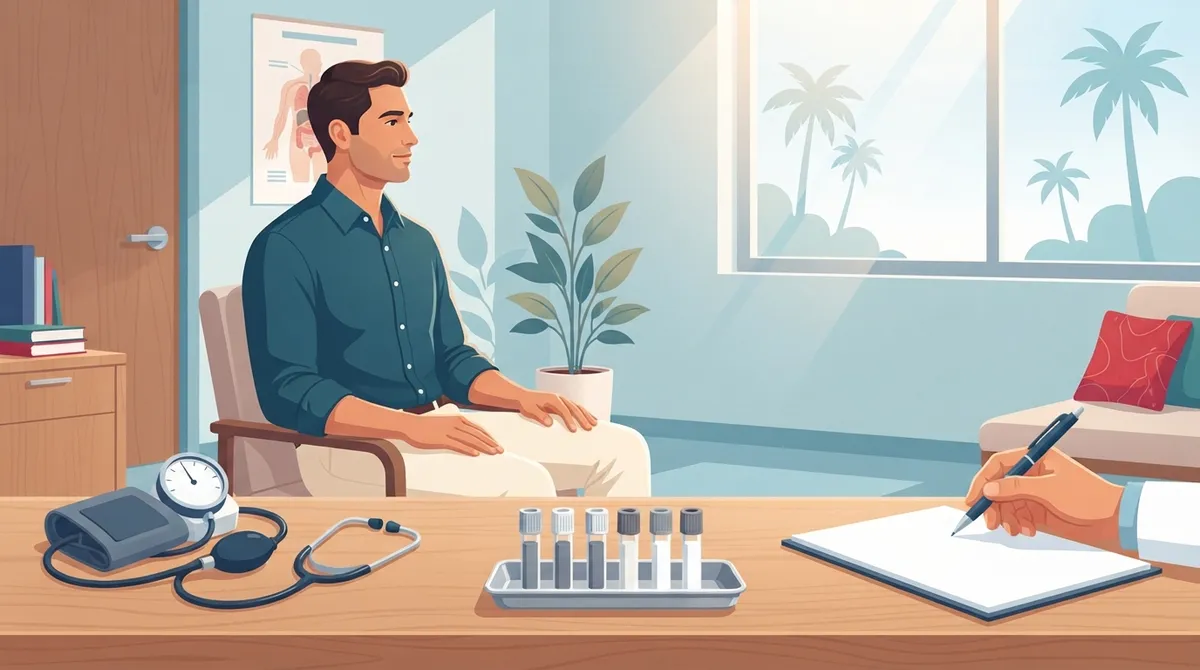
In Tampa, men's performance hormone care usually means evaluating symptoms such as low libido, erectile difficulty, fatigue, reduced muscle strength, or fertility concerns. A responsible clinic treats this as a medical workup. Testosterone is only one possible answer, and sometimes it is not the answer at all.
2. Symptoms Have Many Possible Causes
Low energy and low drive do not always point to low testosterone. Other common causes include:
- Sleep disorders, including sleep apnea
- Depression, anxiety, and chronic stress
- Medication side effects
- Diabetes and metabolic problems
- Heart and blood vessel disease
- Thyroid conditions
A primary care setting is well suited to sort through these possibilities, because one team can look at your whole health picture.
3. Primary Care Is a Smart Place to Begin
A primary care physician can order labs, review your medications, check your blood pressure, and screen for related conditions. This is why many men start with a clinic like InCare's primary care services rather than a standalone hormone-only program. Whole-body context leads to better decisions.
Part 2: How Low Testosterone Is Diagnosed
4. Diagnosis Requires Symptoms Plus Confirmed Low Levels
The Endocrine Society recommends diagnosing hypogonadism only when compatible symptoms or signs are present and testosterone is clearly and consistently low. One odd number on one day is not enough.
5. Repeat Morning Testing Matters
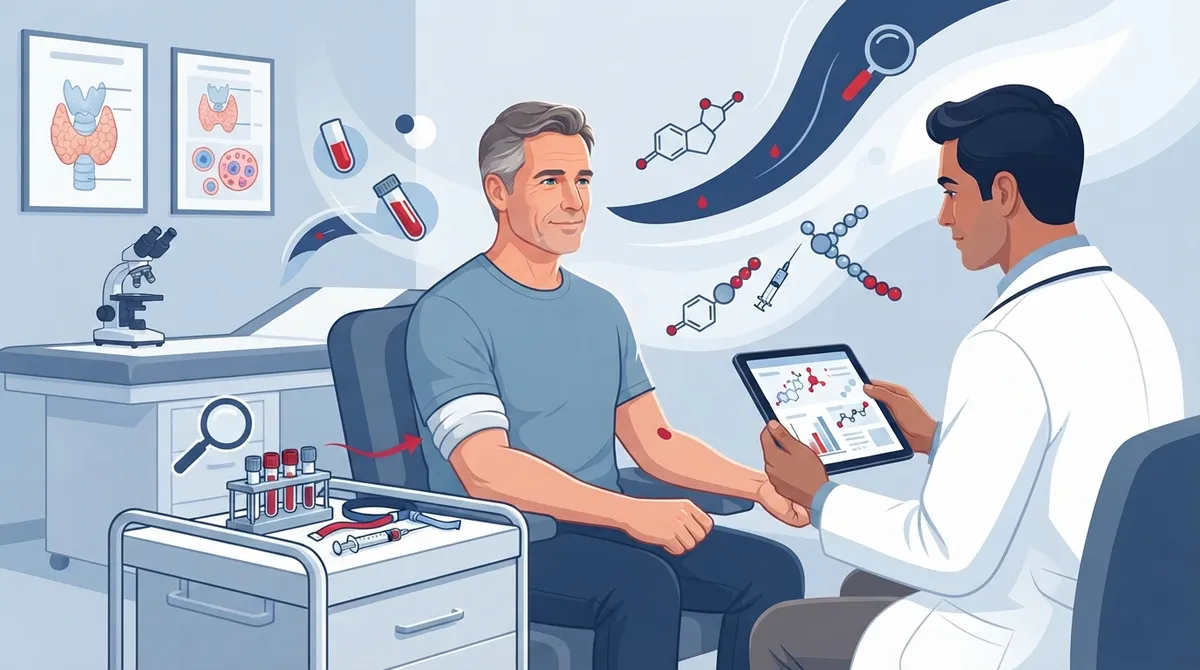
Testosterone levels rise and fall through the day, and they dip with illness, poor sleep, and recent meals. For that reason, guidelines call for repeat morning fasting total testosterone testing. Free testosterone may be checked as well when the result is unclear.
6. A Proper Workup Looks Beyond One Hormone
Depending on your story, your clinician may consider several tests. The table below shows common elements of a primary care evaluation.
|
Evaluation Step |
Why It Matters |
|---|---|
|
Medical and medication history |
Finds drugs or conditions that affect hormones |
|
Physical exam and blood pressure |
Checks heart risk and signs of hormone deficiency |
|
Morning total testosterone (repeated) |
Confirms whether levels are truly low |
|
LH and FSH |
Helps identify the cause of low testosterone |
|
Prolactin and thyroid tests |
Rules out other hormone problems |
|
Blood count and metabolic labs |
Screens for anemia, diabetes, and cardiometabolic risk |
|
Sleep apnea screening |
Untreated apnea can mimic or worsen low T symptoms |
7. Finding the Cause Is Part of the Job
Low testosterone is not only an age issue. Weight gain, type 2 diabetes, certain medications, pituitary problems, and testicular conditions can all lower levels. Treating the root cause, such as weight or sleep, can sometimes improve symptoms on its own. Programs like medical weight loss may play a real role in the plan.
Part 3: What the Safety Research Says
8. Testosterone Is Not an Anti-Aging Shortcut
Testosterone therapy is not recommended as a general anti-aging or performance-boosting product. The Endocrine Society advises against routinely prescribing it to all men over 65 who have low levels. Treatment is meant for men with a confirmed medical diagnosis.
9. FDA Labeling Changed in 2025
In February 2025, the FDA announced class-wide labeling changes for testosterone products. After reviewing the TRAVERSE trial, it removed the class-wide boxed warning about increased adverse cardiovascular outcomes. In TRAVERSE, major cardiovascular events occurred in 7.0% of men using testosterone gel and 7.3% of men using placebo.
10. Blood Pressure Still Needs Attention
The FDA kept limits on use for age-related low testosterone and added blood pressure warnings. Postmarket studies showed testosterone products can raise blood pressure as a class. The size of the increase varies by product and by person, which is why regular monitoring is essential.
11. Some Men Should Not Start Treatment
Guidelines advise against starting therapy in several situations. These include:
- Plans to have children in the near future
- Certain prostate or breast cancer risks
- Elevated hematocrit (thick blood)
- Untreated severe obstructive sleep apnea
- A recent major cardiovascular event
An honest clinic will screen for these issues before writing any prescription.
Part 4: Fertility, Treatment Options, and Follow-Up
12. Testosterone Can Harm Fertility
Exogenous testosterone can suppress sperm production and reduce fertility. It is not a fertility treatment. Men who want children should discuss fertility-preserving options and possible specialist referral before treatment begins. This is especially important for younger men and couples planning a family.
13. Treatment Is Individualized
FDA-approved testosterone formulations include gels, injections, and other products. The best choice depends on your diagnosis, your health, your lifestyle, and your preferences. To learn more about how care is structured, read about testosterone replacement therapy at InCare.
14. Monitoring Is Not Optional
If you begin treatment, follow-up should cover symptoms, testosterone levels, hematocrit, blood pressure, and prostate-related assessment when appropriate. A clinic that skips monitoring is a red flag. Ongoing visits are how problems get caught early.
15. Choose a Clinic Built Around Your Whole Health
When comparing men's hormone care options in Tampa, look for these qualities:
- Licensed physicians who diagnose before they prescribe
- Repeat lab testing and clear explanations of results
- Screening for sleep, heart, metabolic, and mental health factors
- An honest talk about fertility and risks
- A written follow-up and monitoring plan
- Access to related services, such as metabolic testing and preventive screening
InCare checks these boxes. Our team combines primary care expertise with advanced wellness technology, so your hormone questions are answered in the context of your full health. You can meet our providers, or explore tools like metabolic breath analysis and DNA gene testing to build a more personal picture of your health.
Who Benefits Most From This Approach?
This whole-health model fits many types of patients. Tech-savvy professionals value data-driven testing and clear plans. Busy fathers appreciate one visit that covers energy, sleep, heart health, and family planning. Younger men exploring prevention gain from baseline labs and honest guidance, including being told when treatment is not needed. Men over 40 get a careful, safety-first review instead of a quick fix.
InCare serves patients from locations in Tampa and Riverview, with virtual options available. Patients rate the experience highly, and you can see what others say when you visit us on Google — InCare. You can also follow our wellness updates on Instagram, Facebook, and TikTok.
Conclusion: Start With Answers, Not Assumptions
Men's performance hormone care in Tampa works best when it begins with a thorough evaluation. Confirm the diagnosis with repeat morning testing. Look for other causes. Weigh the benefits and risks, including blood pressure and fertility. Then monitor closely if treatment begins. That is the standard of care in 2026, and it is the standard you should expect.
If you are ready for a clear, evidence-based conversation about your energy, drive, and long-term health, book your visit with InCare today, or contact our team with questions. We will help you find out what is really going on and build a plan you can trust.
FAQs
Q: What symptoms can indicate low testosterone in men?
A: Common symptoms include low libido, erectile difficulty, fatigue, reduced muscle strength, and low mood. These signs can also come from sleep problems, diabetes, or medications, so a medical evaluation is needed before any diagnosis is made.
Q: How is low testosterone diagnosed, and do I need more than one blood test?
A: Yes. Guidelines recommend repeat morning fasting total testosterone testing, because levels vary during the day and with illness. A diagnosis requires both compatible symptoms and consistently low results.
Q: Can a primary care doctor in Tampa evaluate testosterone and hormone concerns?
A: Yes. A primary care physician can review your history and medications, check blood pressure, order targeted labs, and screen for related conditions. This whole-health approach helps determine whether hormones are truly the cause.
Q: Can testosterone therapy affect fertility or sperm count?
A: Yes. Exogenous testosterone can suppress sperm production and impair fertility, and it should not be used as a fertility treatment. Men who want children should discuss fertility-preserving options with a clinician before starting therapy.
Q: How often are testosterone levels, blood pressure, and blood counts monitored during treatment?
A: Follow-up is individualized, but monitoring typically includes symptoms, testosterone levels, hematocrit, blood pressure, and prostate assessment when appropriate. Your clinician will set a schedule based on your health and the treatment you receive.