
Key Takeaways
- Kisspeptin acts as an upstream switch that triggers GnRH release, which then stimulates FSH and LH production—it does not replace gonadotropin injections but works alongside them in the reproductive hormone cascade.
- Early clinical trials show kisspeptin-54 as a potential ovulation trigger after gonadotropin stimulation, with a 2014 study achieving 23% clinical pregnancy rate and a 2022 review reporting 32% live-birth rates, though larger randomized trials are still needed.
- Kisspeptin may reduce ovarian hyperstimulation syndrome (OHSS) risk compared to hCG triggers by producing a shorter, more natural LH surge, making it potentially beneficial for high-responder IVF patients.
- Kisspeptin remains experimental and non-standardized; it should only be used within monitored clinical trials under reproductive endocrinologist supervision, never as a self-administered wellness therapy or general infertility treatment.
Fertility research keeps moving forward, and one topic patients keep asking about is kisspeptin with gonadotropins. If you have searched for this term while researching IVF options or hormone health, you are likely trying to separate real science from online hype. This guide breaks down what kisspeptin actually does, how it relates to gonadotropin injections like FSH, and why this remains a specialist research area rather than a routine treatment you can request at a general wellness visit.
At InCare, our Tampa and Riverview clinics focus on primary care and preventive health, not fertility procedures. But many of our patients ask smart questions about hormone health, reproductive wellness, and cutting-edge peptide research. This article gives you clear, accurate facts so you can have an informed conversation with a reproductive specialist if kisspeptin therapy is ever relevant to your care.
1. What Kisspeptin Actually Is
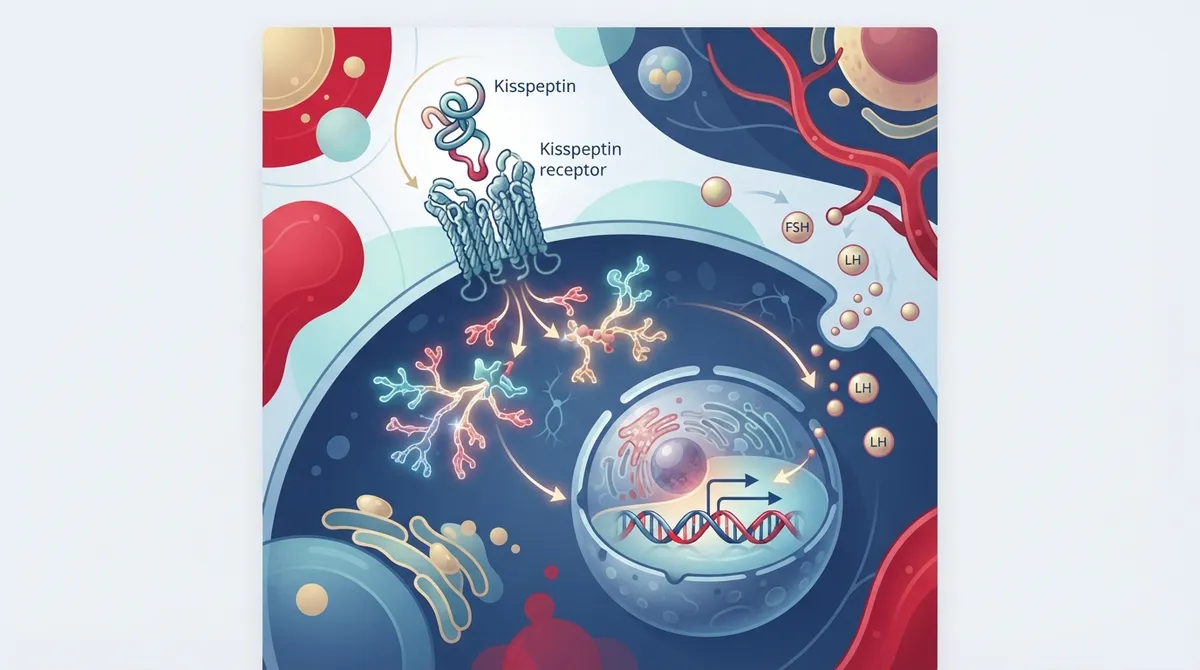
Kisspeptin is a natural hormone made in the brain. It works in a small region called the hypothalamus. This hormone triggers the release of another hormone called GnRH, or gonadotropin-releasing hormone.
GnRH then tells the pituitary gland to release two important hormones: luteinizing hormone (LH) and follicle-stimulating hormone (FSH). These are the gonadotropins. So kisspeptin sits upstream, starting a chain reaction rather than replacing gonadotropins directly.
2. How Kisspeptin Relates to Gonadotropins
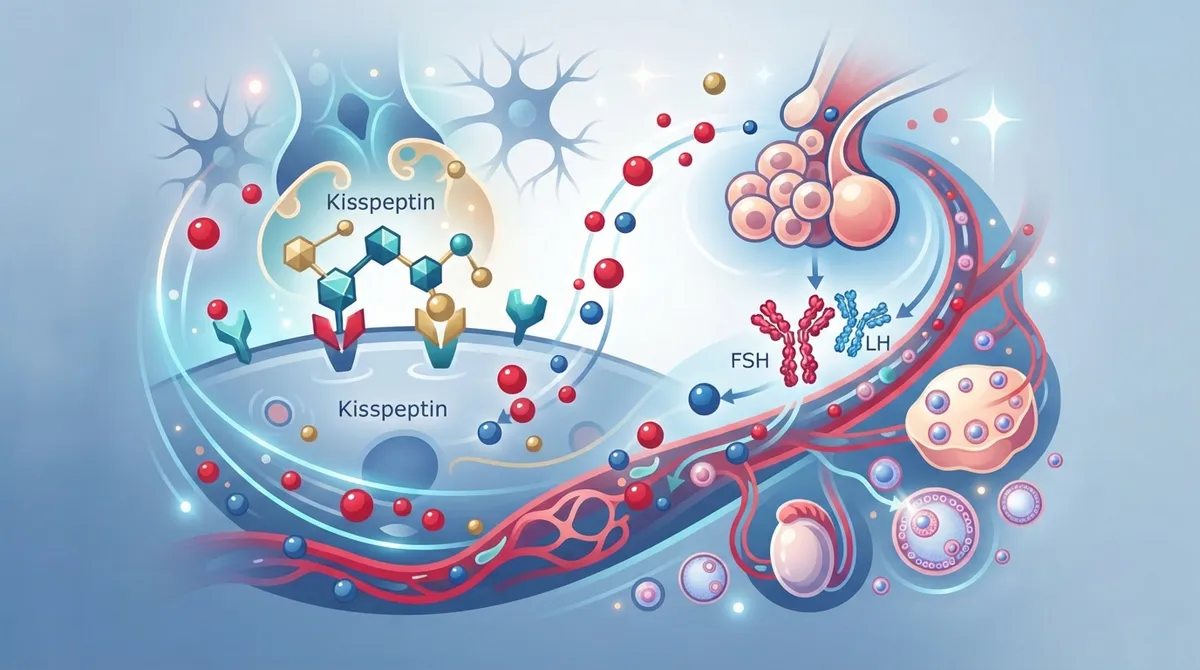
Kisspeptin does not act like FSH or LH itself. Instead, it turns on the signal that leads to their release. Think of kisspeptin as the switch, and gonadotropins as the lights that turn on because of that switch.
This distinction matters. Some people assume kisspeptin can be swapped in for gonadotropin shots. In reality, they work together in a specific order within the body's reproductive system.
3. Why Researchers Study Kisspeptin in Fertility Treatment
Doctors and scientists have studied kisspeptin mainly in IVF settings. Patients first receive ovarian stimulation using gonadotropin injections, such as recombinant FSH. This helps the ovaries grow multiple egg-containing follicles.
After this stimulation phase, kisspeptin-54 has been tested as a trigger shot. Its job in these studies is to cause a final surge of LH, which helps eggs mature before they are collected for IVF.
4. The Role of Kisspeptin as an Ovulation Trigger
Most fertility treatments use human chorionic gonadotropin (hCG) or a GnRH agonist to trigger the final step of egg maturation. Kisspeptin-54 has been explored as another option for this same job.
Researchers are interested because kisspeptin may create a shorter, more natural LH surge compared to hCG. This could offer benefits for certain patients, though it has not replaced standard trigger shots in everyday practice.
5. What the 2014 Study Found
One key study looked at 53 women going through IVF. Each woman received a single dose of kisspeptin-54 after standard ovarian stimulation with gonadotropins.
- 51 out of 53 women had at least one mature egg retrieved
- 49 out of 53 women had at least one embryo ready for transfer
- 92% of patients moved forward to embryo transfer
- 40% had a positive pregnancy blood test
- 23% achieved a clinical pregnancy
These numbers came from a proof-of-concept study published in the Journal of Clinical Investigation. It was small but gave researchers hope that kisspeptin could play a future role in fertility care.
6. Live Birth Rates From Later Research
A 2022 review looked at multiple small studies using kisspeptin as a trigger. Across 160 embryo transfers, the live-birth rate was about 32%.
One smaller group of high responders had a live-birth rate closer to 45%. However, these numbers come from limited studies without large randomized trials comparing kisspeptin directly to standard triggers. More research is still needed before firm conclusions can be drawn.
7. Potential Benefit for Patients at Risk of OHSS
Ovarian hyperstimulation syndrome, or OHSS, is a risk during fertility treatment. It happens when the ovaries react too strongly to gonadotropin stimulation.
Kisspeptin may produce a gentler, shorter LH response than hCG. This could lower OHSS risk in some patients. Early studies suggest this benefit, but kisspeptin has not become a standard OHSS prevention tool yet.
8. Kisspeptin Research in PCOS Patients
Polycystic ovary syndrome, or PCOS, is a common cause of irregular ovulation. A 2019 study tested kisspeptin-54 in women with PCOS to see if it could stimulate hormone activity.
- Two women developed a dominant follicle and later ovulated
- One woman had follicle growth but did not ovulate
- One woman's body became less responsive to the treatment over time
These mixed results show that kisspeptin has biological activity in PCOS. However, it does not work the same way for every patient. PCOS is a varied condition, so no single treatment fits everyone.
9. Why Kisspeptin Is Not a Routine Wellness Therapy
Some wellness clinics online promote experimental peptides as easy fixes. Kisspeptin is not one of these. It should never be viewed as a general treatment for infertility or low hormone levels.
Current evidence comes from small clinical trials, not large-scale studies. Dosing protocols are not standardized. Long-term safety data remains limited. Responsible primary care and wellness providers present kisspeptin as a research topic, not a shelf-ready treatment.
10. Who Actually Oversees Kisspeptin Treatment
If kisspeptin is used at all, it happens under the direct supervision of a reproductive endocrinologist. This is a fertility specialist trained to manage complex hormone treatments and IVF protocols.
Primary care providers play a different role. They help patients understand their overall hormone health, order basic testing, and refer patients to the right specialist. Our providers at InCare can guide you toward appropriate next steps if fertility concerns come up during a wellness visit.
11. Comparing Kisspeptin to Standard Triggers
Here is a simple breakdown of how kisspeptin-54 compares to the two most common fertility triggers used today.
|
Trigger Type |
Mechanism |
OHSS Risk |
Research Status |
|---|---|---|---|
|
hCG |
Mimics LH directly |
Higher in sensitive patients |
Standard, widely used |
|
GnRH Agonist |
Triggers a natural LH/FSH surge |
Lower than hCG |
Standard in antagonist protocols |
|
Kisspeptin-54 |
Stimulates GnRH, leading to LH surge |
Potentially lower |
Experimental, small studies only |
This table shows why kisspeptin remains promising but unproven at a large scale. It works through a more natural pathway, but researchers still need bigger studies to confirm its safety and success rates.
12. Doses Used in Clinical Research
Clinical trials have tested kisspeptin-54 doses ranging from about 1.6 to 12.8 nmol/kg. A commonly studied dose sits around 6.4 nmol/kg.
These numbers are for research purposes only. Dosing outside of a controlled clinical trial is not recommended. Self-administering any hormone-related peptide without medical guidance carries real health risks.
13. What a Proper Infertility Evaluation Looks Like
Before anyone considers advanced fertility treatments, a full evaluation should happen first. This helps identify the actual cause of fertility struggles.
- Ovulation tracking and hormone panel testing
- Semen analysis for male partners
- Tubal evaluation when needed
- Full medication and supplement review
- Screening for conditions like PCOS or hypothalamic amenorrhea
A thorough primary care visit is often the first step. From there, your provider can refer you to fertility specialists if advanced testing or treatment becomes necessary.
14. Common Side Effects and Safety Concerns
Because kisspeptin remains experimental, its full safety profile is still being studied. Reported effects in trials have generally been mild, but researchers continue to monitor for issues.
- Injection site reactions in some patients
- Possible desensitization with repeated dosing, as seen in one PCOS case
- Unknown long-term effects due to limited data
- Lack of standardized dosing across studies
Anyone considering kisspeptin-based treatment should only do so within a monitored clinical trial or specialist fertility program. This is not something to try independently.
15. How InCare Supports Your Broader Hormone and Wellness Goals
While InCare does not provide kisspeptin fertility treatments, our Tampa and Riverview clinics support the foundational health work that matters most. This includes hormone testing, DNA gene testing, and body composition analysis to better understand your overall health picture.
We also offer weight loss programs and IV hydration therapy, both of which can support reproductive and metabolic health as part of a bigger wellness picture. If fertility questions come up, our team can point you toward the right specialists while managing your everyday primary care needs.
Patients across the Tampa Bay area trust InCare for straightforward, evidence-based guidance. You can read patient experiences and visit us on Google — InCare to see what our community says about their care journey. We also share health updates and patient education through our Facebook and Instagram pages, along with quick wellness tips on Tik Tok.
Final Thoughts on Kisspeptin and Gonadotropin Research
Kisspeptin with gonadotropins is a fascinating area of fertility science. It shows real promise as a more natural trigger option in IVF, especially for patients at risk of OHSS. But the evidence is still young, based mostly on small studies from institutions studying reproductive medicine, including research published through the National Institutes of Health.
If you are exploring fertility options, start with a solid primary care foundation. Get your hormone levels checked. Understand your full health picture before jumping into specialized treatments. Our team at InCare is ready to help you take that first step toward better whole-body health.
Ready to talk through your hormone health or schedule a wellness visit? Reach out to our care team today or book your appointment now at our Tampa or Riverview location.
FAQs
Q: What is kisspeptin and how does it affect fertility?
A: Kisspeptin is a natural brain hormone that triggers the release of GnRH, which then leads to LH and FSH release from the pituitary gland. It plays a key role in starting the hormone chain needed for ovulation and has been studied as a fertility trigger in IVF research.
Q: Can kisspeptin be used with FSH or other gonadotropins during IVF?
A: Yes, in research settings kisspeptin-54 has been used after ovarian stimulation with gonadotropins like recombinant FSH. It typically serves as a trigger to cause final egg maturation rather than replacing the gonadotropin injections themselves.
Q: Is kisspeptin approved for fertility treatment?
A: No, kisspeptin is not currently approved as a standard fertility treatment. It remains investigational, with evidence coming mainly from small clinical trials rather than large-scale approved protocols.
Q: Could kisspeptin reduce the risk of ovarian hyperstimulation syndrome?
A: Early research suggests kisspeptin may produce a shorter, more physiological LH response compared to hCG, which could lower OHSS risk in certain patients. However, this benefit still needs confirmation through larger studies.
Q: Does kisspeptin work for PCOS-related anovulation?
A: Kisspeptin has shown biological activity in some PCOS patients, helping stimulate follicle growth and ovulation in a proof-of-concept study. Results were inconsistent across patients, so it is not considered a general treatment for PCOS-related infertility.