Key Takeaways
- Vitamin D3 and K2 work differently—D3 helps calcium absorption while K2 activates bone proteins—but combining them is not proven necessary for everyone or shown to prevent fractures and heart disease in healthy adults.
- Vitamin K2 can significantly interfere with warfarin and other blood thinner medications, so anyone taking these drugs must consult their prescriber before starting, stopping, or changing K2 supplements.
- Get a personalized blood test for vitamin D levels before supplementing, especially if you have risk factors like limited sun exposure, older age, or digestive disorders, rather than following generic dosing recommendations.
- Excessive vitamin D can cause dangerous high blood calcium levels with symptoms like nausea, confusion, and excessive thirst; the upper safe limit is 4,000 IU daily from all sources for adults.
Few supplements have grown as fast as the K2 D3 vitamin supplement. Walk down any wellness aisle in 2026 and you will see bottles promising stronger bones, healthier arteries, and better aging. The marketing is bold. The science is more careful. If you are a busy parent, a health-conscious professional, or someone building a prevention-focused routine, you deserve clear facts before you add another pill to your day.
This guide covers 15 facts about vitamin D3 and K2, from what each nutrient does to how to use them safely. It also explains who may benefit, who should be cautious, and why a conversation with a clinician matters more than any label claim. At InCare, our Tampa and Riverview team sees these questions every week, and we believe the best supplement plan starts with your own health data, not a trend.
What Vitamins D3 and K2 Actually Do
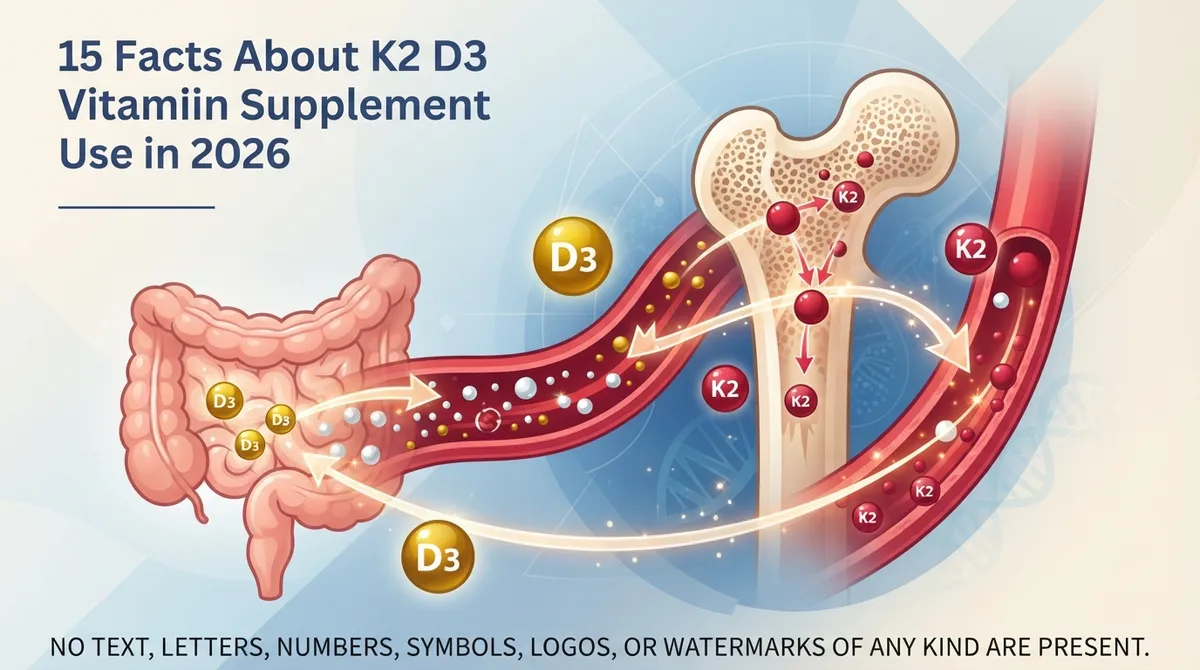
Before you buy a combination product, it helps to know the role of each nutrient. Both support the skeleton, but they work in different ways.
1. Vitamin D3 Helps You Absorb Calcium
Vitamin D3, also called cholecalciferol, is the form your skin makes from sunlight. It helps your gut absorb calcium and supports normal bone mineralization. Without enough vitamin D, even a calcium-rich diet may not do its job.
2. Vitamin K2 Activates Key Proteins
Vitamin K2 is part of the vitamin K family and is also called menaquinone. It helps activate proteins involved in blood clotting and bone metabolism. Research continues on how these proteins guide calcium in the body.
3. The Theory Behind Combining Them
The idea is simple. D3 helps you absorb more calcium. K2 may help direct that calcium toward bone. This is a plausible mechanism, which is why the pairing is popular. A plausible mechanism, however, is not the same as proven results.
4. You May Not Need Both Together
A combined supplement is marketed for bone and heart health. Current evidence does not show it is necessary for everyone. Many healthy adults meet their needs through food, sensible sun exposure, and a basic D3 supplement when needed.
What the Evidence Really Shows
This is where honest, primary-care guidance matters most. Marketing often runs ahead of research.
5. Biomarker Changes Are More Consistent Than Clinical Outcomes
A 2023 systematic review, summarized in a 2025 review, included 14 randomized trials of vitamin K2 formulations. Changes in lab markers were more consistent than evidence for meaningful clinical outcomes. In plain terms, K2 can shift certain numbers in a lab report. That does not always mean fewer fractures or heart events.
6. Fracture and Heart Protection Are Not Proven
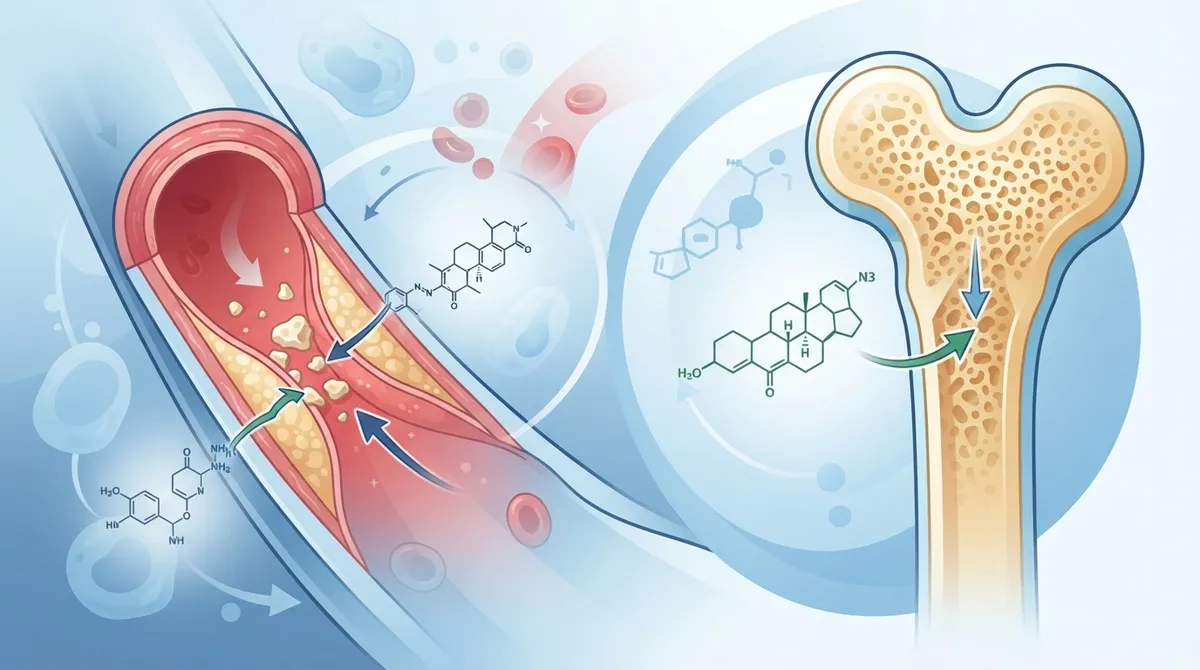
Evidence that taking D3 and K2 together prevents fractures, cardiovascular events, or artery calcification is not conclusive. Small trials and mechanism studies are promising. They do not yet support broad claims for every healthy person.
7. Blood Level Targets Are Not Universal
The 2024 Endocrine Society guideline stresses age- and risk-appropriate vitamin D intake. It does not endorse one universal blood-level target for disease prevention in generally healthy adults. Testing and supplementation should be individualized, especially for people with conditions that affect vitamin D absorption or metabolism.
How Much Is Safe to Take
More is not better with fat-soluble vitamins. Know the reference numbers before you start.
|
Nutrient |
Adult Reference Amount |
Upper Limit |
|---|---|---|
|
Vitamin D (through age 70) |
600 IU (15 mcg) daily RDA |
4,000 IU (100 mcg) daily from all sources |
|
Vitamin D (over age 70) |
800 IU (20 mcg) daily RDA |
4,000 IU (100 mcg) daily from all sources |
|
Vitamin K (men) |
120 mcg daily adequate intake |
No upper limit established |
|
Vitamin K (women) |
90 mcg daily adequate intake |
No upper limit established |
These figures come from the NIH Office of Dietary Supplements. Clinicians may prescribe higher short-term vitamin D doses for specific medical reasons. Do not self-prescribe high doses.
8. Vitamin D Can Build Up to Harmful Levels
Excess vitamin D can cause hypercalcemia, which is too much calcium in the blood, and hypercalciuria, which is too much calcium in the urine. Warning signs include:
- Nausea and weakness
- Confusion
- Excessive thirst and frequent urination
- In severe cases, kidney injury or abnormal heart rhythm
The NIH notes that blood levels of 25-hydroxyvitamin D above 125 nmol/L (50 ng/mL) may be linked to adverse effects. Overt toxicity usually appears at much higher levels, often above 375 nmol/L (150 ng/mL). High-dose or long-term use should be medically supervised.
9. Vitamin K Has No Set Upper Limit, But Caution Still Applies
No tolerable upper intake level has been set for vitamin K. That does not mean every dose is risk-free for every person. The next fact explains why.
Medication and Health Condition Warnings
10. K2 Can Interfere With Warfarin
This is the most important safety point. Vitamin K can substantially change how warfarin and similar vitamin K antagonist blood thinners work. If you take one of these medicines, talk to your prescriber before starting, stopping, or changing a K2 supplement. Keep your vitamin K intake consistent, and never adjust your anticoagulant dose on your own.
11. Vitamin D Can Interact With Other Medicines
Vitamin D supplements may interact with some medications, including orlistat, corticosteroids, and thiazide diuretics. A medication review is a simple step that prevents problems. Our prescription management tips can help you organize your list before an appointment.
12. Some Conditions Call for Extra Care
People with the following should seek clinical advice before using high doses:
- Kidney disease
- Hyperparathyroidism
- Granulomatous disorders such as sarcoidosis
- A history of calcium-related kidney stones
Testing, Quality, and Smart Buying
13. A Blood Test Can Replace Guesswork
Should you test before supplementing? For many people, yes, especially if you have risk factors such as limited sun exposure, darker skin, digestive disorders, obesity, or older age. A 25-hydroxyvitamin D result gives your clinician real data to guide a dose. This fits our primary care approach, where lab work and your history shape the plan. Many patients pair it with an annual physical exam to keep follow-up simple.
14. Supplements Are Not Pre-Approved by the FDA
Dietary supplements are not reviewed for safety and effectiveness before they reach shelves. Look for independent quality testing, such as USP or NSF certification. Keep in mind that certification confirms quality and label accuracy. It does not prove the product works.
15. Personalized Care Beats One-Size-Fits-All Stacks
The best plan reflects your age, diet, medications, lab results, and goals. Some patients choose deeper insight through DNA gene testing. Others focus on whole-body optimization with IV hydration and vitamin drips when clinically appropriate. Supplements should support, not replace, a foundation of nutrition, movement, and sleep. Our guide on what a wellness clinic does explains how this works in practice.
Who May Benefit Most From a Conversation
Different readers have different reasons for asking about this supplement. Here is a quick guide:
- Busy families: Ask your clinician before giving any vitamin D or K2 product to children. Dosing differs by age.
- Young adults and wellness explorers: Social media often promotes stacks with large doses. Start with a lab test, not a trend.
- Women focused on prevention: Bone health matters across the lifespan. A wellness visit can address calcium, vitamin D, and screening needs together. See what happens during an annual wellness visit.
- Adults over 50 and older adults: Higher fracture risk makes an individualized plan especially valuable, along with a medication check.
A Simple Step-by-Step Plan Before You Buy
- List every medication and supplement you take now, including blood thinners.
- Ask your clinician whether a vitamin D blood test makes sense for you.
- Review your food sources of vitamin D and K, such as fortified foods, fatty fish, eggs, leafy greens, and fermented foods.
- Choose a product with independent quality testing if a supplement is recommended.
- Recheck your levels and symptoms on the schedule your clinician suggests.
Following these steps keeps your routine safe and evidence-based. You can also explore our community updates on Instagram, follow wellness tips on TikTok, or stay connected through Facebook.
Your Next Step With InCare
A K2 D3 vitamin supplement can be a reasonable choice for some people. It is not a cure-all, and it is not right for everyone. The smartest move is a personalized review of your labs, medications, and goals. InCare combines modern technology with hands-on medical expertise to build prevention-focused plans in Tampa and Riverview. See what patients say by reading InCare reviews on Google, where we are proud to hold a 4.8 rating.
Ready to take the guesswork out of supplements? Book your appointment with InCare today, or contact our team with any questions. Your health plan should be built around you.
FAQs
Q: Is it better to take vitamin D3 with K2?
A: The pairing has a plausible mechanism, since D3 supports calcium absorption and K2 helps activate bone-related proteins. However, current evidence does not show that the combination is necessary for everyone or that it prevents fractures or heart disease. A clinician can help decide if it fits your needs.
Q: How much vitamin D3 should I take daily?
A: The U.S. recommended dietary allowance is generally 600 IU (15 mcg) through age 70 and 800 IU (20 mcg) after age 70. The adult upper limit is 4,000 IU (100 mcg) daily from all sources. Higher doses should only be taken under medical supervision.
Q: Can I take vitamin K2 with warfarin or another blood thinner?
A: Vitamin K can significantly change how warfarin and similar anticoagulants work. Speak with your prescriber before starting, stopping, or changing a K2 supplement, and keep your vitamin K intake consistent. Never adjust your blood thinner dose on your own.
Q: Should I get a vitamin D blood test before taking a supplement?
A: Testing is often helpful, especially if you have risk factors like limited sun exposure, older age, or digestive conditions that affect absorption. A 25-hydroxyvitamin D result lets your clinician personalize a safe dose rather than guess.
Q: What are the risks of taking too much D3 and K2?
A: Too much vitamin D can cause high blood calcium, with symptoms such as nausea, weakness, confusion, excessive thirst, and frequent urination. In severe cases it can lead to kidney injury or abnormal heart rhythm. Medication interactions are another concern, particularly with K2 and warfarin.