Key Takeaways
- Water retention from CJC-1295 is dose-dependent and more pronounced with longer-acting DAC formulations; most cases improve within days to weeks after dose reduction or discontinuation.
- CJC-1295 causes water retention by increasing growth hormone levels, which affects kidney sodium and fluid balance; swelling typically appears in hands, feet, face, and midsection areas.
- Water retention occurs in 1-10% of users and may cause temporary weight gain of 2-5 pounds; mild cases can be managed through sodium reduction, hydration, and light movement.
- Seek immediate medical attention for red flags including rapid weight gain, shortness of breath, chest discomfort, one-sided leg swelling, or edema persisting beyond 2 weeks after stopping use.
CJC-1295 has become a popular topic among wellness seekers exploring growth hormone-related peptide therapy. If you have researched this peptide, you may have come across reports of swelling, puffiness, or unexplained weight gain. Water retention is one of the most commonly discussed side effects, and it deserves a closer look before you make any decisions about your health.
This guide breaks down what water retention from CJC-1295 actually looks like, why it happens, and when it becomes a concern worth discussing with a doctor. Whether you are a busy professional curious about peptide therapy or someone who has already started a wellness protocol, understanding these facts can help you make safer, more informed choices. At InCare, our providers in Tampa and Riverview believe that education is the first step toward safe, effective wellness care.
1. CJC-1295 Is Designed to Raise Growth Hormone Levels
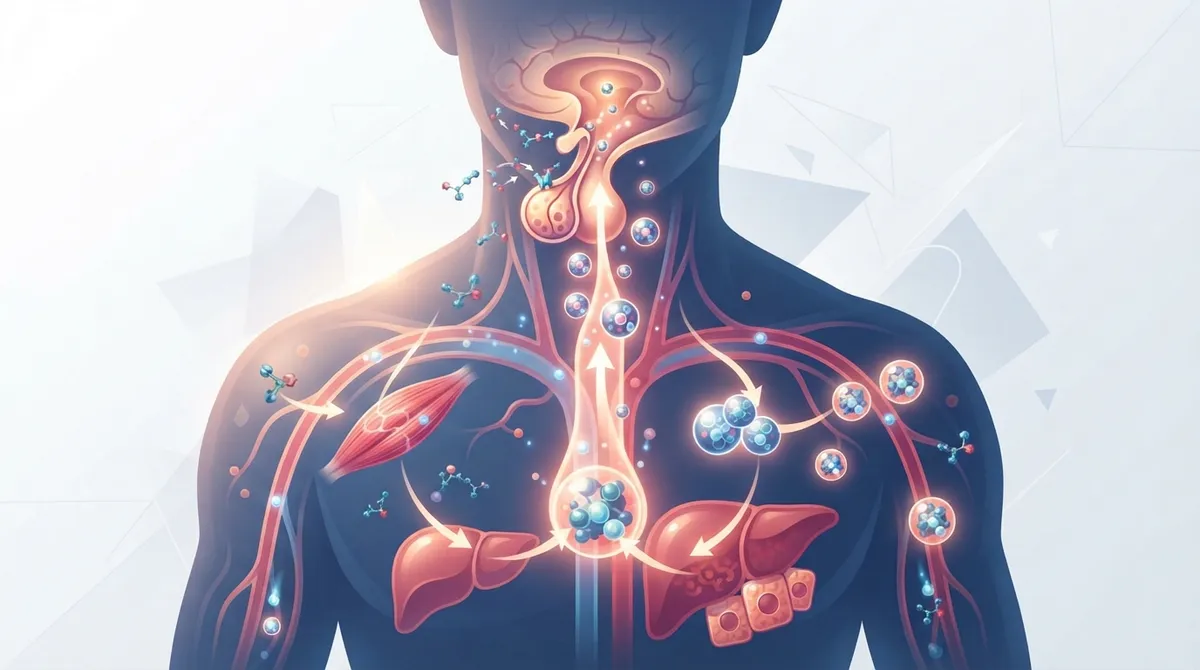
CJC-1295 works by stimulating your body to produce more growth hormone and IGF-1. These hormones support muscle repair, metabolism, and recovery. However, this same hormonal shift can also cause your body to hold onto extra sodium and water, which is where retention issues begin.
2. Water Retention Is a Known Side Effect of Growth Hormone Peptides
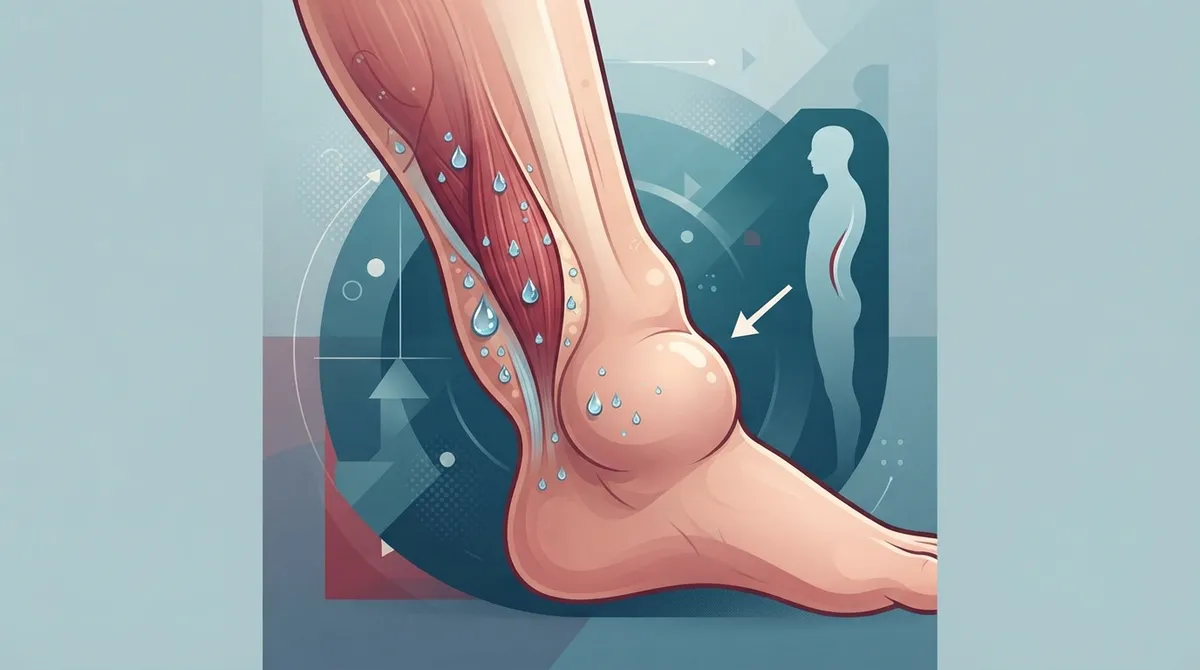
Water retention is generally considered a class effect of growth hormone-related compounds. This means it is not unique to CJC-1295 but shows up across similar peptides because of how they affect kidney function and sodium balance.
3. Swelling Often Shows Up in Specific Areas
Reported swelling from CJC-1295 tends to appear in predictable places. Users most often notice changes in these areas:
- Hands and fingers, especially in the morning
- Feet and ankles after standing or sitting for long periods
- Face, particularly around the eyes
- General bloating around the midsection
If you notice these signs, it is worth tracking when they occur and how long they last.
4. Water Retention Is Often Dose-Related
Research and clinical experience suggest that higher doses of CJC-1295 are more likely to cause fluid retention. People using lower doses for shorter periods tend to report fewer issues. This is one reason why working with experienced providers to determine proper dosing matters so much.
5. CJC-1295 DAC May Cause More Swelling Than Other Forms
CJC-1295 DAC (Drug Affinity Complex) has a longer duration of action in the body compared to standard CJC-1295. Because it keeps growth hormone levels elevated for a longer stretch, some sources describe it as more likely to cause fluid retention and bloating.
Comparing CJC-1295 Types and Water Retention Risk
|
Peptide Type |
Duration of Action |
Reported Water Retention Risk |
|---|---|---|
|
CJC-1295 (no DAC) |
Short-acting, hours |
Lower, dose-dependent |
|
CJC-1295 with DAC |
Long-acting, days |
Higher, more sustained |
6. Statistics Show Water Retention Occurs in a Meaningful Percentage of Users
A 2026 summary of CJC-1295 DAC side effects listed water retention and edema as occurring in about 1% to 10% of users in the cited clinical context. While this range is broad, it confirms that fluid retention is a real and documented concern rather than an isolated complaint.
7. Temporary Weight Gain May Accompany Water Retention
Some wellness-oriented summaries describe temporary weight changes of about 2 to 5 pounds linked to fluid retention. This number is not from large controlled trials, but it aligns with what many users report anecdotally. Understanding your baseline through body composition analysis can help you tell the difference between fat gain and fluid shifts.
8. Early Clinical Studies Reported Good Tolerability
Early clinical research on CJC-1295 tested doses between 30 and 60 micrograms per kilogram. These small trials reported that the peptide was generally well tolerated, with no notable serious adverse effects recorded. This does not mean side effects are impossible, but it offers some reassurance about short-term use under supervision.
9. Long-Term Safety Data Remains Limited
CJC-1295 is not approved by major regulators for routine human use. Because of this, long-term, large-scale human safety statistics are not available as of 2026. A 2026 review article described water retention as one of the most commonly reported adverse effects, though exact prevalence was not established in large studies.
10. Water Retention Usually Feels Like Puffiness or Stiffness
Many people describe CJC-1295 water retention as a feeling of tightness in the skin, stiffness in the joints, or a general sense of bloating. It is often mild and may fluctuate throughout the day, worsening after salty meals or long periods of inactivity.
11. Most Cases Improve After Stopping or Adjusting Use
In most reported cases, swelling from CJC-1295 tends to ease once the dose is lowered or the peptide is discontinued. If you have started a peptide therapy program, tracking your symptoms over one to two weeks after any change can help you see whether the swelling resolves.
Steps to Take If You Notice Water Retention
- Track when swelling occurs and how severe it feels each day.
- Reduce sodium intake and increase water consumption to support kidney function.
- Discuss your current dose with your provider before making changes on your own.
- Consider a temporary pause in therapy if swelling is significant.
- Schedule a follow-up visit to reassess your protocol and overall health.
12. Some Red Flags Require Immediate Medical Attention
Not all swelling is minor. Certain symptoms should prompt you to seek care right away. Watch for these warning signs:
- Rapid, unexplained weight gain over a few days
- Shortness of breath or difficulty breathing
- Chest discomfort or tightness
- Swelling in only one leg, which can signal a blood clot
- Edema that does not improve after stopping the compound
If you experience any of these symptoms, do not wait. Visit an urgent care facility or contact your primary care provider immediately.
13. Lifestyle Adjustments Can Help Manage Mild Retention
For milder cases, simple lifestyle changes often make a difference. Consider these strategies:
- Reduce processed foods high in sodium
- Stay well hydrated throughout the day
- Incorporate light movement or walking to support circulation
- Elevate your feet when sitting for long periods
- Ask your provider about IV hydration therapy to help restore fluid balance
14. A Wellness Checkup Can Rule Out Other Causes
Water retention is not always related to peptide use. Kidney issues, heart conditions, thyroid imbalances, and certain medications can all cause similar symptoms. A thorough primary care evaluation helps confirm whether CJC-1295 is truly the cause or whether another condition needs attention.
When to See a Doctor for Swelling
|
Symptom |
Action Recommended |
|---|---|
|
Mild puffiness in hands or feet |
Monitor and adjust lifestyle habits |
|
Swelling lasting more than 1-2 weeks |
Schedule a primary care visit |
|
One-sided leg swelling |
Seek urgent medical evaluation |
|
Shortness of breath with swelling |
Seek emergency care immediately |
15. Working With a Qualified Clinic Reduces Risk
Because CJC-1295 is not FDA-approved for routine use and long-term data is limited, working with a knowledgeable healthcare team matters. Providers who understand peptide protocols can help you weigh benefits against risks and monitor for early signs of complications. This is why many wellness seekers in Tampa and Riverview turn to InCare for guidance rather than pursuing peptide therapy on their own.
Our team also offers DNA gene testing and metabolic breath analysis to build a fuller picture of your health before starting any wellness protocol. This kind of comprehensive, data-driven approach helps reduce guesswork and supports safer outcomes.
How InCare Supports Safe Wellness Decisions
At InCare, we combine advanced diagnostics with personalized medical guidance. Our providers, including those featured on our providers page, take time to review your health history, current symptoms, and goals before recommending any treatment path. We believe informed patients make better decisions, and that starts with clear, honest conversations about risks like water retention.
Patients across Tampa and Riverview trust our team for thoughtful, whole-body care. You can read patient experiences and visit us on Google — InCare to see what others say about their visits. We also share educational updates and wellness tips on Facebook, Instagram, and Tik Tok to help our community stay informed between visits.
Final Thoughts on CJC-1295 Water Retention
Water retention from CJC-1295 is a documented, dose-related side effect that most people experience as mild puffiness or bloating. In most cases, it improves once the dose is adjusted or use is stopped. However, certain symptoms, like one-sided leg swelling or shortness of breath, require prompt medical attention.
If you are considering peptide therapy or have already started a protocol and noticed swelling, do not guess about the cause. Our team at InCare can evaluate your symptoms, review your current treatment, and help you find a safer path forward. Reach out to our team today to schedule a consultation, or book your appointment now to get personalized guidance from providers who understand whole-body wellness.
FAQs
Q: Does CJC-1295 cause water retention?
A: Yes, water retention is a commonly reported side effect of CJC-1295, particularly with higher doses or longer-acting DAC versions. It happens because growth hormone changes affect how your kidneys manage sodium and fluid balance.
Q: How long does CJC-1295 water retention last?
A: In most cases, swelling improves within days to a couple of weeks after lowering the dose or stopping use. If retention persists beyond two weeks, it is important to consult a primary care provider for further evaluation.
Q: What does CJC-1295 water retention feel like?
A: Many users describe it as puffiness in the hands, feet, or face, along with a general feeling of bloating or tightness in the skin. It is often mild but can fluctuate throughout the day.
Q: Is swelling from CJC-1295 dangerous?
A: Mild swelling is usually not dangerous, but certain signs like one-sided leg swelling, shortness of breath, or chest discomfort require immediate medical attention. These symptoms could indicate a more serious underlying issue.
Q: Is CJC-1295 safe to use long term?
A: Long-term, large-scale safety data on CJC-1295 is not currently available, since it is not approved by major regulators for routine human use. Anyone considering extended use should work closely with a qualified healthcare provider to monitor for side effects.