Key Takeaways
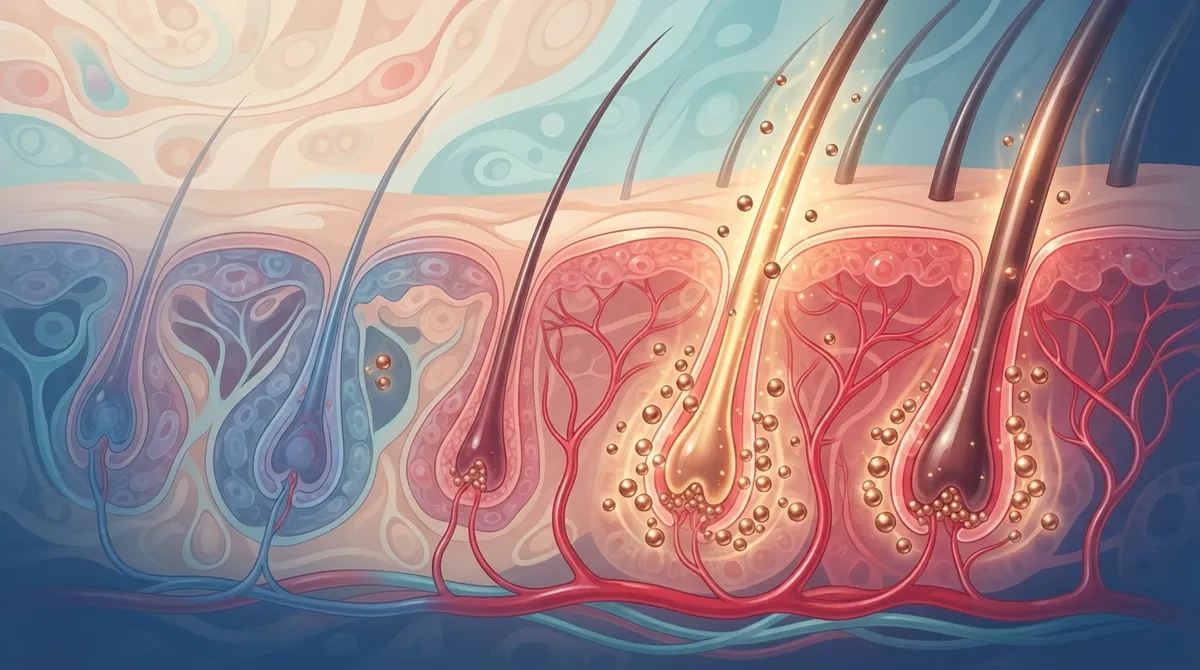
- GHK-Cu is a naturally occurring copper peptide that declines with age and may support hair growth by promoting follicle cell activity, improving blood vessel formation, and reducing inflammatory signaling in the scalp.
- Current evidence shows GHK-Cu works best for early-stage thinning hair, with visible density improvements typically appearing between 12-24 weeks of consistent topical use, but it should be viewed as complementary to proven treatments like minoxidil, not a replacement.
- Before starting any hair treatment, get a medical evaluation including bloodwork to identify underlying causes like thyroid problems or nutritional deficiencies, since treating the wrong condition wastes time and money.
- Topical GHK-Cu has a generally favorable safety profile with mild side effects, but injectable or systemic use remains experimental and requires medical supervision; combine it with other approaches like microneedling and proper nutrition for best results.
Thinning hair affects millions of people, and many are searching for options beyond traditional treatments. GHK-Cu, a copper peptide gaining attention in wellness circles, has become one of the most talked-about ingredients for supporting scalp health and hair density. But how much of the buzz is backed by real science, and how much is marketing hype?
This guide breaks down what GHK-Cu actually is, what the research shows, and how it fits into a bigger picture of hair health. Whether you are a busy parent noticing more hair in the shower drain or someone proactively optimizing your wellness routine, understanding the facts can help you make smarter choices. At InCare, our team in Tampa and Riverview helps patients explore evidence-based options for hair restoration as part of a whole-body approach to wellness.
1. GHK-Cu Is a Naturally Occurring Copper Peptide
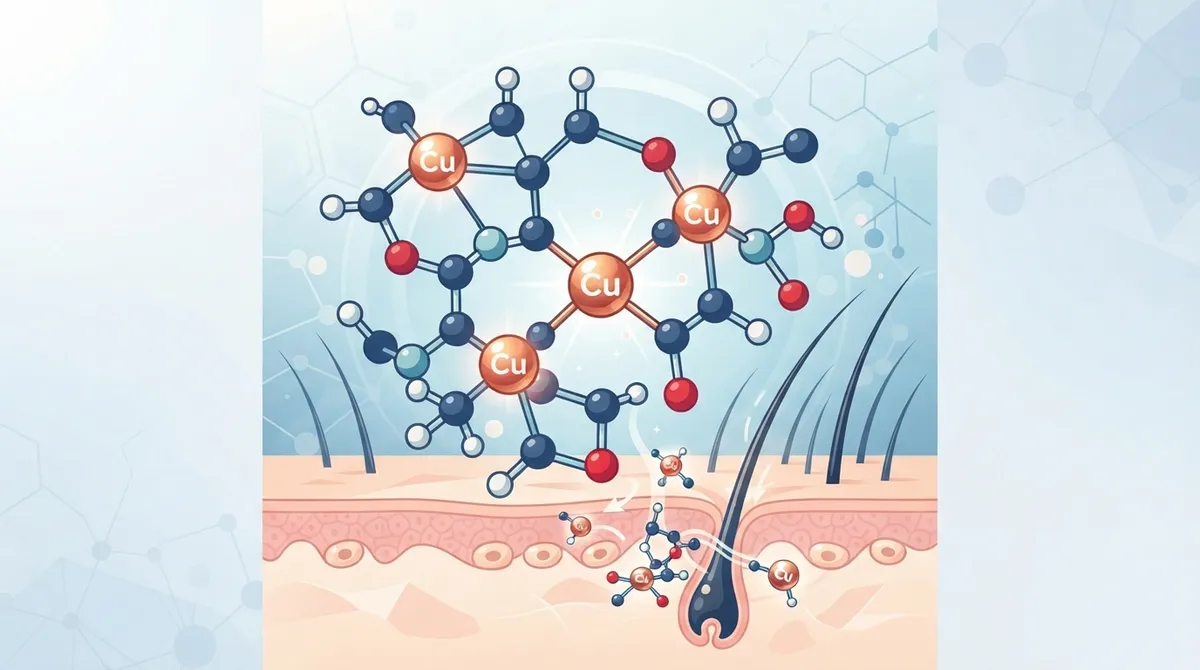
GHK-Cu stands for glycyl-L-histidyl-L-lysine copper. It is a small peptide that binds to copper and occurs naturally in human plasma, saliva, and urine. Levels of this peptide tend to decline with age, which is one reason researchers became curious about its role in tissue repair and skin health.
Because of its natural presence in the body, GHK-Cu has been studied for decades in wound healing and skin care before making its way into hair-focused products. Today it appears in some topical serums and scalp treatments marketed for thinning hair support.
2. The Science Behind How It May Work
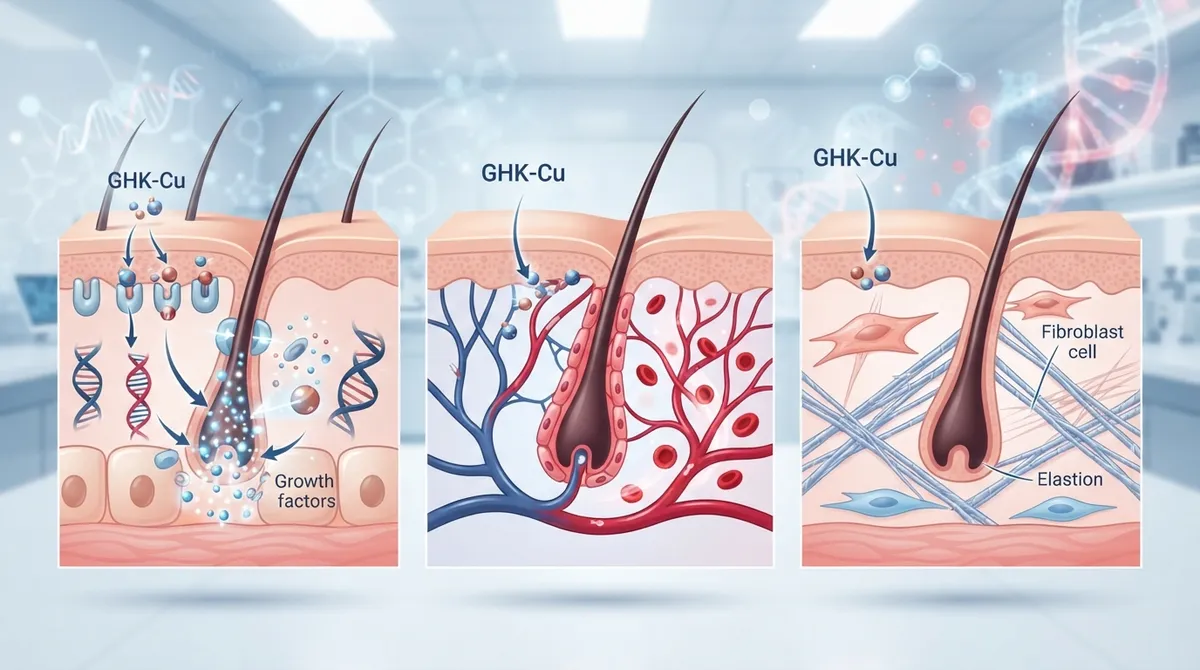
The strongest evidence for GHK-Cu and hair health comes from mechanistic research rather than large clinical trials. Studies suggest this peptide may influence several biological processes tied to hair growth.
- Supporting follicle cell proliferation, which may help keep hair in the growth phase longer
- Promoting angiogenesis, or new blood vessel formation, which can improve nutrient delivery to follicles
- Encouraging collagen production in the scalp, supporting a healthier follicle environment
- Reducing inflammatory signaling that can contribute to follicle miniaturization
These mechanisms are promising, but researchers note that lab-based findings do not always translate directly into consistent real-world results for every person.
3. What the Human Studies Actually Show
Human evidence for GHK-Cu exists, but it remains limited compared to established treatments. Most available data comes from small trials or studies testing combination products rather than GHK-Cu alone.
One frequently cited older study found that a topical GHK-Cu formulation improved hair density in men with androgenetic alopecia. The results were described as comparable to 5% minoxidil over a six-month period, though the sample size was small.
4. Key Statistics Worth Knowing
Recent reviews have compiled several data points that help set realistic expectations. The table below summarizes some of the most commonly cited figures.
|
Study or Report |
Timeframe |
Reported Result |
|---|---|---|
|
Topical GHK-Cu trial vs. minoxidil |
6 months |
Density improvement comparable to 5% minoxidil |
|
GHK-containing formulation RCT |
6 months |
Hair count increase of +71.5 vs. +9.6 for placebo |
|
Protocol summary, consistent topical use |
16 to 24 weeks |
Density improvement of roughly 12% to 20% |
|
Pilot literature review |
12 to 24 weeks |
Visible density changes reported |
|
150-day observation period |
150 days |
Reduced shedding, average of 12 more hairs per cm² |
It is worth noting that a 2026 evidence review confirmed no large randomized controlled trials of GHK-Cu as a standalone hair-loss treatment have been published to date.
5. Early-Stage Thinning Responds Better Than Advanced Baldness
Across the available literature, one pattern shows up consistently. Visible improvements from GHK-Cu tend to be gradual, and they are more likely in people with early-stage thinning rather than advanced hair loss.
This makes sense biologically. Follicles that are still active, even if miniaturized, have more potential to respond to supportive treatments. Follicles that have been dormant for years are much harder to revive with any topical approach.
6. How GHK-Cu Compares to Minoxidil
Many patients want to know if GHK-Cu can replace more established treatments. Based on current evidence, the answer is no. Reviews consistently describe GHK-Cu as a complementary or adjunctive option rather than a proven substitute.
|
Factor |
GHK-Cu |
Minoxidil (5%) |
|---|---|---|
|
Evidence base |
Small trials, mechanistic data |
Decades of large clinical trials |
|
FDA status for hair loss |
Not FDA-approved for this use |
FDA-approved |
|
Typical use case |
Complementary support |
Standalone or first-line treatment |
|
Reported side effects |
Generally mild for topical use |
Scalp irritation, unwanted facial hair in some cases |
7. Typical Timeline for Seeing Results
Patience matters when trying any hair support product. Based on the available research, here is a general timeline patients can expect.
- Weeks 1 to 4: No visible changes yet; cellular activity may be occurring beneath the surface.
- Weeks 8 to 12: Some users report reduced shedding during this window.
- Weeks 12 to 24: Density improvements, when they occur, typically become noticeable in this range.
- Months 5 and beyond: Continued consistent use appears necessary to maintain any gains.
These timelines align with what is seen in most topical hair treatments, where new growth cycles take months to become visible.
8. Safety Considerations for Topical Use
Safety data for topical GHK-Cu use appears relatively favorable in current wellness summaries. Most reported side effects are mild and may include temporary redness, itching, or irritation at the application site.
However, injectable or systemic use of GHK-Cu remains experimental and raises more safety concerns. Anyone considering a treatment beyond topical application should discuss it with a licensed medical provider first. This is one reason working with an established primary care team matters when exploring newer wellness options.
9. Who Might Consider GHK-Cu Hair Products
Certain groups may find GHK-Cu products worth discussing with a provider, including those who fit these descriptions.
- People in the early stages of thinning hair or reduced density
- Individuals already using minoxidil who want an additional supportive layer
- Patients interested in combining copper peptides with microneedling or other scalp treatments
- Those looking for options with a generally mild topical safety profile
People with advanced baldness, active scalp infections, or known copper sensitivities should speak with a provider before starting any new topical regimen.
10. GHK-Cu and Combination Approaches
Many providers view GHK-Cu as one piece of a larger hair health strategy rather than a standalone solution. It is sometimes used alongside other approaches for a more complete effect.
- Topical GHK-Cu serums applied to the scalp
- Microneedling to improve product absorption and stimulate the scalp
- Nutritional support, including adequate protein, iron, and vitamin D
- Medical treatments such as minoxidil or finasteride when appropriate
- Regular follow-up with a primary care provider to track progress and rule out underlying causes
Combining approaches under medical guidance tends to produce more consistent outcomes than relying on any single product alone.
11. Ruling Out Underlying Causes First
Hair thinning is not always a cosmetic issue. It can signal thyroid problems, nutritional deficiencies, hormonal shifts, or chronic stress. Before investing time and money into any topical treatment, it makes sense to identify what is actually driving the hair loss.
A thorough evaluation, including bloodwork and a review of medical history, can uncover issues that a serum alone will never fix. Our team offers DNA gene testing and comprehensive lab work to help pinpoint contributing factors before recommending a treatment path.
12. Why a Medical Evaluation Matters More Than a Product Choice
It is tempting to order a serum online and hope for the best. But hair loss has many possible causes, and treating the wrong one wastes time. A medical evaluation helps confirm whether androgenetic alopecia, telogen effluvium, or another condition is at play.
Providers can also check for interactions with current medications or supplements. This step is especially important for patients managing chronic conditions, since some treatments for other health issues can also affect hair growth.
13. What to Ask During a Hair Restoration Consultation
When meeting with a provider about thinning hair, it helps to come prepared with specific questions. Consider raising these points during your visit.
- What is likely causing my hair thinning based on my labs and history?
- Would GHK-Cu be a reasonable addition to my current routine?
- Are there other treatments, such as PRP or prescription options, that fit my situation better?
- How long should I expect to wait before evaluating results?
- Are there lifestyle changes that could support better outcomes?
A good provider will walk through each of these points honestly, including what is well supported by evidence and what remains uncertain.
14. Setting Realistic Expectations Moving Forward
GHK-Cu offers a scientifically interesting option for people exploring hair regrowth support. The mechanistic research is compelling, and some human studies show encouraging density improvements. But it should be viewed as a complementary tool, not a guaranteed fix or replacement for proven treatments.
Patients who approach hair thinning with realistic expectations, medical guidance, and patience tend to have the best experience. For residents in Tampa and Riverview searching for a team that takes a whole-body approach to this issue, our providers are ready to help you build a plan grounded in evidence rather than trends.
Our patients often share their experiences on social media, where you can see real stories from people who have worked with our team. Follow us on Facebook, check out patient updates on Instagram, or see quick wellness tips on Tik Tok. You can also visit us on Google — InCare to read reviews from patients across Tampa and Riverview.
If thinning hair has been on your mind, do not wait to get answers. Reach out to our team to discuss your options, or go ahead and book your appointment now to start building a hair health plan that fits your goals.
FAQs
Q: What is GHK-Cu and how does it work for hair regrowth?
A: GHK-Cu is a naturally occurring copper peptide studied for its ability to support follicle cell activity, blood vessel formation, and collagen production in the scalp. These mechanisms may help create a healthier environment for hair growth, though most supporting evidence comes from small studies rather than large clinical trials.
Q: Does GHK-Cu really help with hair loss?
A: Some small human studies and pilot reports suggest GHK-Cu can improve hair density and reduce shedding, with one older trial showing results comparable to 5% minoxidil. However, no large randomized controlled trials have confirmed GHK-Cu as a standalone hair-loss treatment, so results can vary.
Q: Is GHK-Cu better than minoxidil for hair regrowth?
A: GHK-Cu should not be considered a replacement for minoxidil at this time. It is best viewed as a complementary option that may support results alongside established treatments, since minoxidil has a much larger and more established body of clinical evidence.
Q: How long does GHK-Cu take to work on hair?
A: Most reported improvements take between 12 and 24 weeks of consistent topical use to become noticeable. Some studies report reduced shedding as early as 8 to 12 weeks, but full density changes generally require several months of continued use.
Q: Is GHK-Cu safe for long-term scalp use?
A: Topical GHK-Cu generally has a favorable safety profile in current wellness literature, with mild side effects like irritation being most common. Injectable or systemic use is considered more experimental, so any long-term plan should be discussed with a licensed medical provider.