Key Takeaways
- Kisspeptin is not FDA-approved for erectile dysfunction and remains investigational; men should rely on evidence-based treatments like PDE5 inhibitors and lifestyle changes available through primary care providers.
- The strongest human evidence comes from a 2023 trial of only 32 men with low sexual desire (not classic ED), showing a single IV infusion increased penile tumescence by 56% compared to placebo—but long-term effectiveness is unproven.
- Kisspeptin affects brain arousal pathways and desire rather than penile blood flow like standard ED medications, making it potentially useful for different conditions; erections depend on blood flow, nerves, hormones, and mental health working together.
- Buying kisspeptin online carries serious risks since products are unregulated with unverified purity and dosing; a thorough medical evaluation can identify underlying causes like cardiovascular disease, diabetes, or medication side effects that actually improve ED when treated.
Erectile dysfunction affects millions of men, and many are searching for new options beyond standard pills. Kisspeptin has recently gained attention online as a possible answer. But what does the science actually say? This guide breaks down the real research behind kisspeptin and erectile dysfunction, so you can separate hope from proven fact.
At InCare, our primary care team believes patients deserve honest, evidence-based information before trying any new treatment. Below are 14 key facts every man should know about kisspeptin, sexual desire, and erectile function in 2026.
1. Kisspeptin Is a Natural Hormone Messenger
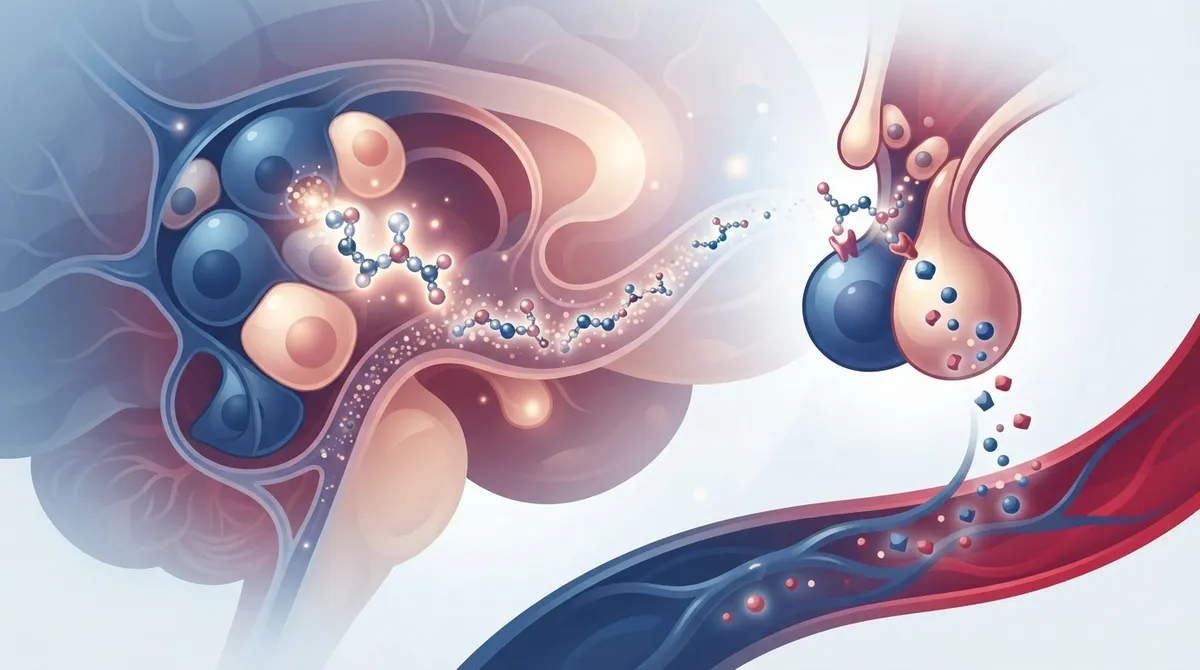
Kisspeptin is a neuropeptide made in the brain. It plays a central role in the hypothalamic-pituitary-gonadal axis, the system that controls reproductive hormones. Kisspeptin stimulates the release of gonadotropin-releasing hormone (GnRH), which then raises luteinizing hormone and testosterone levels.
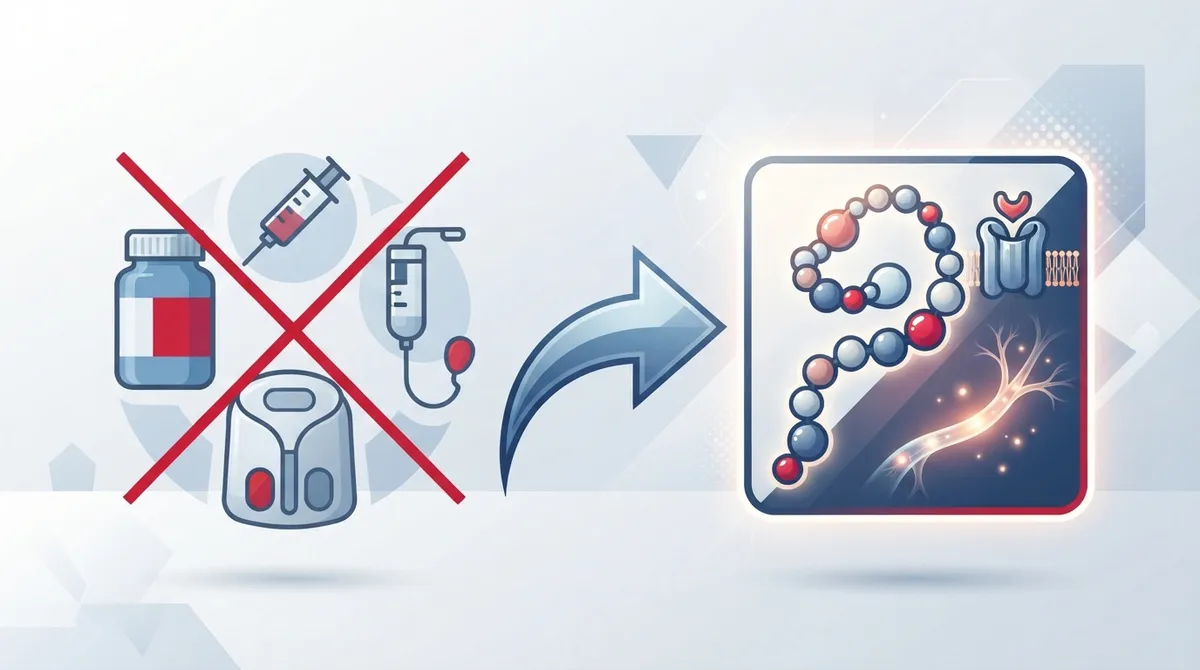
2. It Is Not a Standard Erectile Dysfunction Treatment
Despite growing interest, kisspeptin is not an approved or routinely prescribed therapy for erectile dysfunction. It remains investigational. Men dealing with erection problems should still rely on evidence-based options available through a trusted primary care provider.
3. The Key Study Focused on Low Desire, Not Classic ED
The strongest human evidence comes from a 2023 randomized, double-blind, placebo-controlled crossover trial. It included 32 men diagnosed with hypoactive sexual desire disorder (HSDD), not men with vascular or general erectile dysfunction. This distinction matters a lot when interpreting the results.
4. How the Study Was Designed
Researchers used a two-visit crossover design. Each participant received kisspeptin and a placebo infusion at least seven days apart. This design helps reduce bias, since each man served as his own comparison.
- Average participant age: approximately 38 years
- Total participants: 32 men
- Kisspeptin-54 given intravenously at 1 nmol/kg/hour
- Infusion lasted 75 minutes
- Brain activity and penile response measured during erotic visual stimuli
5. Penile Tumescence Increased During the Trial
The study reported a notable finding: penile tumescence increased by up to 56% compared to placebo. The mean difference was 0.28 units, with a 95% confidence interval of 0.04 to 0.52 (P=.02). This shows a statistically real effect, though it happened during a single infusion, not long-term use.
6. Brain Activity Related to Sexual Arousal Also Changed
Brain imaging showed increased activity in areas tied to sexual processing. This suggests kisspeptin may influence how the brain interprets arousal and desire, not just blood flow to the penis. That is a key difference from typical erectile dysfunction medications.
7. "Happiness About Sex" Score Improved
Researchers also measured a behavioral outcome called "happiness about sex." This score improved with a mean difference of 0.63 points (95% CI, 0.10 to 1.15, P=.02). This hints at effects on mood and satisfaction, not just physical response.
8. Kisspeptin and Testosterone Are Linked, But It Is Complicated
Kisspeptin reliably raises luteinizing hormone, which can boost testosterone. However, having more testosterone does not automatically fix erectile dysfunction. Erections depend on blood flow, nerve function, mental health, and hormone balance working together.
|
Factor |
Kisspeptin Research Focus |
Standard ED Treatment Focus |
|---|---|---|
|
Primary Target |
Brain arousal & desire pathways |
Penile blood flow |
|
Population Studied |
Men with low sexual desire (HSDD) |
Men with diagnosed ED |
|
Approval Status |
Investigational only |
FDA-approved (PDE5 inhibitors) |
|
Delivery Method |
IV infusion in trials |
Oral tablets |
|
Evidence Level |
One small acute trial |
Decades of large trials |
9. Erectile Dysfunction Has Many Possible Causes
Before assuming a hormone or peptide issue, doctors look at the full picture. A thorough evaluation is essential because ED is rarely caused by just one thing.
- Cardiovascular disease and poor circulation
- Diabetes and high blood sugar
- Obesity and metabolic syndrome
- High blood pressure
- High cholesterol
- Certain medications
- Low testosterone
- Depression or anxiety
- Relationship stress
- Sleep disorders like sleep apnea
- Neurologic or urologic conditions
This is why a full annual wellness visit and honest conversation with your doctor matter so much.
Why This Matters for Diagnosis
Jumping straight to an unproven peptide skips important steps. A proper workup can catch heart disease, diabetes, or hormone problems early. Addressing the root cause often improves both erectile function and overall health.
10. Desire vs. Erection: Two Different Problems
It helps to understand the difference between low sexual desire and erectile dysfunction. They can overlap, but they are not the same condition.
- Low desire: reduced interest in sex, often tied to mood, hormones, or brain chemistry
- Erectile dysfunction: difficulty getting or keeping an erection, often tied to blood flow or nerve issues
- PDE5 inhibitors mainly help with blood flow, not desire
- Kisspeptin research has focused more on desire and brain arousal signals
- Some men have both problems at once and need a combined approach
11. No FDA Approval Exists for This Use
As of 2026, kisspeptin is not approved by the FDA or any major regulator for treating erectile dysfunction or low desire. A 2025 review of male sexual desire and erectile function described the evidence as one acute trial, with a conditional recommendation and moderate-quality evidence. Researchers agree more studies are needed before it becomes a real treatment option.
12. Buying Kisspeptin Online Carries Real Risks
Unapproved kisspeptin products sold online are not medically supervised. Purity, dosing, and safety cannot be verified. Long-term safety data simply does not exist yet. Men should avoid self-treating with unregulated peptides and instead talk to a licensed provider.
What a Safe Evaluation Looks Like
A responsible approach starts with blood work, a physical exam, and an honest health history. Providers at InCare's Tampa and Riverview locations offer this kind of thorough, judgment-free evaluation for men experiencing sexual health concerns.
13. Evidence-Based Treatments Remain the Standard
While research on kisspeptin continues, proven treatments are already available and effective for most men.
- Lifestyle changes: weight loss, exercise, and better sleep
- Managing chronic conditions like diabetes and high blood pressure
- PDE5 inhibitors, when appropriate and prescribed by a doctor
- Hormone testing and treatment if low testosterone is confirmed
- Mental health support for stress, anxiety, or depression
- Reviewing current medications that may contribute to ED
Programs like medically supervised weight loss can also improve circulation and hormone balance, which often helps erectile function naturally.
14. Talk to a Doctor Before Trying Anything New
The most important takeaway is simple: kisspeptin is promising research, not a ready-made cure. Men noticing changes in desire or erections should get checked by a primary care provider first. This helps rule out serious health issues and opens the door to treatments that actually work today.
InCare's team, including providers like Dr. Naveen Paddu and Dr. Pramjeet Ahluwalia, takes a whole-body approach to men's health. This means looking at hormones, heart health, weight, and mental wellness together, not just treating one symptom in isolation.
How InCare Approaches Men's Sexual Health
InCare combines advanced testing with compassionate, judgment-free care. Services like DNA gene testing and body composition analysis help identify underlying factors that may affect sexual function, energy, and overall vitality.
Patients trust InCare because of its reputation for thorough, caring service. You can Visit us on Google — InCare to read real patient experiences from our Tampa and Riverview communities. Many reviews highlight the friendly staff and the attentive, science-based care our providers deliver every day.
For more health tips and updates, follow InCare on Facebook, Instagram, and TikTok.
Frequently Searched Concerns About Kisspeptin and ED
Many patients want quick, honest answers before their appointment. Below we address the most common questions we hear at our clinic.
What Should You Do Next?
If erectile dysfunction or low desire is affecting your life, do not wait or self-treat with unproven products. A proper evaluation can identify the real cause and lead to a treatment plan that works. Our team also offers guidance on related concerns through peptide therapy consultations for patients curious about emerging wellness options.
Ready to get answers about your sexual health? Reach out to our care team today, or schedule your appointment now to start your evaluation with a trusted InCare provider in Tampa or Riverview.
FAQs
Q: Can kisspeptin treat erectile dysfunction?
A: Kisspeptin is not an approved erectile dysfunction treatment. A small 2023 trial showed increased penile tumescence in men with low sexual desire during a single infusion, but this does not prove it treats standard ED. More research is needed before it becomes a clinical option.
Q: What is the connection between kisspeptin, testosterone, libido, and erections?
A: Kisspeptin stimulates GnRH release, which raises luteinizing hormone and can increase testosterone. Testosterone influences libido, but erections depend on many other factors like blood flow and nerve health. Higher testosterone alone does not guarantee improved erectile function.
Q: Does kisspeptin work better for low sexual desire than for erectile dysfunction?
A: Current research suggests kisspeptin's strongest effects involve brain-based sexual arousal and desire rather than direct erectile function. The main human trial studied men with hypoactive sexual desire disorder, not classic erectile dysfunction, so its use for ED remains unproven.
Q: Is kisspeptin approved by the FDA for erectile dysfunction?
A: No. Kisspeptin has no FDA approval or regulatory clearance for treating erectile dysfunction or low sexual desire. It remains an investigational compound studied only in small clinical trials as of 2026.
Q: What should a primary care doctor evaluate before treating erectile dysfunction?
A: A thorough evaluation should include heart health, blood sugar, cholesterol, blood pressure, testosterone levels, medications, mental health, and sleep quality. Erectile dysfunction is often linked to underlying conditions that need proper diagnosis and treatment.