Key Takeaways
- Topical GHK-Cu has the strongest safety profile with adverse events below 1.8% in cosmetic trials, while injectable use carries significantly higher risks including injection-site induration (4%-31%) and compounding quality concerns.
- GHK-Cu is not FDA-approved as a finished drug product, so quality, concentration, and purity vary significantly between compounding pharmacies—choosing a reputable source with third-party testing is essential for safety.
- GHK-Cu should be treated as an adjunctive wellness ingredient for skin rejuvenation and scalp support, not a cure or substitute for a complete skincare plan including sun protection, hydration, and nutrition.
- Consult a licensed primary care provider before trying compounded GHK-Cu to discuss your health history, confirm the product's concentration and sourcing, and monitor for reactions—avoid unverified online sellers.
- Natural GHK-Cu levels decline with age, which is why supplemental topical use has gained interest among people focused on healthy aging, though results vary and should be combined with other evidence-based wellness services.
- Injectable or systemic GHK-Cu use has far less safety data and more regulatory concerns than topical application, making topical cream or serum formulations the more studied and generally better-tolerated option for consumers.
Copper peptides have moved from niche skincare labs into mainstream wellness conversations, and GHK-Cu compounded formulas are at the center of that shift. Patients researching skin rejuvenation, hair support, and healthy aging keep running into this ingredient, but the details around sourcing, safety, and realistic expectations often get lost. This guide breaks down what compounded GHK-Cu actually is, how it is used in wellness settings, and what current evidence says about its benefits and limits. Whether you are a busy parent curious about safer skincare options, a wellness-focused professional exploring advanced treatments, or simply someone who wants clear facts before trying a new product, this article gives you a grounded, medically informed overview. We also explain why working with a licensed primary care and wellness clinic matters more than buying from an unregulated online seller. At InCare, our providers in Tampa and Riverview take a cautious, evidence-based approach to emerging wellness ingredients like GHK-Cu, helping patients separate solid science from marketing hype.
What Is GHK-Cu Compounded?
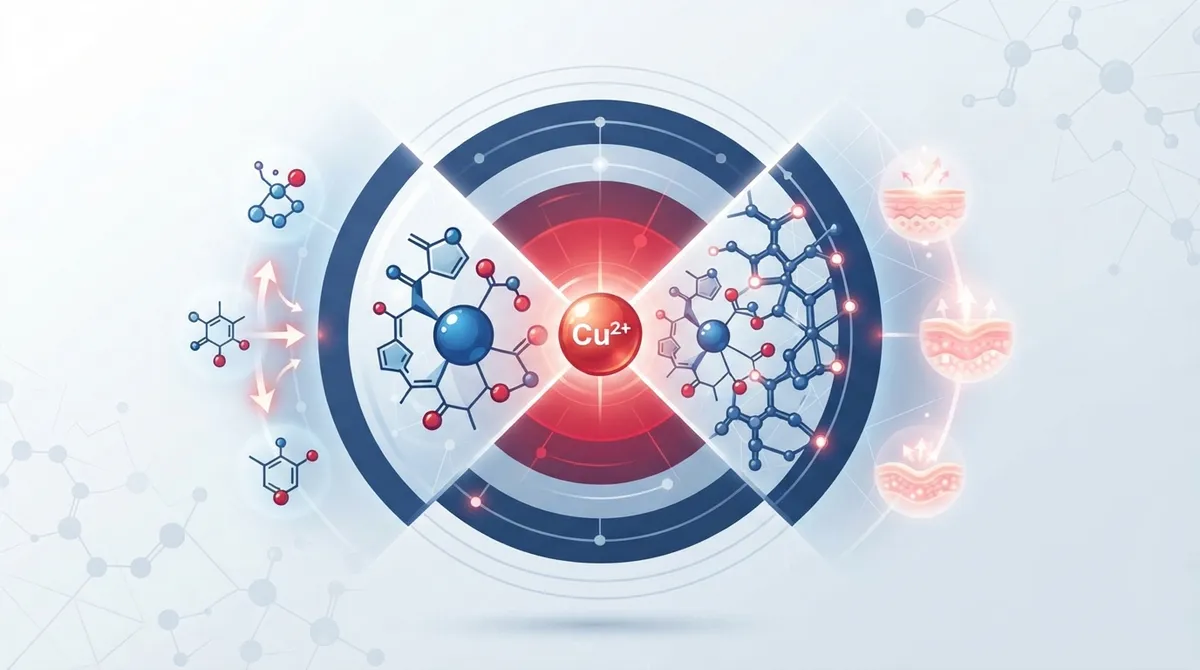
GHK-Cu is a naturally occurring copper peptide made of three amino acids: glycine, histidine, and lysine, bound to a copper ion. Your body produces small amounts of this peptide naturally, but levels decline with age. Compounded GHK-Cu refers to custom-made versions of this peptide, usually prepared by specialty pharmacies rather than sold as a mass-market product.
In wellness and primary care settings, compounded GHK-Cu is most often formulated as a topical cream or serum. It is rarely offered as an injectable product through licensed medical practices, largely because injectable compounding raises more safety questions than topical use.
Why "Compounded" Matters
Because GHK-Cu is not an FDA-approved finished drug product, its availability depends entirely on compounding pharmacies and the regulations that govern them. This means quality, concentration, and purity can vary significantly between suppliers. Choosing a reputable source is not optional — it is essential for safety.
14 Key Facts About GHK-Cu Compounded
Here is a numbered breakdown of what patients should understand before considering any GHK-Cu product.
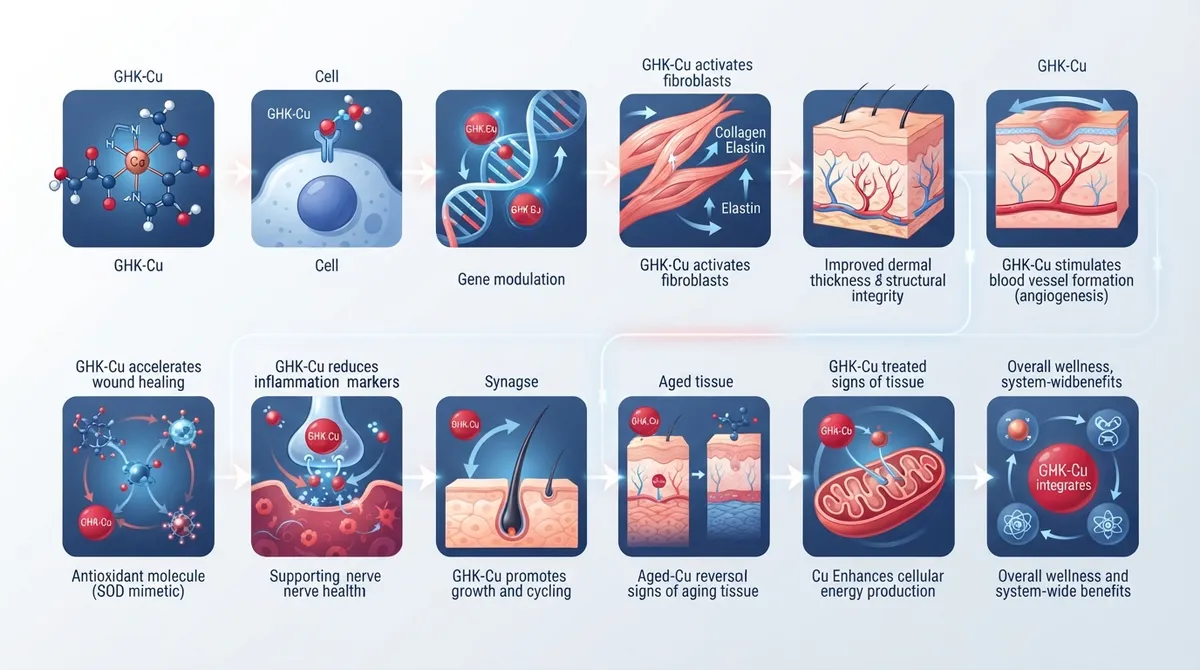
- It is a copper peptide, not a synthetic drug. GHK-Cu occurs naturally in human plasma, saliva, and urine, though concentrations drop as people age.
- Topical use has the strongest evidence. Most human research on GHK-Cu focuses on skin creams and serums rather than systemic or injectable use.
- It has been used in cosmetics since the 1990s. Published reviews reference more than two decades of topical experience in skincare formulations.
- Common uses include skin rejuvenation. Wellness clinics often discuss GHK-Cu in the context of fine lines, skin texture, and overall skin health.
- Hair and scalp support is another marketed use. Some compounded formulations target scalp health alongside skin benefits.
- It is studied for antioxidant activity. Research has examined GHK-Cu's role in reducing oxidative stress at the cellular level.
- Anti-inflammatory properties have been reported. Some laboratory studies suggest GHK-Cu may help calm inflammatory processes in skin tissue.
- Wound-healing research exists but is limited. Early studies explore GHK-Cu's potential role in tissue repair, though this is not a standard treatment protocol.
- Injectable use has far less safety data. Systemic or injectable GHK-Cu carries more regulatory concern due to limited clinical characterization.
- Compounding quality issues are a real risk. Impurities, aggregation, sterility problems, and possible immune reactions have all been flagged in reviews of compounded injectable peptides.
- It is not FDA-approved as a finished drug. This means no standardized, agency-reviewed version of GHK-Cu currently exists for prescription use.
- Topical side effects are typically mild. Reviews describe redness, irritation, or tingling as the most common reactions.
- Adverse event rates in topical trials are low. A cited 2020 review found reported adverse events below 1.8% in cosmetic trial data.
- It should be viewed as adjunctive, not a cure. Primary care providers generally treat GHK-Cu as a supportive wellness ingredient, not a proven disease treatment.
How GHK-Cu Is Typically Used in Wellness Settings
Most patients encounter GHK-Cu compounded as a topical cream or serum applied directly to the skin. This is different from injectable peptide protocols used for other wellness goals, and the distinction matters for safety and expectations.
Topical Applications
- Facial serums marketed for fine lines and skin firmness
- Scalp treatments intended to support hair thickness
- Post-procedure skin recovery formulations
- General anti-aging skincare routines
Less Common and Higher-Risk Uses
- Subcutaneous injections offered outside regulated medical settings
- Systemic formulations with limited safety characterization
- Unverified online products lacking third-party testing
Patients interested in advanced skin and wellness options should discuss goals with a licensed provider rather than self-administering unverified products. Our team can walk you through options during a consultation, and you can reach out to our care team to ask questions before starting anything new.
Safety Profile: Topical vs Injectable Use
Understanding the safety differences between application methods is critical. The table below summarizes what current research and clinical reviews indicate.
|
Use Type |
Reported Side Effects |
Evidence Strength |
Regulatory Status |
|---|---|---|---|
|
Topical cream/serum |
Mild redness, irritation, tingling (1.8%-3.2%) |
Strongest, decades of cosmetic use |
Cosmetic ingredient, not FDA drug-approved |
|
Subcutaneous injection |
Injection-site induration (4%-31%) |
Limited, mostly observational |
Compounded only, regulatory concerns noted |
|
Systemic/oral |
Not well characterized |
Minimal human data |
Not an approved finished product |
These numbers come from cited reviews of cosmetic and observational studies, and they highlight why topical use remains the more studied and generally better-tolerated option.
Common Questions Patients Ask Their Primary Care Providers
Patients considering GHK-Cu compounded often bring similar questions into their primary care visits. Below are the topics that come up most frequently.
Is Compounded GHK-Cu Regulated the Same Way as Prescription Drugs?
No. Because GHK-Cu is not an FDA-approved finished drug product, its availability depends on compounding pharmacy rules rather than standard drug approval pathways. This makes provider guidance and reputable sourcing especially important.
Can GHK-Cu Replace a Full Skincare or Wellness Plan?
No. It should be considered an adjunctive ingredient, not a substitute for a complete plan that may include sun protection, hydration, nutrition, and other evidence-based skincare steps discussed during a wellness visit.
Does Age Affect How Well GHK-Cu Works?
Natural GHK-Cu levels decline with age, which is part of why interest in supplemental use has grown among people focused on healthy aging and skin support.
Steps to Take Before Trying GHK-Cu Compounded Products
If you are considering a compounded GHK-Cu product, follow these steps to protect your health and get realistic results.
- Schedule a consultation with a licensed primary care or wellness provider to discuss your goals.
- Ask about the compounding pharmacy's quality standards and sourcing practices.
- Request information on concentration and formulation type (cream, serum, or otherwise).
- Discuss your full health history, including any copper sensitivity or skin conditions.
- Start with topical products before considering any other route of administration.
- Monitor your skin for redness, irritation, or unexpected reactions during initial use.
- Follow up with your provider to evaluate results and adjust your plan as needed.
Why Provider Guidance Matters More Than Online Shopping
Many wellness ingredients, including GHK-Cu, are sold directly to consumers online without any medical oversight. This creates real risks: unverified purity, incorrect dosing, and no professional monitoring if a reaction occurs. A licensed clinic can evaluate whether a compounded product fits your health profile and goals.
InCare's providers, including those featured on our providers page, take a whole-body approach to wellness that considers your full medical picture rather than treating skin or hair concerns in isolation. This is especially relevant for patients also exploring services like DNA gene testing or body composition analysis, since a complete wellness strategy works best when coordinated by one trusted team.
How GHK-Cu Fits Into a Broader Wellness Strategy
Skin and hair concerns rarely exist in isolation. Patients focused on aging well often benefit from combining topical strategies with other evidence-based services.
- Comprehensive cancer screenings to catch issues early
- IV hydration and vitamin drips to support overall energy and skin hydration
- Hair restoration consultations for more targeted scalp concerns
- Medically supervised weight loss programs that support whole-body health
- Routine primary care visits to track how skin and hormone changes relate to overall health
According to the National Center for Biotechnology Information, peptide research continues to expand rapidly, though most published human trials remain small in scale. This reinforces why working with an experienced clinic matters when evaluating any compounded peptide product.
What Makes a Trustworthy GHK-Cu Compounding Source
Not all compounding pharmacies operate at the same standard. Look for these markers of quality before choosing a product.
- Third-party purity and potency testing available on request
- Clear labeling of concentration and ingredient sourcing
- Compliance with state pharmacy board regulations
- A prescribing provider who reviews your health history first
- Transparent communication about limitations and realistic expectations
Clinics that prioritize these standards tend to offer safer, more consistent results. This is one reason patients across Tampa and Riverview continue to choose InCare for wellness guidance rather than relying solely on unverified online retailers.
Local Access to Wellness Guidance in Tampa and Riverview
Patients in the Tampa Bay area have convenient access to primary care and wellness support through InCare's two physical locations, plus virtual telemedicine visits for added flexibility. Many patients discover wellness topics like GHK-Cu compounded creams during a routine visit, then decide together with their provider whether it fits their goals.
You can also follow ongoing wellness education and patient updates through InCare's Facebook page, browse patient experiences on Instagram, or catch quick wellness tips on Tik Tok. For a closer look at what other patients think of their care experience, you can also visit us on Google — InCare to read reviews from real patients in the community.
Final Thoughts on GHK-Cu Compounded Products
GHK-Cu compounded formulas offer an interesting option for patients interested in skin health and hair support, but they are not a miracle solution. Topical use has the strongest safety record, while injectable or systemic use still carries more uncertainty and regulatory concern. The smartest approach is working with a licensed provider who can evaluate your health, source a quality product, and set realistic expectations from the start.
If you are curious whether compounded GHK-Cu or another wellness service fits your health goals, our team is ready to help you sort fact from marketing. Reach out to get in touch with our care team or go ahead and schedule your visit today to start a conversation grounded in real medical expertise, not guesswork.
FAQs
Q: What is compounded GHK-Cu used for?
A: Compounded GHK-Cu is most commonly used as a topical cream or serum for skin rejuvenation and scalp support. It is marketed for reducing the appearance of fine lines and supporting overall skin health, with far less evidence supporting systemic or injectable use.
Q: Is compounded GHK-Cu safe?
A: Topical GHK-Cu has a generally favorable safety profile, with mild side effects like redness or irritation reported in less than 2% of cases in cited cosmetic trials. Injectable or systemic use carries more uncertainty, including risks tied to compounding quality issues.
Q: Is GHK-Cu FDA approved?
A: No, GHK-Cu is not an FDA-approved finished drug product. Its availability depends on compounding pharmacies, which means quality and formulation can vary between sources.
Q: Can GHK-Cu help with hair growth or skin aging?
A: Some wellness formulations market GHK-Cu for hair and scalp support alongside skin aging concerns. However, human evidence remains strongest for topical cosmetic use, and results can vary from person to person.
Q: Do primary care doctors recommend GHK-Cu?
A: Primary care and wellness providers typically view GHK-Cu as an adjunctive wellness ingredient rather than a standard evidence-based treatment. A qualified provider can help determine if it fits safely into your broader health plan.