
Key Takeaways
- No approved peptide specifically targets visceral fat; FDA-approved GLP-1 drugs like semaglutide and tirzepatide reduce total body weight, and abdominal fat often decreases along with it.
- Compounded GLP-1 products are not FDA-approved and have drawn FDA warnings for dosing errors and adverse-event reports, so ask exactly which product a clinic uses and why.
- Peptides sold as 'research use only' or wellness products like BPC-157 and ipamorelin lack reliable human evidence for reducing visceral fat and carry unverified purity and dosing risks.
- Measure visceral fat with body composition testing and waist measurements rather than scale weight, and pair any medication with resistance training, protein, fiber, and sleep for lasting results.
If you search for peptides for visceral fat Riverview, you will find bold promises. Some clinics and websites suggest a single injection can melt belly fat. That claim deserves caution. Visceral fat, the deep fat around your organs, is linked to higher risks for type 2 diabetes, heart disease, and fatty liver. Reducing it matters, and the right medical plan can help.
The problem is that the word "peptide" covers a huge range of products. Some are FDA-approved medicines with strong trial data. Others are sold online as "research chemicals" with no approval for human use. Mixing these up is the first and costliest mistake patients make.
This guide walks through 13 common mistakes, explains what the evidence supports, and shows how a physician-led plan works in practice. It is written for busy adults in Riverview who want clear answers, not hype. Learn more about medical weight loss at InCare as you read.
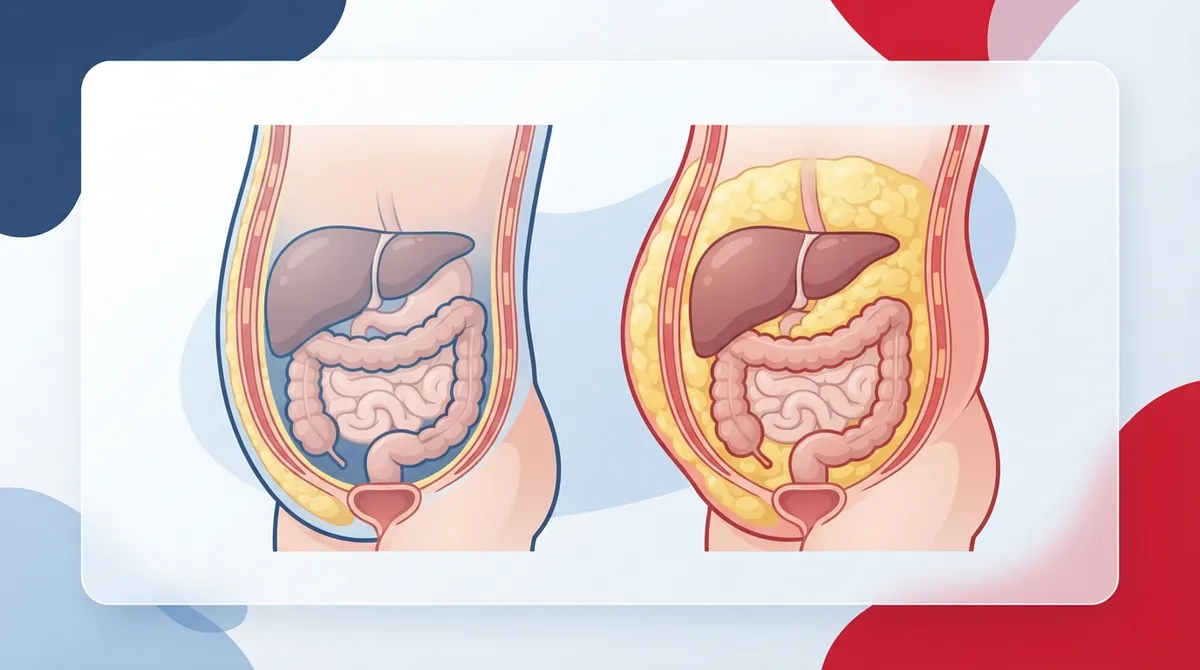
What Visceral Fat Is and Why It Matters
Visceral fat sits deep in the abdomen, wrapped around the liver, pancreas, and intestines. Unlike the softer fat under the skin, it is metabolically active. It releases inflammatory signals and can worsen insulin resistance.
You cannot reliably judge visceral fat by looking in the mirror. A person with a normal scale weight can still carry too much of it. Body composition testing gives a far better picture. InCare offers body composition analysis with 3D imaging, which helps track change over time.

What "Peptides" Really Means
A peptide is simply a short chain of amino acids. Insulin is a peptide. So are semaglutide and tirzepatide. The label tells you almost nothing about safety or effectiveness. What matters is regulatory status and the quality of clinical evidence.
|
Category |
Examples |
Regulatory Status |
Evidence for Weight Loss |
|---|---|---|---|
|
FDA-approved GLP-1 medicines |
Semaglutide, tirzepatide |
Approved for chronic weight management in eligible adults |
Large randomized trials |
|
Compounded versions |
Compounded semaglutide or tirzepatide |
Not FDA-approved |
Not independently reviewed for safety, effectiveness, or quality |
|
Marketed wellness peptides |
BPC-157, CJC-1295, ipamorelin |
Not approved for visceral fat treatment |
No reliable clinical proof for this use |
|
"Research use only" products |
Various online vials |
Not approved for human use |
None for patients |
13 Mistakes to Avoid With Peptides for Visceral Fat
1. Assuming Any Peptide Targets Visceral Fat
No approved peptide selectively burns visceral fat. Medicines like semaglutide and tirzepatide reduce overall body weight. Abdominal fat often shrinks as part of that broader loss. Expect whole-body change, not spot reduction.
2. Treating All Peptides as Equal
An FDA-approved medicine has been reviewed for safety, effectiveness, and manufacturing quality. A vial sold online with a catchy name has not. Always ask which exact product is being offered and what its approval status is.
3. Skipping a Medical Evaluation
Eligibility, health history, current medications, and personal risk factors all matter. A proper visit should include a review of your blood pressure, blood sugar, liver health, and family history. Starting with a primary care evaluation keeps treatment safe and coordinated.
4. Believing Medication Replaces Lifestyle
Medication works best as one part of long-term obesity care. Nutrition, strength training, sleep, and stress management still drive results and help you keep them. Think of the medicine as a tool that makes healthy habits easier to follow.
5. Expecting Visceral-Fat-Specific Results From Trial Data
The numbers are impressive but need context. In the STEP 1 trial, semaglutide 2.4 mg plus lifestyle support produced average weight loss of about 14.9% at 68 weeks, compared with 2.4% for placebo. In SURMOUNT-1, tirzepatide produced average reductions of roughly 15.0%, 19.5%, and 20.9% at 72 weeks across three doses, versus 3.1% for placebo. These are total body weight results, not visceral-fat-only findings.
6. Ignoring the Compounding Warning
The FDA states that compounding should address a patient-specific need that an approved drug cannot meet. It has warned about dosing errors with compounded GLP-1 products, especially multi-dose vials and unit conversion mistakes. As of May 31, 2026, the FDA reported 990 adverse-event reports tied to compounded semaglutide and more than 730 tied to compounded tirzepatide. These reports do not prove cause, but they signal real concern.
7. Buying "Research Peptides" Online
Products labeled for research use are not approved for human use. Purity, dose, and sterility are unverified. Self-injecting an unknown compound is a serious risk, however affordable the price looks.
8. Trusting Claims About BPC-157, CJC-1295, and Ipamorelin
These peptides are popular in wellness marketing. Reliable human evidence that they reduce visceral fat is lacking, and they are not FDA-approved for that purpose. A responsible clinician will tell you this plainly. For a deeper look, read our guide on peptides in primary care: what works and what is risky.
9. Underestimating Side Effects
Common GLP-1-related effects include nausea, vomiting, diarrhea, constipation, and abdominal discomfort. Most are manageable with gradual dose increases and good guidance, but some symptoms need prompt medical attention. Your prescriber should review labeling, contraindications, and warning signs before your first dose.
10. Rushing Dose Increases
Dose escalation exists for a reason. Moving up too fast raises the chance of stomach upset and dropouts. A steady schedule with scheduled check-ins protects both comfort and progress.
11. Skipping Follow-Up and Monitoring
Weight is only one marker. Follow-up should track waist measurements, blood pressure, labs, side effects, and muscle preservation. InCare also offers metabolic breath analysis to help understand how your body uses energy.
12. Planning No Long-Term Strategy
Obesity is a chronic condition. Weight often returns when treatment stops without a maintenance plan. Ask upfront what happens after your goal weight, how dosing is tapered or continued, and how habits will be supported.
13. Choosing a Clinic on Price Alone
The cheapest offer may use non-approved products or lack a qualified prescriber. Before you commit, review our checklist on mistakes to avoid when choosing a weight loss clinic in Riverview.
What a Safe Plan Looks Like in Riverview
A responsible approach follows a clear order. Each step protects your health and builds on the last.
- Baseline assessment: Review medical history, medications, and goals with a licensed clinician.
- Measurement: Use body composition and lab testing to estimate visceral fat risk, not just scale weight.
- Product selection: Discuss FDA-approved options and whether you are an eligible candidate.
- Lifestyle foundation: Build realistic nutrition, movement, and sleep habits.
- Gradual dosing: Start low, increase on schedule, and report symptoms early.
- Ongoing review: Reassess progress, side effects, and long-term maintenance.
InCare is a physician-led clinic with locations in Riverview and Tampa. Our team combines primary care with advanced wellness tools, so your weight plan connects to your overall health. You can learn more about semaglutide in Riverview and meet our providers.
Questions to Ask Any Riverview Weight-Management Clinic
- Who is the prescribing clinician, and what are their credentials?
- Is the medication FDA-approved, and for what indication?
- Is any product compounded or labeled for research use?
- How is visceral fat or body composition measured?
- What does follow-up look like in the first three months?
- What is the plan if side effects occur or if I stop treatment?
Clear, confident answers are a good sign. Vague or defensive replies are a warning. Reviews can help too, and you can read InCare reviews on Google to see what Riverview patients say about their care.
Lifestyle Habits That Reduce Visceral Fat
Medication is not the only lever. Several habits have strong support for lowering abdominal fat and improving metabolic health:
- Resistance training: Two to three sessions weekly help protect muscle during weight loss.
- Aerobic activity: Regular brisk walking or cycling supports fat reduction.
- Protein and fiber: These improve fullness and steady blood sugar.
- Sleep: Short sleep is linked to higher appetite and abdominal fat.
- Alcohol moderation: Less alcohol often means less belly fat.
For busy families and professionals, small, repeatable changes work better than extreme plans. You can also follow InCare on Instagram for practical wellness tips, or connect on Facebook and TikTok for updates.
The Bottom Line
When people ask about peptides for visceral fat Riverview, the honest answer is nuanced. FDA-approved peptide medicines can drive meaningful weight loss for eligible patients, and visceral fat often falls along with it. But no peptide is a proven visceral-fat-only fix, and unapproved products carry real risks.
The safest path starts with a clinician who measures, explains, and follows you over time. If you are ready for a plan built around your health, not a headline, book an appointment with InCare or contact our team to start the conversation.
FAQs
Q: Can peptides reduce visceral fat, or do they cause general weight loss?
A: FDA-approved peptide medicines such as semaglutide and tirzepatide reduce overall body weight, and abdominal fat often decreases as part of that loss. They are not proven to target visceral fat selectively. Claims for other marketed peptides lack reliable clinical evidence for this use.
Q: Which peptide medications are FDA-approved for weight management?
A: Semaglutide and tirzepatide have FDA-approved products for chronic weight management in eligible patients. A clinician must assess your health history, medications, and risks before prescribing. Products such as BPC-157, CJC-1295, and ipamorelin are not approved for visceral fat treatment.
Q: Are compounded semaglutide and tirzepatide safe?
A: Compounded drugs are not FDA-approved and have not been reviewed for safety, effectiveness, or quality. The FDA has warned about dosing errors and reported adverse events linked to compounded GLP-1 products. Ask your clinic exactly which product it uses and why.
Q: What are the common side effects of peptide weight-loss injections?
A: Common GLP-1-related effects include nausea, vomiting, diarrhea, constipation, and abdominal discomfort. Gradual dose increases and regular follow-up help manage them. Seek prompt medical care for severe or persistent symptoms.
Q: How can I find out how much visceral fat I have?
A: Body composition testing with 3D imaging or similar tools gives a more useful estimate than the scale alone. A primary care clinician can combine those results with waist measurements and lab work to assess your metabolic risk.