Key Takeaways
- KP-10 is not an official medical diagnosis but typically refers to keratosis pilaris treatment using a product with 10% active ingredient like lactic acid; always check ingredient labels as the number doesn't indicate strength or safety.
- Keratosis pilaris is a harmless, non-contagious condition caused by keratin buildup blocking hair follicles; most cases respond well to consistent daily care with gentle cleansing, moisturizing, and keratolytic exfoliants like lactic acid.
- A 2023 dermatologist survey found lactic acid (43.63%) is the top first-line treatment for KP, followed by salicylic acid (20.72%); avoid common mistakes like over-exfoliating, using hot water, and picking at bumps which worsen symptoms.
- See a doctor if KP bumps show signs of infection, rapid changes, extreme itching, or don't improve after weeks of consistent home care, as other conditions like folliculitis or contact dermatitis require different treatments.
If you have small, rough bumps on your arms, thighs, or cheeks, you may have searched online for "KP-10 dermatological care." This term shows up often, but it can be confusing. Many people are not sure what it actually means or if it fits their skin needs.
Here is the truth: "KP-10" is not an official medical diagnosis. It is also not a single, standardized treatment plan. In most cases, people use this phrase to describe care for keratosis pilaris (KP) using a product with 10% of an active ingredient, like lactic acid. This article breaks down what KP-10 dermatological care really means, what works, and when you should talk to a doctor. At InCare, our providers in Tampa and Riverview help patients sort through skin concerns like this every day as part of whole-body primary care.
1. Understand What "KP-10" Actually Means
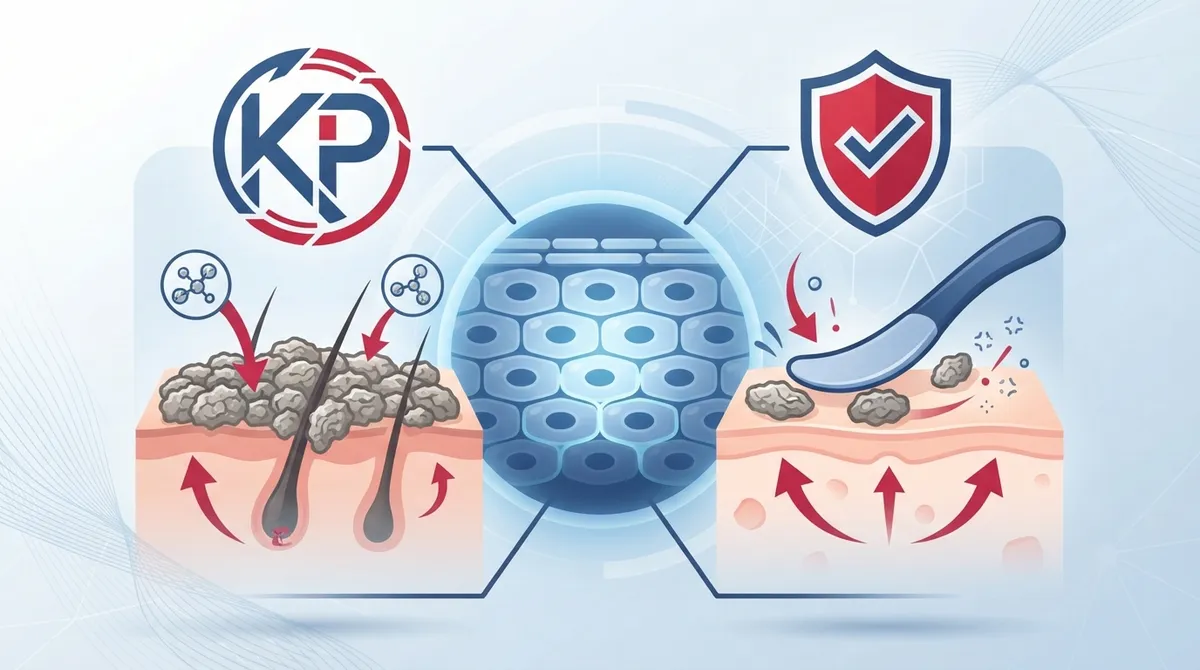
The letters "KP" almost always stand for keratosis pilaris. This is a common skin condition. The number "10" usually points to a 10% concentration of an active ingredient in a lotion or cream.
This ingredient is often lactic acid. Sometimes it may refer to a specific product name or a marketing label used by a skincare brand. Before you buy anything marketed as "KP-10," check the ingredient list. Do not assume the number means it is stronger or safer than other options.
2. Know What Keratosis Pilaris Really Is
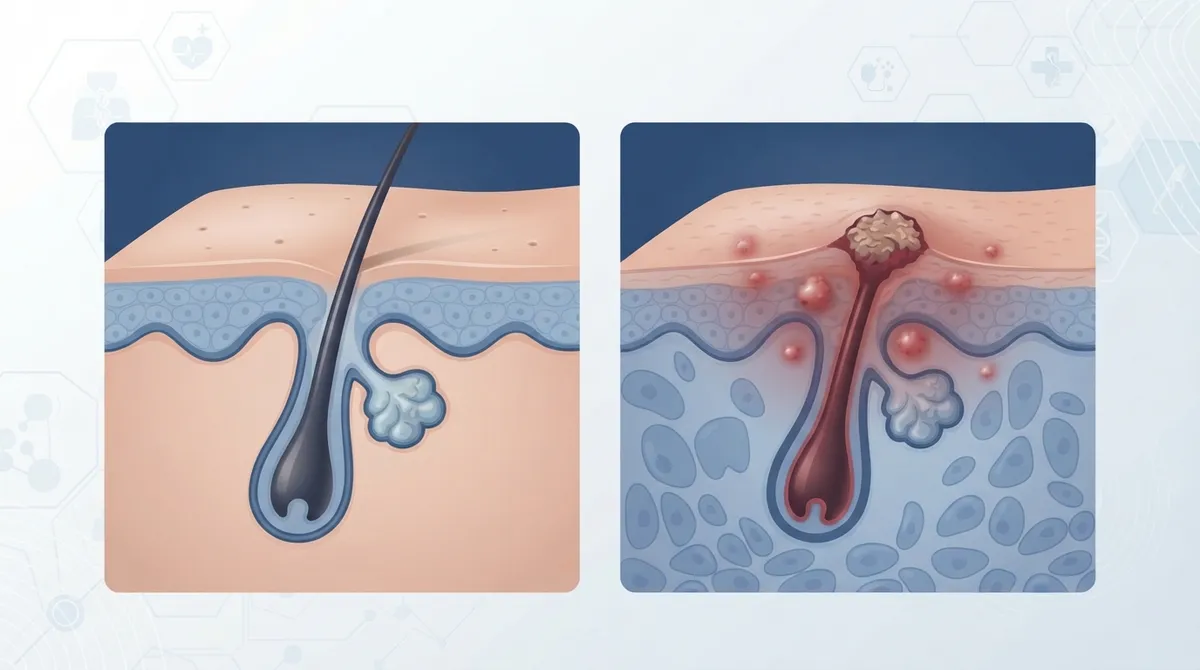
Keratosis pilaris is a harmless skin condition. It happens when keratin, a natural protein, builds up and blocks hair follicles. This creates small, rough bumps that some people call "chicken skin."
These bumps often show up on the upper arms, thighs, cheeks, or buttocks. KP is not contagious. You cannot spread it to another person. Most cases do not need medical treatment, though many people choose to treat it for comfort or appearance.
Common Signs of Keratosis Pilaris
- Small, rough bumps that feel like sandpaper
- Bumps clustered on the upper arms or thighs
- Mild redness around each bump
- Dry, rough skin texture in the affected area
- Worsening symptoms during cold or dry weather
3. Learn Why First-Line Care Matters Most
Good KP care does not have to be complicated. Most dermatology experts agree on a simple approach. This includes gentle cleansing, daily moisturizing, and a mild exfoliating ingredient.
These exfoliating ingredients are called keratolytics. They help loosen the extra keratin clogging your pores. Common options include lactic acid, salicylic acid, and urea. Each one works a bit differently, but all aim to smooth rough skin.
4. Compare the Top Keratolytic Ingredients
Not all KP treatments are the same. Some ingredients work better for certain skin types. A 2023 survey of board-certified dermatologists found that lactic acid was the top choice, used by 43.63% of respondents. Salicylic acid came in second at 20.72%.
|
Ingredient |
How It Works |
Best For |
|---|---|---|
|
Lactic Acid |
Gently exfoliates and adds moisture |
Dry, rough KP bumps |
|
Salicylic Acid |
Breaks down oil and dead skin in pores |
Oily or acne-prone skin with KP |
|
Urea |
Softens skin and boosts hydration |
Very dry or cracked skin |
|
Alpha-Hydroxy Acids |
Removes dead skin cells on the surface |
General texture improvement |
5. Ask If a 10% Lactic Acid Lotion Is Right for You
A 10% lactic acid lotion can help rough, dry skin linked to keratosis pilaris. But a higher percentage does not always mean better results. Your skin type and sensitivity level matter more than the number on the label.
A peer-reviewed study looked at a formula with 10% lactic acid and 5% salicylic acid. Researchers reported real improvement in KP symptoms. Still, results vary from person to person, so what works for one patient may not work for another.
6. Follow These Steps for Daily KP Care
Building a simple routine can make a big difference. Consistency matters more than using many products at once. Here is a step-by-step approach many primary care providers recommend.
- Use lukewarm water instead of hot water when bathing or showering
- Cleanse gently without scrubbing hard or using rough tools
- Pat your skin dry instead of rubbing it with a towel
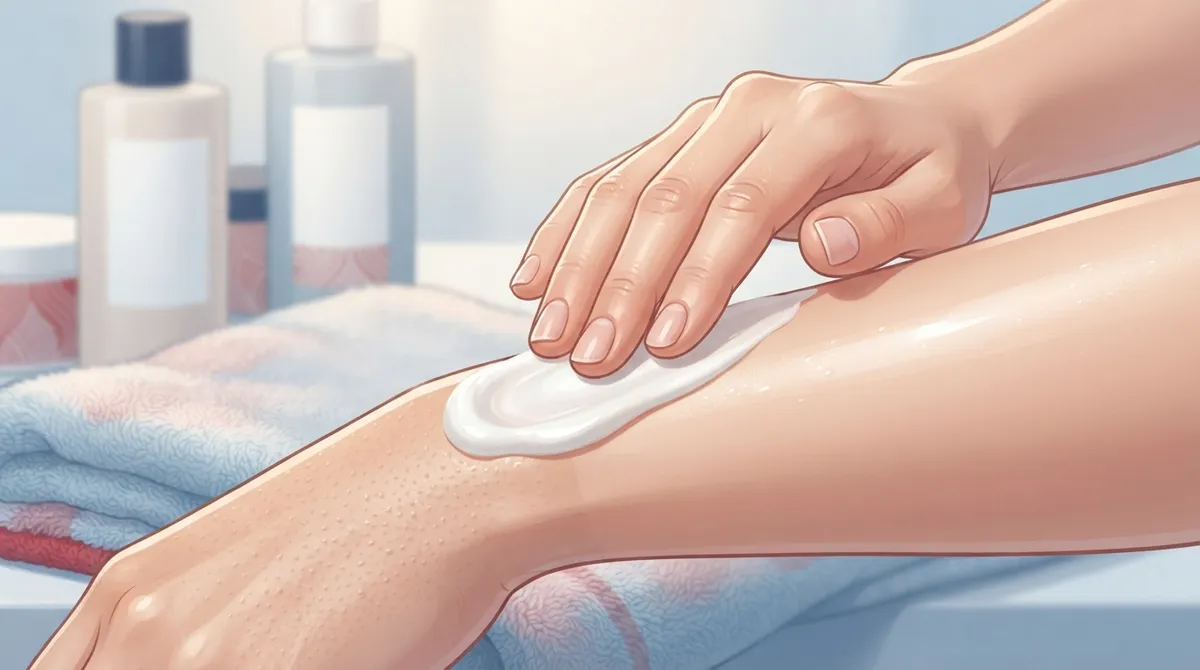
- Apply a keratolytic moisturizer within a few minutes of bathing
- Repeat this routine daily, even when your skin looks improved
- Avoid picking or scratching at the bumps
- Wear loose clothing to reduce friction on affected areas
7. Avoid These Common Mistakes
Many people make their KP worse without realizing it. Over-exfoliating is one of the biggest issues. Scrubbing too hard or using too many active ingredients at once can lead to redness and irritation.
- Using hot water, which strips natural oils from skin
- Skipping moisturizer after washing or showering
- Picking at bumps, which can cause scarring
- Wearing tight clothing that rubs against irritated skin
- Introducing multiple new products at the same time
- Ignoring signs of irritation like burning or swelling
8. Know When to Consider Prescription Options
Sometimes over-the-counter care is not enough. If keratolytic moisturizers do not improve your skin after several weeks, a clinician may suggest other options. Topical retinoids are one possible next step.
Retinoids can be effective, but they can also cause irritation if used incorrectly. A primary care provider or dermatologist can help you find the right strength and application schedule for your skin.
9. Understand When to See a Doctor
Most KP cases are mild and can be managed at home. But some symptoms need a closer look from a medical professional. Do not ignore warning signs that suggest something more serious.
Signs You Should Book an Appointment
- Bumps that are painful or extremely itchy
- Signs of infection, like pus or increased redness
- Rapidly changing skin lesions
- No improvement after weeks of consistent home care
- Skin changes that affect your confidence or daily life
If you are unsure whether your skin issue is KP or something else, our primary care team can help you get a clear answer. We also offer urgent care services if you need faster attention for a skin concern that feels urgent.
10. Learn How KP Differs From Other Skin Conditions
KP can look similar to other skin issues. This is why a proper diagnosis matters. A doctor can rule out conditions that need different treatment.
|
Condition |
Key Difference From KP |
|---|---|
|
Folliculitis |
Often more inflamed, may involve pus-filled bumps |
|
Acne |
Typically appears on the face, chest, or back with blackheads |
|
Eczema |
Causes intense itching and inflamed patches |
|
Contact Dermatitis |
Linked to an irritant or allergen exposure |
11. Set Realistic Expectations for Treatment
KP often improves as people get older. It can also come and go with the seasons. Dry winter air tends to make symptoms worse for many patients.
Most treatments help control the texture and look of your skin. They are not a permanent cure. Staying consistent with your routine is the best way to keep symptoms under control long term.
12. Protect Sensitive Skin While Treating KP
If you have sensitive skin, go slowly. Introduce one new product at a time. This helps you spot which ingredient is causing a reaction, if one happens.
- Patch-test new products on a small area first
- Watch for burning, redness, swelling, or peeling
- Stop using a product if irritation does not improve
- Use extra caution near the eyes or on broken skin
- Be especially careful when treating children's skin
13. Partner With a Primary Care Team for Whole-Body Wellness
Skin health does not exist in isolation. It often connects to your diet, hydration, hormones, and overall health. This is why working with a primary care provider can offer more complete support than skincare products alone.
At InCare, we look at your whole health picture, not just one symptom. Our providers can help you understand what is really behind your skin concerns. We also offer services like IV hydration and vitamin drips and DNA gene testing to support your skin and body from the inside out.
Many patients also explore our body composition analysis and weight loss programs as part of a broader wellness plan. Skin, metabolism, and overall health are often more connected than people realize.
Why Choose InCare for Your Skin and Wellness Needs
Finding trustworthy health information can feel overwhelming, especially with terms like "KP-10" floating around online. Our team at InCare, with locations in Tampa and Riverview, Florida, is here to give you clear answers backed by real medical expertise.
We understand that skin concerns often connect to bigger health questions. That is why we focus on whole-body care, not just quick fixes. You can also follow us on Facebook, Instagram, and Tik Tok for more wellness tips and updates from our clinics.
Curious what other patients say about their experience? You can visit us on Google — InCare to read real reviews from people in Tampa and Riverview who trust our team with their care.
Take the Next Step Toward Healthier Skin
Understanding KP-10 dermatological care is the first step toward smarter skincare choices. Whether you need help managing keratosis pilaris or want a full health checkup, our team is ready to help. According to the Mayo Clinic, most cases respond well to a mix of moisturizing and gentle exfoliation, especially when guided by a healthcare provider.
Do not wait to get answers about your skin and overall health. Book your appointment today and let our Tampa and Riverview team create a care plan built around you.
FAQs
Q: What does KP-10 dermatological care mean?
A: KP-10 is not an official medical term. It typically refers to skincare for keratosis pilaris using a product containing 10% of an active ingredient, most often lactic acid. Always check the label to confirm what the product actually contains before use.
Q: Is KP-10 a treatment for keratosis pilaris or a specific skincare product?
A: It can be either, depending on how the term is used. Some brands use "KP-10" as a product name, while others use it loosely to describe a 10% concentration formula. It is not a standardized medical protocol.
Q: What ingredients are best for keratosis pilaris—lactic acid, salicylic acid, or urea?
A: Lactic acid is the most commonly recommended first-line option, followed by salicylic acid, according to a 2023 dermatologist survey. Urea can also help very dry skin. The best choice depends on your skin type and sensitivity.
Q: Is a 10% lactic-acid lotion safe for keratosis pilaris?
A: For many people, a 10% lactic acid lotion is safe and can improve rough, dry skin. However, individual tolerance varies, so it is wise to patch-test first and stop use if irritation occurs.
Q: When should I see a primary care clinician or dermatologist for KP?
A: See a provider if your bumps are painful, infected-looking, rapidly changing, or not improving after consistent home care. A clinician can confirm the diagnosis and rule out other skin conditions.