Key Takeaways
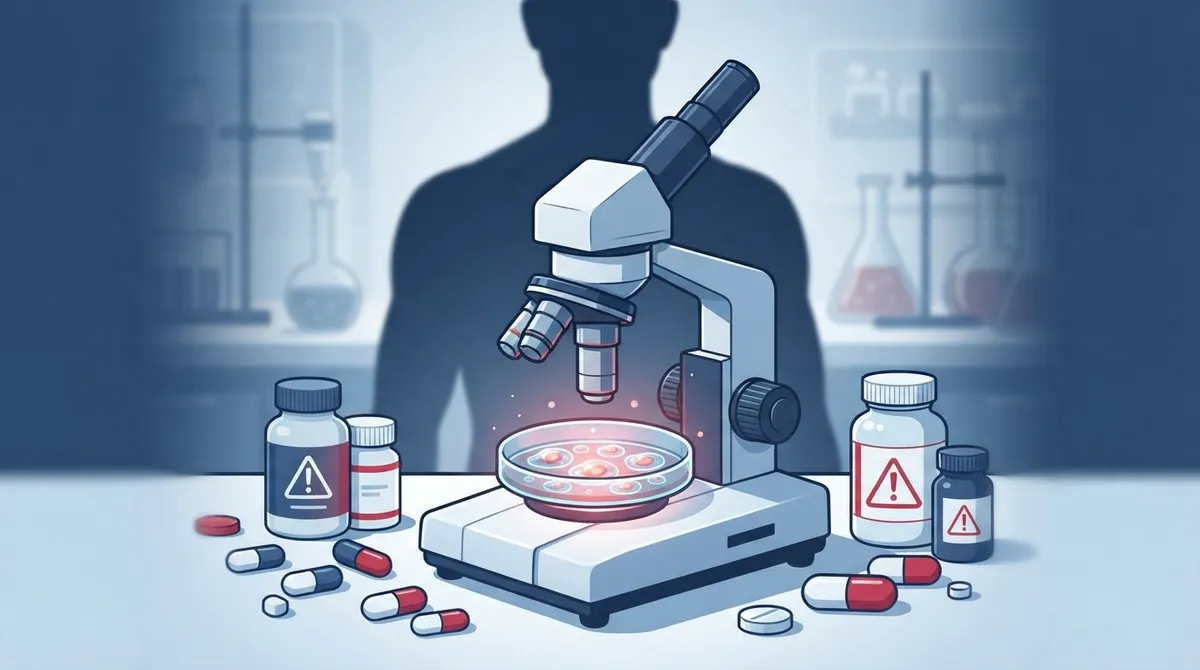
- Kisspeptin has never been approved as a cancer treatment—all promising results come only from cell cultures and animal studies, not human clinical trials, making it fundamentally unproven for cancer therapy in people.
- In breast and liver cancer research, KISS1 signaling has sometimes promoted tumor growth instead of suppressing it, and was even linked to chemotherapy resistance, meaning kisspeptin's effects vary dramatically by cancer type.
- Kisspeptin may reduce cancer cell spread to distant organs (metastasis suppression) but does not shrink existing tumors, and there is no validated blood test to measure kisspeptin levels for cancer risk assessment.
- Roughly 29 kisspeptin clinical trials exist, but the vast majority focus on reproductive health like fertility and puberty, not cancer treatment, making oncology applications far less studied than wellness marketing suggests.
- Unregulated kisspeptin supplements with cancer claims carry unknown risks and lack FDA approval; proven cancer prevention remains regular screening, tobacco avoidance, physical activity, and weight management.
- Kisspeptin's strongest evidence base is reproductive health, where it regulates puberty and menstrual cycles—not cancer prevention—making fertility discussions with providers reasonable but cancer claims premature.
Kisspeptin has become a buzzword in wellness circles, often paired with bold claims about cancer prevention and metastasis suppression. Patients researching fertility hormones or peptide therapy sometimes stumble upon studies calling kisspeptin a "tumor suppressor" and assume this means a proven treatment exists. That assumption can be costly, both financially and medically. The science behind kisspeptin's role in cancer biology is real, but it remains firmly in the laboratory stage, not the clinic.
At InCare, our providers believe patients deserve clear, honest information about emerging research versus established medical care. This article breaks down 13 common misunderstandings about kisspeptin as a tumor suppressor, so you can separate legitimate science from wellness marketing. Whether you're exploring DNA gene testing or considering cancer screening options, understanding this topic helps you make smarter health decisions.
What Is Kisspeptin and Why Does It Matter?
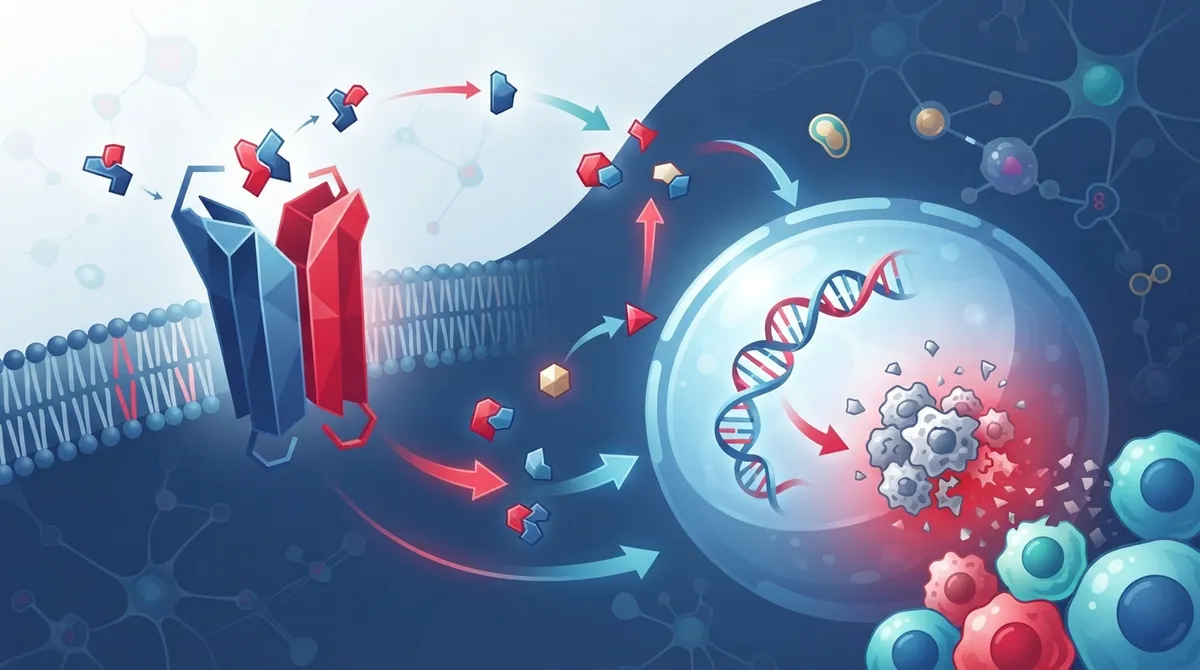
Kisspeptin is a group of peptides made from the KISS1 gene. These peptides bind to a receptor called KISS1R, also known as GPR54. The kisspeptin system is best known for its role in reproduction. It helps trigger the release of gonadotropin-releasing hormone, which controls puberty and fertility in both men and women.
Researchers first discovered KISS1 while studying melanoma, a type of skin cancer. They noticed the gene seemed to stop cancer cells from spreading to other parts of the body. This early finding sparked decades of research into kisspeptin's possible role in cancer control. However, most human studies since then have focused on fertility and hormone health, not cancer treatment.
13 Mistakes People Make About Kisspeptin and Cancer
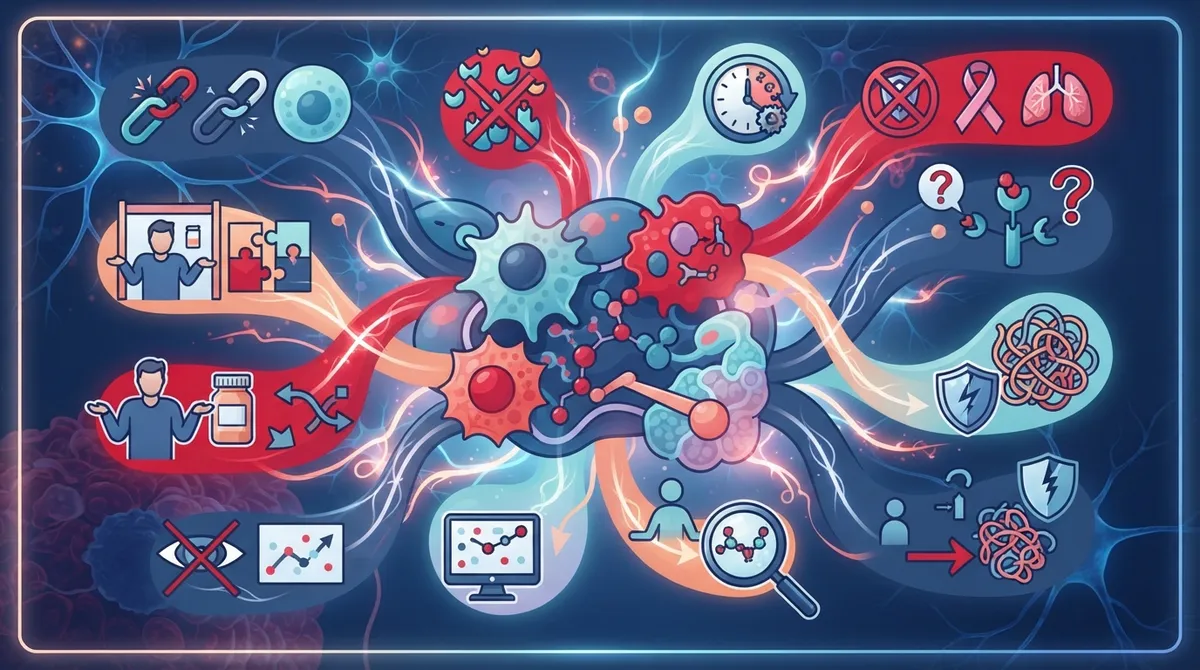
1. Believing Kisspeptin Is a Proven Cancer Cure
This is the biggest and most dangerous misunderstanding. Kisspeptin has never been approved as a cancer treatment. All promising results come from cell cultures and animal studies, not human clinical trials for cancer.
2. Assuming It Shrinks Tumors
Research shows kisspeptin may reduce the spread of cancer cells to distant organs. This is different from shrinking an existing tumor. A metastasis suppressor can limit spread without changing the size of the original tumor at all.
3. Thinking It Works the Same Way in Every Cancer Type
Studies have looked at kisspeptin in melanoma, thyroid, ovarian, bladder, gastric, pancreatic, lung, colorectal, and prostate cancer models. The results vary widely by cancer type. What helps in one context may do nothing in another.
4. Ignoring That Kisspeptin Can Promote Cancer in Some Cases
This is a critical point many wellness sources skip. In breast and liver cancer research, KISS1 and KISS1R signaling has sometimes promoted tumor growth instead of stopping it. Some studies even linked this signaling to chemotherapy resistance in triple-negative breast cancer.
5. Believing a Blood Test Can Predict Your Cancer Risk
There is no validated blood test that measures kisspeptin levels to assess cancer risk or metastatic status. This is not part of standard cancer screening protocols anywhere in the world.
6. Confusing Metastasis Suppressor With Tumor Preventer
KISS1 was labeled a metastasis suppressor because it can limit the spread of existing cancer cells. It was never shown to prevent cancer from forming in the first place. These are two very different concepts.
7. Trusting Unregulated Kisspeptin Supplements for Cancer Prevention
Some wellness companies sell kisspeptin products with vague cancer-related claims. These products are not regulated for cancer prevention and carry unknown risks. Buying them puts your health and your wallet at risk.
8. Overlooking the Mechanisms Behind the Research
Scientists have proposed several ways kisspeptin might slow cancer spread. These include reducing an enzyme called MMP-9, calming inflammatory signaling through NF-κB, and activating a protein called EIF2AK2. These mechanisms are interesting but remain mostly theoretical in human patients.
9. Assuming Recent Studies Confirm Human Safety
A 2025 mouse study found that kisspeptin slowed the growth of lung cancer tumors through a process called cellular senescence. This is promising for future research, but it does not prove the treatment is safe or effective in people.
10. Skipping Proven Cancer Prevention Steps
Some patients get so focused on kisspeptin research that they neglect proven prevention strategies. Regular cancer screening, avoiding tobacco, staying active, and managing weight remain the best tools available today.
11. Believing Kisspeptin Research Is New
The KISS1 gene was identified as a metastasis suppressor in melanoma studies decades ago. What is newer is the ongoing effort to understand exactly how it works across different cancer types, including a 2017 study on breast, prostate, and colorectal cancer cell lines.
12. Assuming All Kisspeptin Trials Focus on Cancer
A review of kisspeptin clinical trials found roughly 29 interventional studies after exclusions. The vast majority focus on reproductive health topics like fertility, puberty, and hypothalamic amenorrhea, not oncology.
13. Thinking Your Primary Care Doctor Should Prescribe It for Cancer
No primary care guideline currently recommends kisspeptin for cancer treatment or prevention. Any future use in oncology would require dedicated cancer trials addressing dosing, safety, and interactions with existing treatments.
Kisspeptin Research: Lab Findings vs. Clinical Reality
Understanding the gap between laboratory promise and proven patient care is essential. The table below summarizes where the science currently stands.
|
Research Area |
What Studies Show |
Clinical Status |
|---|---|---|
|
Metastasis suppression |
Reduced cancer cell spread in several cell and animal models |
Preclinical only, not approved for humans |
|
Reproductive hormone regulation |
Stimulates GnRH, supports puberty and fertility |
Established and studied in human trials |
|
Cancer risk screening |
No validated biomarker test exists |
Not used in clinical screening |
|
Breast and liver cancer signaling |
May promote tumor progression in some models |
Context-dependent, not protective in all cases |
|
Cancer treatment use |
Mechanistic and animal data only |
No FDA-approved cancer therapy |
Common Cancers Studied in Kisspeptin Research
Laboratory studies have examined kisspeptin's effects across a wide range of cancer models. Here is a breakdown of where anti-metastatic effects have been reported experimentally:
- Melanoma, where KISS1 was first identified as a metastasis suppressor
- Thyroid cancer models showing reduced invasion in cell studies
- Ovarian cancer research examining migration and spread
- Bladder and gastric cancer models with mixed findings
- Pancreatic and lung cancer studies, including the 2025 mouse research
- Colorectal and prostate cancer cell lines from the 2017 EIF2AK2 study
Notably, breast and liver cancer research paints a more complicated picture, where kisspeptin signaling has sometimes been linked to tumor progression rather than suppression.
Steps to Take Instead of Pursuing Experimental Peptides
Rather than chasing unproven peptide therapies, patients benefit most from evidence-based, structured care. Here is a practical sequence to follow:
- Schedule a comprehensive wellness visit to review your personal and family health history
- Discuss age-appropriate cancer screening options with your provider
- Ask about DNA gene testing if you have a family history of cancer
- Review lifestyle factors like tobacco use, alcohol intake, and physical activity levels
- Consider a medically supervised weight loss program if weight management is a concern
- Report any new or concerning symptoms to your doctor promptly, rather than waiting
- Follow up on all recommended screenings on schedule, even when you feel healthy
Why Reproductive Health Is Kisspeptin's Strongest Evidence Base
While cancer research remains preclinical, kisspeptin's role in reproductive health is much better established. It plays a central part in triggering puberty and regulating the menstrual cycle. Researchers have studied it for conditions like hypothalamic amenorrhea and certain forms of infertility.
This distinction matters. If you are exploring hormone health, fertility concerns, or menstrual irregularities, a conversation with your primary care provider is a reasonable next step. If you are hoping for a cancer-fighting supplement, current evidence simply does not support that use yet.
How InCare Approaches Wellness and Cancer Prevention
InCare takes a whole-body approach to health, combining proven medical care with modern technology. Our team offers services like body composition analysis, metabolic breath analysis, and IV hydration therapy to support overall wellness goals. We also prioritize evidence-based cancer screening because early detection remains one of the most effective tools we have.
Patients at our Tampa and Riverview locations appreciate that our providers explain the difference between exciting research headlines and proven medical treatments. You can read what our patients say by visiting our InCare location on Google, where reviews highlight our attentive, honest approach to care.
Questions to Ask Before Trying Any Peptide Therapy
Before considering any peptide product marketed for wellness or disease prevention, ask these key questions:
- Has this been tested in human clinical trials, or only in cells and animals?
- Is this approved by the FDA for the specific use being marketed?
- Does my doctor have experience discussing this peptide's risks and benefits?
- What are the known side effects and interactions with my current medications?
- Is there a regulated, medical-grade source, or is this sold without oversight?
If you cannot get clear answers to these questions, it is a strong signal to proceed with caution. Trusted sources like the National Institutes of Health publish peer-reviewed research that can help you evaluate claims more critically.
Staying Connected to Reliable Health Information
Wellness trends move fast, and social media often amplifies claims before the science catches up. Following credible medical sources helps you stay grounded in facts rather than hype. You can also follow InCare's updates on Facebook and Instagram for practical health tips, or check our Tik Tok for short, easy-to-understand wellness content.
Our providers, including those featured on our providers page, are trained to discuss both established treatments and emerging research with honesty. This balance helps patients avoid wasting money on unproven products while still staying informed about scientific progress.
Bringing It All Together
Kisspeptin is a fascinating area of scientific research with real potential implications for cancer biology. However, it is not a proven treatment, supplement, or screening tool today. Confusing preclinical promise with clinical reality can lead patients toward expensive, unregulated products that offer no proven benefit.
The smarter path is sticking with evidence-based prevention: regular screenings, healthy lifestyle habits, and open conversations with a trusted medical provider. If you have questions about cancer screening, hormone health, or general wellness planning, our team is ready to help you sort fact from fiction. Reach out to our team to schedule a conversation, or book your appointment today to start building a prevention plan grounded in real science, not wellness trends.
FAQs
Q: Is kisspeptin actually a proven tumor suppressor in humans?
A: No, kisspeptin is not a proven tumor suppressor in humans. Research showing anti-metastatic effects comes from cell cultures and animal studies, not human clinical trials for cancer treatment.
Q: Can kisspeptin prevent cancer or stop it from spreading?
A: Laboratory studies suggest kisspeptin may reduce cancer cell migration and metastasis in certain models, but this has not been confirmed in human patients. It should not be relied upon as a cancer prevention strategy.
Q: Can a blood test measure kisspeptin to predict my cancer risk?
A: There is currently no validated blood test that measures kisspeptin or KISS1 expression to assess cancer risk or metastatic status. This is not part of standard cancer screening in primary care.
Q: Are kisspeptin supplements or injections safe for cancer prevention?
A: Kisspeptin products marketed for cancer prevention are not FDA approved and lack regulated safety data for this use. Patients should rely on established screenings and speak with a primary care provider before trying any unregulated peptide.
Q: What proven steps should I take instead of experimental kisspeptin therapy?
A: Evidence-based steps include regular cancer screenings, avoiding tobacco, staying physically active, managing weight, and promptly reporting concerning symptoms to your doctor. These remain the most reliable tools for cancer prevention today.