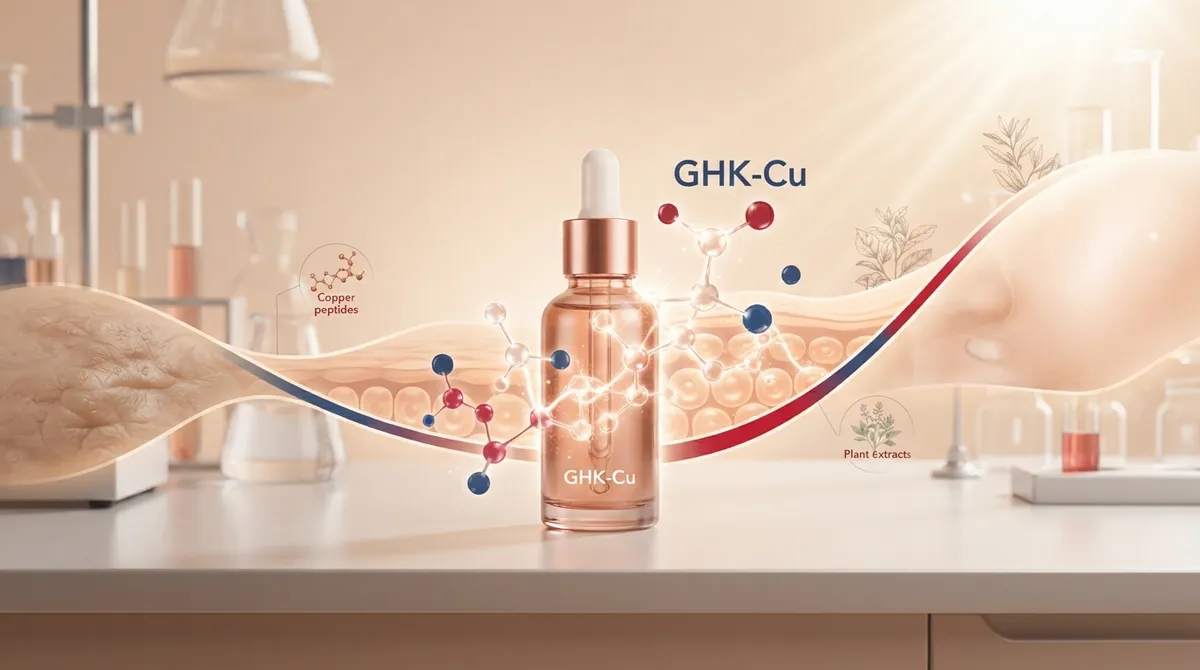
Key Takeaways
- GHK-Cu works indirectly through skin repair and renewal rather than directly blocking melanin production like hydroquinone or vitamin C, making it a supporting ingredient for overall skin health rather than a targeted pigmentation treatment.
- A key 12-week peer-reviewed study showed improved skin clarity and reduced mottled pigmentation with twice-daily GHK-Cu cream use, but dedicated clinical trials for melasma and dark spots remain limited compared to established brightening agents.
- Results typically require 6-12 weeks of consistent twice-daily application, with visible improvements most noticeable between weeks 8-12; GHK-Cu is best combined with sun protection, healthy diet, and professional skin evaluations rather than used as a standalone solution.
- GHK-Cu is a cosmetic ingredient without FDA approval for pigmentation treatment, and bold consumer claims of 70-80% improvement lack peer-review verification—consumer expectations often exceed available scientific evidence.
Uneven skin tone and stubborn dark spots send many people searching for answers. One ingredient keeps popping up in wellness conversations: GHK-Cu. This copper peptide has built a reputation for skin repair, but its link to pigmentation is often misunderstood. If you are weighing whether GHK-Cu belongs in your skin health routine, it helps to separate real evidence from marketing hype.
At InCare, patients across Tampa and Riverview often ask about peptides, skin renewal, and whole-body wellness during their visits. This guide breaks down what GHK-Cu actually does for pigmentation, what the research shows, and how it fits into a broader prevention-focused health plan. Whether you are a busy parent, a wellness-focused professional, or simply curious about your options, these 13 facts will help you make an informed decision.
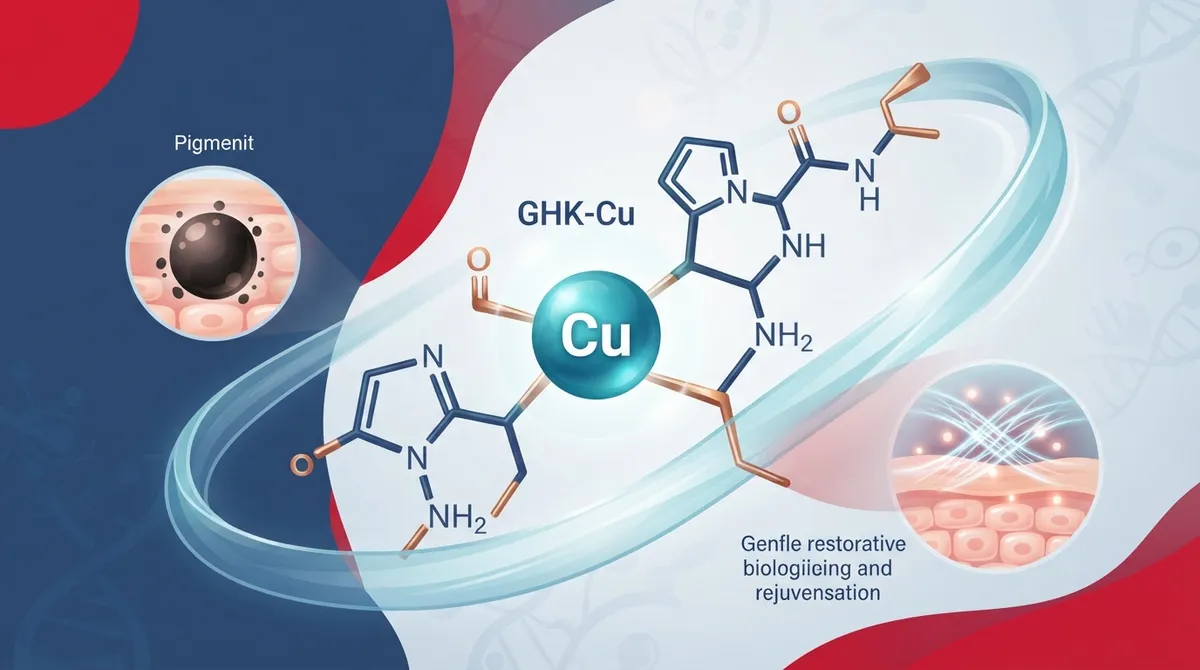
1. GHK-Cu Is a Copper Peptide, Not a Bleaching Agent
GHK-Cu is a small, naturally occurring peptide bound to copper. Your body already makes small amounts of it, and levels tend to drop with age. Unlike traditional brightening agents that block pigment production directly, GHK-Cu works through skin repair and renewal.
This distinction matters. Ingredients like hydroquinone or vitamin C target melanin production directly. GHK-Cu takes a different route, supporting the skin's natural turnover process instead.
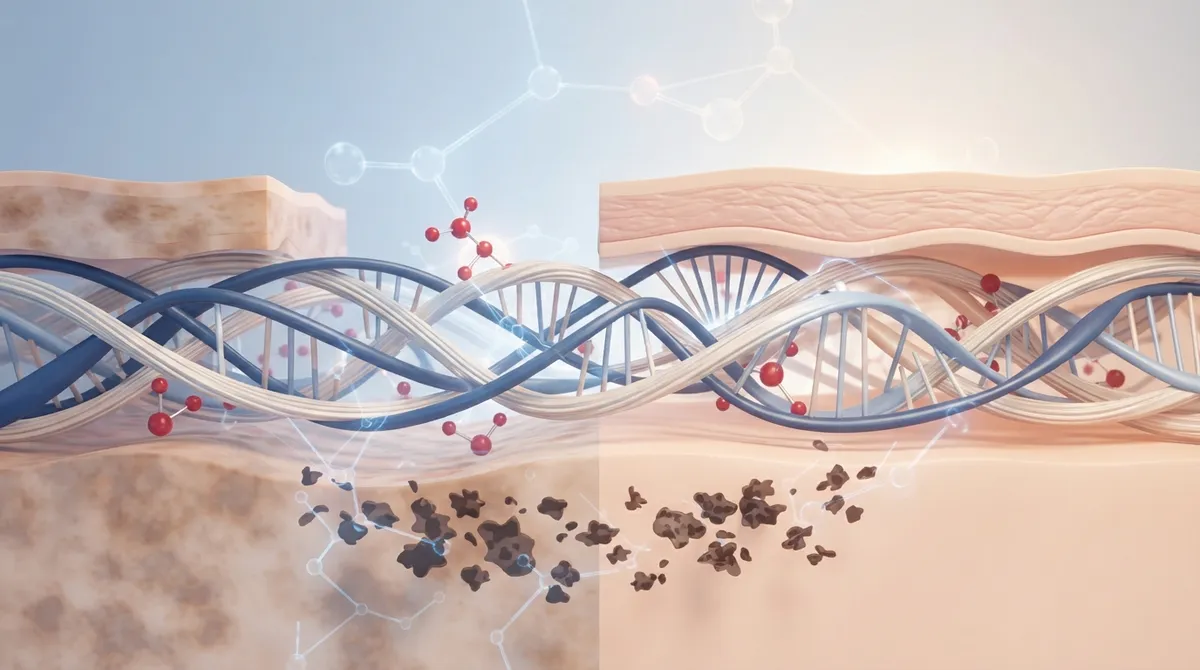
2. Pigmentation Improvement Is Usually a Secondary Effect
Most research on GHK-Cu focuses on wound healing, collagen support, and photoaging rather than pigmentation alone. When skin tone improves, it is often a side effect of overall skin renewal rather than a direct pigment-fading action.
This means people expecting dramatic spot removal may be disappointed. GHK-Cu is better understood as a support ingredient for overall skin health, not a targeted dark spot treatment.
3. One Key Study Shows Real Promise
A peer-reviewed review highlighted a notable finding. Twice-daily use of GHK-Cu cream over 12 weeks improved skin clarity and reduced mottled pigmentation in photoaged skin, according to the research summarized in this peer-reviewed article. This is one of the more credible data points supporting its cosmetic use.
Still, this single study does not equal a large body of pigmentation-specific clinical trials. It offers a promising signal rather than definitive proof.
4. The Mechanism Is Mostly Indirect
Understanding how GHK-Cu might help pigmentation requires looking at three mechanisms:
- Anti-inflammatory activity that calms irritated skin
- Antioxidant support that reduces oxidative stress on skin cells
- Faster epidermal turnover that helps shed pigmented, damaged cells
None of these mechanisms directly block melanin production the way some brightening agents do. Instead, they support the skin's natural repair cycle.
5. Evidence for Melasma and Dark Spots Remains Limited
Dedicated clinical trials testing GHK-Cu specifically for melasma or dark spot correction are scarce. Most available data comes from broader anti-aging and wound-healing studies, not pigmentation-focused research.
If melasma is your primary concern, established treatments with stronger clinical backing may deserve first consideration. GHK-Cu can play a supporting role, but it should not replace proven approaches.
6. Consumer Claims Often Outpace the Science
Some online sources cite bold numbers. One 2026 consumer source claims 70 to 80 percent improvement in pigmentation across trials. Another industry source cites 28 to 35 percent reduction in hyperpigmentation intensity over 12 weeks at 3 to 5 percent concentrations.
These figures are not peer-reviewed and should be treated with caution. Independent verification is limited, so it is wise to view such statistics as marketing claims rather than clinical fact.
7. GHK-Cu Is a Cosmetic Ingredient, Not an FDA-Approved Drug
Most consumer-facing sources describe GHK-Cu as a cosmetic ingredient. It is not an FDA-approved medical treatment for hyperpigmentation, melasma, or dark spots.
This distinction is important for setting realistic expectations. A cosmetic ingredient can support skin appearance, but it does not carry the same regulatory backing as a prescription-strength treatment.
8. Results Take Time and Consistency
Most skincare protocols require patience. Here is a general timeline reported in skincare guidance:
- Weeks 1 to 4: Skin texture may feel smoother, but visible tone changes are rare this early.
- Weeks 4 to 8: Some users report subtle brightening and reduced redness.
- Weeks 8 to 12: Clearer skin tone and reduced mottled pigmentation may become more noticeable, based on the 12-week study window.
Consistency matters more than intensity. Skipping applications or expecting overnight results usually leads to disappointment.
9. Safety Profile Is Generally Favorable
Cosmetic use of GHK-Cu is considered low-risk for most people. That said, a few safety notes deserve attention:
- Mild irritation can occur, especially with sensitive skin
- Formulation instability may reduce product effectiveness over time
- Rare reports of discoloration exist in some skincare discussions
Anyone with sensitive skin conditions should introduce new products slowly and monitor for reactions.
10. How GHK-Cu Compares to Established Brightening Ingredients
|
Ingredient |
Primary Action |
Pigmentation Evidence |
Typical Timeline |
|---|---|---|---|
|
GHK-Cu |
Skin repair, renewal, antioxidant support |
Limited, mostly indirect |
6 to 12 weeks |
|
Vitamin C |
Antioxidant, tyrosinase inhibitor |
Well documented |
4 to 12 weeks |
|
Retinol |
Cell turnover accelerator |
Strong clinical support |
8 to 16 weeks |
|
Hydroquinone |
Direct melanin suppression |
Extensive clinical evidence |
4 to 8 weeks |
This comparison shows GHK-Cu occupies a supporting role rather than a leading one for pigmentation specifically. It may work well alongside other ingredients rather than as a standalone solution.
11. Who Might Consider GHK-Cu for Skin Support
GHK-Cu may appeal to certain groups more than others. Consider these scenarios:
- People focused on overall skin renewal rather than targeted spot treatment
- Those with photoaged skin looking for texture and clarity improvements
- Individuals seeking a gentle addition to an existing skincare routine
- Wellness-focused patients interested in peptide-based skin support as part of broader health optimization
For those exploring peptide therapy more broadly, our peptide therapy program in Tampa offers guidance on how peptides fit into a personalized wellness plan.
12. How Primary Care Fits Into Skin Health Conversations
Pigmentation concerns often connect to broader health topics. Sun damage, hormonal changes, and inflammation all play a role in skin appearance. A comprehensive approach considers these factors together.
During a wellness visit, providers can review skin health alongside other preventive screenings. This holistic view often reveals underlying causes that topical treatments alone cannot address.
Patients pursuing DNA gene testing may also gain insight into how their genetics influence skin aging and pigmentation tendencies. This data can help shape a more personalized skincare and wellness strategy.
13. Setting Realistic Expectations With Professional Guidance
The biggest mistake people make with GHK-Cu is expecting it to work like a prescription-strength treatment. It is a supportive ingredient, not a cure. Combining it with sun protection, a healthy diet, and professional skin evaluations offers the best chance at meaningful improvement.
Providers like Dr. Naveen Paddu, Dr. Pramjeet Ahluwalia, and Dr. Teshy John can help patients understand where peptides like GHK-Cu fit within a larger prevention and wellness plan. Our full provider team takes a whole-body approach rather than a single-ingredient fix.
Quick Reference: GHK-Cu Pigmentation Facts at a Glance
|
Question |
Short Answer |
|---|---|
|
Does it fade dark spots directly? |
Not directly; effects are mostly indirect |
|
Is it FDA-approved for pigmentation? |
No, it is a cosmetic ingredient |
|
How long until results appear? |
Typically 6 to 12 weeks with consistent use |
|
Is it safe for sensitive skin? |
Generally yes, with a patch test recommended |
|
Better than vitamin C or retinol? |
No strong evidence it outperforms these ingredients for pigmentation |
Understanding these distinctions helps set realistic goals before adding GHK-Cu to a skincare routine.
Why Whole-Body Wellness Matters More Than One Ingredient
Skin health rarely exists in isolation. Hormone balance, nutrition, hydration, and stress levels all influence how skin looks and ages. That is why InCare emphasizes services beyond skincare alone, including IV hydration and vitamin drips for cellular support and body composition analysis to track overall health trends.
Patients who want a broader picture of their health often start with primary care services that include preventive screenings and personalized health plans. This approach catches underlying issues that might contribute to skin changes, rather than treating symptoms alone.
Follow our team on Facebook and Instagram for wellness tips, or check out patient experiences on TikTok. You can also visit us on Google — InCare to read reviews from patients across Tampa and Riverview.
Bringing It All Together
GHK-Cu offers a reasonable, low-risk addition to a skin health routine focused on renewal and repair. It is not a proven cure for melasma or stubborn dark spots, but it may support clearer, healthier-looking skin over time when used consistently.
If you want a more complete picture of your skin health and overall wellness, our team can help. Reach out to our care team to discuss your goals, or schedule your visit today to start building a personalized wellness plan that goes beyond skincare alone.
FAQs
Q: Does GHK-Cu help with hyperpigmentation?
A: GHK-Cu may support clearer skin tone indirectly through skin renewal and anti-inflammatory effects. However, it is not a direct pigment-blocking treatment like established brightening ingredients.
Q: Can GHK-Cu fade dark spots or sun spots?
A: Some research suggests improved skin clarity with consistent use over 12 weeks, but dedicated clinical evidence for dark spot removal remains limited. Results vary by individual and formulation.
Q: Is GHK-Cu better than vitamin C or retinol for pigmentation?
A: No strong evidence shows GHK-Cu outperforms vitamin C or retinol for pigmentation specifically. These established ingredients have more extensive clinical backing for tone correction.
Q: How long does GHK-Cu take to work on skin tone?
A: Most skincare protocols suggest visible changes may appear between 6 and 12 weeks with twice-daily, consistent use. Patience and regular application are essential for any noticeable results.
Q: Is GHK-Cu safe for sensitive skin?
A: GHK-Cu is generally considered low-risk, though mild irritation can occur in some users. A patch test and gradual introduction are recommended for sensitive skin types.