Key Takeaways
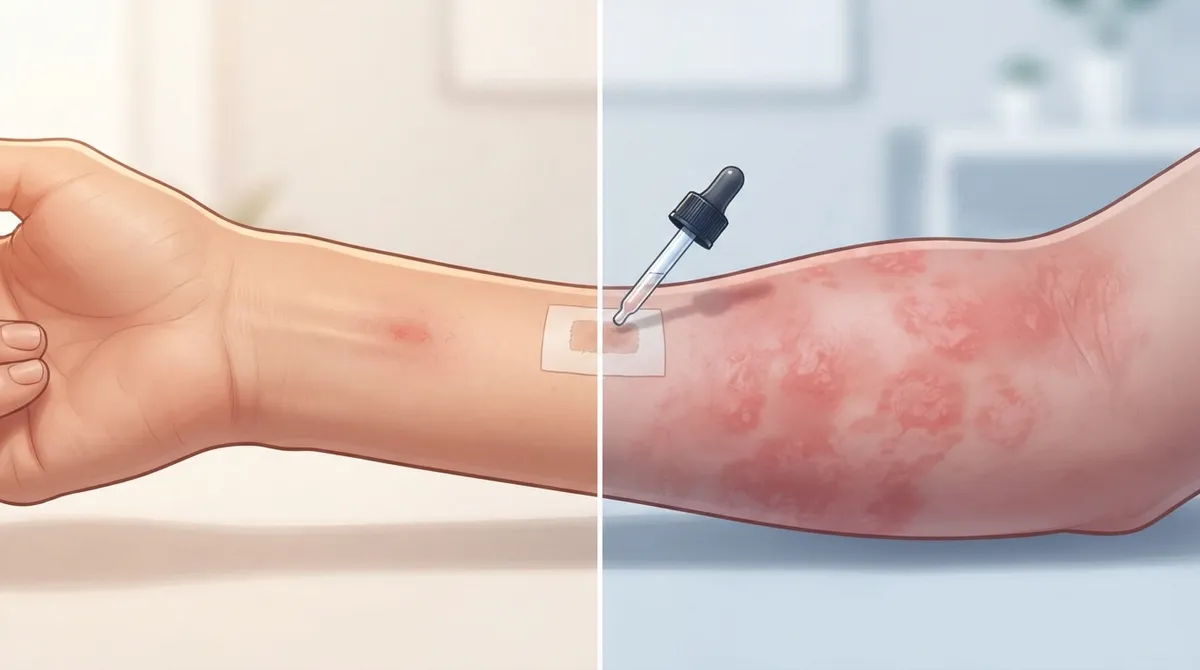
- Distinguish between simple skin irritation and true GHK-Cu allergy by checking if symptoms stay localized and fade within a day (irritation) versus spreading, worsening, or recurring with each use (true allergy requiring medical care).
- Always perform a 24-48 hour patch test on a small skin area before widespread use, especially if you have sensitive skin, known copper sensitivity, or history of allergic contact dermatitis.
- True allergic reactions to GHK-Cu are rare (1-3%), but seek urgent care immediately if you experience facial swelling, hives across the body, difficulty breathing, or symptoms that worsen and spread.
- Most reactions blamed on GHK-Cu stem from other formula ingredients like preservatives or fragrances; start with fragrance-free, lower concentration products and follow recommended usage schedules to minimize irritation risk.
Copper peptide products have become popular for skin health and anti-aging routines. But many people confuse simple skin irritation with a true GHK-Cu allergic reaction. Knowing the difference matters for your safety and your skin. This guide breaks down the signs, causes, and steps to take if you suspect an allergic response.
At InCare, our providers in Tampa and Riverview help patients sort out skin reactions from wellness products every day. Whether you are trying peptide therapy for the first time or you already use copper peptide serums, understanding your body's response is the first step toward safer care.

What Is GHK-Cu and Why Reactions Happen
GHK-Cu is a copper-binding peptide found naturally in the body. It is widely used in skincare and some wellness treatments because it may support skin repair and collagen production. Most people tolerate it well, but a small number experience skin reactions.
These reactions usually happen at the site where the product touches skin. They can range from mild redness to more noticeable irritation. Understanding what causes these responses helps you decide when to stop use and when to seek care.
Irritation vs. True Allergy
Not every reaction to GHK-Cu is an allergy. Many are simple irritation caused by product strength, frequency of use, or sensitive skin. True allergic contact dermatitis is less common but can still occur, especially in people with known copper sensitivity.
The table below shows key differences to help you tell them apart.
|
Feature |
Simple Irritation |
True Allergic Reaction |
|---|---|---|
|
Onset |
Within minutes to hours |
Hours to a day or two later |
|
Location |
Only where applied |
May spread beyond application site |
|
Symptoms |
Mild redness, stinging |
Persistent rash, hives, swelling |
|
Duration |
Fades within a day |
Lasts longer, may worsen |
|
Response to stopping product |
Improves quickly |
May need medical treatment |
13 Signs of a GHK-Cu Allergic Reaction to Watch For
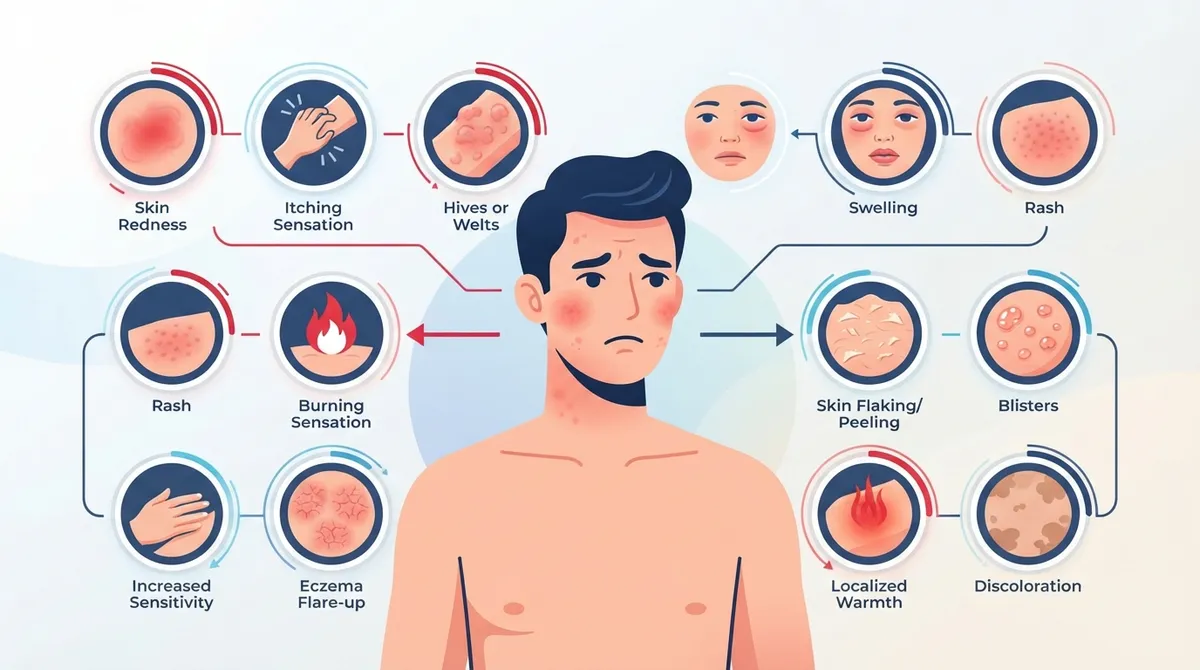
Recognizing symptoms early can prevent bigger problems. Here is a numbered list of the most important signs to monitor after using a copper peptide product.
- Redness that spreads beyond the applied area
- Itching that gets worse instead of better over time
- Hives or raised bumps on the skin
- Swelling around the eyes, lips, or face
- Persistent rash that does not fade after a day
- Blistering or peeling skin
- Burning sensation that lasts for hours
- Dry, cracked patches at the application site
- Skin that feels hot to the touch
- Increased sensitivity to sunlight after use
- Difficulty breathing or tightness in the throat
- Dizziness or lightheadedness after applying the product
- Symptoms that return every time you use the product
If you notice any of the more serious symptoms, such as facial swelling or trouble breathing, seek urgent medical attention right away. This could signal a more serious hypersensitivity reaction, not just skin irritation.
How Common Are GHK-Cu Reactions?
Most reported reactions to copper peptide products are mild and localized. Research on the topic is still growing, but current data gives useful context.
- Local skin reactions in topical studies are generally described as uncommon, with some sources citing rates around 5 to 10 percent
- Pruritus, or itching, occurs in roughly 4 to 6 percent of users, usually right at the application site
- True allergic contact dermatitis from GHK-Cu is considered rare, estimated at 1 to 3 percent in some product contexts
- Copper contact allergy overall is uncommon, with one often-cited review reporting positive patch-test reactions in about 3.8 percent of tested subjects
These numbers show that while reactions can happen, severe allergic responses remain the exception rather than the rule. Still, every reaction deserves attention, especially if you have a history of metal sensitivities.
Formula vs. Peptide: What's Really Causing the Reaction?
Many skin reactions blamed on GHK-Cu are actually caused by other ingredients in the product. Preservatives, fragrances, and impurities can all trigger irritation or allergy on their own.
This is why patch testing matters so much before using any new skincare or wellness product widely on your skin.
How to Patch Test Before Full Use
A patch test is a simple, low-risk way to check your skin's response before applying a product to your whole face or body. Follow these steps for a safe test.
- Choose a small area of skin, such as the inner forearm
- Apply a small amount of the product
- Leave it uncovered and avoid washing the area for 24 to 48 hours
- Check for redness, itching, or swelling during that time
- If no reaction occurs, you can consider wider use with caution
- If irritation appears, stop and consult a primary care provider before trying again
Patch testing is especially important for people with sensitive skin or a known history of metal allergies. This simple step can save you from a bigger reaction later.
Who Should Be Extra Cautious With Copper Peptides
Some people carry a higher risk of experiencing a reaction. Being aware of your personal risk factors helps you make safer choices.
- People with a known copper allergy or metal sensitivity
- Those with a history of allergic contact dermatitis from other products
- Individuals with very sensitive or compromised skin barriers
- Patients using multiple new skincare products at once, making it hard to identify the trigger
- Anyone with a history of eczema or chronic skin conditions
If you fall into one of these groups, talk with a provider before starting any new peptide-based product or therapy.
What to Do If You Suspect an Allergic Reaction
Acting quickly can reduce discomfort and prevent the reaction from getting worse. Here is a clear, step-by-step approach.
- Stop using the product immediately
- Gently wash the area with mild soap and cool water
- Avoid scratching or rubbing the irritated skin
- Apply a cool compress to reduce swelling or itching
- Monitor symptoms over the next 24 hours
- Seek medical care if symptoms worsen or spread
- Avoid re-exposure to the product until you are evaluated
If symptoms include facial swelling, hives across the body, or breathing trouble, this is a medical emergency. Do not wait to see if it improves on its own.
When to Visit Primary Care vs. Urgent Care
Mild irritation that fades within a day can often be managed at home. But persistent rash, spreading redness, or swelling that does not improve should be checked by a professional. Our primary care team can evaluate ongoing skin concerns and help you understand whether it's irritation or a true allergy.
For sudden or severe symptoms like facial swelling or breathing difficulty, our urgent care services in Tampa and Riverview offer fast, same-day evaluation without the long wait typical of an emergency room visit.
Why Professional Guidance Matters for Peptide Therapy
Copper peptides are just one part of a broader category of wellness treatments known as peptide therapy. At InCare, our providers, including Dr. Naveen Paddu and Dr. Pramjeet Ahluwalia, guide patients through safe, personalized approaches to skin health and whole-body wellness.
Working with a knowledgeable provider means you get proper screening before starting any new peptide product. Our team can also help identify whether a reaction is linked to GHK-Cu itself or another ingredient in your routine, similar to how we evaluate other peptide therapies in Tampa.
Comprehensive Skin and Wellness Evaluation
Beyond patch testing, a full evaluation may include reviewing your medical history, current medications, and any known allergies. This thorough approach reduces the risk of unexpected reactions down the road.
Our clinics also offer DNA gene testing to better understand your body's unique sensitivities, which can guide safer product choices for skin and wellness routines.
Comparing Common GHK-Cu Reaction Triggers
Understanding what triggers reactions can help you avoid them. The table below outlines common causes and how to address each one.
|
Trigger |
Description |
Recommended Action |
|---|---|---|
|
High concentration formulas |
Stronger products increase irritation risk |
Start with lower concentrations |
|
Added fragrances |
Common cause of contact irritation |
Choose fragrance-free options |
|
Preservatives |
Can trigger allergic contact dermatitis |
Check ingredient labels carefully |
|
Frequent application |
Overuse can overwhelm the skin barrier |
Follow recommended usage schedule |
|
Underlying skin conditions |
Eczema or rosacea increase sensitivity |
Consult a provider before starting |
Building a Safer Wellness Routine
Skin health is just one piece of a larger wellness picture. At InCare, we focus on whole-body optimization, from body composition analysis to IV hydration and vitamin drips that support overall skin and cellular health from the inside out.
If you're curious about safe ways to explore peptide-based skincare or wellness treatments, our team can walk you through the process step by step. You can also follow our updates and patient tips on Facebook, Instagram, and TikTok for more wellness guidance.
What Makes InCare the Right Choice
Patients across Tampa and Riverview trust InCare for personalized, technology-driven care. Our patient reviews reflect a 4.8 out of 5 rating on Google, with many highlighting our attentive staff and thorough medical guidance.
You can see what our InCare patients say for yourself by visiting our Visit us on Google — InCare profile before your next appointment.
Final Thoughts on GHK-Cu Safety
Most people who use copper peptide products experience no problems at all. But knowing the signs of a true allergic reaction protects your skin and your health. Mild irritation is common and usually manageable, while true allergies require prompt attention.
Patch testing, choosing simple formulas, and consulting a provider before starting new treatments all reduce your risk. If you ever experience a reaction that worsens or spreads, do not wait to get help.
Our team at InCare is ready to answer your questions about GHK-Cu, peptide therapy, and safe wellness practices. Reach out to our care team today or book your appointment now to get personalized guidance for your skin and wellness goals.
FAQs
Q: Can GHK-Cu cause an allergic reaction?
A: Yes, though true allergic reactions are uncommon. Most people experience mild irritation like redness or stinging rather than a genuine allergy. Persistent rash, hives, or spreading swelling suggest a true allergic response that needs evaluation.
Q: What are the symptoms of a GHK-Cu allergy?
A: Symptoms include persistent rash, hives, spreading redness, and swelling that worsens after use. In rare cases, facial swelling or difficulty breathing can occur, which requires urgent medical care immediately.
Q: How do I know if GHK-Cu irritation is not an allergy?
A: Simple irritation usually stays at the application site and fades within a day. A true allergy tends to spread, worsen over time, or return with every use, signaling the need for professional evaluation.
Q: Should I stop using GHK-Cu if my skin turns red?
A: Mild, short-lived redness may just be irritation, but it's wise to pause use and monitor the area. If redness spreads or persists beyond a day, stop the product and consult a primary care provider.
Q: Can a patch test predict a reaction to GHK-Cu?
A: Patch testing on a small skin area for 24 to 48 hours can help identify sensitivity before full use. While not foolproof, it significantly reduces the risk of a widespread reaction.