Key Takeaways
- CJC-1295 is not FDA-approved for any human use and regulatory agencies have flagged significant compounding concerns including limited safety data and potential impurities, making product quality highly variable outside clinical settings.
- CJC-1295 is a synthetic GHRH analog that stimulates the pituitary gland to release its own growth hormone by binding to GHRH receptors and activating a cellular signaling cascade involving cAMP and calcium-dependent release.
- The DAC formulation extends CJC-1295's half-life to 5.8-8.1 days by binding to albumin in blood, allowing less frequent dosing compared to native GHRH which breaks down within minutes.
- Claims about weight loss, muscle gain, and anti-aging lack strong clinical support; the main 2006 study with only 21 healthy adults measured only short-term hormone response, not body composition or longevity outcomes.
- No completed Phase 3 clinical trials exist for any wellness use, making it impossible to establish CJC-1295 as proven effective for anti-aging, weight loss, muscle building, or general wellness optimization.
- CJC-1295 elevates both growth hormone and IGF-1 levels, which can cause side effects including injection-site pain, headaches, water retention, and potential blood sugar changes; longer-term safety risks remain unstudied.
CJC-1295 has become one of the most talked-about peptides in wellness circles. Patients ask about it during consultations, and social media is full of claims about growth hormone, fat loss, and anti-aging effects. But understanding how does CJC-1295 work requires looking past the hype and toward the actual science. This matters especially for anyone considering peptide-related conversations with a primary care provider in Tampa or Riverview.
Whether you are a busy parent researching wellness options, a young professional exploring longevity science, or someone simply curious about what shows up in health forums, this guide breaks down the biology, the evidence, and the safety questions in plain language. We will walk through 13 key facts that explain how this compound interacts with your body, what research actually supports, and why speaking with a qualified clinician matters before considering any peptide-related therapy. For broader guidance on peptide therapy in Tampa, InCare offers medically supervised consultations grounded in current evidence.
1. CJC-1295 Is a Synthetic Growth Hormone-Releasing Hormone Analog
CJC-1295 is not growth hormone itself. It is a lab-made version of growth hormone-releasing hormone, also called GHRH. Instead of supplying the body with hormone directly, it tells the pituitary gland to release more of its own growth hormone. This distinction matters because it changes how the body responds and how long effects may last.
2. It Works by Activating a Specific Signaling Pathway
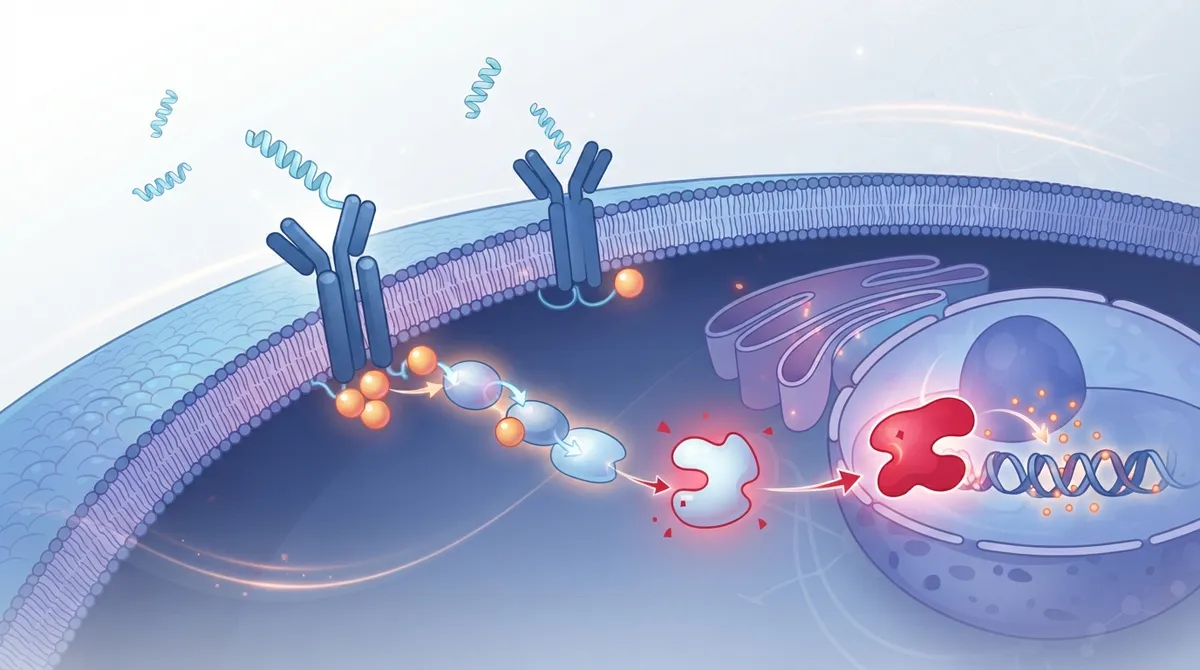
To understand how does CJC-1295 work at the cellular level, you need to look at pituitary cells called somatotrophs. CJC-1295 binds to GHRH receptors on these cells. This binding activates a chain reaction involving a protein called Gs, an enzyme called adenylyl cyclase, and a messenger molecule called cAMP.
This chain reaction does two things. First, it triggers calcium-dependent release of stored growth hormone. Second, it increases the cell's production of new growth hormone through gene activity. In simple terms, it both releases stored hormone and encourages the body to make more.
3. The DAC Version Sticks Around Much Longer
Most versions of CJC-1295 used in research include something called Drug Affinity Complex, or DAC. This technology allows the peptide to bind to albumin, a common protein in your blood. Once attached, it avoids being cleared from the bloodstream too quickly.
- Native GHRH breaks down within minutes.
- CJC-1295 without DAC lasts a bit longer but still requires frequent dosing.
- CJC-1295 with DAC has an estimated half-life of approximately 5.8 to 8.1 days, based on published pharmacokinetic data.
This extended half-life is the main reason CJC-1295 with DAC gained attention in research settings. It allows for less frequent dosing compared to short-acting GHRH compounds.
4. Growth Hormone Increases Trigger a Second Hormone: IGF-1
Growth hormone does not act alone. Once released, it travels to the liver and other tissues, where it stimulates production of insulin-like growth factor 1, known as IGF-1. This second hormone is responsible for many of the longer-lasting effects associated with growth hormone activity, including tissue growth and metabolic changes.
CJC-1295 therefore increases both growth hormone and IGF-1. However, having higher levels of these hormones does not automatically mean better health outcomes. The clinical significance of these increases in otherwise healthy adults remains an open question among researchers.
5. The Core Research Comes From a Single 2006 Study
Much of what we know about CJC-1295's hormone effects traces back to one foundational study. Teichman and colleagues published a randomized, placebo-controlled Phase 1 trial in the Journal of Clinical Endocrinology & Metabolism in 2006.
|
Study Detail |
Finding |
|---|---|
|
Participants |
Approximately 21 healthy adults |
|
Growth hormone increase (single dose) |
2- to 10-fold, dose-dependent, lasting 6+ days |
|
IGF-1 increase (single dose) |
1.5- to 3-fold above baseline, lasting 9 to 11 days |
|
Half-life (CJC-1295 with DAC) |
Approximately 5.8 to 8.1 days |
|
Repeated dosing effect on IGF-1 |
Remained above baseline for up to 28 days |
This was an early-phase study designed to measure hormone response and tolerability. It was not designed to prove long-term benefits for weight loss, muscle building, or anti-aging goals.
6. Small Study Size Means Limited Conclusions
With only about 21 participants, this research cannot answer questions about long-term safety or effectiveness for specific wellness goals. Small early-phase trials are useful for understanding basic biology, but they are not enough to support broad health claims.
7. No Completed Phase 3 Trials Exist for Wellness Uses
Larger, later-stage clinical trials called Phase 3 studies are needed before a treatment can be considered proven for a specific use. As of now, no completed Phase 3 program has established CJC-1295 as an approved option for:
- Anti-aging or longevity support
- Weight loss or fat reduction
- Muscle building or athletic performance
- General wellness optimization
This gap in the evidence is important context for anyone considering peptide-related options during a wellness consultation.
8. CJC-1295 Is Not FDA Approved for Any Human Use
This is one of the most important facts to understand. The FDA has not approved CJC-1295 for any medical indication. Additionally, regulatory guidance has flagged this compound as presenting significant compounding concerns, including limited safety data and potential impurities in manufactured products.
Because of this, product quality, sterility, and labeling accuracy can vary widely depending on the source. Anyone researching this topic should verify current legal status directly with the FDA or their state pharmacy board before drawing conclusions.
9. Potential Side Effects Are Tied to Hormone Elevation
Raising growth hormone and IGF-1 levels can come with side effects. Reported issues in research and clinical observation include:
- Injection-site pain or redness
- Flushing or warmth sensations
- Headache
- Water retention or swelling
- Joint or muscle discomfort
- Possible changes in blood sugar regulation
Longer-term risks have not been well studied, which makes ongoing monitoring an important consideration for anyone exploring this area with a clinician.
10. CJC-1295 Is Often Confused With Similar Compounds
Several related peptides get mixed up with CJC-1295, and the differences matter. CJC-1295 without DAC has a much shorter half-life. Other GHRH-related compounds, such as tesamorelin, have different dosing schedules and different regulatory histories.
|
Compound |
Half-Life |
Key Difference |
|---|---|---|
|
Native GHRH |
Minutes |
Rapidly broken down |
|
CJC-1295 without DAC |
Short (hours) |
Requires frequent dosing |
|
CJC-1295 with DAC |
5.8 to 8.1 days |
Albumin-binding extends exposure |
|
Tesamorelin-related compounds |
Varies |
Different evidence base and regulatory status |
Confusing these compounds can lead to misunderstandings about dosing, safety, and expected effects.
11. Claims About Weight Loss and Muscle Gain Outpace the Evidence
Marketing materials sometimes suggest CJC-1295 supports fat loss, lean muscle gain, or anti-aging benefits. The published research does not support these specific claims in healthy adults. The main controlled study measured short-term hormone response and tolerability, not body composition outcomes or aging markers.
Anyone considering a wellness program built around measurable, evidence-based methods may want to explore options like medically supervised weight loss programs or body composition analysis that rely on established science and technology.
12. Product Quality Varies Significantly Outside Clinical Settings
Because CJC-1295 lacks FDA approval, products sold online or through unregulated sources may not match their labels. Concerns include:
- Uncertain identity of the actual compound in the vial
- Inconsistent potency between batches
- Sterility issues that raise infection risk
- Improper storage that degrades the product
- Inaccurate or missing labeling information
These quality concerns are a major reason clinical oversight matters. A licensed provider can help you understand sourcing risks and avoid products that may not be safe.
13. Professional Guidance Matters Before Considering Any Peptide
Given the limited evidence, regulatory status, and possible side effects, any conversation about CJC-1295 should happen with a qualified healthcare provider. A thorough evaluation should include your medical history, current medications, and specific health goals.
At InCare, providers such as Dr. Naveen Paddu and Dr. Pramjeet Ahluwalia emphasize evidence-based approaches to wellness. If you are curious about peptide therapy or want to discuss alternatives grounded in stronger clinical evidence, reviewing options through a trusted provider team is a responsible first step.
Questions to Ask Before Considering CJC-1295
If you are researching this compound for yourself, consider bringing these questions to your next appointment:
- What does current research actually show about safety and effectiveness?
- How would this interact with my existing health conditions or medications?
- What monitoring would be needed, such as blood sugar or hormone panels?
- Are there better-studied alternatives for my specific health goal?
- What is the legal and regulatory status of this compound right now?
How InCare Approaches Peptide-Related Conversations
InCare, with locations in Tampa and Riverview, focuses on evidence-based primary care and wellness services. Rather than relying on unverified claims, the clinical team prioritizes transparency about what research does and does not support. This includes services like DNA gene testing, metabolic breath analysis, and IV hydration therapy, all grounded in measurable outcomes.
Patients who want a second opinion on peptide-related questions, or who are simply exploring wellness optimization, can review feedback from the community. Many patients share their experiences on Facebook and Instagram, and you can also see what current patients say by visiting InCare on Google. For quick wellness tips and updates, InCare also shares content on TikTok.
Final Thoughts on How CJC-1295 Works
Understanding how does CJC-1295 work means separating real biology from marketing claims. The compound does stimulate growth hormone and IGF-1 release through a well-defined signaling pathway, and its DAC formulation does extend its presence in the bloodstream for several days. However, the leap from these findings to proven wellness, anti-aging, or weight loss benefits is not supported by strong clinical evidence.
If you are curious about peptide science or want a personalized wellness plan built on proven methods, the team at InCare can help you explore your options safely. You can reach out to our care team with questions, or go ahead and schedule your appointment today to start a conversation grounded in real science and personalized care.
FAQs
Q: What is CJC-1295 and what is it used for?
A: CJC-1295 is a synthetic analog of growth hormone-releasing hormone designed to stimulate the pituitary gland's own growth hormone release. It has been studied in early-phase research settings but is not FDA approved for any human medical use, including weight loss or anti-aging.
Q: How does CJC-1295 increase growth hormone and IGF-1?
A: CJC-1295 binds to GHRH receptors on pituitary cells, activating a signaling pathway that triggers hormone release and increases growth hormone gene activity. This elevated growth hormone then stimulates the liver to produce more IGF-1, a hormone linked to longer-lasting metabolic effects.
Q: What is the difference between CJC-1295 with DAC and without DAC?
A: CJC-1295 with DAC binds to albumin in the blood, extending its half-life to approximately 5.8 to 8.1 days. Without DAC, the compound clears much faster, requiring more frequent dosing to maintain any hormone-stimulating effect.
Q: Does CJC-1295 help with weight loss, muscle growth, or anti-aging?
A: The main published research measured hormone response and short-term tolerability in healthy adults, not weight loss, muscle building, or anti-aging outcomes. Claims about these benefits are not currently supported by strong clinical evidence.
Q: Is CJC-1295 FDA approved or legal to obtain through a compounding pharmacy?
A: CJC-1295 has not received FDA approval for any human indication, and regulatory guidance has raised concerns about compounding this substance due to limited safety data. Anyone interested should verify current legal status with the FDA and their state pharmacy board before considering use.