Key Takeaways
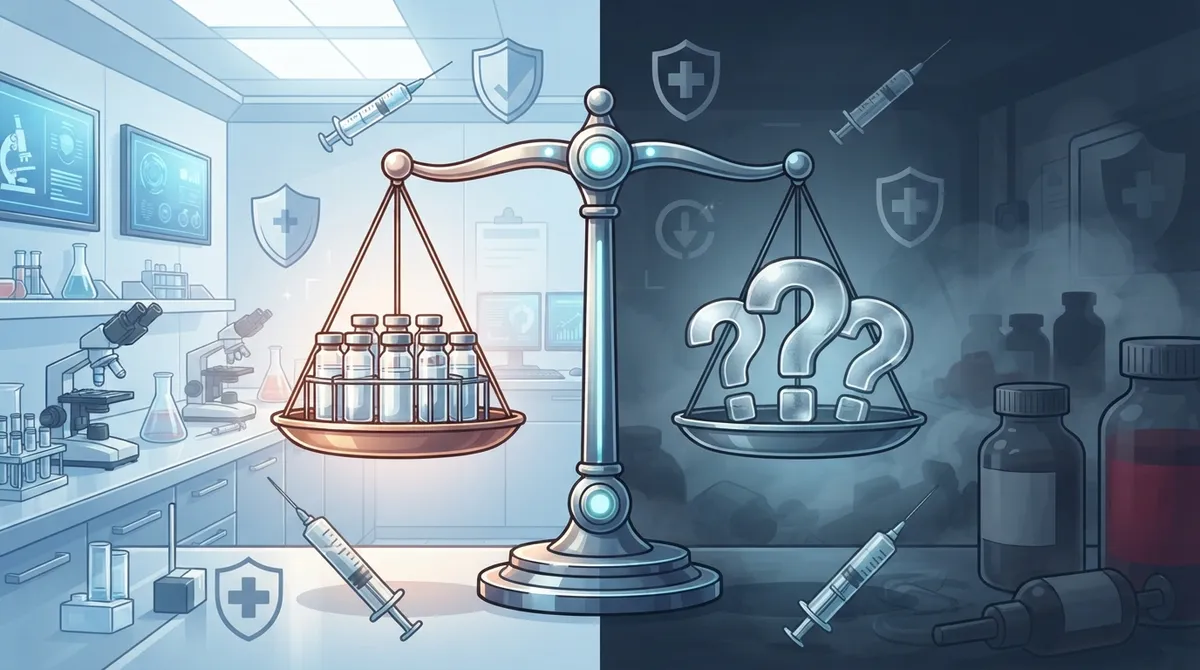
- A 2025 systematic review found 35 of 36 BPC-157 studies were preclinical (lab/animal only), with just 1 small uncontrolled human study and zero controlled trials proving effectiveness for ligament healing in humans.
- Neither BPC-157 nor TB-500 is FDA-approved for ligament injuries; online peptides carry contamination risks, unverified dosing, and unknown purity since they bypass regulated pharmacy standards.
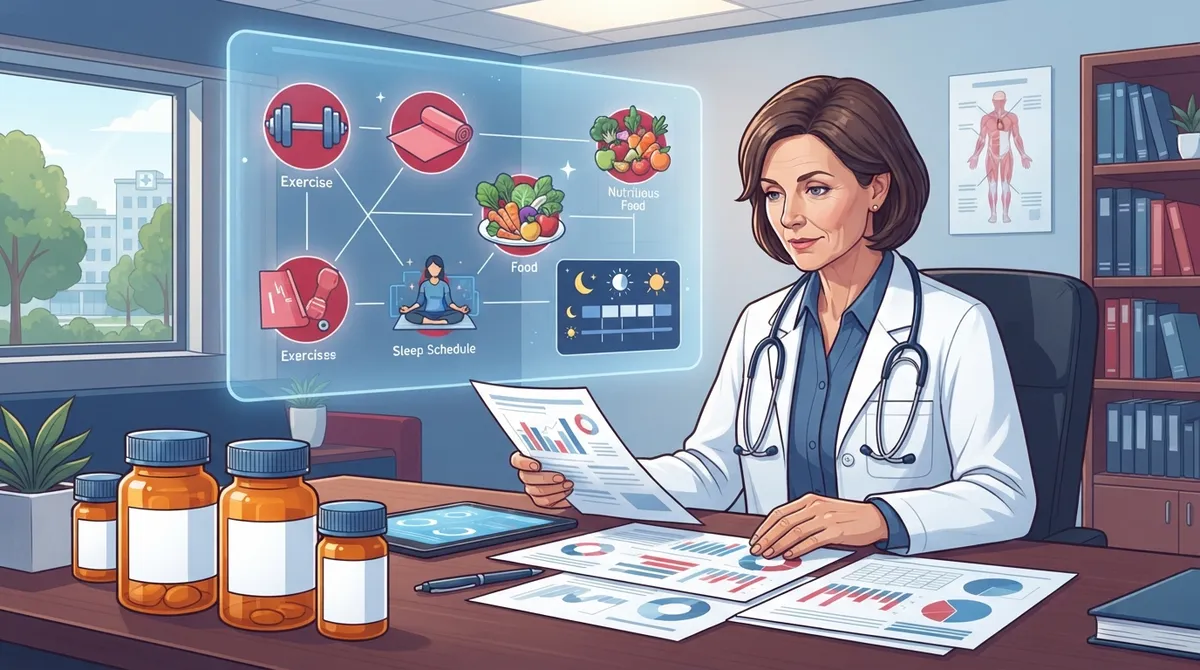
- Proven ligament recovery includes rest, bracing, physical therapy, and progressive loading over 6-12 months for severe tears—skipping these evidence-based steps to try unproven peptides can actually delay healing and increase reinjury risk.
- BPC-157 is prohibited by the World Anti-Doping Agency, so athletes using it unknowingly could lose eligibility; always verify current anti-doping rules before considering any peptide product.
If you've torn a ligament, you want to heal fast. Scrolling through social media, you may have seen ads for BPC-157 or TB-500. These peptides claim to speed up recovery and repair damaged tissue. But before you try one, you need the facts. This guide breaks down what science actually shows about peptide therapy for torn ligaments, and what real recovery looks like in 2026.
At InCare, our providers see patients across Tampa and Riverview who ask about these trending peptides. We believe in giving you honest, evidence-based answers. That means separating hype from proof, and helping you choose safe, effective care for your injury.
1. What Is Peptide Therapy for Torn Ligaments, Really?
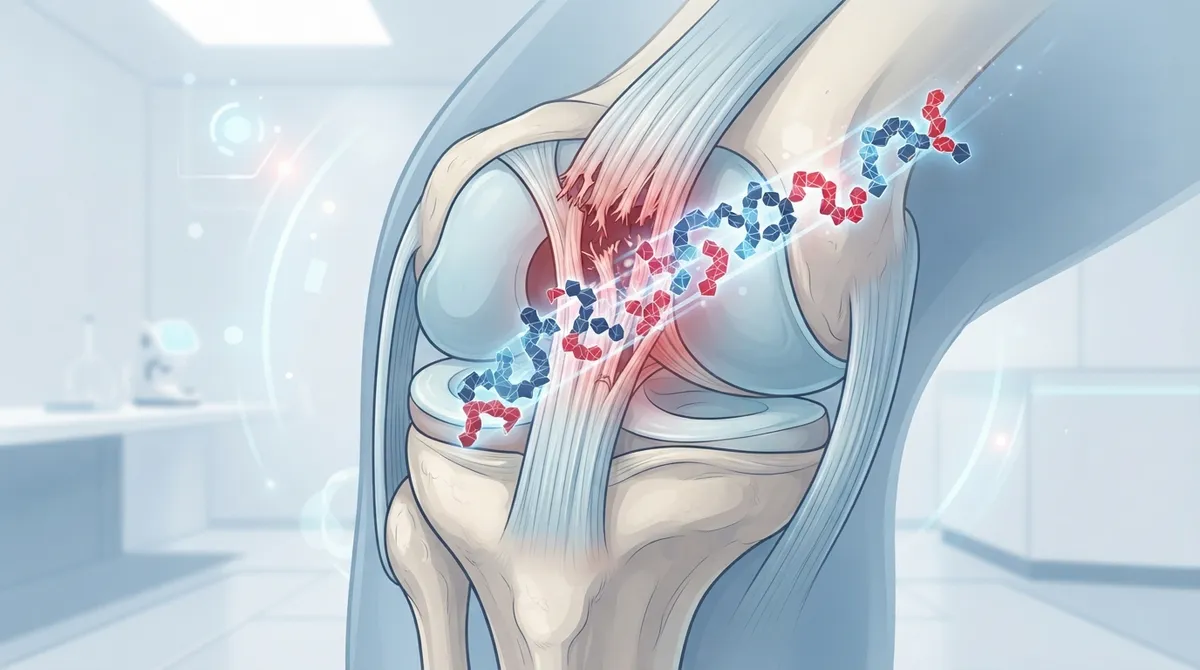
"Peptide therapy" for ligament injuries usually means using lab-made compounds like BPC-157 or TB-500. These are short chains of amino acids. Marketers claim they reduce swelling, grow new blood vessels, and rebuild torn tissue. But most of these claims come from lab dishes and animal tests, not human trials.
2. BPC-157: The Most Talked-About Peptide
BPC-157 is a synthetic peptide based on a protein found in stomach fluid. Online sellers promote it for tendon, ligament, and muscle repair. The idea sounds appealing. Unfortunately, the human research supporting these claims barely exists.
3. TB-500 and Its Weak Human Evidence
TB-500 is marketed as a form of thymosin beta-4, a naturally occurring protein. Some studies have tested topical thymosin beta-4 for wounds and eye conditions. But no controlled human trial has ever tested injectable TB-500 for torn ligaments, tendons, or muscles. Wound-healing data cannot be used to prove injury-recovery claims.
4. What the 2025 Research Actually Found
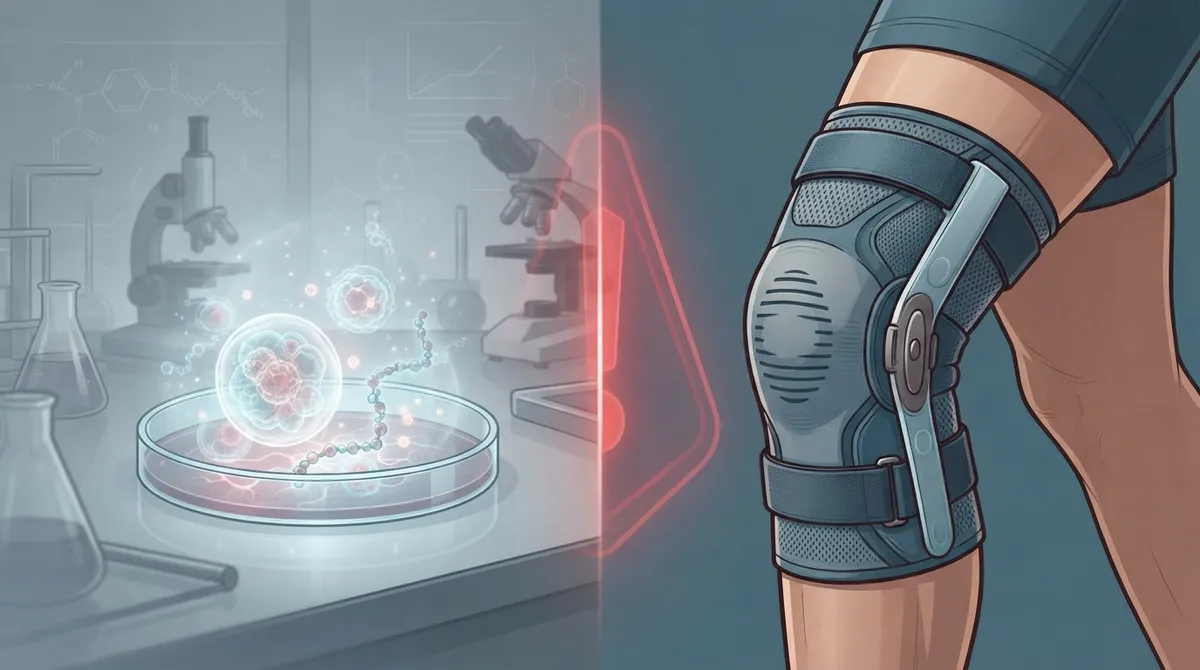
A 2025 systematic review looked at BPC-157 use in orthopedic sports medicine. Researchers found 36 relevant studies. Almost all were done in labs or animals, not people. This gap is huge, and it means claims about ligament healing in humans remain unproven.
|
Study Type |
Number of Studies |
What It Tells Us |
|---|---|---|
|
Preclinical (lab/animal) |
35 of 36 |
Shows possible mechanisms only |
|
Human clinical |
1 of 36 |
Small, uncontrolled, not ligament-specific |
|
Controlled human trials |
0 |
No proof of effectiveness or safety |
5. The One Human Study You'll Hear About
One small report followed 12 patients who got BPC-157 shots for chronic knee pain. Seven said their pain improved for more than six months. Sounds promising, right? Not quite. The study had no control group, didn't test ligament tears specifically, and relied on personal reports rather than measured healing.
6. Safety Data Is Almost Nonexistent
A 2025 pilot study gave intravenous BPC-157 to just two healthy adults. No major side effects showed up in that short window. But two people is not enough to prove anything about long-term safety, correct dosing, or risks for people with injuries. This is one of many reasons safety questions remain unanswered.
- No large safety trials exist for BPC-157 in humans
- No completed controlled trials exist for injectable TB-500
- Dosing standards are not established by any medical authority
- Long-term effects on tissue, organs, and hormones are unknown
7. FDA Approval Status: What You Need to Know
Neither BPC-157 nor TB-500 is approved by the FDA to treat torn ligaments. Some versions are sold as "research chemicals" or through compounding pharmacies. This creates real risk. Products bought online may not contain what the label claims. Sterility, dosage accuracy, and purity are not guaranteed.
8. The Hidden Risks of Buying Peptides Online
Online peptide vendors are not regulated the way licensed pharmacies are. This raises serious concerns for anyone considering these products.
- Contamination risk from unclean manufacturing environments
- Incorrect concentration, meaning you could get too much or too little
- Unknown storage conditions that degrade the product before it reaches you
- No way to confirm the product is even the peptide it claims to be
- Zero medical oversight if something goes wrong
9. Why Athletes Need to Be Extra Careful
If you compete in sports, this matters even more. The World Anti-Doping Agency lists BPC-157 as a prohibited substance. Using it, even unknowingly, could cost you eligibility or a title. Always check current rules and talk with a sports-medicine professional before trying any peptide product.
10. What Your Primary Care Doctor Should Ask
If you're thinking about peptide therapy, your provider needs the full picture. A responsible clinician will:
- Ask if you've used any nonprescription injections or peptides
- Document the exact product, dose, and route used
- Check for possible drug interactions or health risks
- Make sure peptide use isn't delaying real treatment or diagnosis
Our team at InCare takes this approach seriously. If you're exploring options like peptide therapy in Tampa, we walk you through what's proven and what's still experimental before you make any decisions.
11. Proven Recovery Steps for a Torn Ligament
While peptide therapy stays unproven for ligament tears, real recovery methods do work. Depending on the ligament and severity, treatment usually includes:
- Rest and activity modification to protect the injury
- Bracing or immobilization for moderate to severe tears
- Pain management using proven, monitored methods
- Structured physical therapy to rebuild strength and stability
- Progressive loading exercises as healing improves
- Orthopedic evaluation for grading and imaging
- Surgical reconstruction when the ligament is fully torn
12. How Long Ligament Healing Really Takes
Healing time depends on which ligament is torn and how bad the damage is. Mild sprains may heal in a few weeks. Severe tears, especially those needing surgery, can take six to twelve months for full recovery. Skipping proper rehab to try unproven peptides can actually slow your progress and increase reinjury risk.
13. Why Whole-Body Primary Care Matters More Than Trends
Chasing the newest wellness trend can distract from what actually helps you heal. A trusted primary care team looks at your whole health picture, not just one injury. At InCare, our providers combine modern diagnostics with proven treatment plans, so you get real answers instead of guesswork.
We also offer supportive services like IV hydration therapy and body composition analysis to help your body recover and perform at its best. These tools work alongside, not instead of, evidence-based ligament care.
Making a Smart, Safe Decision About Peptide Therapy
Torn ligaments are painful and frustrating. It makes sense to want a fast fix. But the current science on BPC-157 and TB-500 doesn't support using them as proven ligament treatments. The 2025 research is clear: most studies are preclinical, human data is limited, and safety remains unknown.
Instead of gambling on unregulated products, talk with a licensed provider who can properly diagnose your injury. Our clinics in Tampa and Riverview offer thorough evaluations, imaging referrals, and coordinated care with orthopedic specialists when needed. You can also explore our primary care services to build a long-term health plan that supports your recovery.
Curious what real patients say about their experience? You can visit us on Google — InCare to read reviews from people across the Tampa Bay area. You can also follow our updates on Facebook, Instagram, and TikTok for more wellness tips and clinic news.
If you're dealing with a ligament injury and want expert guidance, don't wait. Book your appointment today and let our team create a safe, personalized recovery plan built on real evidence, not internet trends. You can also get in touch with our team with any questions about your treatment options.
FAQs
Q: Can BPC-157 heal a torn ligament in humans?
A: There is no strong human evidence proving BPC-157 heals torn ligaments. Most research comes from lab and animal studies, and the few small human studies did not test ligament healing directly.
Q: Is TB-500 FDA approved for ligament injuries?
A: No, TB-500 is not FDA approved for ligament injuries or any sports-related recovery use. No controlled human trial has tested injectable TB-500 for this purpose.
Q: Are BPC-157 and TB-500 safe to inject?
A: Safety has not been established through proper human trials. Products sold online may also carry contamination or dosing risks, since they are not regulated like prescription medications.
Q: Can peptide therapy replace surgery or physical therapy for a torn ligament?
A: No. Peptide therapy should never replace proven treatments like physical therapy, bracing, or surgery. Delaying evidence-based care can slow healing and increase your risk of reinjury.
Q: How long does a torn ligament take to heal with standard treatment?
A: Healing time varies by severity. Mild sprains may improve in a few weeks, while severe tears requiring surgery can take six to twelve months for full recovery.