
Key Takeaways
- Cysteine is the limiting factor in glutathione production; focus on cysteine-rich foods or NAC supplements rather than direct glutathione supplements for more efficient natural production.
- Lifestyle habits (adequate protein, quality sleep, moderate exercise, avoiding smoking/alcohol, managing chronic conditions) have stronger evidence than supplements for supporting natural glutathione production.
- NAC and GlyNAC supplements show measurable improvements in oxidative stress markers, but benefits fade after stopping; they only work during active use, not as a permanent reserve.
- Oral glutathione supplements can raise blood levels by 30-35% with consistent use, but clinical trials show no significant difference versus placebo for actual health outcomes like skin improvement.
- Routine glutathione testing isn't standardized or necessary for healthy adults; instead, focus on managing overall health factors like diet, sleep, and chronic disease with your healthcare provider.
- Smoking, heavy alcohol use, chronic inflammation, and poor sleep are major drains on glutathione reserves; addressing these root causes is more effective than supplementation alone.
Your body makes its own antioxidant every single day. It's called glutathione, and it plays a huge role in how you feel, heal, and age. Many people in Tampa and Riverview are now asking their doctors about glutathione production because they want to feel more energized and protect their long-term health. But separating real science from marketing hype can be tricky.
This guide breaks down exactly how your body produces glutathione naturally. You'll learn which habits support this process, what supplements actually do, and which claims you should question. We'll also cover safety, cost, and when it makes sense to talk with a primary care provider about your antioxidant status. Whether you're a busy parent, a wellness-focused professional, or simply curious about anti-aging science, this article gives you clear, evidence-based answers.
What Is Glutathione and Why Does It Matter?
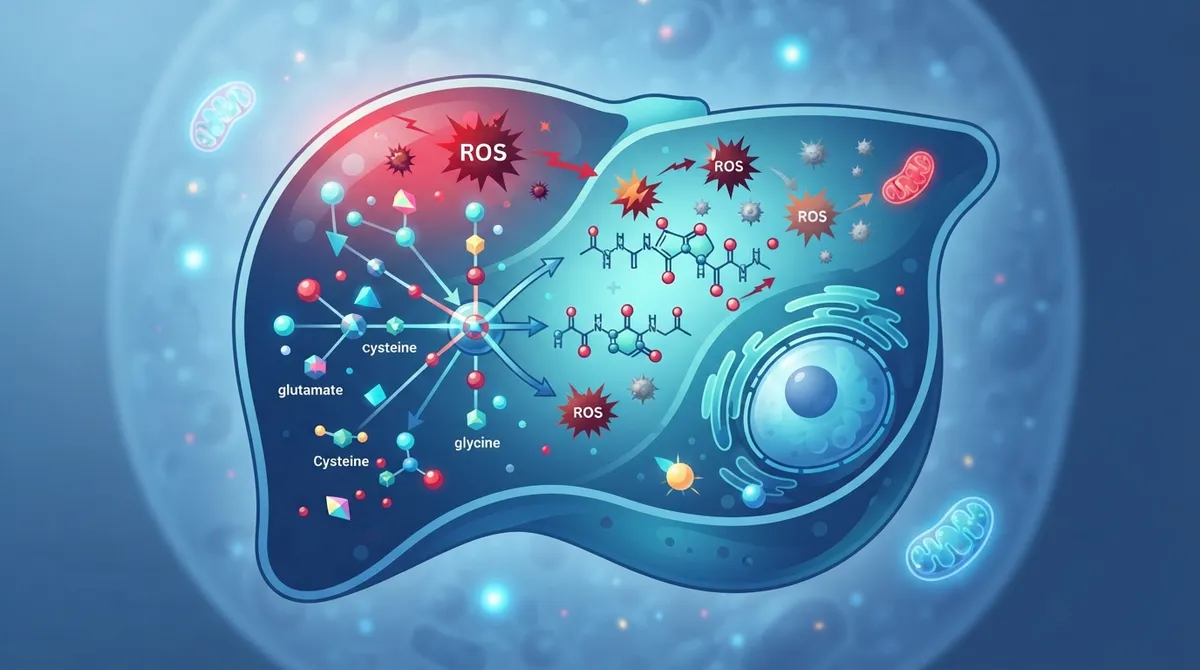
Glutathione is a small protein made from three building blocks: glutamate, cysteine, and glycine. Your cells make it constantly to fight oxidative stress and support detox pathways. Think of it as your body's built-in cleanup crew, working around the clock in nearly every cell you have.
This antioxidant helps regulate immune function, supports liver health, and protects cells from damage. It exists in two forms: the active form (GSH) and an oxidized form (GSSG). The ratio between these two forms gives doctors a rough idea of your cellular stress levels, though testing isn't standardized enough for routine use in every wellness visit.
12 Ways Glutathione Production Works and How to Support It
1. Understanding the Two-Step Production Process
Your body builds glutathione through two chemical reactions, both requiring energy (ATP). First, an enzyme called glutamate-cysteine ligase joins glutamate and cysteine together. This is the slowest, most limited step in the whole process. Then a second enzyme called glutathione synthetase adds glycine to complete the molecule (Frontiers in Medicine, 2023).
2. Recognizing Cysteine as the Limiting Factor
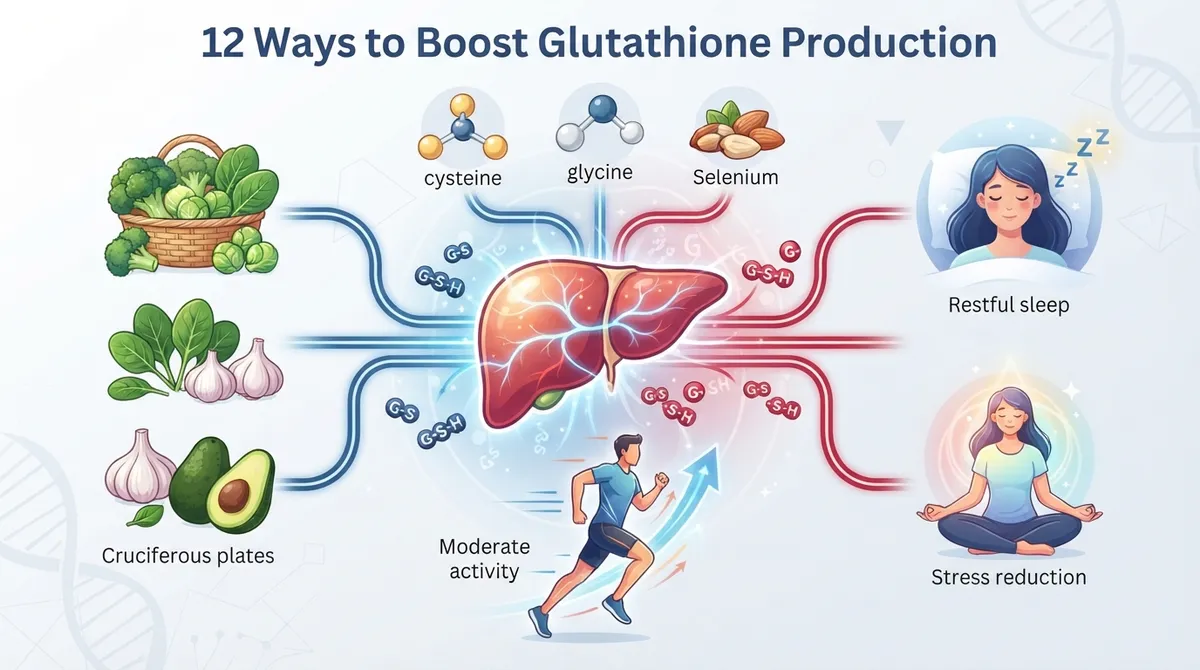
Cysteine is often the missing piece. Your body can make glutamate and glycine fairly easily, but cysteine is harder to come by through diet alone. This is why many wellness programs focus on cysteine-rich foods or supplements as a starting point for supporting production.
3. Eating Protein-Rich Foods Daily
Adequate protein intake gives your body the raw materials it needs. Foods like eggs, poultry, fish, and dairy all contain the amino acids required for glutathione synthesis. Legumes, nuts, and seeds are excellent plant-based options too. However, diet alone won't fix a significant deficiency if one exists.
4. Adding Sulfur-Rich Vegetables to Your Plate
Cruciferous vegetables like broccoli, cauliflower, and Brussels sprouts contain sulfur compounds that support natural detox pathways. These foods don't directly contain large amounts of glutathione, but they help your body's own production machinery work more efficiently.
5. Prioritizing Quality Sleep
Sleep is when your body repairs and resets. Poor sleep increases oxidative stress, which places extra demand on your glutathione stores. Getting seven to nine hours of quality sleep supports your body's natural antioxidant defenses.
6. Exercising Regularly but Not Excessively
Moderate exercise can boost antioxidant defenses over time. However, extremely intense or prolonged exercise without proper recovery can temporarily deplete glutathione levels. Balance is key here, not extremes in either direction.
7. Quitting Smoking and Limiting Alcohol
Smoking and heavy alcohol use are two of the biggest drains on glutathione reserves. Both increase oxidative stress and toxin exposure, forcing your body to use up antioxidants faster than it can replace them. Cutting back or quitting entirely gives your natural production systems a real chance to catch up.
8. Managing Chronic Health Conditions
Conditions like diabetes, chronic inflammation, and metabolic disease are linked to lower glutathione availability. Managing these conditions with help from a primary care provider addresses the root cause rather than just the symptom. This approach has broader evidence behind it than supplements alone.
9. Considering NAC as a Precursor Option
N-acetylcysteine, or NAC, supplies cysteine directly to support your body's own production. It's a popular option because it's generally well tolerated. A 2024 dose-response meta-analysis found NAC improved markers of oxidative stress across several controlled trials, though results varied by dose and condition.
10. Exploring GlyNAC for Combined Support
GlyNAC combines glycine and NAC to supply both key precursors at once. A 2023 study using roughly 100 mg/kg per day of each component for 16 weeks in older adults reported improvements in glutathione deficiency markers. Larger, longer trials are still needed before this becomes a routine recommendation for healthy adults.
11. Weighing Oral Glutathione Supplements Carefully
Oral glutathione supplements can raise measured levels in blood and cells, especially with consistent use over several months. A well-known 2015 trial gave 54 healthy adults either 500 or 1,000 mg daily for six months. The higher dose group saw roughly 30 to 35 percent increases in several blood markers (Richie et al., 2015).
12. Understanding That Benefits Fade After Stopping
That same six-month study found something important: glutathione levels dropped back down after people stopped taking the supplement. This tells us supplementation doesn't create a permanent reserve. It only works while you're actively taking it, which matters when planning a long-term wellness strategy.
Comparing Glutathione Support Approaches
|
Approach |
How It Works |
Evidence Level |
Typical Duration Studied |
|---|---|---|---|
|
Dietary protein and sulfur foods |
Supplies natural building blocks |
Foundational, broad support |
Ongoing habit |
|
NAC supplementation |
Provides cysteine precursor |
Moderate, condition-specific |
Weeks to months |
|
GlyNAC combination |
Supplies glycine and cysteine together |
Emerging, promising in older adults |
16 weeks in studies |
|
Oral glutathione |
Direct supplementation |
Limited but measurable increases |
Up to 6 months in trials |
|
Injectable glutathione |
Bypasses digestion |
Limited, safety varies by product |
Varies widely |
What the Research Actually Shows
It's important to separate mechanism from meaningful outcomes. Just because a supplement raises a biomarker doesn't mean it improves how you feel or live longer. A 2024 randomized clinical trial tested oral NAC against a placebo for facial melasma, a common skin pigmentation issue. Both groups saw a 12 percent reduction in severity scores after eight weeks, with no significant difference between them (p=0.613).
This is a great example of why wellness clinics should set realistic expectations. Glutathione products may support general antioxidant status, but broad claims about detoxification, anti-aging, or skin lightening are not solidly established in clinical research.
Common Factors That Lower Glutathione Availability
- Aging, which naturally reduces production capacity over time
- Chronic inflammation from untreated health conditions
- Poor nutrition, especially low protein intake
- Ongoing infections or illness
- Smoking and heavy alcohol consumption
- Long-term exposure to environmental toxins
- Sustained oxidative stress from poor sleep or high stress
These associations don't prove that taking a supplement will fix the underlying problem. They simply show why your body's demand for antioxidants can outpace supply in certain situations.
Safety Considerations Before You Start
Oral glutathione and NAC have generally been well tolerated in controlled studies. The most common side effects are mild gastrointestinal symptoms like nausea or stomach upset. Still, safety depends on your personal health history, current medications, and the specific product you choose.
- Talk with a healthcare provider before starting any new supplement, especially if you're pregnant or breastfeeding
- Disclose all medications to avoid potential interactions
- Mention any history of asthma, kidney disease, or liver disease
- Choose reputable products with third-party testing when possible
- Start with lower doses to assess tolerance
- Monitor for any unusual symptoms and report them promptly
People with asthma should be particularly cautious with NAC, as it has been linked to bronchospasm in rare cases. A quick conversation with your provider can help you avoid unnecessary risk.
Should You Get Your Glutathione Levels Tested?
For most healthy adults, routine glutathione testing isn't necessary. Laboratory measurement methods aren't standardized enough across providers to give consistent, actionable results. Instead, many primary care providers focus on the bigger picture: your diet, sleep, chronic disease management, and lifestyle habits.
If you're dealing with a specific chronic condition or unexplained fatigue, a broader health risk assessment may be more useful than an isolated glutathione test. This gives your doctor a fuller picture of what's actually driving your symptoms.
How InCare Approaches Whole-Body Wellness
At InCare, we believe in combining smart nutrition guidance, chronic disease management, and advanced technology to support your body's natural systems. Our team in Tampa and Riverview offers DNA gene testing, body composition analysis, and IV hydration and vitamin drips as part of a personalized wellness plan built around your actual health data, not guesswork.
We also recognize that trends move fast in the wellness world. That's why our providers focus on evidence-based recommendations rather than chasing every new claim. If you're curious about antioxidant support, weight management, or general primary care, our Tampa and Riverview teams are ready to walk you through your options with honesty and clarity.
Lifestyle Habits That Matter More Than Supplements
Before reaching for a bottle, consider these foundational habits that have stronger research support:
- Eating a balanced diet with adequate protein at every meal
- Getting consistent, quality sleep most nights of the week
- Staying physically active with a mix of cardio and strength training
- Managing stress through activities you actually enjoy
- Avoiding tobacco products and limiting alcohol intake
- Working with a doctor to manage chronic conditions like diabetes
These fundamentals support your body's natural glutathione production far more reliably than most supplements on the market today.
Making an Informed Decision
Glutathione production is a normal, essential process happening in your body right now. Supporting it through good nutrition, sleep, and lifestyle choices makes sense for almost everyone. Supplements like NAC or GlyNAC may offer additional support for specific situations, but they aren't magic fixes and shouldn't replace a comprehensive approach to your health.
If you're considering glutathione supplementation or want a personalized wellness plan, working with a trusted provider matters. You can follow along with wellness tips and patient stories on our Facebook page, see everyday health content on Instagram, or catch quick wellness tips on Tik Tok. Many patients also visit us on Google — InCare to read real reviews before booking their first visit.
Ready to Talk to a Provider About Your Wellness Goals?
Understanding glutathione production is just one piece of the bigger health puzzle. Our team at InCare in Tampa and Riverview is here to help you build a wellness plan grounded in real science, not hype. Whether you want to discuss supplements, chronic disease management, or advanced testing options, we're ready to listen.
Ready to get started? Book your appointment today and take the next step toward whole-body wellness with a team that puts your health first.
FAQs
Q: What is glutathione and why is it important for health?
A: Glutathione is a natural antioxidant your body makes from three amino acids: glutamate, cysteine, and glycine. It supports immune function, helps regulate detox pathways, and protects cells from oxidative damage. Nearly every cell in your body relies on it for basic protective functions.
Q: Can oral glutathione supplements actually raise cellular glutathione levels?
A: Yes, small clinical trials suggest oral glutathione can increase measured levels in blood and cells, particularly with consistent use over several months. However, these increases decline after supplementation stops, meaning the effect isn't permanent. Long-term health benefits beyond biomarker changes remain unproven for generally healthy adults.
Q: Is NAC a better option than taking glutathione directly?
A: NAC supplies cysteine, a key building block your body uses to make its own glutathione. Both approaches show measurable effects on biomarkers in controlled studies, but neither has strong evidence for major health benefits in healthy people. Your primary care provider can help determine which option fits your specific situation.
Q: Are glutathione injections safe and effective?
A: Safety depends heavily on the specific product, dosage, and your personal medical history. While oral forms have generally shown good tolerability in studies, injectable products vary more widely in quality and regulation. Always discuss injections with a licensed healthcare provider before trying them.
Q: Should healthy adults get their glutathione levels tested regularly?
A: For most healthy adults, routine glutathione testing isn't recommended because lab measurement methods aren't standardized across providers. Instead, focusing on lifestyle factors like nutrition, sleep, and chronic disease management typically offers more reliable, actionable health improvements.