
Key Takeaways
- MOTS-c blood levels decline 21% by age 70-81 compared to age 18-30, but no completed human clinical trial has proven it treats sarcopenia, frailty, or cognitive decline despite online marketing claims.
- MOTS-c is not FDA-approved for any anti-aging or wellness use; early-phase human testing only checked safety of a lab-modified analog (CB4211), not effectiveness for age-related conditions.
- Proven strategies for slowing age-related decline include resistance exercise, adequate protein intake, quality sleep, and chronic disease management—all backed by decades of research unlike experimental MOTS-c peptide therapies.
- Muscle tissue shows opposite MOTS-c patterns than blood (higher in older adults), indicating complex biology that contradicts simple 'more is better' narratives promoted in wellness forums and social media.
If you have researched anti-aging peptides online, you have likely come across MOTS-c. Wellness forums, biohacking blogs, and social media accounts often describe it as a powerful tool against muscle loss, fatigue, and slow metabolism. But what does the actual science say about MOTS-c for age related decline? As a primary care and wellness clinic serving Tampa and Riverview, InCare believes patients deserve facts, not hype. This guide breaks down what MOTS-c is, what human studies actually show, and why proven prevention strategies still matter most for healthy aging.
1. MOTS-c Is a Tiny Peptide Made Inside Your Cells
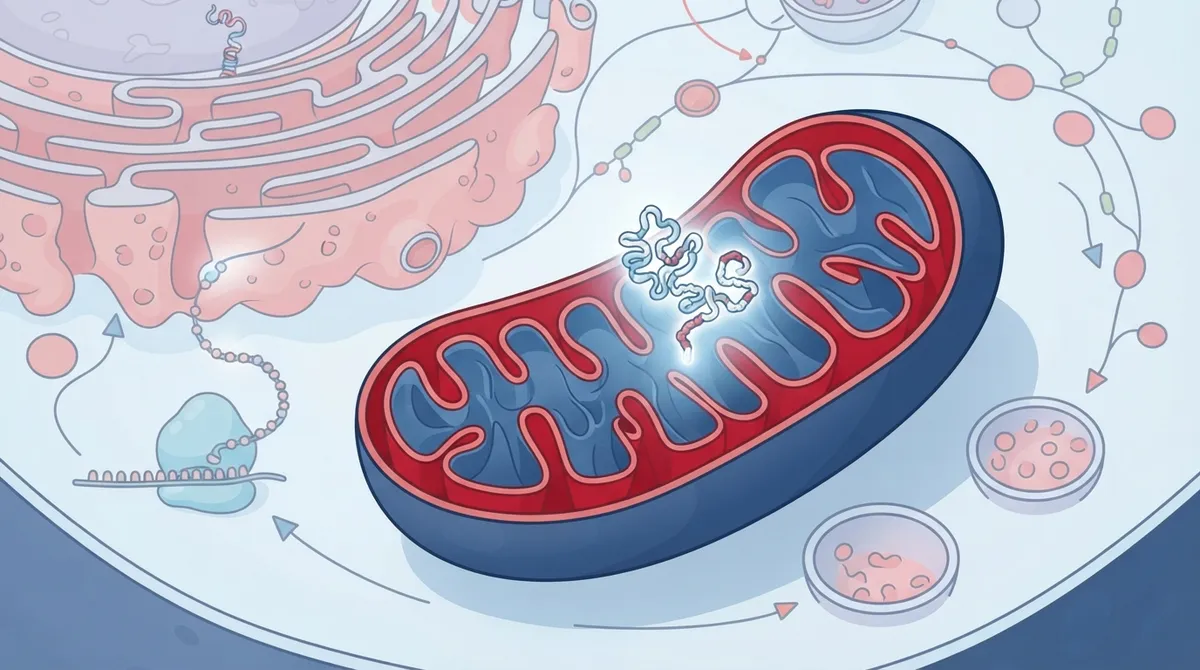
MOTS-c stands for mitochondrial open reading frame of the 12S rRNA-c. It is a short peptide made of just 16 amino acids. Your body produces it from instructions stored in mitochondrial DNA, the energy-making part of your cells. Skeletal muscle makes a large amount of it, and it also circulates in your bloodstream. Because mitochondria are so closely tied to energy and aging, researchers became curious about whether this peptide could influence how our bodies age.

2. Blood Levels of MOTS-c Drop as We Get Older
Several human studies have measured MOTS-c in the blood across different age groups. In one study, researchers tested three age groups: 18 to 30 years old, 45 to 55 years old, and 70 to 81 years old, with 25 people in each group. The results showed a clear pattern. Older adults had noticeably less circulating MOTS-c than younger adults.
3. The Numbers Behind the Age-Related Decline
The data from this research is specific. Adults aged 70 to 81 had about 21% lower plasma MOTS-c than adults aged 18 to 30. Middle-aged adults, those 45 to 55, had about 11% lower levels than the youngest group. This steady decline is one reason MOTS-c attracted attention as a possible marker, or even a target, for age-related health changes.
4. Muscle Tissue Tells a Different Story Than Blood
Here is where things get more complicated. A 2020 study looked at MOTS-c levels directly inside skeletal muscle tissue, not just blood. Surprisingly, older men in this study had about 1.5 times higher MOTS-c expression in their muscles compared to younger men. This is the opposite pattern seen in blood tests. Scientists think this may reflect changes in how muscle releases the peptide, or shifts in muscle fiber type as we age. It shows that MOTS-c biology is far more complex than a simple "more is better" or "less is worse" story.
5. What Researchers Think MOTS-c Might Do
Animal and cell-based studies suggest MOTS-c may play a role in several processes tied to metabolism and stress response, including:
- Regulating insulin sensitivity and blood sugar handling
- Supporting mitochondrial signaling during physical stress
- Activating the folate-AICAR-AMPK pathway, a cellular energy sensor
- Moving into the cell nucleus during exercise or metabolic stress
- Influencing inflammation and skeletal-muscle adaptation
These are promising areas of research, but they remain largely theoretical when it comes to real-world human treatment.
6. Animal Studies Show Interesting, But Limited, Results
Mouse studies have reported some notable findings. In one study, mice given MOTS-c showed improved physical performance across young, middle-aged, and old age groups. Another late-life mouse study found a trend toward about 6.4% higher median lifespan and 7.0% higher maximum lifespan with treatment. These numbers sound exciting, but mice are not humans. Metabolism, lifespan biology, and drug response can differ greatly between species. No study has proven that these effects translate directly to people.
7. Human Trials Are Still in Early Stages
A modified version of MOTS-c, called CB4211, has gone through early-phase human testing for metabolic conditions. This Phase 1a study involved healthy adults and tested single and multiple doses to check safety and how the body processes the compound. It's important to understand that CB4211 is a lab-modified analog, not the same molecule your body naturally produces. Early safety trials like this one are designed to check tolerability, not to prove that a treatment works for aging, frailty, or muscle loss.
8. No Proven Treatment for Frailty or Sarcopenia Yet
Sarcopenia, the gradual loss of muscle mass and strength with age, is a major concern for older adults. So is general frailty. Despite online claims, there is currently no completed, published randomized clinical trial proving that native MOTS-c improves sarcopenia, frailty, cognitive decline, or physical performance in humans. Reviews of the current science consistently point out this gap. If you are exploring options for muscle strength or mobility as you age, working with a primary care provider on proven strategies remains the safest path forward.
9. MOTS-c Is Not FDA-Approved for Any Wellness Use
This is a critical point for anyone considering peptide therapy. MOTS-c has not received approval from the FDA for weight loss, diabetes, anti-aging, or general wellness purposes. Clinics or online sellers marketing it as an approved anti-aging treatment are overstating the current evidence. Responsible peptide therapy programs should always be transparent about what is proven versus what remains experimental.
10. Safety and Side Effects Remain Largely Unknown
Because human research on native MOTS-c is limited, long-term safety data is thin. Questions that remain unanswered include:
- What is the optimal and safe dosing for humans?
- How does MOTS-c interact with other medications?
- Are there differences in effects for older adults with existing health conditions?
- What are the risks of long-term or repeated use?
- Could unregulated products carry contamination or purity risks?
Until these questions are answered through proper clinical research, caution is warranted, especially for older adults managing chronic conditions.
11. What Actually Works for Age-Related Decline Today
While MOTS-c research continues, primary care medicine already has proven tools for slowing age-related decline. These include:
- Regular resistance and aerobic exercise to preserve muscle and cardiovascular health
- Adequate protein intake and balanced nutrition
- Consistent, quality sleep
- Up-to-date vaccinations
- Routine medication reviews to avoid harmful interactions
- Fall prevention strategies for older adults
- Active management of diabetes and cardiovascular risk factors
These strategies are backed by decades of research, unlike experimental peptides. A thorough annual wellness visit can help identify which of these areas need the most attention for your specific health profile.
12. Why Working With a Trusted Clinic Matters
Navigating wellness trends can feel overwhelming, especially when marketing outpaces the science. At InCare, our providers, including Dr. Naveen Paddu, Dr. Pramjeet Ahluwalia, and Dr. Teshy John, focus on evidence-based approaches to healthy aging. This includes tools like DNA gene testing, body composition analysis, and cancer screenings to build a full picture of your health, alongside honest conversations about which peptide therapies have real clinical support and which remain unproven.
How InCare Approaches Healthy Aging
Rather than chasing the newest peptide trend, our team builds personalized plans rooted in current medical evidence. We combine advanced diagnostics with practical lifestyle guidance to help patients in Tampa and Riverview manage weight, metabolic health, and chronic conditions. If you are curious about medical weight loss or want to better understand your metabolic health through metabolic breath analysis, our providers can walk you through options that are grounded in real outcomes.
You can also connect with our community and see updates on new wellness research through our Facebook page, follow along on Instagram, or catch quick health tips on Tik Tok. For a closer look at what patients in the area experience firsthand, you can also visit us on Google — InCare to read reviews from our Tampa and Riverview patients.
The Bottom Line on MOTS-c and Aging
MOTS-c is a genuinely interesting area of mitochondrial research. The connection between falling blood levels and aging is real and well-documented. But the leap from "associated with aging" to "proven anti-aging treatment" has not been made in human clinical trials. Claims about reversing frailty, sarcopenia, or cognitive decline currently outpace the evidence. If you are serious about healthy aging, the smartest first step is a conversation with a primary care provider who can review your full health picture and recommend strategies with proven track records.
Ready to take a science-based approach to healthy aging? Reach out to our team today or schedule your appointment now to start building a personalized wellness plan with InCare in Tampa or Riverview.
FAQs
Q: What is MOTS-c and how is it connected to aging?
A: MOTS-c is a small peptide made from mitochondrial DNA, mainly produced in skeletal muscle. Human studies show that circulating MOTS-c levels tend to decrease with age, but this association does not prove the peptide can treat or reverse age-related decline.
Q: Can MOTS-c improve muscle strength or energy in older adults?
A: Animal studies suggest MOTS-c may support physical performance and metabolism, but no completed human clinical trial has proven these benefits in older adults. Claims about strength or energy improvements currently rely on preclinical, not human, evidence.
Q: Is MOTS-c FDA-approved for aging, weight loss, or wellness?
A: No, MOTS-c is not FDA-approved for any anti-aging, weight loss, or general wellness use. It remains an investigational compound with early-phase research still underway.
Q: What human clinical trials have tested MOTS-c or its analogs?
A: An analog called CB4211 has undergone early-phase Phase 1a testing in healthy adults, focusing on safety and tolerability rather than age-related outcomes. This is different from testing native MOTS-c, and results cannot be used to prove anti-aging efficacy.
Q: Should older adults consider MOTS-c through a wellness clinic?
A: Given the limited human safety data and lack of proven outcomes, most primary care providers recommend focusing on established strategies like exercise, nutrition, and chronic disease management instead of unproven peptide therapies for age-related decline.